 Vietnamnet.vn

 Podcast



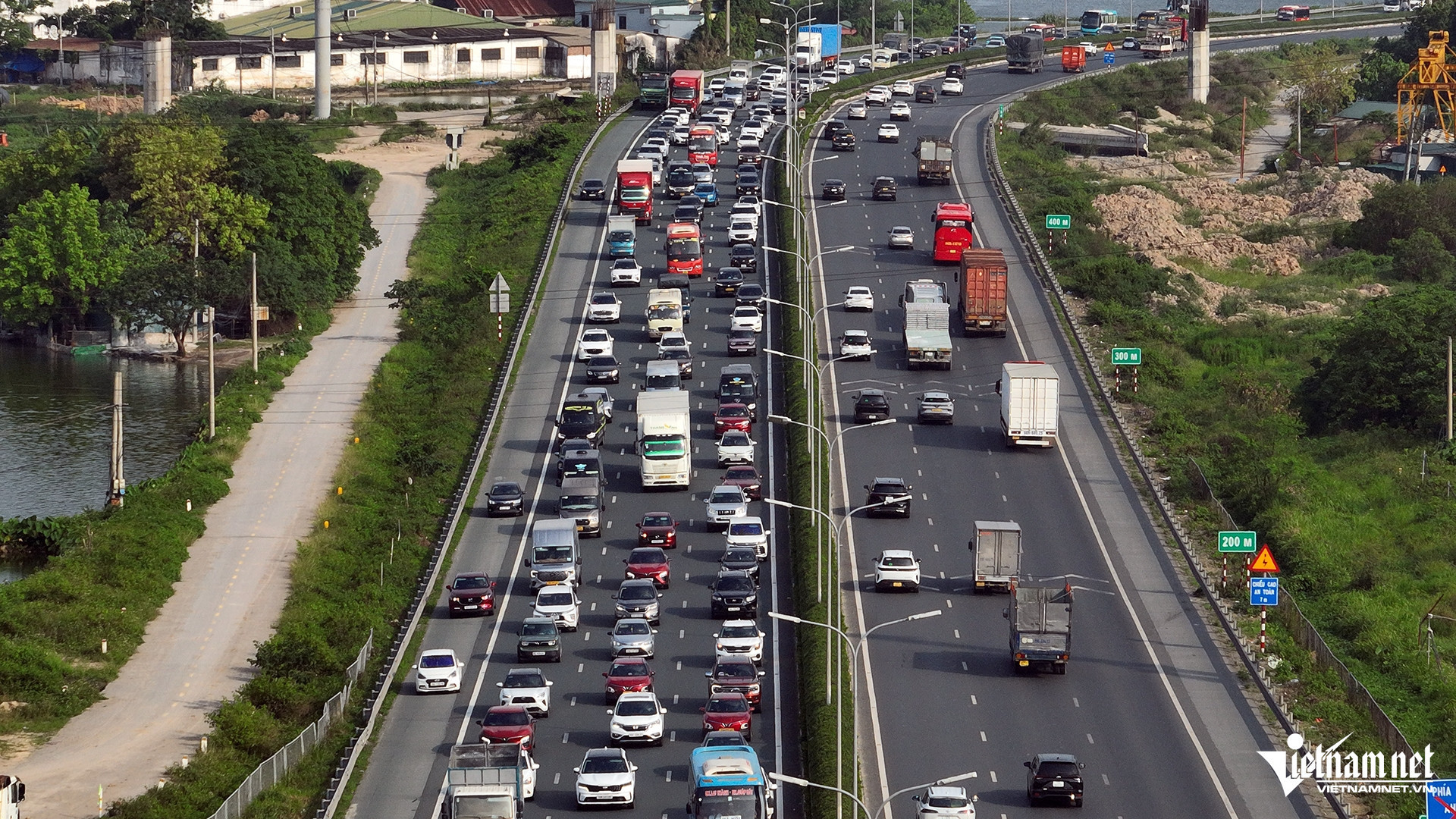
Hanoi is considering measures to limit the use of private vehicles and introduce road charges in selected areas as part of broader efforts to reduce traffic congestion. If approved by the city council, the policy is expected to take effect on July 1.
The proposal was submitted by the Hanoi People's Committee to the municipal People's Council as part of a draft resolution outlining policies to expand public transportation, curb private vehicle use and introduce congestion-reduction charges across the capital. The proposal is expected to be reviewed during a special session of the council scheduled to open on June 12.
Congestion charges under consideration
Under the draft resolution, Hanoi plans to regulate the operation of certain categories of motor vehicles based on traffic infrastructure conditions and the capacity of the city's public transport network.
The city is also studying economic measures aimed at reducing dependence on private vehicles, including the introduction of road charges in specific areas to ease congestion, in accordance with existing regulations.
Hanoi would be authorized to designate restricted zones, define operating boundaries and set timeframes for certain types of road vehicles, taking into account local infrastructure and public transport capacity. The measures are intended to reduce congestion and improve environmental quality.
Another notable proposal involves charging motor vehicles entering designated zones. City officials believe the policy could help reduce both traffic congestion and transport-related emissions.
However, the draft does not specify which areas would be subject to charges or how much motorists would be required to pay. These details will be developed after assessments of transport infrastructure, implementation capacity, fee collection systems and potential economic, social and environmental impacts.
Before any plan is implemented, authorities said public consultations would be conducted with residents, organizations and other stakeholders. The final proposal would then be submitted to the city council for approval.
According to city officials, the initiative is part of Hanoi's goal of significantly reducing traffic congestion and improving urban environmental quality by 2030, with public transportation serving as the backbone of the mobility system.
The city noted that land allocated to transportation infrastructure currently accounts for only 12-13% of urban land area, far below the 20-26% commonly seen in major modern cities worldwide. At the same time, infrastructure development has struggled to keep pace with the rapid growth in vehicle ownership, resulting in chronic overload even after new projects are completed.
Expanding public transportation
Alongside restrictions on private vehicles, the draft resolution places significant emphasis on expanding public transport options.
Hanoi plans to prioritize investment in integrated public transport infrastructure, including urban railway stations, transit hubs, passenger shelters and dedicated bus lanes. Authorities also aim to strengthen connectivity among different transport modes. Buses would receive greater priority in traffic management to ensure smoother and safer operations.
The proposal encourages a transition toward electric and green-energy vehicles. The city plans to provide interest-rate support for businesses investing in electric buses, charging stations and supporting infrastructure while continuing fare subsidies for bus and metro passengers.
Several groups would be eligible for free public transportation services, including war veterans and people with meritorious service, people with disabilities, senior citizens, children under six and low-income households. Students and industrial park workers would receive a 50% discount on monthly transit passes.
The city also plans to expand public bicycle-sharing, electric bicycle-sharing and shared electric motorcycle services. Parking and docking facilities would be integrated with metro stations, bus terminals and residential areas as part of efforts to build a more convenient and environmentally friendly transport network.
Under the draft, the resolution is expected to take effect on July 1, 2026.
Thanh Hue
.svg)
