 Vietnamnet.vn

 Podcast



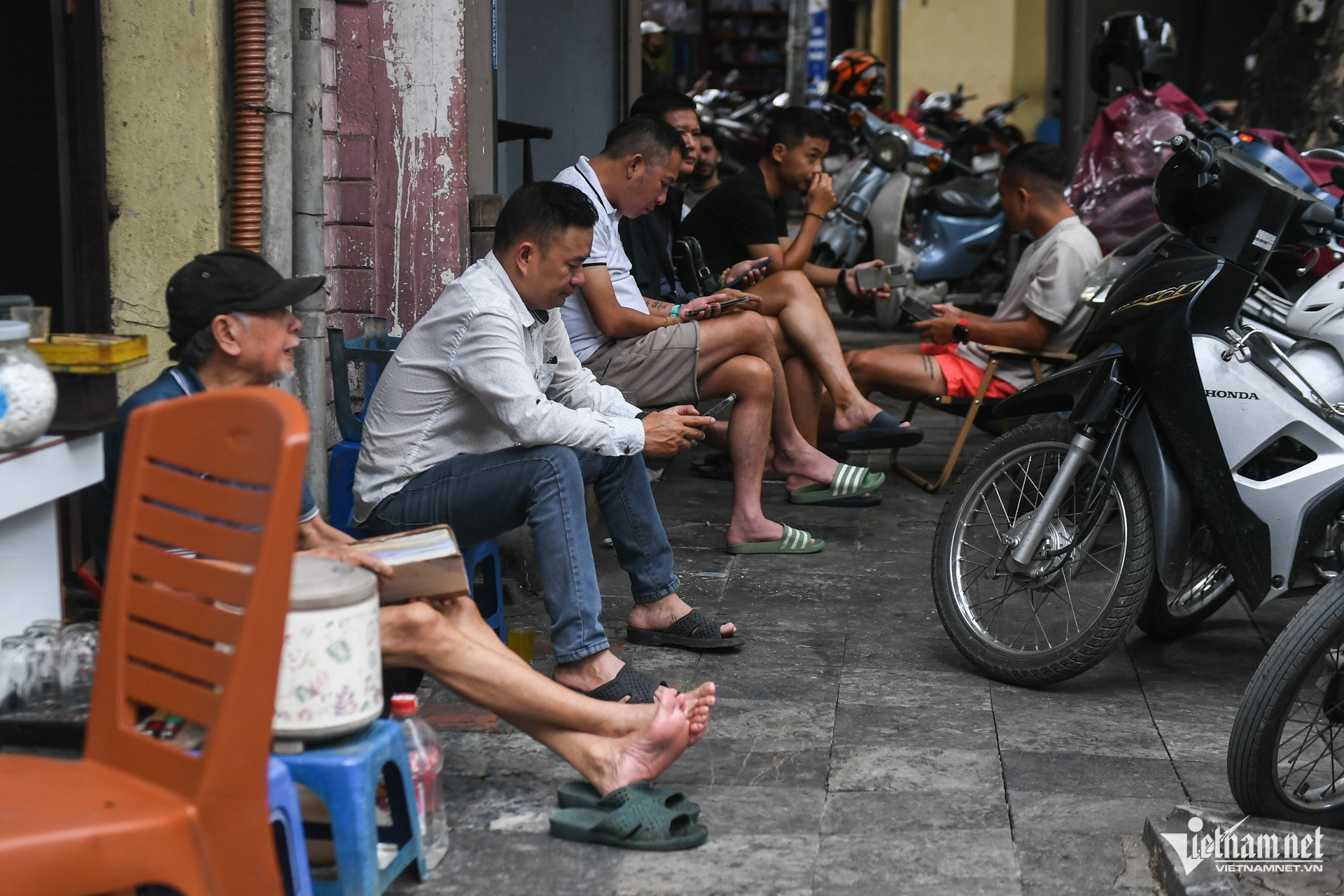
Speaking to VietNamNet, Nguyen Van Quyen, former deputy head of the Vietnam Directorate for Roads, said any plan allowing sidewalk rentals should be carefully studied and applied only in suitable areas with adequate conditions.
According to Quyen, Hanoi should establish detailed criteria for individual streets instead of implementing a citywide policy.
“If sidewalks are completely banned from commercial use, it could negatively affect economic activity, tourism and people’s livelihoods,” he said. “But if management is too loose, urban order will deteriorate. The city must clearly define which streets can permit sidewalk rentals and which cannot.”
Quyen believes some areas with strong tourism and service potential could be considered for controlled sidewalk use.
However, any decision should take into account factors such as sidewalk width, pedestrian density and the commercial characteristics of each area.
“Tourist streets may allow conditional leasing, but pedestrian space and urban openness must still be protected,” he stressed. “Otherwise, the result will be disorder and visual chaos.”
Long-term solution lies in urban planning
An urban transportation planning expert said the proposal to lease portions of sidewalks under controlled conditions could serve as a temporary solution as Hanoi attempts to balance urban management goals with residents’ need to earn a living.
However, the expert emphasized that such measures can only address immediate pressures.
In the long run, Hanoi must develop concentrated commercial zones for small traders while simultaneously investing in parking facilities and synchronized infrastructure to reduce pressure on streets and sidewalks.
“For many years, Hanoi has struggled to deal with sidewalk encroachment, but the deeper issue is the severe shortage of parking spaces and suitable business areas,” the expert said. “That means urban planning must treat parking demand as an essential part of transportation infrastructure.”
Rather than depending on sidewalks for economic activities, Hanoi should allocate public land for parking lots combined with small-scale commercial and service areas, the expert suggested.
Following administrative mergers of communes and wards or the relocation of agencies and schools, the city could study the possibility of repurposing some land for parking facilities or community markets.
“The government can either directly invest in these projects or create mechanisms allowing businesses to participate in operations,” the expert said. “This approach would serve public needs while also generating revenue to maintain operations.”
Ongoing debate over sidewalk management
Hanoi’s proposal to lease portions of sidewalks and roadways in areas such as Hoan Kiem and Cua Nam has generated significant public debate.
Supporters argue the policy reflects the realities of urban life and could create legal, regulated opportunities for small businesses and local livelihoods.
Critics, however, fear it could lead to renewed sidewalk encroachment, reduced pedestrian access and worsening urban disorder if enforcement is inconsistent.
The discussion also comes amid broader concerns over Hanoi’s lack of parking infrastructure, especially as the city moves toward tighter traffic and environmental regulations in the future.
Experts say the success or failure of any sidewalk leasing policy will depend not only on management but also on whether the city can build a long-term urban infrastructure system capable of reducing dependence on public walkways for both parking and informal business activities.
Vu Diep
.svg)
