 Vietnamnet.vn

 Podcast



Major transport projects move forward
Among the most significant projects is component 2.1 of Hanoi's Ring Road 4, involving the construction of parallel roads along the route serving the Hanoi Capital Region.
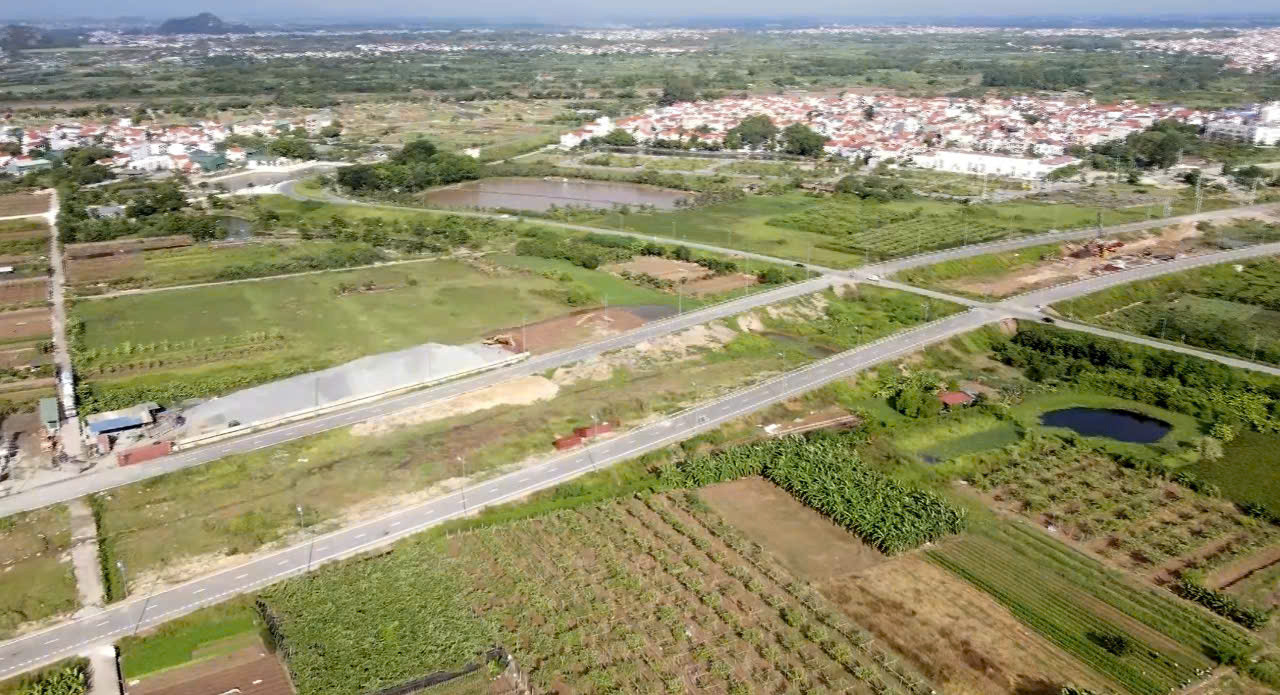
The project stretches approximately 58.2km across 17 communes and wards, with total investment exceeding $2.16 billion. Construction began on June 25, 2023.
To mark the anniversary, a 15km section running from the Huu Hong dike area near Hong Ha Bridge to Thang Long Boulevard has been technically opened to traffic.
Hanoi expects to open another 22km in November and complete the entire parallel road system by the end of 2026.
Another transport project reaching the technical opening stage is component 2 of Ring Road 2.5, covering approximately 2.2km with investment totaling $16.7 million.
The project comprises three sections connecting Dich Vong and Duong Dinh Nghe streets, Vu Pham Ham and Tran Duy Hung streets, and Nguy Nhu Kon Tum and Nguyen Trai streets.
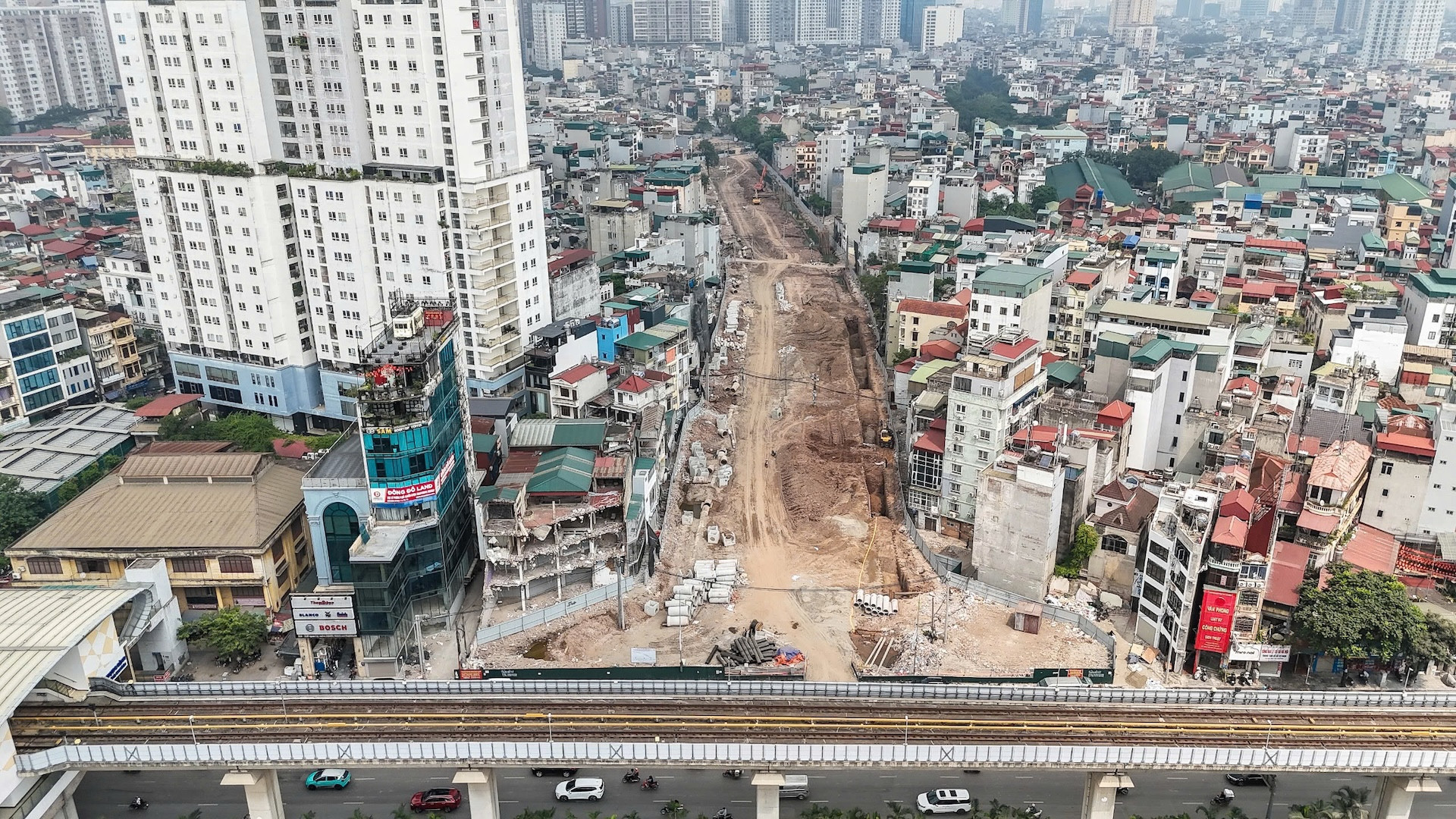
These are the final three of 13 sections making up the Ring Road 2.5 route, which extends for more than 19km.
Among the projects beginning construction is an elevated road along Co Linh Street connecting to the Hanoi-Hai Phong Expressway.
The four-lane elevated road will stretch approximately 1.76km, with investment exceeding $84.9 million.
It is expected to separate through traffic from vehicles traveling on surface roads, helping ease congestion at major intersections.
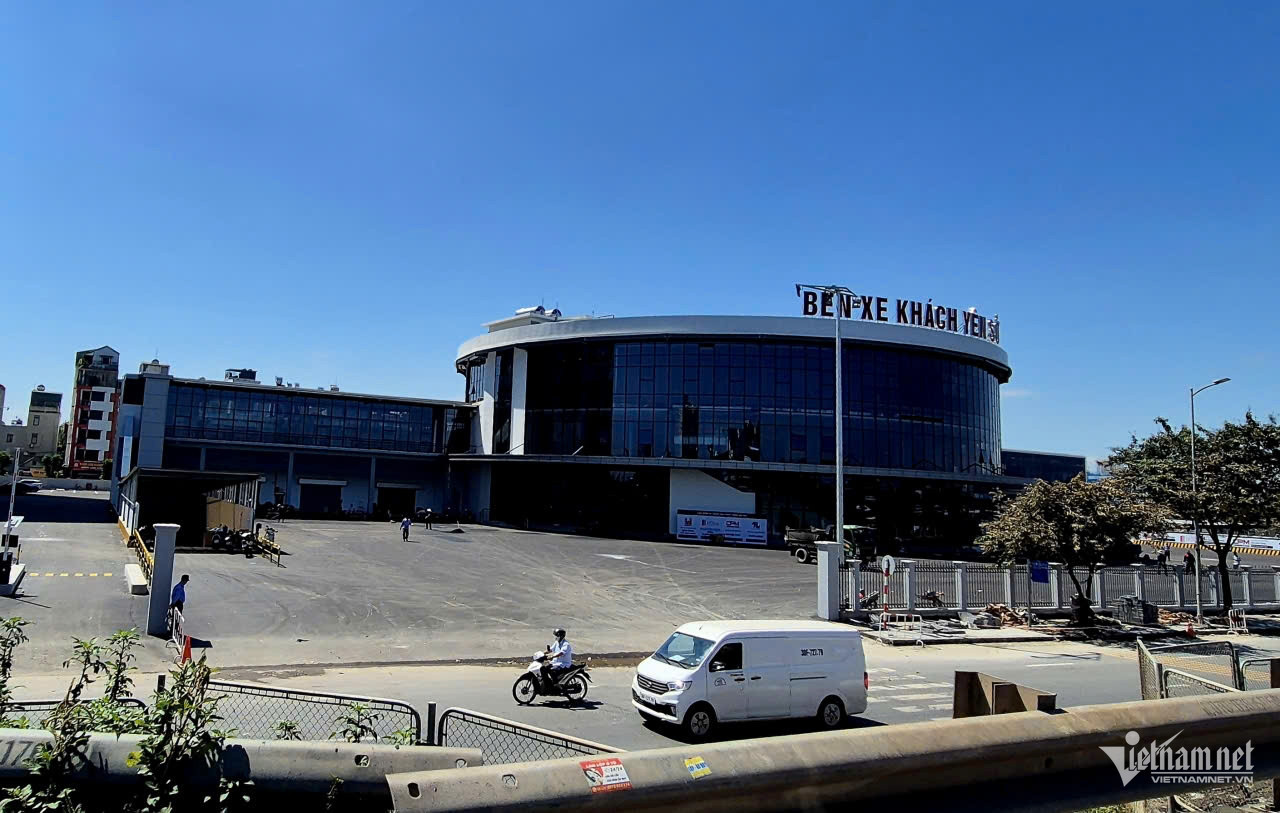
Meanwhile, the Yen So passenger bus terminal will be developed with investment of nearly $17.4 million.
Covering almost 27,600 square meters, the terminal is designed to accommodate approximately 800-1,000 bus movements daily.
Its facilities will include a 5,000-square-meter basement, an integrated passenger pickup and drop-off system, and technology-based management infrastructure.
Once operational, Yen So will become Hanoi's seventh major passenger transport hub.
Major investment planned to tackle river and wastewater pollution
Environmental infrastructure is another major focus of Hanoi's latest development initiatives.
The Cau Bay River rehabilitation and pollution treatment project has estimated investment of approximately $451 million.
Scheduled for implementation between 2026 and 2028, the project will use a public-private partnership (PPP) model under a build-transfer (BT) contract.
It includes 61km of wastewater collection pipelines, 29 pumping stations and five wastewater treatment plants.
The facilities will have a combined design capacity of 142,000 cubic meters per day, potentially increasing to 180,000 cubic meters daily during rainy conditions.
Additional components include riverbed dredging, riverbank reinforcement, a sedimentation pond covering approximately 10 hectares and more than 14km of riverside roads.
Another major undertaking is the preliminary project to upgrade and complete the dyke system, dredge the Nhue River and address pollution along the waterway.
The project has an estimated investment exceeding $2.9 billion.
It will cover 19 communes and wards, extending from Lien Mac through the section of the river within Hanoi's administrative boundaries.
Planned works include riverbed rehabilitation, bank reinforcement, road construction, wastewater collection pipelines and treatment facilities.
Hanoi is also preparing the S3 drainage basin wastewater collection system and Phu Do Wastewater Treatment Plant, with combined projected investment of approximately $155.9 million.
The wastewater collection network will extend for around 24.09km and include five pumping stations.
The treatment plant will have a design capacity of 91,500 cubic meters per day.
Together, these projects are expected to reduce water pollution, strengthen urban drainage capacity and gradually improve environmental conditions across the capital.
New projects to expand economic opportunities and public services
Hanoi is also launching several major projects aimed at expanding economic activity, developing tourism and improving essential public services.
Construction of the Tien Thang Industrial Park is scheduled to begin around October 10.
The industrial park has a planned area of more than 449 hectares, with its first phase covering over 230 hectares and requiring investment of approximately $172 million.
Designed as a smart, environmentally friendly industrial park with low emissions, the project is expected to generate employment for more than 16,000 workers.
In Dong Anh, construction is also beginning on the Cau Doi hotel, office and commercial services complex, part of The Five Hotel & Resort development.
The project has total investment of approximately $120 million and will feature two 25-story towers.
Once completed, it is expected to provide more than 350 hotel rooms, 330 serviced apartments, and facilities for offices, conferences and events.
In Soc Son commune, a large-scale multifunctional entertainment complex featuring a horse racing track is planned with investment of approximately $420 million.
Covering 125 hectares, the project will include a horse racing facility occupying nearly 100 hectares.
The racing complex will feature a racetrack, grandstands accommodating approximately 30,000 spectators and facilities for breeding, training and caring for horses.
The development is expected to introduce new tourism and entertainment offerings while stimulating commercial and service activities in northern Hanoi.
In the western part of the capital, Ba Vi Safari Park is planned across 299 hectares.
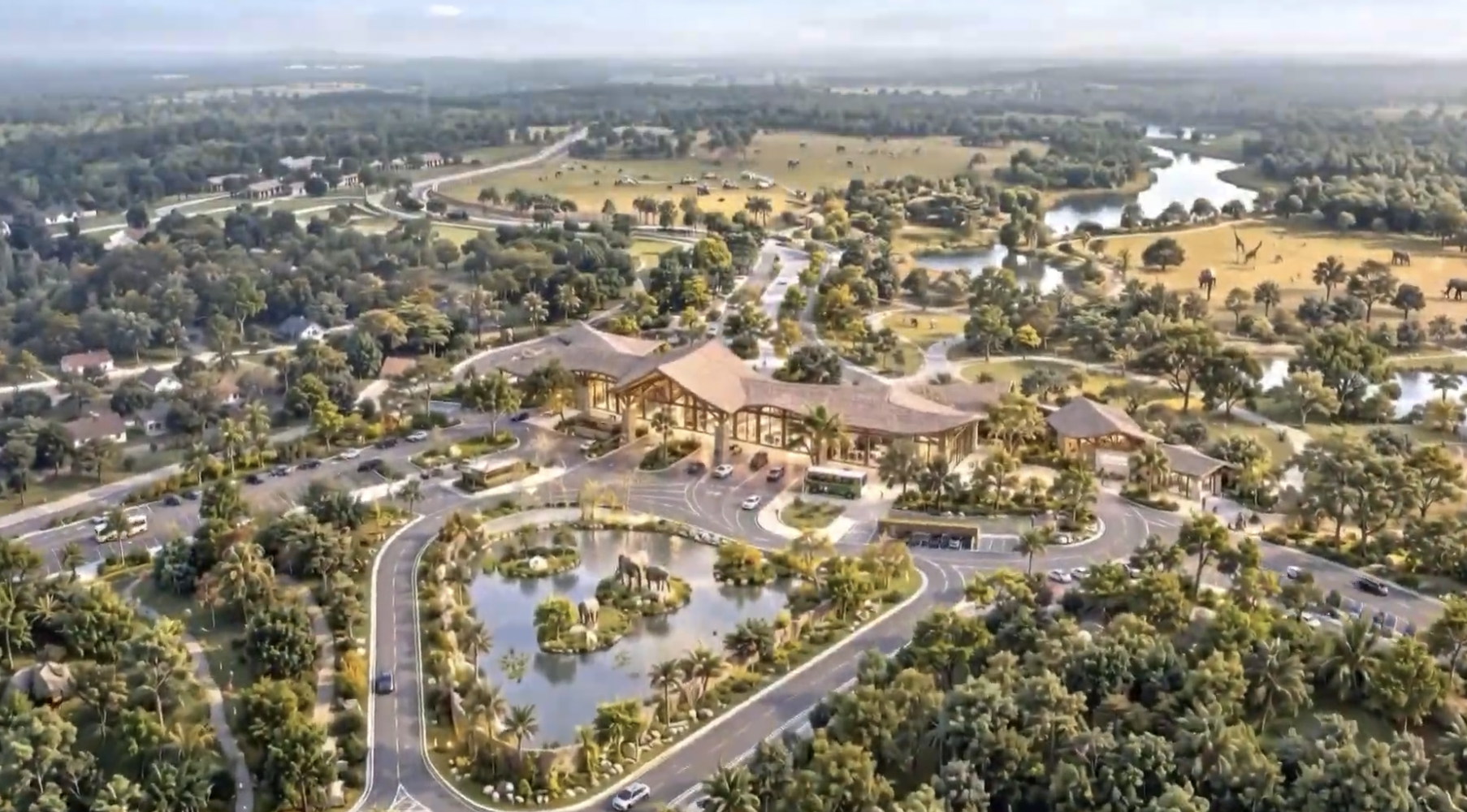
The project is intended to offer wildlife viewing and semi-wildlife experiences while incorporating nature conservation activities.
Healthcare infrastructure is also receiving additional investment.
The second campus of Hanoi Heart Hospital, located on Vo Chi Cong Street, will be developed with approximately $30.5 million in investment.
The 300-bed hospital will include a main building with 12 above-ground floors and two basement levels.
In education, Hanoi is developing high-quality schools offering multiple levels of general education in Soc Son, Thach That and Phu Dong.
The three projects have estimated investment of approximately $26.1 million, more than $26.7 million and $30.7 million, respectively.
Each school is designed to accommodate around 2,160 students, helping meet growing demand for educational facilities.
The city is also investing nearly $173.8 million in a cybersecurity center, a centralized server management center and headquarters for the Cybersecurity and High-Tech Crime Prevention Division of Hanoi Police.
The project is scheduled for completion in February 2028.
Another initiative focuses on heritage preservation and urban regeneration.
The city plans to renovate 131 railway arches along a stretch of more than 1.7km, extending from the Cua Dong area to Long Bien railway station.
The project aims to preserve the original stone structures while integrating pedestrian spaces, greenery and cultural activities.
Taken together, the projects are expected to strengthen Hanoi's infrastructure, improve environmental conditions and create additional space for economic and urban development.
However, their ultimate impact will depend on implementation progress and whether the facilities can be brought into operation in a coordinated manner that meets the practical needs of residents.
Vu Diep - Thanh Hue
.svg)
