 Vietnamnet.vn

 Podcast



Hanoi on June 15 approved a series of major policy resolutions across key sectors, marking what city leaders described as a new and unprecedented phase in implementing the Capital Law and laying the foundation for the capital's next stage of development.
The fourth session of the Hanoi People's Council completed its core agenda aimed at translating the Capital Law into practical policies and creating momentum for a new era of urban growth.
Speaking at the closing session, Hanoi Party Secretary Tran Duc Thang said the council had reviewed and adopted 54 resolutions, including 45 specifically designed to implement the 2024 Capital Law.
He described the resolutions as strategic decisions covering all critical sectors of the city, including institutional reform, decentralization, urban management, finance, budgeting, investment, science and technology, education, healthcare, culture, environmental protection and social welfare.
The measures are expected to provide a strong legal foundation for bringing the Capital Law's special and breakthrough mechanisms into practice.
Turning policy into action
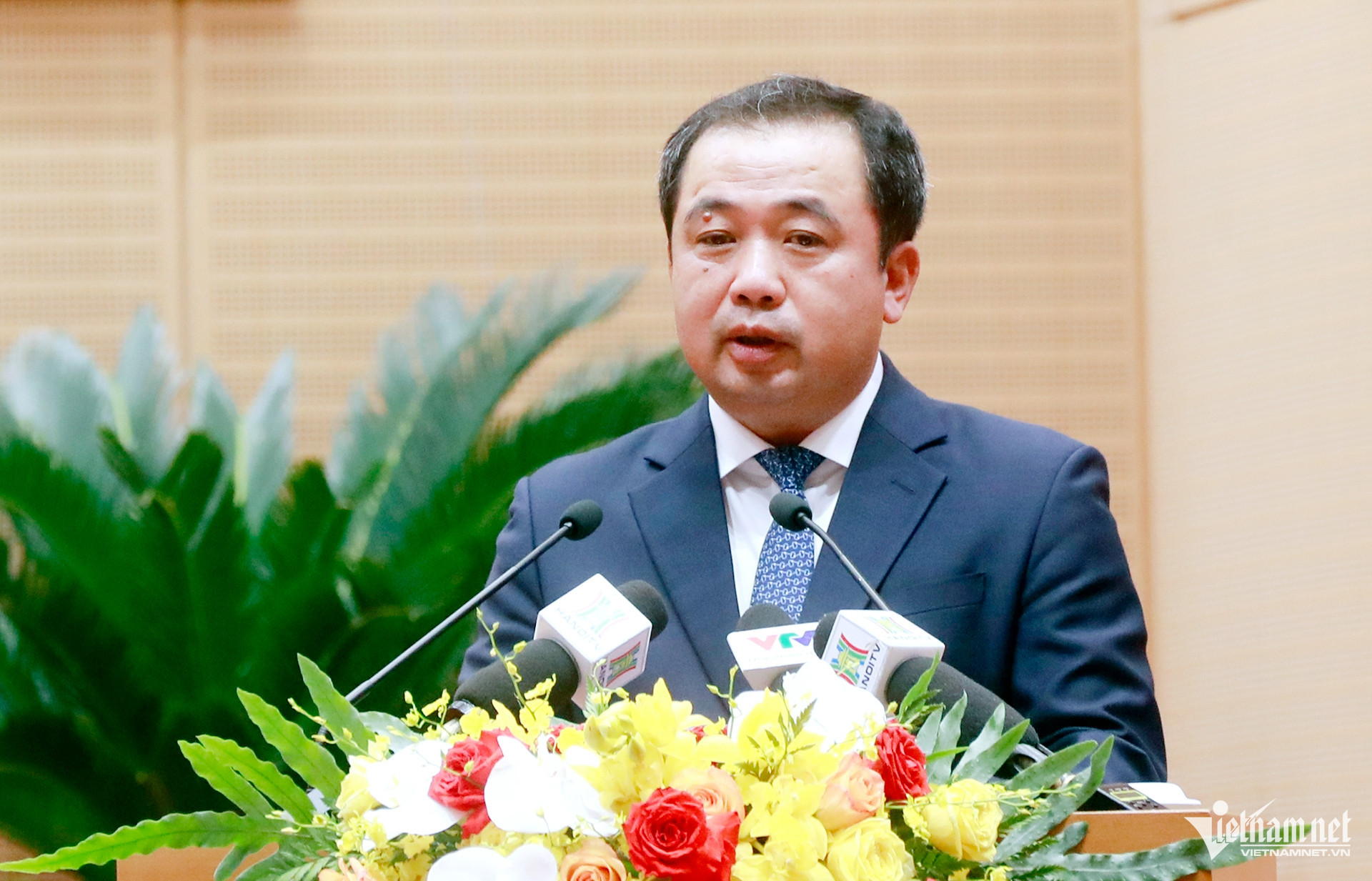
Tran Duc Thang stressed that establishing a legal framework is only the first step, while effective implementation will determine whether the policies deliver meaningful change for Hanoi's development.
With the Capital Law scheduled to take effect on July 1, he urged city authorities to begin implementation immediately following the council session.
"We must not allow resolutions to remain on paper. We must not allow policies to be delayed in reaching people's lives. Residents and businesses should not have to wait for mechanisms and policies that the city has invested so much effort in developing and approving," he said.
He expressed confidence that the newly adopted resolutions would help unlock resources, remove bottlenecks, create new development space and introduce more effective governance models to support sustainable and modern urban growth.
Chairwoman of the Hanoi People's Council Phung Thi Hong Ha noted that, within nearly two months of the Capital Law's promulgation, the city had already passed 61 resolutions to concretize its provisions.
"Hanoi has basically completed an important institutional step. What voters and residents care about most is seeing these resolutions produce tangible results. The success of the Capital Law and today's resolutions will not be measured by the number of documents issued, but by their effectiveness in real life," she said.
Ensuring special mechanisms deliver results
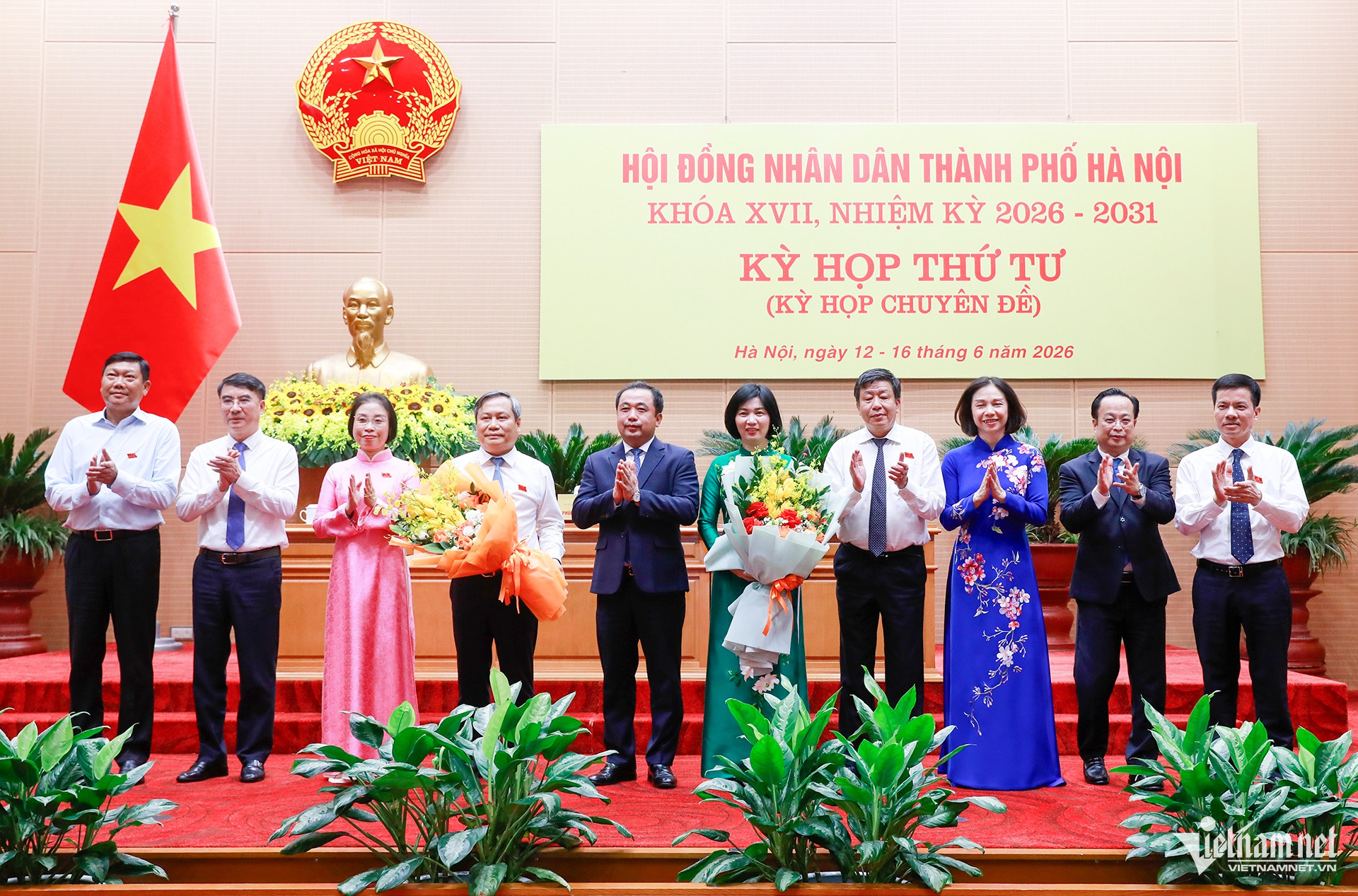
Chairman of the Hanoi People's Committee Vu Dai Thang acknowledged that implementing the Capital Law would create significant new responsibilities and workloads for all levels of government.
He said practical implementation would inevitably reveal challenges and new issues requiring further evaluation and refinement.
On behalf of the municipal government, Vu Dai Thang pledged to focus on implementing both the Capital Law and the resolutions approved by the council, ensuring that special policies quickly translate into concrete benefits for residents and businesses.
The city will also seek to operate the new two-tier local government model effectively, continue decentralization efforts while strengthening oversight, and build a streamlined and efficient administrative apparatus capable of delivering better public services.
Hanoi plans to tighten administrative discipline, accelerate administrative reform and digital transformation, improve services for citizens and businesses, and foster a transparent and competitive investment environment.
The city will strengthen monitoring and supervision of implementation, promptly address difficulties and obstacles, and ensure that policies are carried out consistently and effectively.
Authorities also pledged to maintain an open and responsive approach, regularly consulting with the People's Council, experts, academics, businesses and residents to further improve governance and public administration.
Thanh Hue
.svg)
