 Vietnamnet.vn

 Podcast



On August 12, Vu Dai Thang, Chairman of the Hanoi People’s Committee, chaired a meeting of the city’s Steering Committee for Key Projects to review progress on major transport infrastructure developments.
Sites handed over for all seven bridge projects
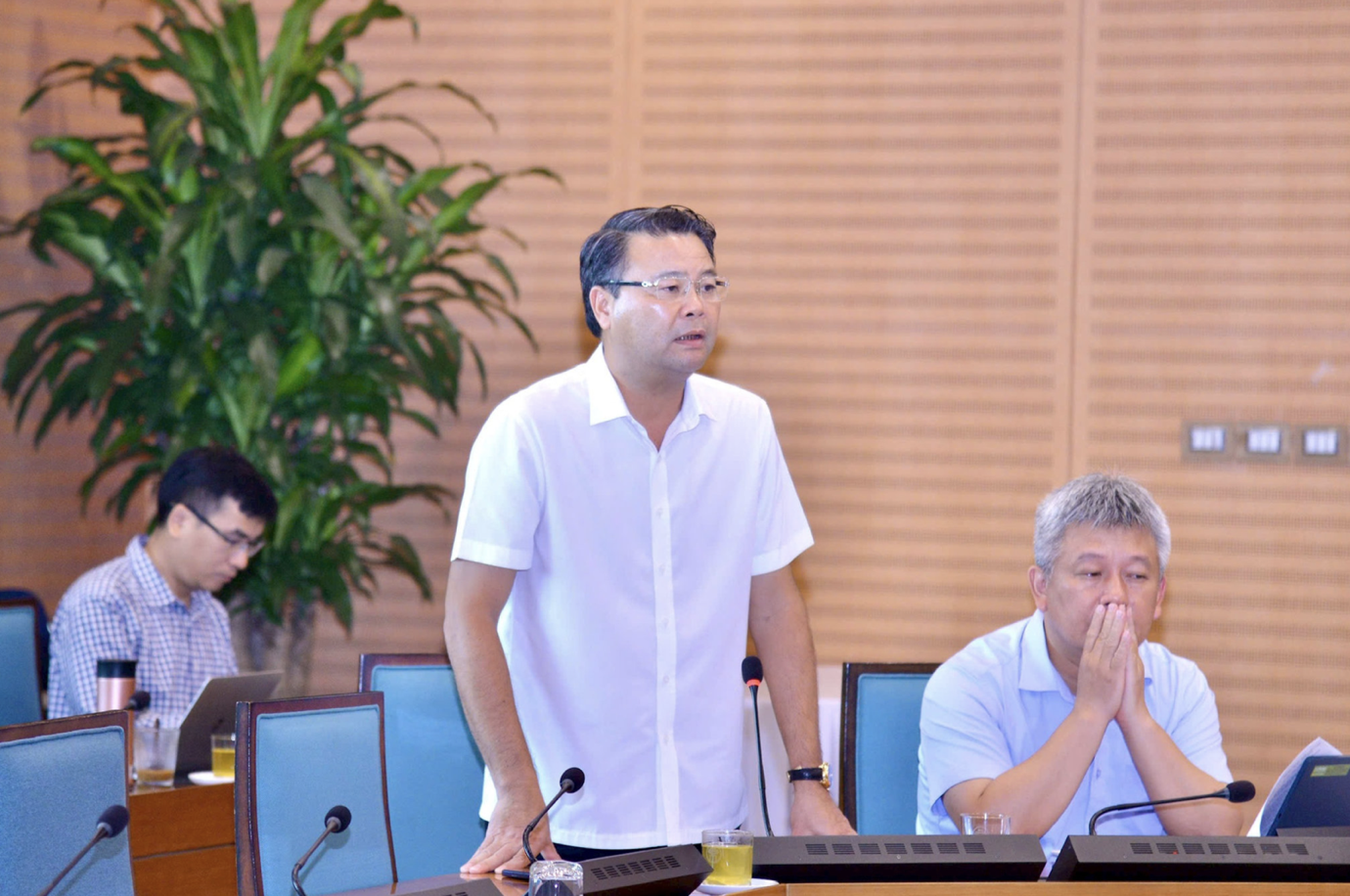
Speaking at the meeting, Ngo Ngoc Van, Director of the Hanoi Management Board for Transport Infrastructure Construction Investment Projects, said all sites within the designated boundaries had been handed over for seven bridges across the Red River: Tu Lien, Tran Hung Dao, Ngoc Hoi, Thuong Cat, Van Phuc, Hong Ha and Me So.
Under the city’s timetable, the projects are expected to be completed around July 2027 to meet travel demand.
Also at the meeting, Tran Dinh Cuong, Director of the Hanoi Management Board for Civil Infrastructure Construction Investment Projects, reported on the progress of Component Project 2 of Ring Road 3.5, covering the section from Phuc La-Van Phu to the Phap Van-Cau Gie Expressway, as well as the grade-separated interchange between Ring Road 3.5 and Thang Long Boulevard.
After the Ring Road 3.5 project was approved by the city on July 13, the investor focused on site clearance. All six communes and wards through which the project passes are now carrying out this work.
The Hanoi Management Board for Civil Infrastructure Construction Investment Projects has organized contractor selection and expects construction on the section from Ngoc Hoi Bridge to the Phap Van-Cau Gie Expressway interchange to begin around August 20.
The Hanoi People’s Committee has set a target that when Ngoc Hoi Bridge is completed in July 2027, the road connecting the bridge with National Highway 1A and the Phap Van-Cau Gie Expressway must also be finished.
Based on the site handover schedules of the six communes and wards, the investor has committed to completing the project in July 2027 if all required land is made available by the end of September, ensuring seamless connectivity between Ngoc Hoi Bridge, National Highway 1A and the Phap Van-Cau Gie Expressway.
For the interchange between Ring Road 3.5 and Thang Long Boulevard, the investor aims to complete construction in 2027. The project is still facing several site-clearance obstacles. The project management board will continue coordinating with departments, agencies and local authorities to complete investment procedures and address outstanding difficulties to keep the project on schedule.
No delays once construction sites are available
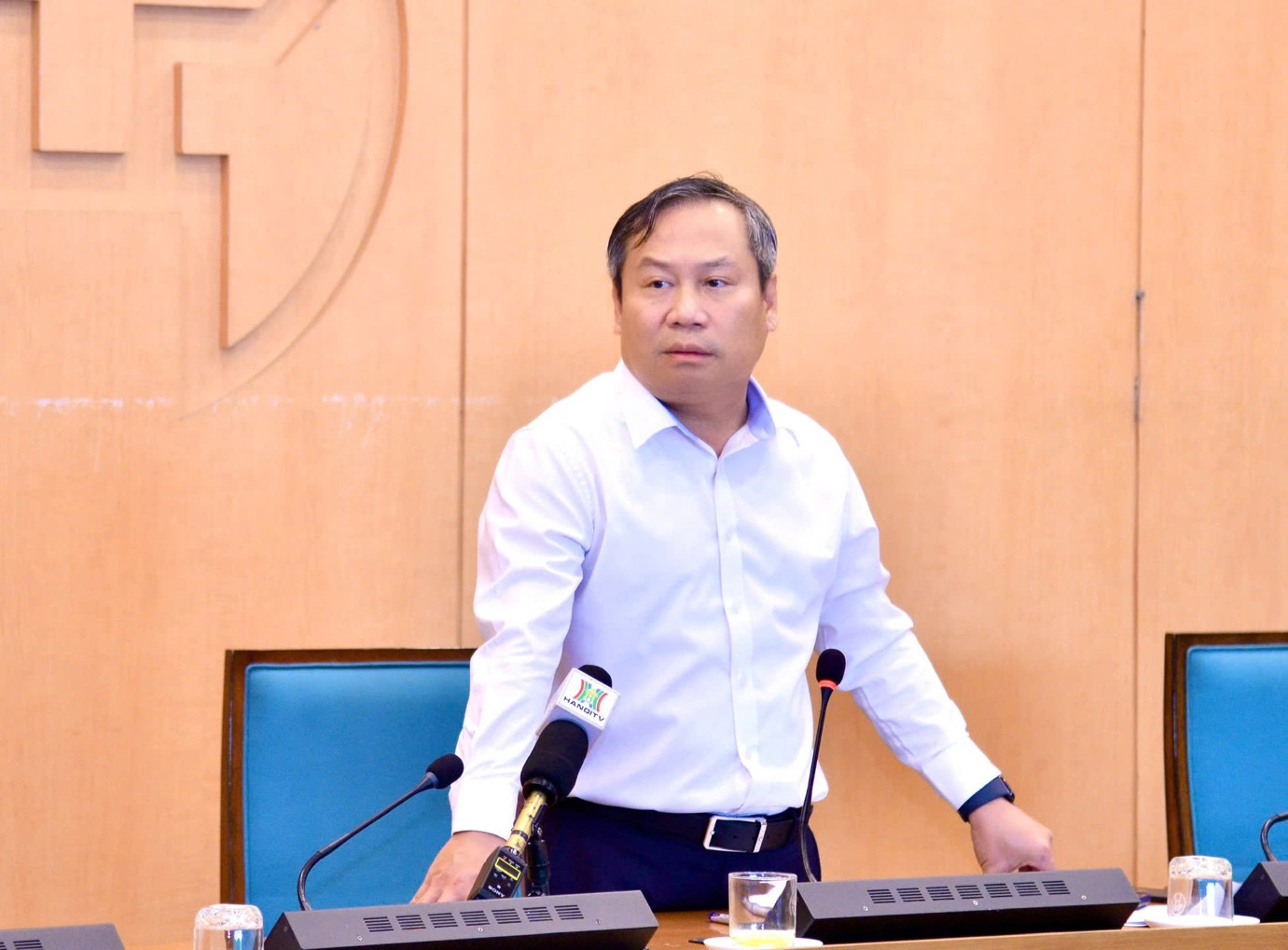
Speaking at the meeting, Hanoi People’s Committee Chairman Vu Dai Thang said the city has recently concentrated resources and created favorable conditions for major transport projects, particularly ring roads and bridges across the Red River, to be implemented in a coordinated manner.
Site clearance has received strong support from local residents. Very few cases have required compulsory measures, with most resolved through communication and persuasion.
Thang asked city departments and agencies, particularly the Department of Construction, Department of Industry and Trade and other relevant units, to closely coordinate site clearance with the relocation of technical infrastructure.
When preparing and assessing plans and projects, authorities must fully account for the relocation of infrastructure, particularly power lines, he said.
For the interchange between Ring Road 3.5 and Thang Long Boulevard, which is expected to accommodate multiple forms of transport and play an important role in the capital’s infrastructure network, Thang asked the construction sector to provide more detailed reports on the schedule and construction arrangements.
The project must be implemented in a modern manner while minimizing unsightly conditions around the construction site.
Looking ahead, Thang asked departments and agencies to focus on two key priorities.
First, the city will review planning, particularly the alignment of transport infrastructure in undeveloped areas. Routes should follow existing conditions as closely as possible and minimize site clearance through residential areas, thereby reducing costs and improving investment efficiency.
At the same time, relevant units must pay particular attention to construction quality and methods, making greater use of modern machinery, equipment and technology to shorten project timelines. Once site clearance and technical infrastructure relocation have been completed, investors must begin construction immediately rather than leaving cleared land unused.
The Hanoi chairman also asked the Department of Construction, Department of Finance and relevant agencies to pay close attention to contractors’ capabilities when appraising projects, selecting investment plans and conducting tenders.
Selected contractors must have sufficient financial capacity, personnel, machinery, equipment and construction management solutions to meet project deadlines.
“Project management boards, departments, agencies and local authorities must continue to uphold their sense of responsibility, coordinate closely, proactively resolve difficulties and put cleared sites into construction as soon as possible,” Thang said.
Thanh Hue
.svg)
