 Vietnamnet.vn

 Podcast


On Phan Phu Tien Street in Hanoi, a small banh cuon shop has been welcoming a steady stream of customers for more than 40 years.
At the entrance, three small steamers release clouds of vapor as two sisters work side by side. One swiftly spreads rice batter into delicate, paper-thin sheets, while the other carefully wraps the fillings, arranges the rolls on plates and brushes them with fragrant homemade shallot oil.
Each order is prepared fresh, ensuring that the rolls arrive at the table piping hot, their aromas of rice, pork and fried shallots blending together.
A family recipe passed from mother to daughters
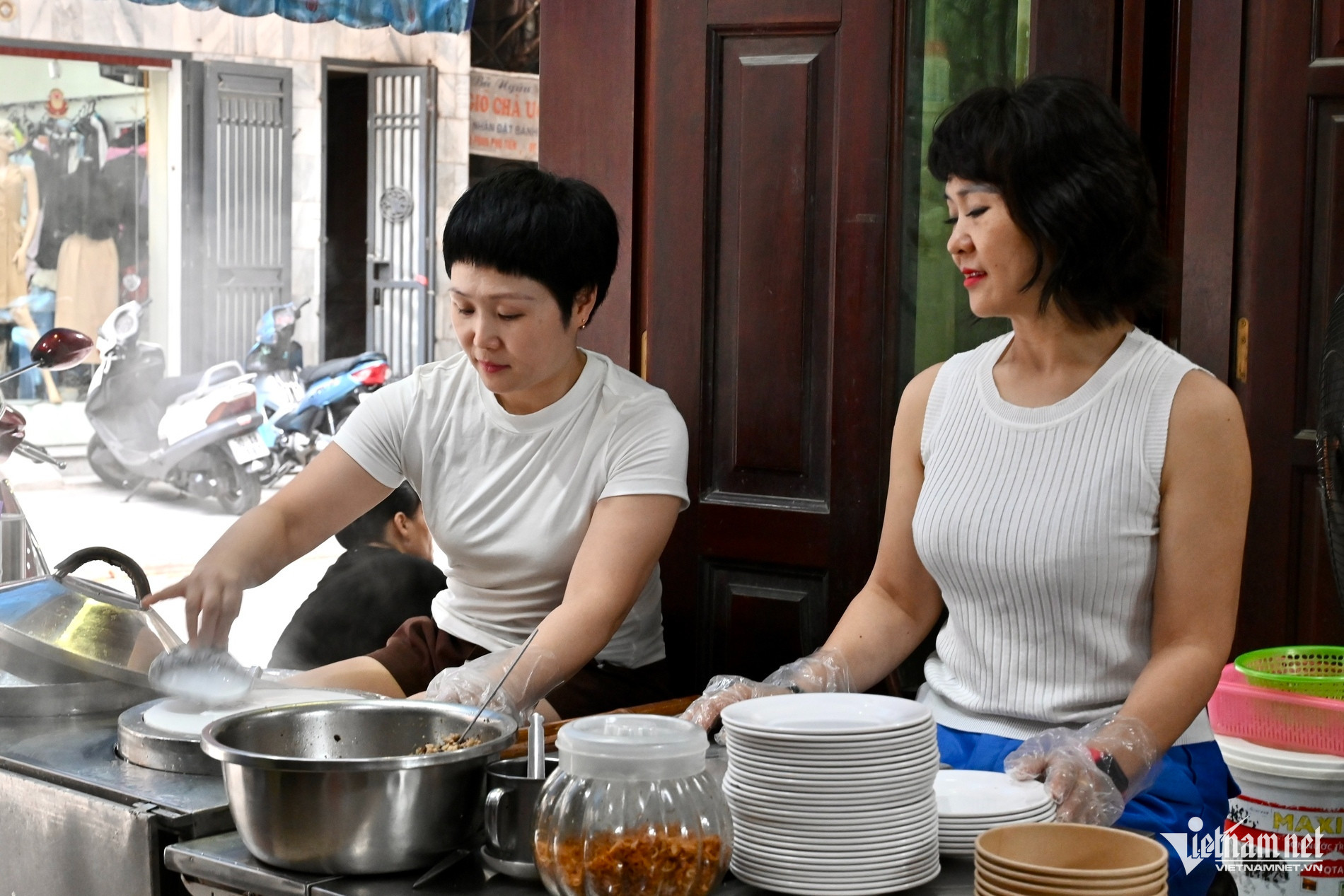
The shop was founded by Loc, born in 1946, in a small kiosk at the beginning of Phan Phu Tien Street.
According to her daughter Hoang Hong Anh, commonly known as Huong, who now runs the business with her sister, the neighborhood market at the time mainly offered pho, rice porridge, sticky rice and Thanh Tri-style steamed rice rolls.
Her mother decided to do something different.
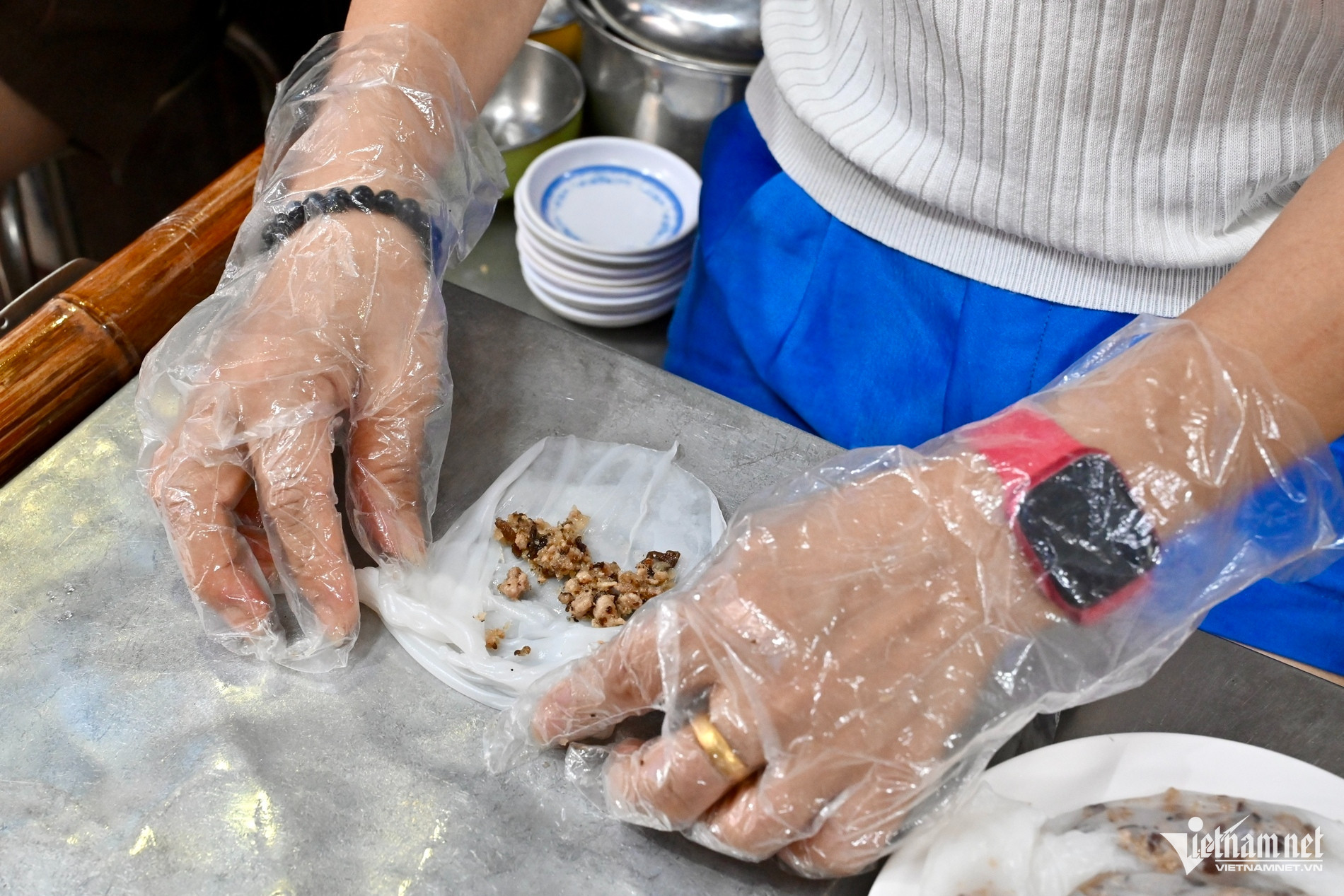
Instead of selling pre-made rolls, she prepared them fresh to order, filling the delicate rice sheets with minced lean pork stir-fried with wood ear mushrooms, jicama and pepper.
Loc hired an experienced rice-sheet maker from Thu Le village who specialized in producing thin rice wrappers for spring rolls.
A meticulous cook, she personally prepared the rice batter, cooked the fillings, mixed the dipping sauce and fried the shallots.
Customers could enjoy the rolls with crispy fried shallots, steamed eggs with soft or runny yolks, Chinese-style sausage and cinnamon-flavored Vietnamese pork sausage from Uoc Le village.
Although the shop was small, its freshly prepared food quickly attracted a loyal following.
Huong recalled that she grew up in a family of four daughters, all of whom helped their mother at the shop while still attending school.
In 1994, their mother began passing down her cooking techniques and recipes so the daughters could take over the business.
"My sisters and I took responsibility for making the rice sheets ourselves instead of hiring someone. That's why some customers also call our place the sisters' banh cuon shop," Huong said. "Making the rice sheets requires skill and a steady hand. Each one must be round and thin without tearing or breaking."
Their mother was so particular about quality that she would not allow her daughters to serve customers until their work met her standards.
"Even now, although she's elderly, she occasionally makes surprise visits to check how we prepare the dipping sauce and steam the rolls. After more than 30 years of following in her footsteps, she's still our toughest customer," Huong said with a smile as she wrapped another freshly steamed roll.
About five years ago, the sisters moved to a larger location near the original shop, giving customers a more spacious and comfortable dining area.
The new premises are neatly arranged and kept clean.
In 2025, British magazine Time Out featured Banh Cuon Ba Loc in an article highlighting 10 Asian cities with the best street food.
Hanoi ranked second on the list, behind Penang in Malaysia.
Among the Vietnamese capital's recommended eateries were Banh Mi 25, Co Minh's pho shop on Hang Trong Street, Banh Cuon Ba Loc and a bun cha restaurant at 74 Hang Quat Street.
"Most of our customers used to be longtime regulars who introduced the shop to friends and relatives. In recent years, more people have shared photos and videos of our food on social media, bringing in even more visitors. We feel fortunate to receive so much support," Huong said.
A recipe unchanged for more than 40 years
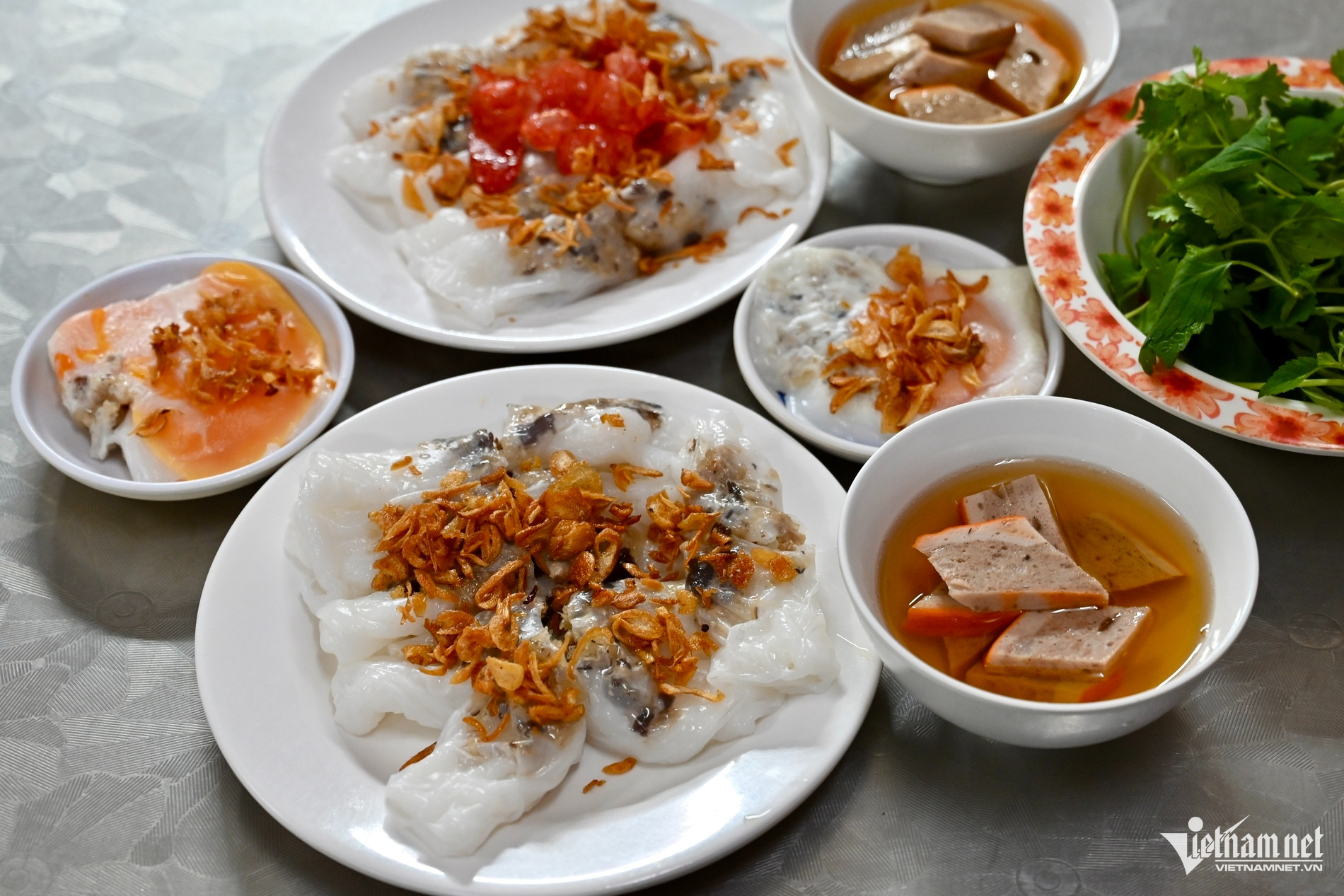
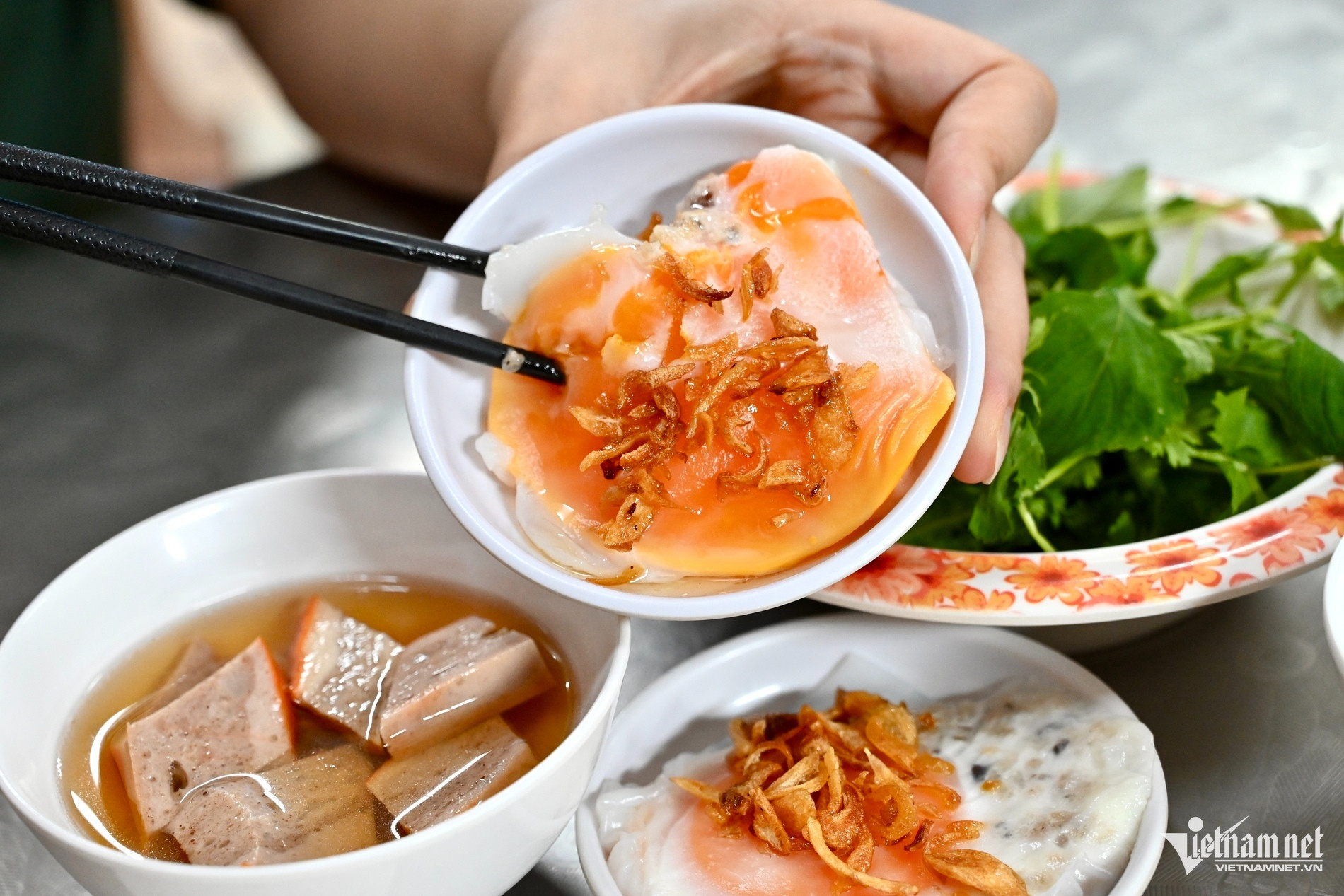
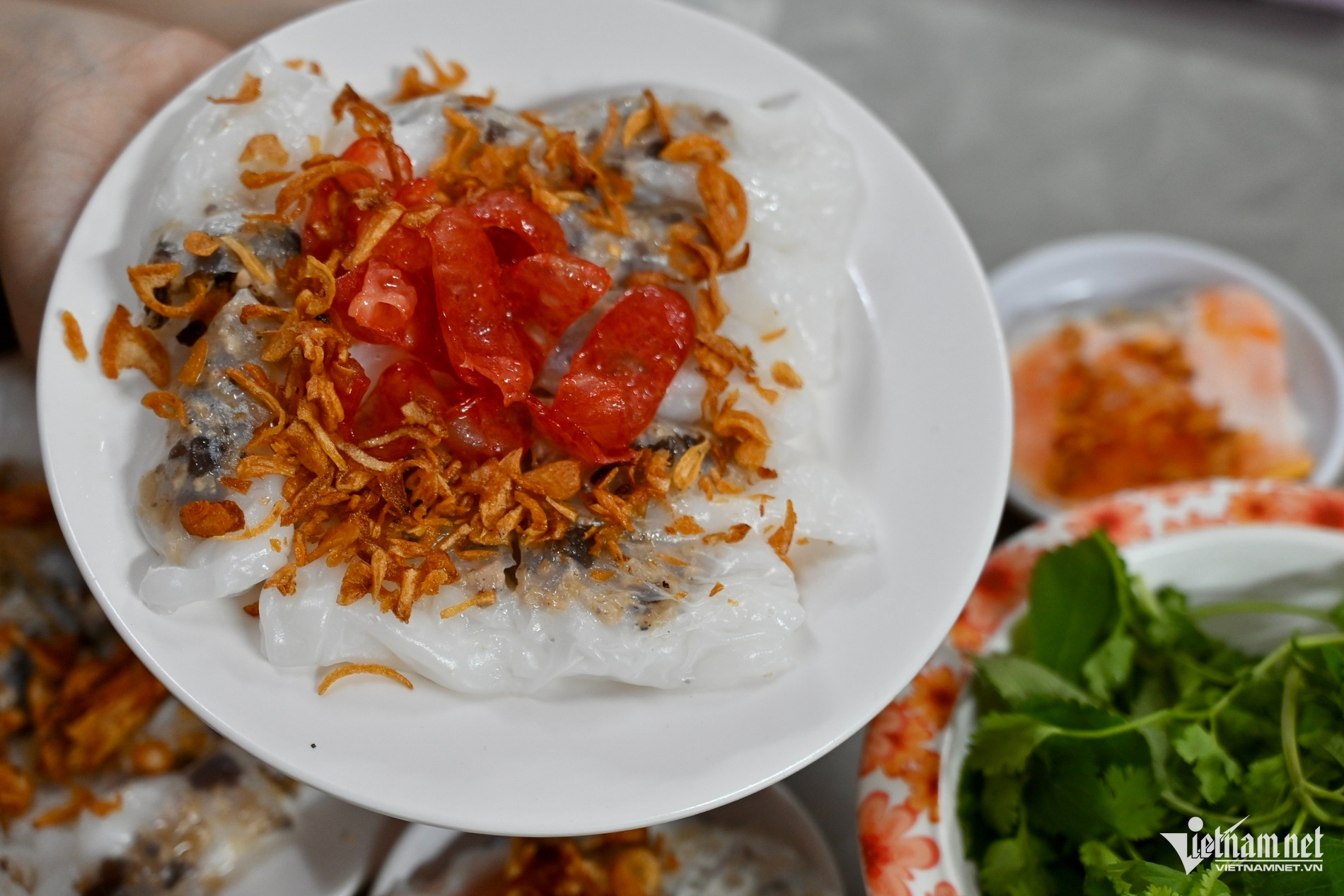
According to the owners, the sisters have preserved the preparation methods and recipes their mother taught them, without making significant changes.
They even continue to use some of the same traditional utensils.
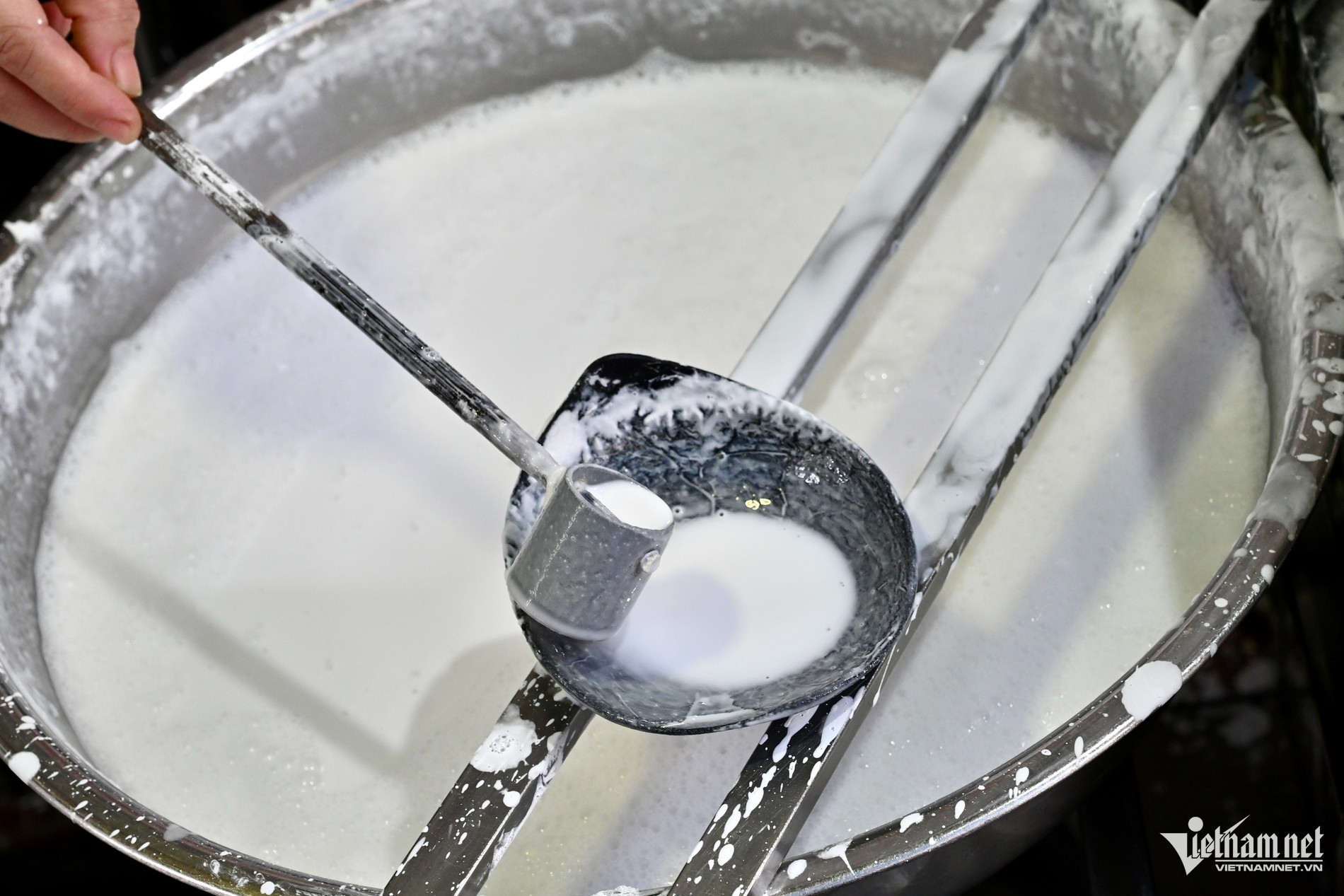
"We still use a simple coconut-shell ladle without a handle to measure and spread the batter, along with small custom-made steamers measuring just 22 centimeters in diameter," Huong explained. "Our steamers are quite unusual because most other shops use larger ones to make bigger rice sheets more quickly."
During busy periods, she has considered replacing the small steamers with larger equipment to reduce waiting times.
However, she worries that doing so might compromise the quality of the rolls.
Every afternoon, the sisters soak rice, grind it into batter at home and carefully strain the mixture.
They adjust the water content depending on the weather to achieve the right consistency.
Fresh pork comes from a trusted longtime supplier. The sisters grind it themselves, season it and stir-fry it with wood ear mushrooms and jicama.
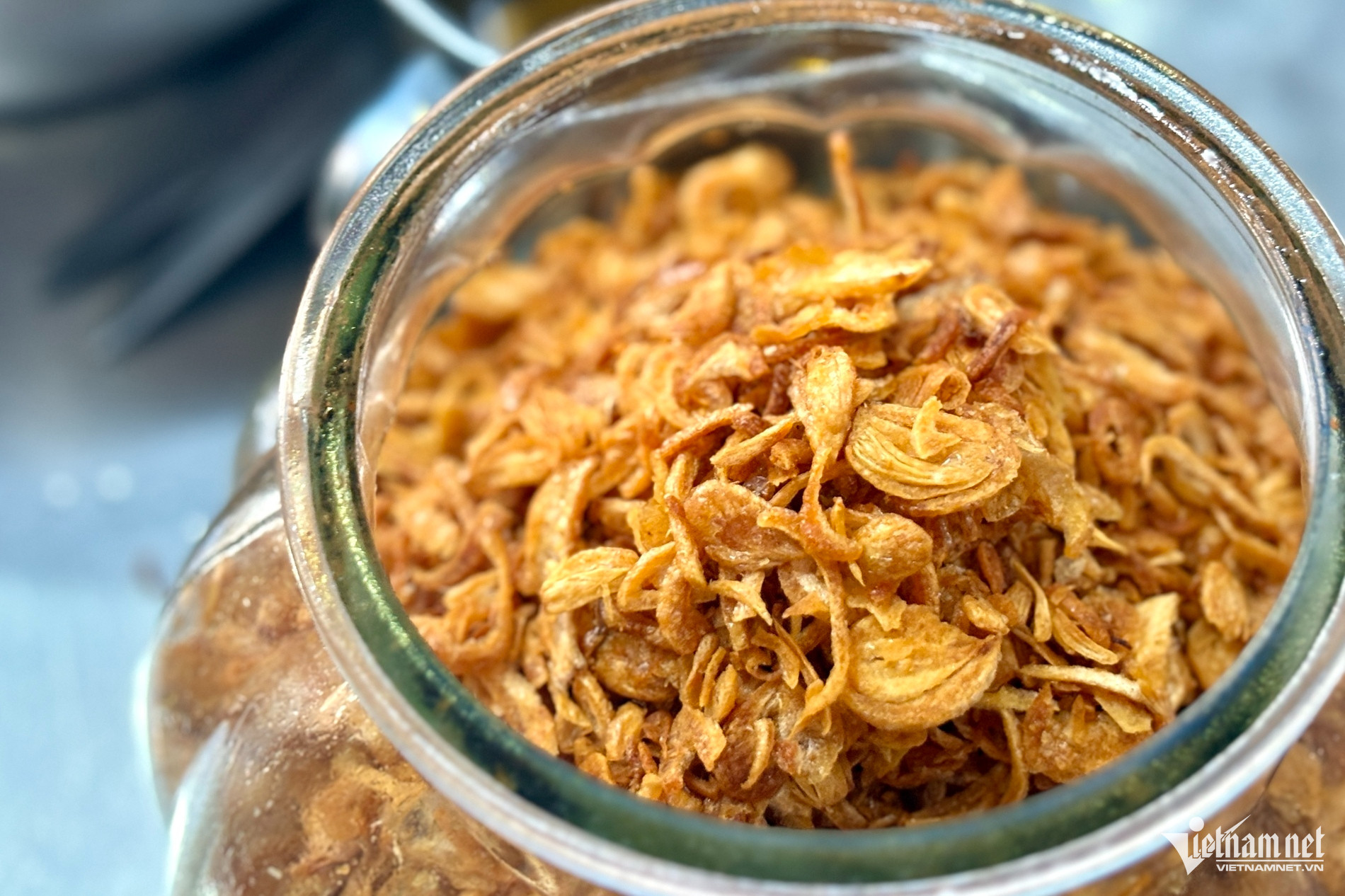
"We buy shallots, peel and slice them using a machine, but we still fry them by hand. We carefully control the heat so they become crisp and fragrant," Huong said. "The shallot oil is then brushed over the rolls, giving them a beautiful sheen and an appealing aroma."
Another distinctive feature of the shop is its dipping sauce, prepared from meat broth, fish sauce and seasonings according to a closely guarded family recipe.
The sauce is clear, light and balanced, with a gentle fish sauce aroma and neither excessive sweetness nor sourness.
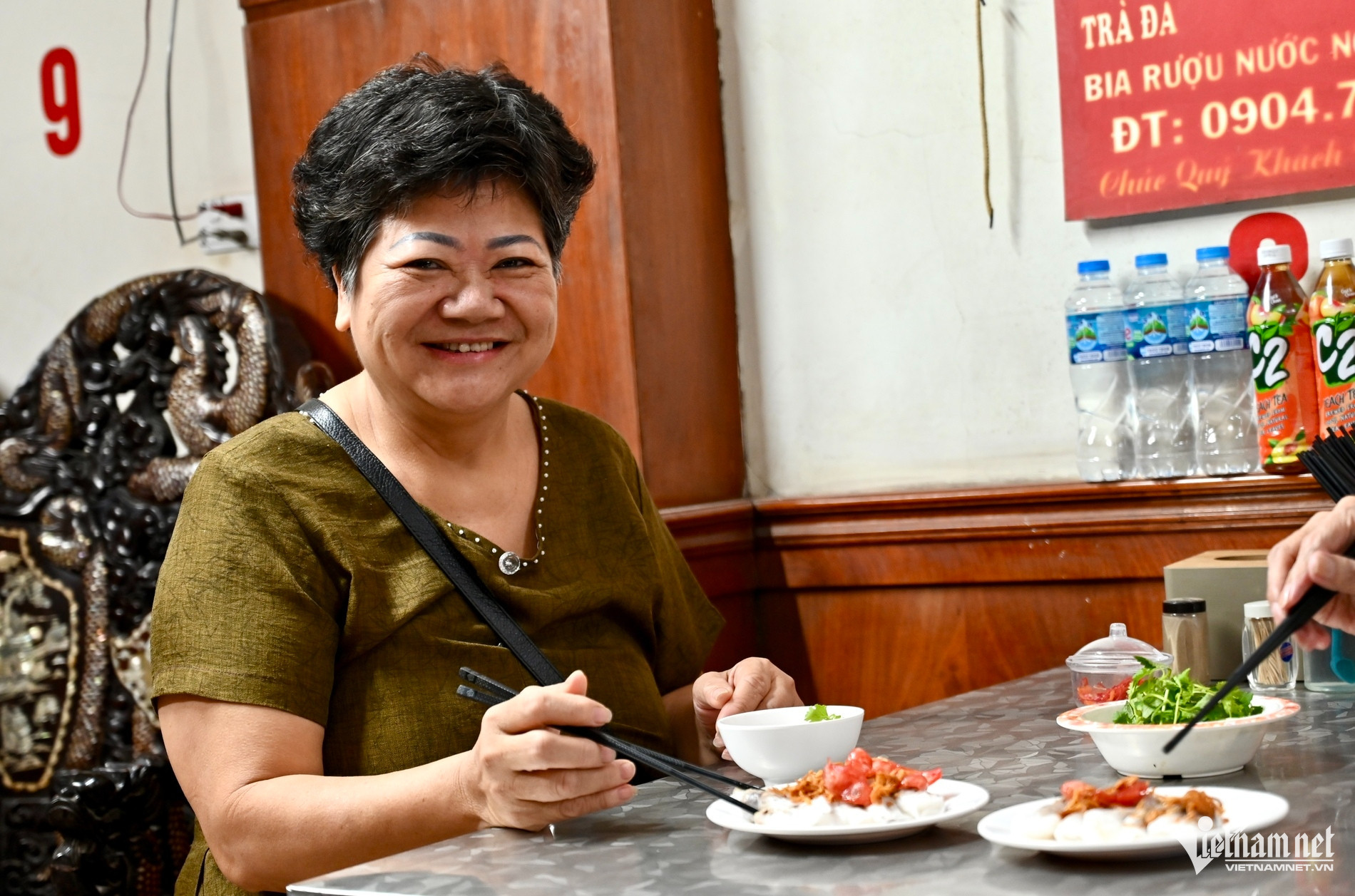
The rolls are served with Vietnamese mint, coriander, Vietnamese balm, pepper and a few slices of chili.
"Many of our customers are elderly, so we also prepare a slightly less sour version of the dipping sauce to suit their tastes," Huong explained.
Besides plain steamed rice rolls, onion-filled rolls and pork-filled rolls, customers can order steamed eggs, cinnamon-flavored pork sausage and Chinese-style sausage as accompaniments.
The eggs are cracked into small cooking containers, with some of the whites removed, before being gently steamed.
Customers can choose runny yolks or eggs cooked to around 70%, leaving the yolks rich, creamy and pleasantly soft rather than dry.
A serving of plain steamed rice rolls starts at just VND20,000 ($0.76), while pork-filled rolls cost VND30,000 ($1.14).
Additional items such as eggs, cinnamon-flavored pork sausage or Chinese-style sausage cost around VND10,000 ($0.38) each.
Huong said many customers are manual laborers who need a substantial meal before heading to work.
For these diners, she sometimes makes the rice sheets slightly thicker or adds an extra piece of pork sausage to their plates.
Among the shop's loyal customers is Hoa, a resident of O Cho Dua ward, who has been eating at Ba Loc's shop for around 40 years.
She first discovered the food when Loc was still selling from the small kiosk at the beginning of the street and continues to visit regularly.
"There are many banh cuon shops in Hanoi, but I love how the rice sheets here are thin and silky without falling apart," Hoa said. "The dipping sauce is what makes the difference. It has a beautifully balanced flavor, with the natural sweetness of simmered meat, but it never feels heavy. It goes perfectly with the rolls."
She also appreciates the affordable prices, consistent quality, cleanliness and warm hospitality of the owners.
According to Huong, some families have been visiting the shop for three generations.
Children who once came with their grandparents or parents continue returning as adults.
Other longtime customers, despite moving farther away, still make time to visit on weekends, sometimes bringing friends or business associates to introduce them to the family's cooking.
For the sisters, these enduring relationships are both a source of happiness and a powerful motivation to continue preserving their mother's traditional craft.
The shop opens daily from 6:30 a.m. to 1:30 p.m. and is often packed on weekends.
Because every rice roll is steamed and wrapped individually by hand, customers visiting during peak hours may need a little patience.
For many regulars, however, the familiar flavors and freshly prepared food are well worth the wait.
Linh Trang - Thu Hien

