 Vietnamnet.vn

 Podcast



Since expanding its administrative boundaries in 2008, Hanoi has gained vast new development space and reinforced its position as Vietnam's political, administrative, economic and cultural center.
Yet the capital is increasingly confronting the limitations of its traditional urban development model. Traffic congestion, overstretched infrastructure, deteriorating residential neighborhoods and long-delayed planning projects all point to an urgent need for a more fundamental transformation.
Hanoi must not only address today's problems but also shape a capital capable of meeting the needs and aspirations of future generations.
From a historic expansion to the need for another turning point
On August 1, 2008, Hanoi officially expanded its administrative boundaries under Resolution No. 15/2008/QH12 of Vietnam's 12th National Assembly, bringing its total area to 334,470.02 hectares, or approximately 3,344.7 square kilometers.
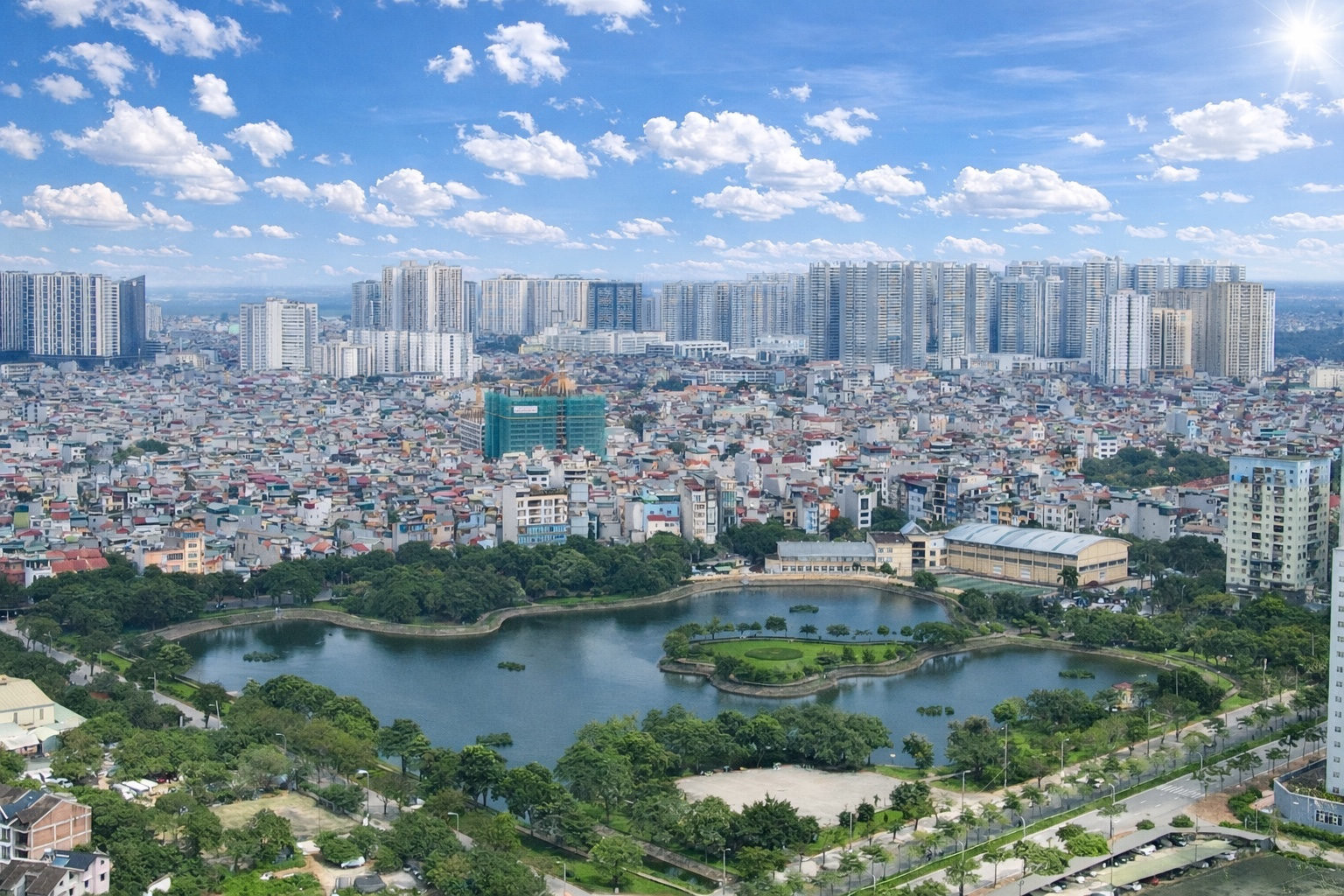
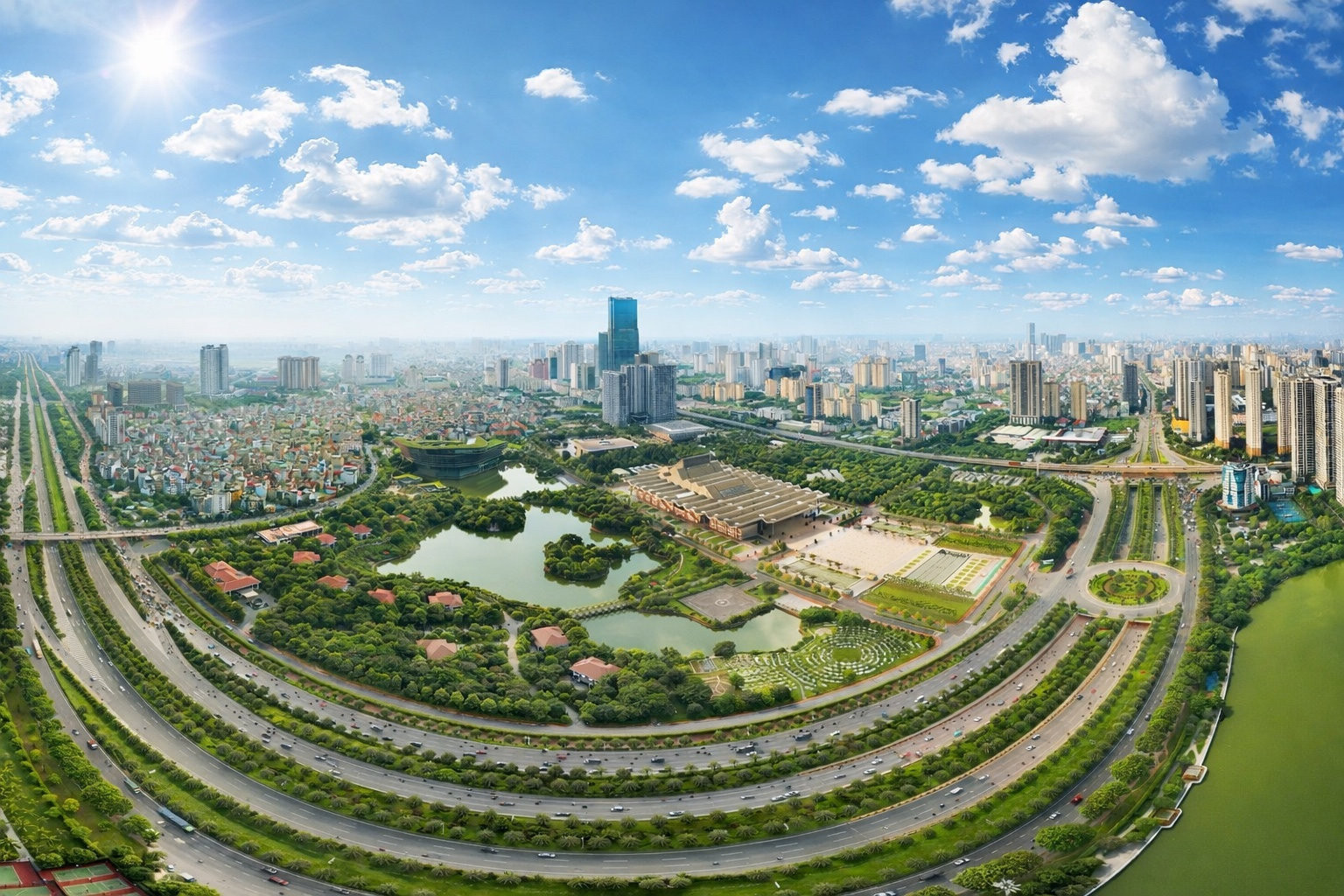
More than a geographical expansion, the strategic decision created opportunities to reorganize the capital's development space, linking its urban core with suburban areas, satellite towns and emerging economic corridors.
Nearly two decades later, Hanoi's appearance has changed dramatically.
Once constrained by relatively limited space, the capital gained the capacity to reorganize urban, industrial and service areas, develop transport networks and preserve extensive ecological zones.
New roads, modern residential developments, bridges spanning major rivers and other infrastructure projects have gradually transformed the city's landscape.
These achievements are undeniable.
But urban development is not simply a matter of building wider roads, taller buildings or more residential complexes.
The ultimate measure of a modern city must be the quality of life it offers residents, how efficiently it uses available resources and whether its development can be sustained over time.
Measured against those standards, Hanoi still has considerable work to do.
In some areas, housing construction has advanced rapidly while transport infrastructure, schools, hospitals and public spaces have struggled to keep pace.
Other neighborhoods face persistent environmental problems, inadequate drainage and shortcomings in fire prevention and safety.
Meanwhile, land designated for development has remained tied up in planning projects for years, preventing resources from being used efficiently and disrupting residents' lives.
These shortcomings do more than undermine living standards. They also impose growing economic and social costs.
More importantly, many of these problems cannot be solved through isolated measures.
Widening a road may ease congestion at one location without addressing traffic pressure across the surrounding area.
Building more apartment towers may help meet housing demand, but without sufficient schools, parks and public transport, such developments can create new pockets of overcrowding.
Hanoi therefore needs to move beyond simply expanding its urban footprint.
It must reorganize the city through a more scientific, coordinated and long-term approach.
That is the fundamental difference between expanding a city and renewing it to improve the quality of development.
Urban renewal does not mean erasing the past
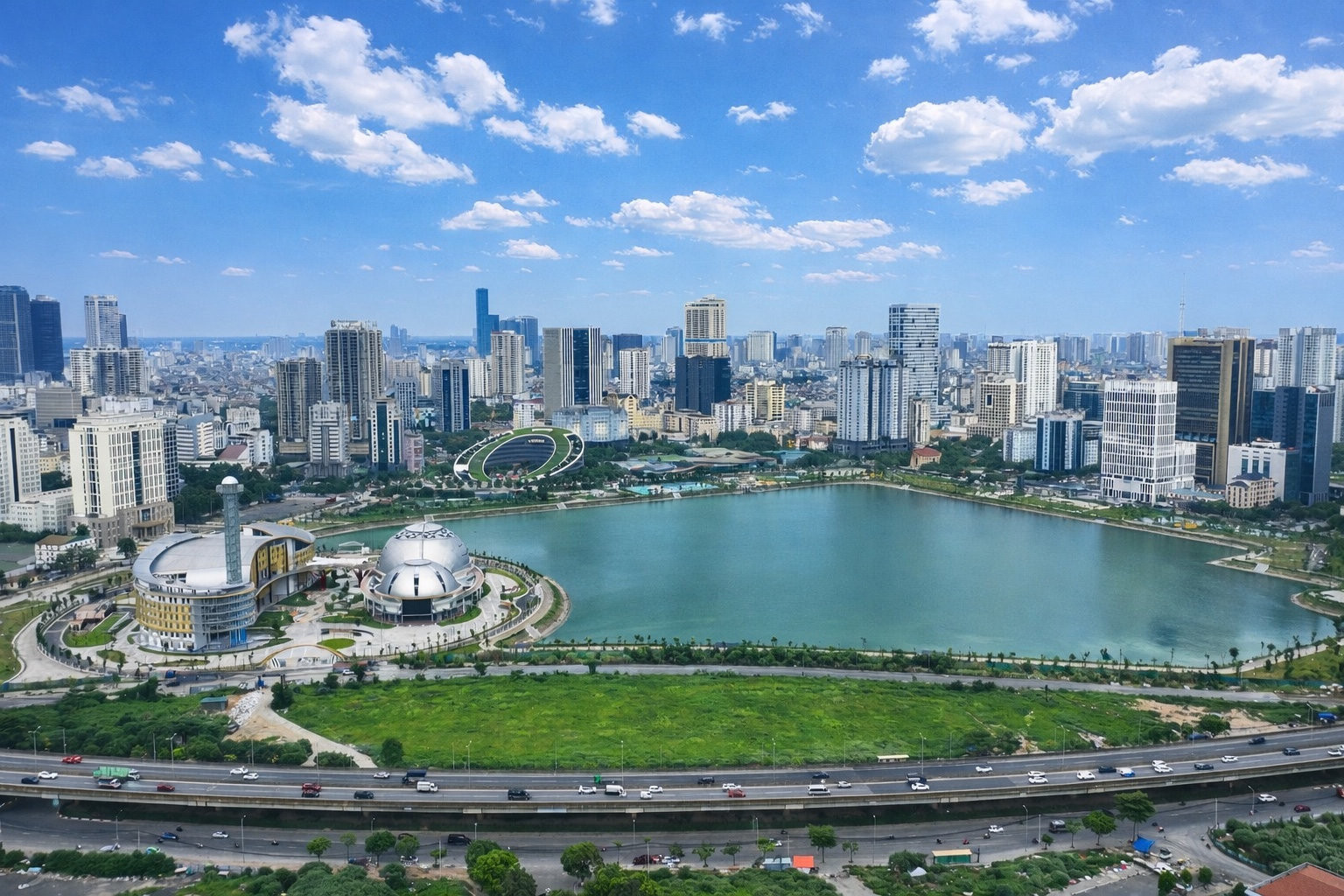
The first principle of urban renewal must be clearly understood: redevelopment does not necessarily mean demolishing existing neighborhoods to make way for new buildings.
For a city with more than a thousand years of history, Hanoi cannot pursue modernization at the expense of the heritage and character that make it distinctive.
The capital needs modern urban spaces, but it must also preserve its collective memory.
It needs major transport corridors, but it must protect cultural spaces, landscapes and the environment.
It needs dynamic economic centers, but these must be complemented by livable neighborhoods, accessible schools, hospitals and parks that serve everyday needs.
Meaningful urban renewal must achieve three objectives simultaneously: resolving accumulated problems, making better use of existing resources and creating new opportunities for development.
This is not merely a question of architecture or construction.
It is equally a challenge of urban governance, public policy, resource allocation and building social consensus.
A modern city cannot emerge from attractive architectural drawings alone.
It takes sound policy decisions, effective implementation and genuine participation from the people who live there.
Opportunities will not turn into results on their own
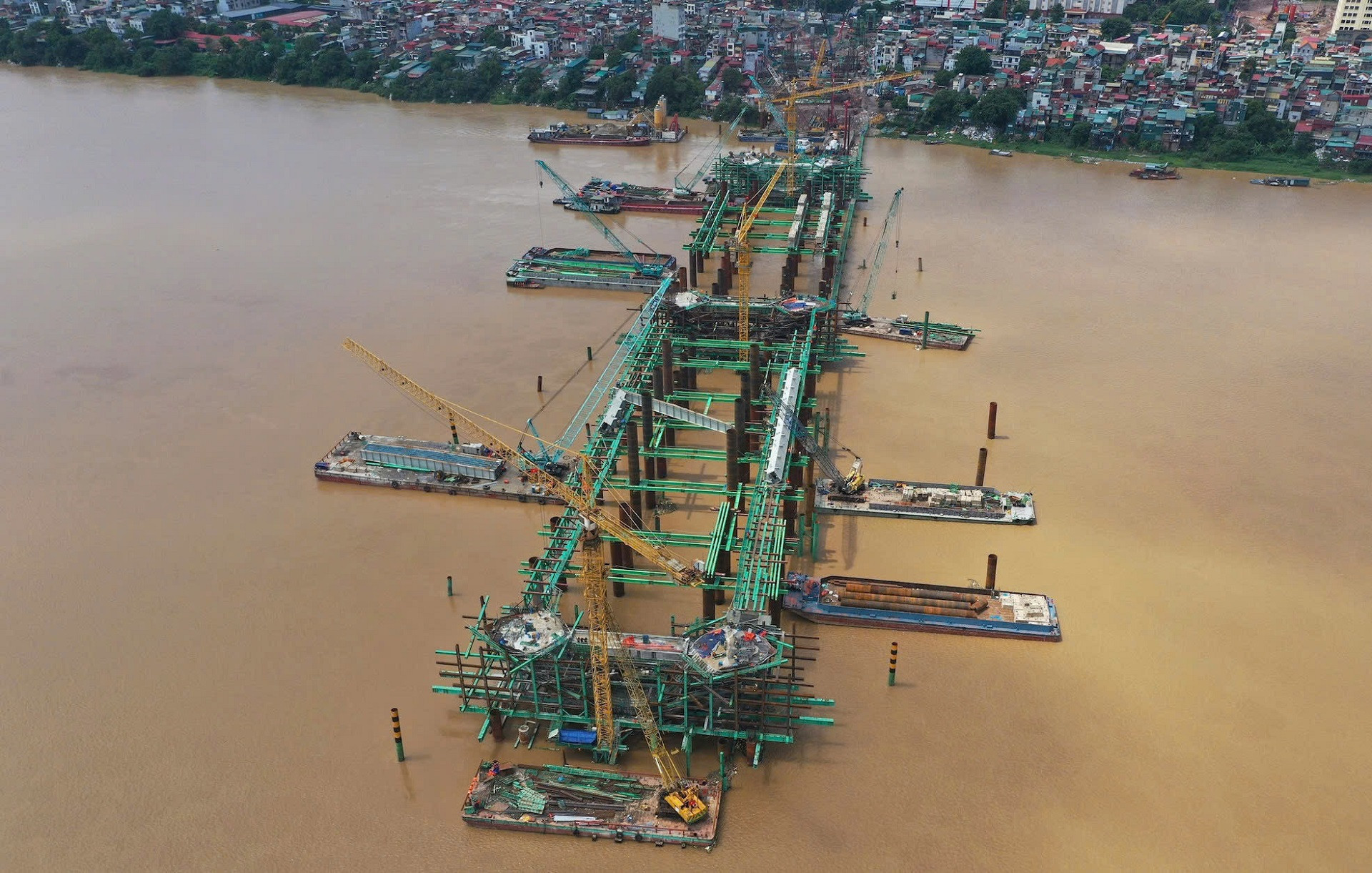
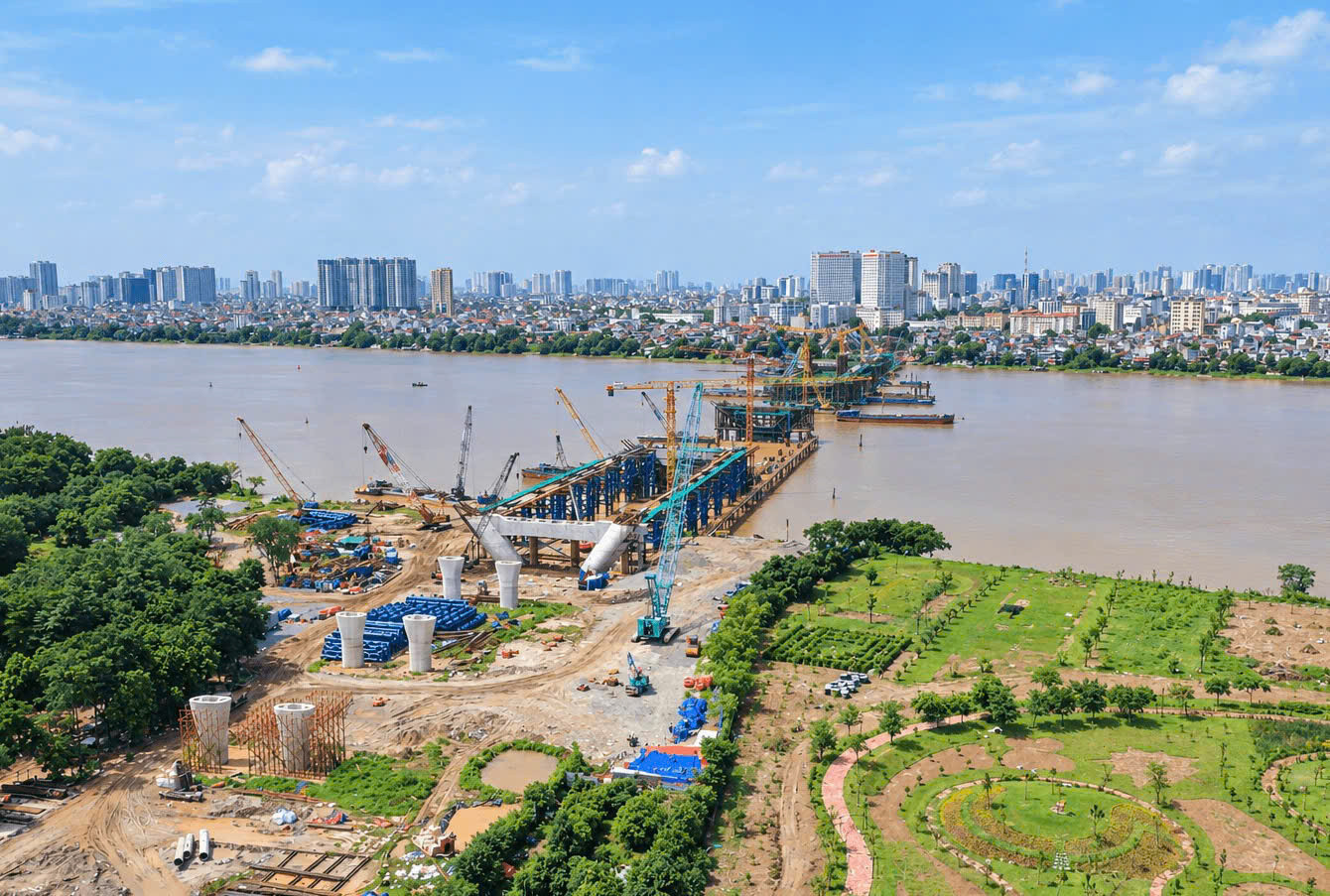
Hanoi now has new conditions that could allow it to pursue urban renewal on a larger and more coordinated scale.
Long-term planning strategies, improvements to the institutional framework governing the capital's development, and investment programs for transport infrastructure and urban improvements are opening possibilities for reorganizing the city's development space.
However, favorable policies and mechanisms are only the necessary starting point.
What ultimately matters is the ability to turn policy commitments into completed infrastructure, better public services and tangible improvements in daily life.
An urban renewal project has meaning only when it effectively resolves the problems affecting the area concerned.
A new residential development creates lasting value only when its residents gain better access to essential social infrastructure.
An urban railway can fulfill its potential only when passengers can conveniently connect between their homes, workplaces and essential services.
The renewal process must also balance the interests of the state, residents and businesses.
The state must safeguard the public interest and ensure sustainable development.
Businesses need a transparent, practical and predictable investment environment.
Residents must have access to adequate information, opportunities to contribute their views and protection for their legitimate rights and interests.
No urban renewal effort can truly succeed if the people most directly affected cannot see how it will improve their own futures.
Turning ambitious visions into changes people can feel
Hanoi residents do not judge the capital's development solely by the amount of investment it attracts or the number of projects it launches.
What they expect are practical improvements that make everyday life easier.
They want more convenient journeys, cleaner air and healthier surroundings.
They want their children to attend better schools, older people to have accessible places for social activities, and families to live in safe, well-managed neighborhoods.
Every urban renewal program should therefore begin with a fundamental question: How will residents' lives improve once the project is completed?
Simple as it may sound, this question should guide every stage of the process, from urban planning and project selection to investment decisions and performance assessment.
Urban renewal cannot be concerned only with changing the city's physical appearance.
More importantly, it must bring measurable improvements in living standards and the quality of urban governance.
A sustainable Hanoi is not a city that expands endlessly at any cost.
It is one that knows how to use every piece of land, every investment resource and every development opportunity effectively.
A responsibility to the capital's future
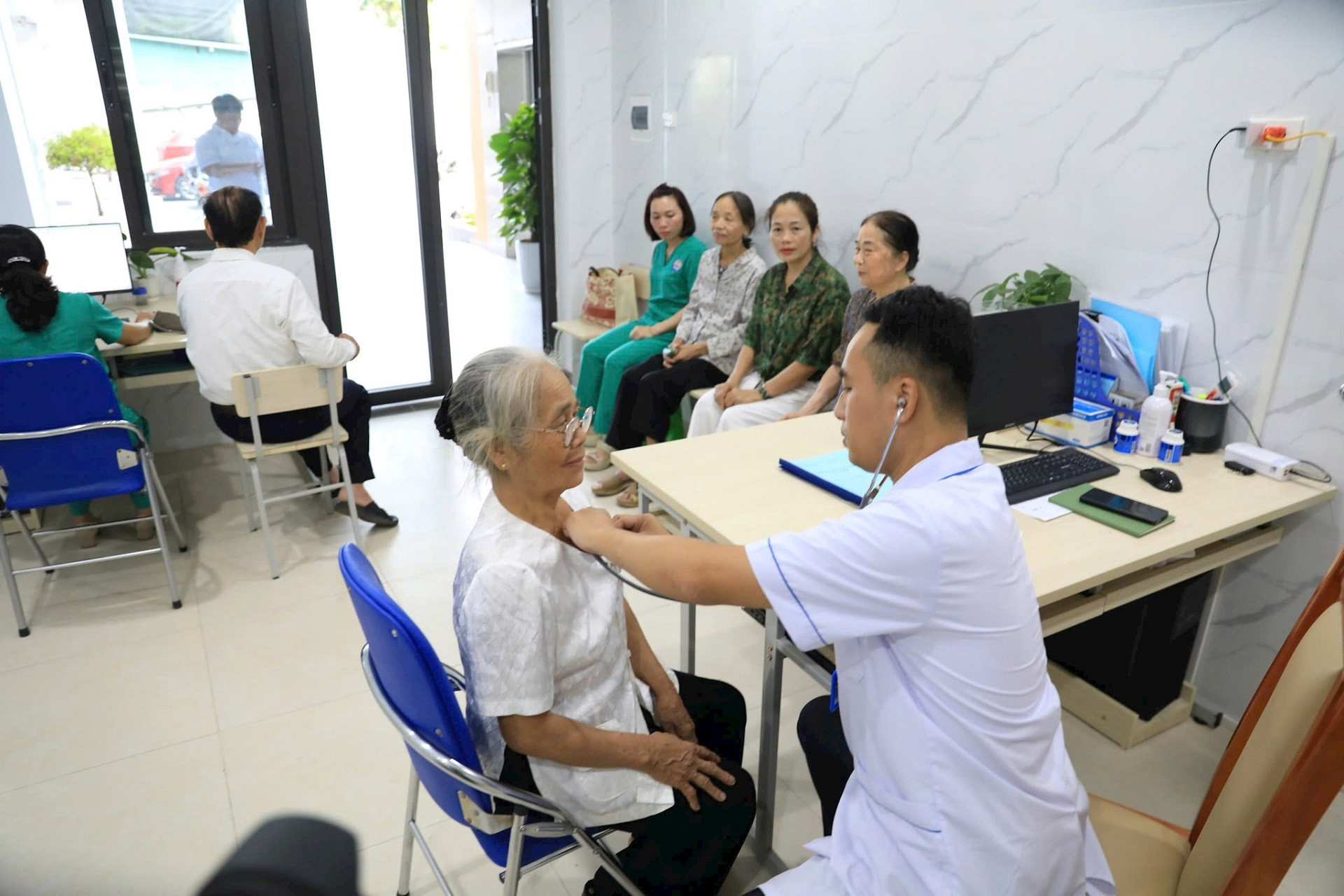


Eighteen years ago, Hanoi reached a historic turning point with the expansion of its administrative boundaries.
Today, the capital faces the need for another transformation, this time focused on the quality of its development.
If the 2008 expansion created more room for Hanoi to grow, the next phase of urban renewal must create greater value within that space.
This will be a difficult undertaking, requiring substantial resources, fresh thinking and persistent efforts to turn plans into reality.
But difficulty cannot justify postponing problems that already demand solutions.
The longer urban shortcomings remain unresolved, the greater their potential economic and social costs.
Conversely, sound decisions made today can generate benefits for decades to come.
Hanoi needs to develop faster, but it cannot sacrifice living standards in the pursuit of speed.
It needs to become more modern without losing its identity.
It must mobilize significant investment while ensuring transparency, accountability and efficiency.
The success of urban renewal should not be measured by how many new structures are built, but by how many longstanding problems are resolved, how many new opportunities are created and how much lasting value is passed on to future generations.
A genuinely successful transformation is not defined by the number of new buildings rising across the skyline.
It is measured by the removal of old obstacles and the creation of new value for communities.
That would be a turning point worthy of a capital with more than a thousand years of cultural and historical heritage.
Hanoi must move beyond simply expanding the space available for development and begin creating greater value in every part of the city, making the capital a better place to live for all its residents.
This is not only a development challenge for the present generation.
It is also a responsibility to Hanoi's thousand-year heritage and to those who will inherit the city in the decades ahead.
Hanoimoi
.svg)
