 Vietnamnet.vn

 Podcast



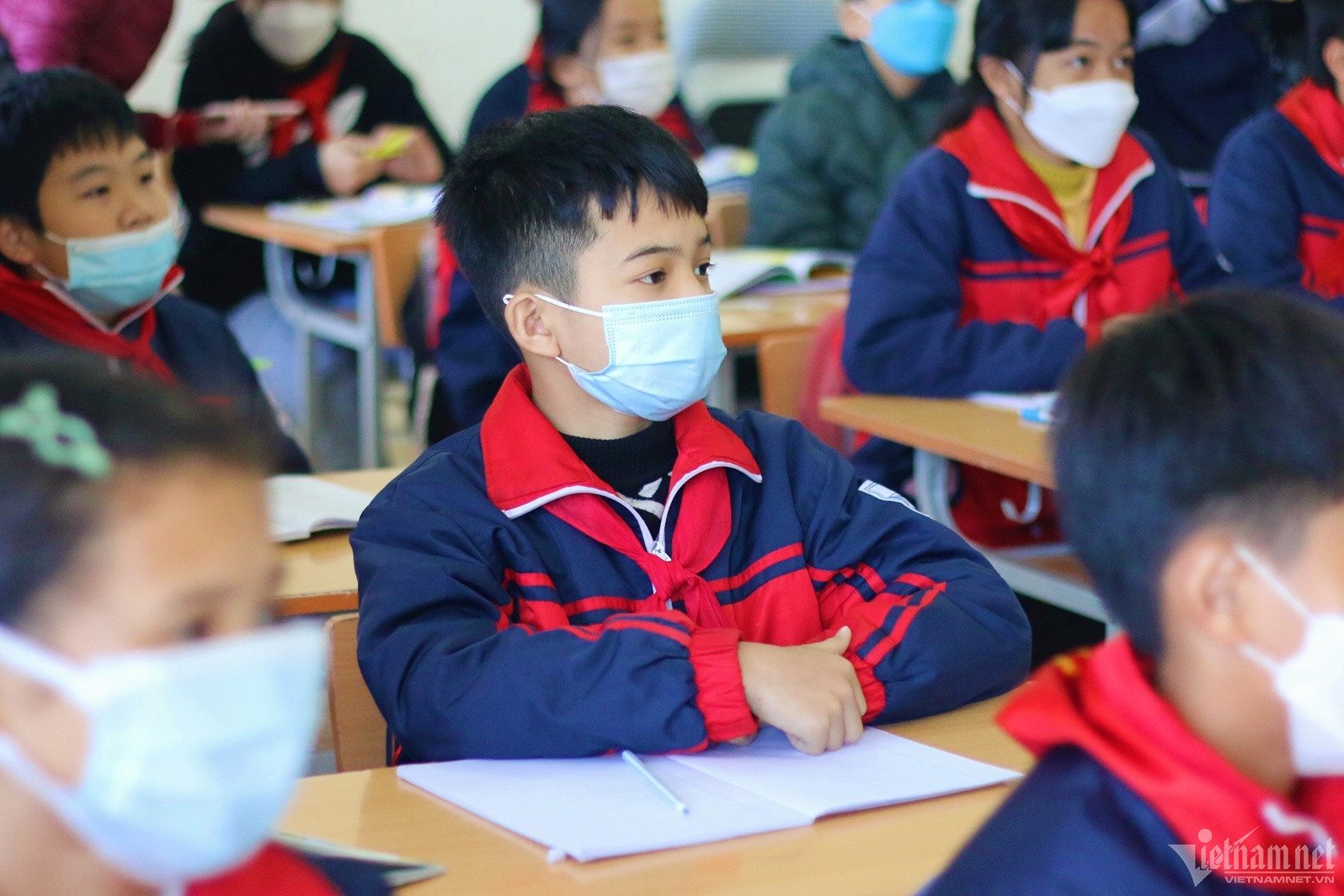
Hanoi has issued an urgent directive to the Department of Education and Training, instructing schools to suspend or adjust teaching and work schedules if air quality becomes hazardous, specifically when the Vietnam Air Quality Index (VN_AQI) reaches or exceeds 301.
This move is part of a broader emergency response outlined in an official document from the Hanoi People’s Committee, calling for intensified measures to control environmental air pollution across the city.
Schools told to limit outdoor activities
The Department of Education and Training has been directed to notify and guide all schools to limit outdoor activities during timeframes and days when the air quality is rated as “Unhealthy” or worse.
In the event of severe pollution (VN_AQI ≥ 301), schools must suspend or reschedule in-person activities to safeguard students and staff.
Environmental agencies to tighten monitoring
The Department of Agriculture and Environment will lead efforts to monitor real-time air quality via local observation stations and provide public updates through the official website: https://moitruongthudo.vn.
This department is also tasked with strengthening surveillance and enforcement to prevent open burning practices such as waste burning, straw burning, and agricultural byproduct incineration.
In addition, technical guidelines will be issued for waste management and sanitation protocols, especially for solid waste treatment zones, to ensure no dust or odors are released during processing.
Environmental contractors and service providers will be closely monitored to ensure compliance with waste collection, transport, and treatment standards, in coordination with ward-level authorities and enforcement forces.
Construction sites under strict dust control
The Department of Construction must require 100% of construction sites to implement dust control measures, including vehicle washing stations, perimeter shielding, and water misting systems.
All loose construction waste must be tightly sealed or bagged at collection points and during transport.
Construction zones must also cover exposed ground surfaces - even tree roots, sidewalks, and public buildings - with green materials or specialized coverings.
Projects larger than 10,000 square meters must be equipped with automated dust monitoring systems using sensors, cameras, and AI technology.
Dust-reducing mist systems will also be tested in residential areas, parks, and on roads.
Authorities will conduct site inspections and have the authority to suspend operations for any site found violating environmental regulations or causing significant dust emissions.
The department will not issue permits for road or sidewalk excavation (except for emergency cases) during the year-end period if air pollution remains high.
Religious and public awareness campaigns
The Department of Ethnic and Religious Affairs has been tasked with launching a city-wide campaign to curb the burning of votive paper offerings at religious and cultural sites.
It will also prepare a long-term public education strategy aimed at changing cultural practices and eventually ending the burning of votive paper altogether.
Health ministry outlines public safety measures
The Department of Health will develop public health communications in collaboration with media and local authorities.
People - especially the elderly, children, and those with respiratory illnesses - are advised to avoid outdoor activities, especially in the early morning and at night, and to wear masks during periods of high pollution.
Hospitals and health centers in polluted zones are required to prepare medical equipment and supplies for a potential surge in respiratory illnesses, particularly during temperature inversions when pollution levels worsen.
Ward-level enforcement and cleanup efforts
Ward and commune authorities are fully responsible for air quality management, including overseeing pollution sources such as dust and exhaust emissions.
They must respond to incidents promptly or escalate the matter to higher-level agencies for resolution.
Ward leaders will be held personally accountable by the city's chairman if serious pollution incidents occur within their jurisdiction.
Local police are instructed to lead enforcement operations to eliminate illegal waste burning, straw incineration, and agricultural byproduct fires.
The use of charcoal honeycomb stoves must also be completely discontinued.
Round-the-clock street cleaning
Depending on local pollution levels, ward leaders are authorized to increase sanitation activities, including sweeping, vacuuming, and water-spraying key traffic routes, especially during low-traffic hours (nighttime and before 6 AM).
These measures aim to reduce dust accumulation before peak commuting hours and prevent traffic congestion caused by cleaning operations.
Thanh Hung
.svg)
