 Vietnamnet.vn

 Podcast



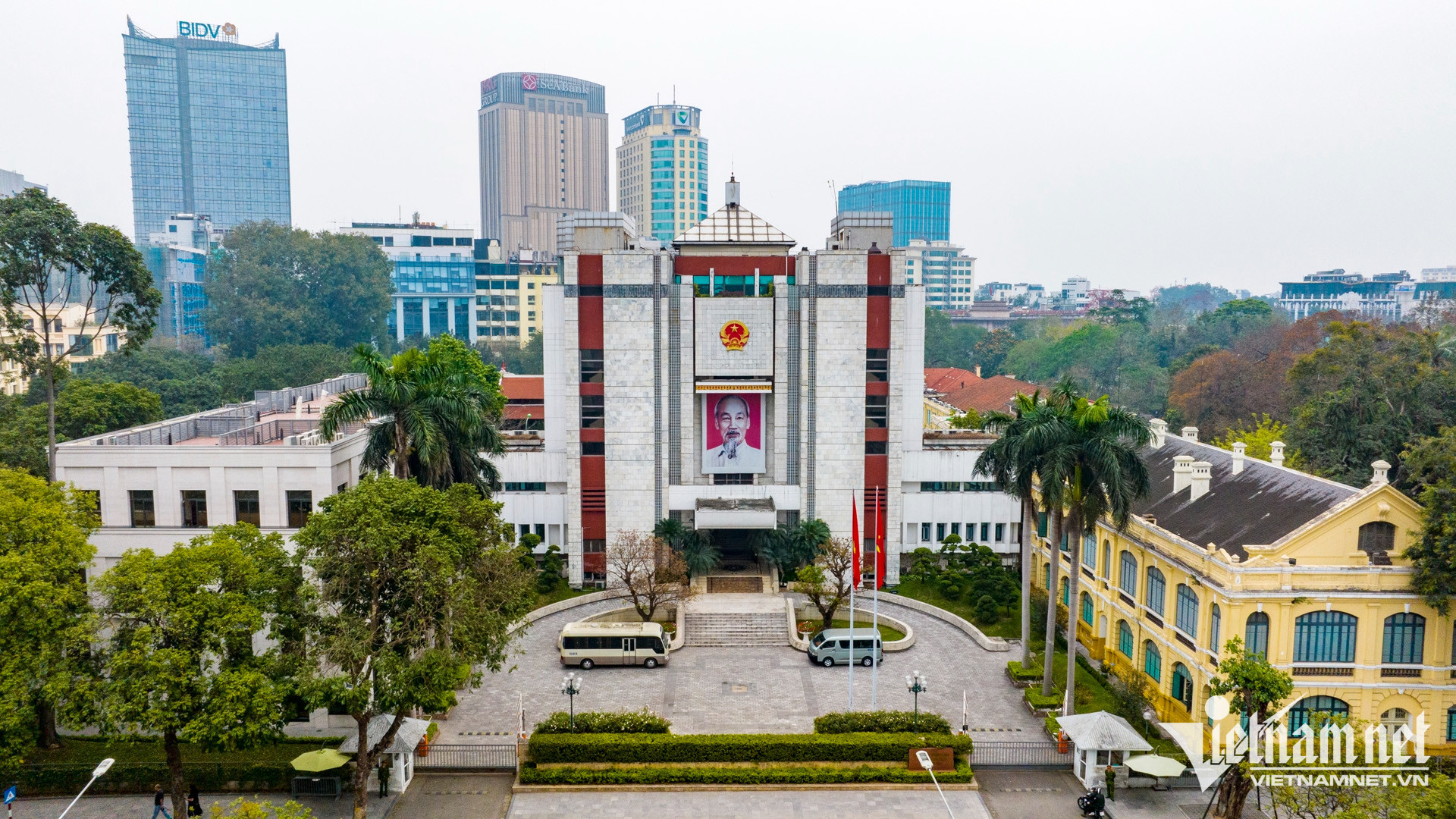
The Vietnamese government has issued Decree No. 300/2025, specifying the maximum number of vice chairpersons for provincial-level People’s Committees depending on the type and administrative classification of each locality.
According to the decree, Ho Chi Minh City is permitted up to eight vice chairpersons for its People’s Committee, while Hanoi is limited to five. Other provinces and cities will be allowed between three and seven, depending on their administrative status and recent restructuring.
Administrative units formed after mergers
HCMC: No more than 8 vice chairpersons.
Cities formed by merging three provincial-level units: Up to 7 vice chairpersons.
Cities formed by merging two provincial-level units: Up to 6 vice chairpersons.
Provinces formed by merging two provinces (at least one classified as type-1): Up to 6 vice chairpersons.
Provinces formed by merging two provinces (both type-2 or type-3): Up to 5 vice chairpersons.
Administrative units not involved in restructuring
Hanoi: Up to 5 vice chairpersons.
Hue: Up to 4 vice chairpersons.
Type-1 provinces: Up to 4 vice chairpersons.
Type-2 and Type-3 provinces: Up to 3 vice chairpersons (or 4 if upgraded to type-1 after November 17, 2025).
The decree also includes provisions for exceptions. If a province or city has an official resolution from the National Assembly or other competent authority allowing a different number of vice chairpersons, those take precedence.
Vice chairpersons appointed through the Politburo or Secretariat’s personnel transfer programs will not be counted within the limit.
In provinces formed through mergers with more vice chairpersons than permitted at the end of the 2021–2026 term, those numbers can be retained at the start of the 2026–2031 term. However, these provinces must gradually reduce the number to comply with the decree by July 2030 - unless otherwise specified by higher authorities.
Vice chairpersons at commune level
The decree also introduces a standard cap for commune-level UBND vice chairpersons, averaging no more than 2.5 per commune across a province.
Provincial authorities will determine the number per commune based on factors such as geographic area, population size, administrative classification, local economic development, and practical governance needs - but may not exceed the total quota allocated to the province.
Structure of People’s Committees membership
Provincial-level People’s Committees members include heads of provincial departments and representatives from the military and police forces.
Commune-level People’s Committees members include local agency heads and military and police representatives.
The number of People’s Committees members who are department heads will follow separate government regulations on the organizational structure of provincial and commune-level People’s Committees.
Tran Thuong
.svg)
