 Vietnamnet.vn

 Podcast


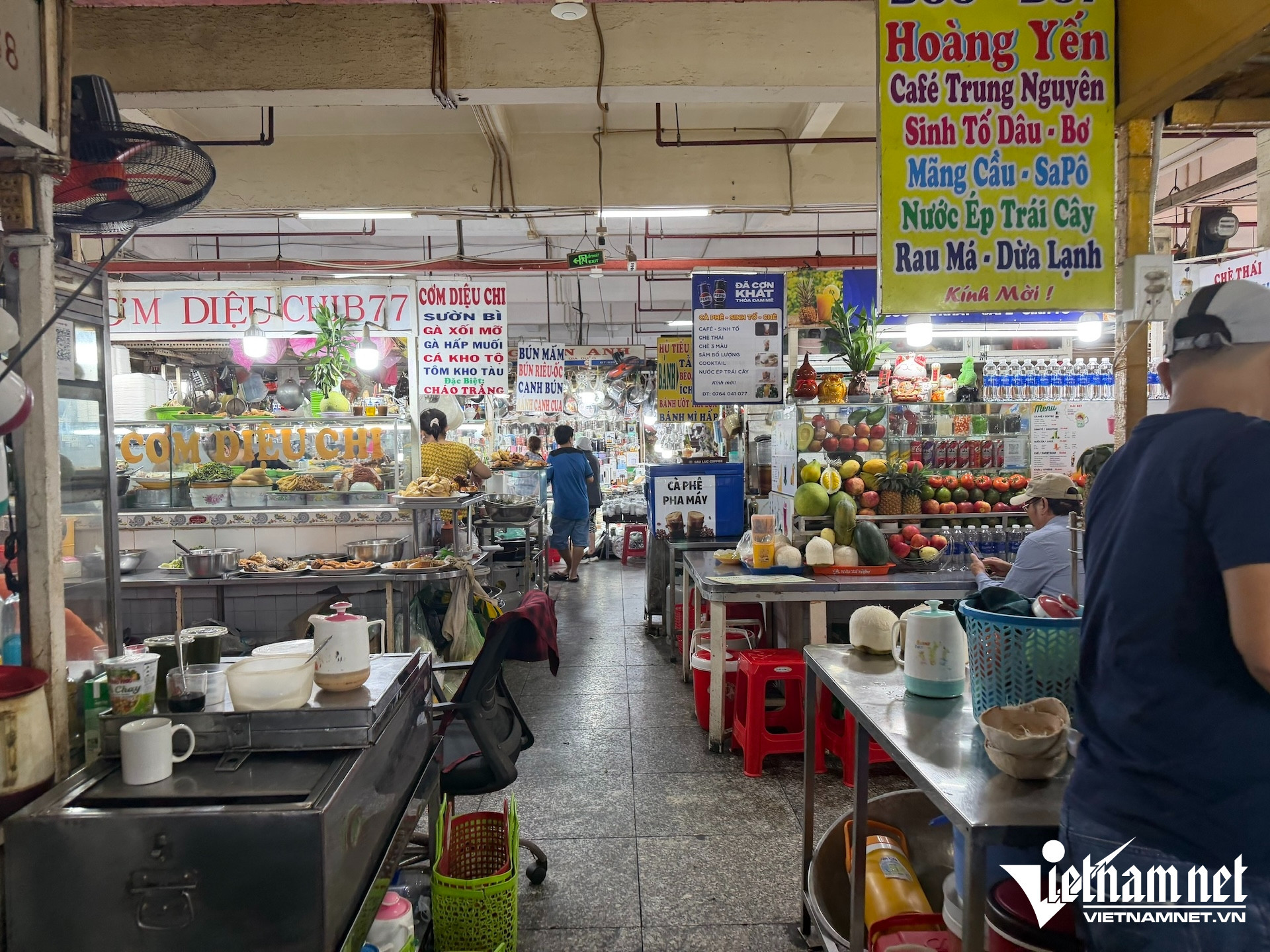
For example, VND45,000 is the price of a bowl of pork knuckle noodle soup that Phan, who runs an eatery in An Nhon Ward, HCMC, has maintained since the latest price increase in January 2026.
She said ingredients such as noodles, meat, herbs and seasonings alone account for 50 percent of the selling price. Another 25 percent goes toward rent, labor, electricity, water, gas, taxes and fees, leaving only a modest profit.
According to Phan, running an eatery is no longer simply a matter of setting up a street stall and selling food informally. Business owners now also have to shoulder additional costs to comply with legal regulations.
"Although lower fuel prices have brought slight reductions in some ingredients compared with their peak levels, overall input costs remain higher than they were at the same time last year.
"For example, a 1kg of plastic bags cost VND34,000 at the beginning of the year but now costs VND45,000. That makes it difficult for eateries to lower their prices even if they want to," she explained.
Similarly, at a budget rice eatery on Phan Huy Ich Street in An Hoi Tay Ward, HCMC, notices announcing price increases for bitter melon soup and sour snakehead fish soup, as well as a rise in braised pork from VND40,000 to VND45,000 per serving, remain in place despite repeated fluctuations in fuel, gas and even vegetable and meat prices.
T., the eatery's owner, said blaming higher prices on rising fuel costs was simply the quickest and briefest explanation whenever prices were adjusted. In reality, business owners consider many factors when deciding to raise prices, although she did not rule out that some sellers might use market fluctuations as an excuse to increase them.
Since early November, electricity and fuel prices have fallen, raising hopes of easing household spending pressures. However, observations at several budget eateries in HCMC show that prices of many dishes remain high.
Flexible policy measures needed
Explaining the phenomenon, Do Duy Thanh, director of FnB Director Consulting and founder of Horeca Business School, said menu prices are made up of multiple accumulated expenses, including ingredients, labor, rent, electricity and water, packaging, platform fees and management costs.
As a rough estimate, fuel and energy account for only a modest share of operating costs: around 2-5 percent at ordinary eateries and 5-7 percent at air-conditioned establishments. Fuel prices also affect businesses only indirectly through transport costs.
Therefore, a closer look at the actual operating structure of the food and beverage (F&B) sector shows that menu prices do not simply depend on fluctuations in the price of a few liters of fuel, a bunch of vegetables or a kilogram of meat.
Thanh said the main reason F&B prices are so difficult to bring down is that major fixed costs, such as rent, employee salaries and sales fees, are relatively inflexible and do not fall correspondingly. As a result, savings from lower fuel prices are too small to significantly reduce overall costs.
Moreover, fuel price fluctuations are often short-term. Repeatedly changing listed prices would disrupt business operations and affect customer perceptions.
Therefore, a small change in the prices of goods or fuel is usually not enough to reduce total costs and bring selling prices down.
"I don't think we can expect pho, noodle soup, rice dishes or coffee to become cheaper across the board simply because fuel prices have fallen. Individual businesses may offer promotions, budget meal sets or adjust the prices of certain dishes if business conditions allow.
In the long term, to keep prices reasonable, businesses need to control portion sizes, reduce waste, optimize processes and organize procurement more efficiently," Thanh said.
According to Tran Minh Tri, a lecturer at the Faculty of Economics at HCMC University of Agriculture and Forestry, the cost of an ordinary product has six components: direct material costs, labor costs, general production overheads, selling expenses, administrative expenses and interest expenses.
Fuel prices directly affect three components: selling expenses, material costs and general production overheads. The remaining components barely decline and may even rise to offset inflation. This creates a price floor that makes it difficult for goods prices to fall significantly even when energy costs decrease.
Another factor cited by Tri is consumer psychology. People are still compelled to buy essential goods even when prices are high.
Thu Ha

