 Vietnamnet.vn

 Podcast



Nestled at the foot of Lung Cu flag tower in Tuyen Quang, beyond the well known Lo Lo Chai village lies another poetic hamlet that preserves the distinctive cultural identity of the Mong people - Then Pa village.
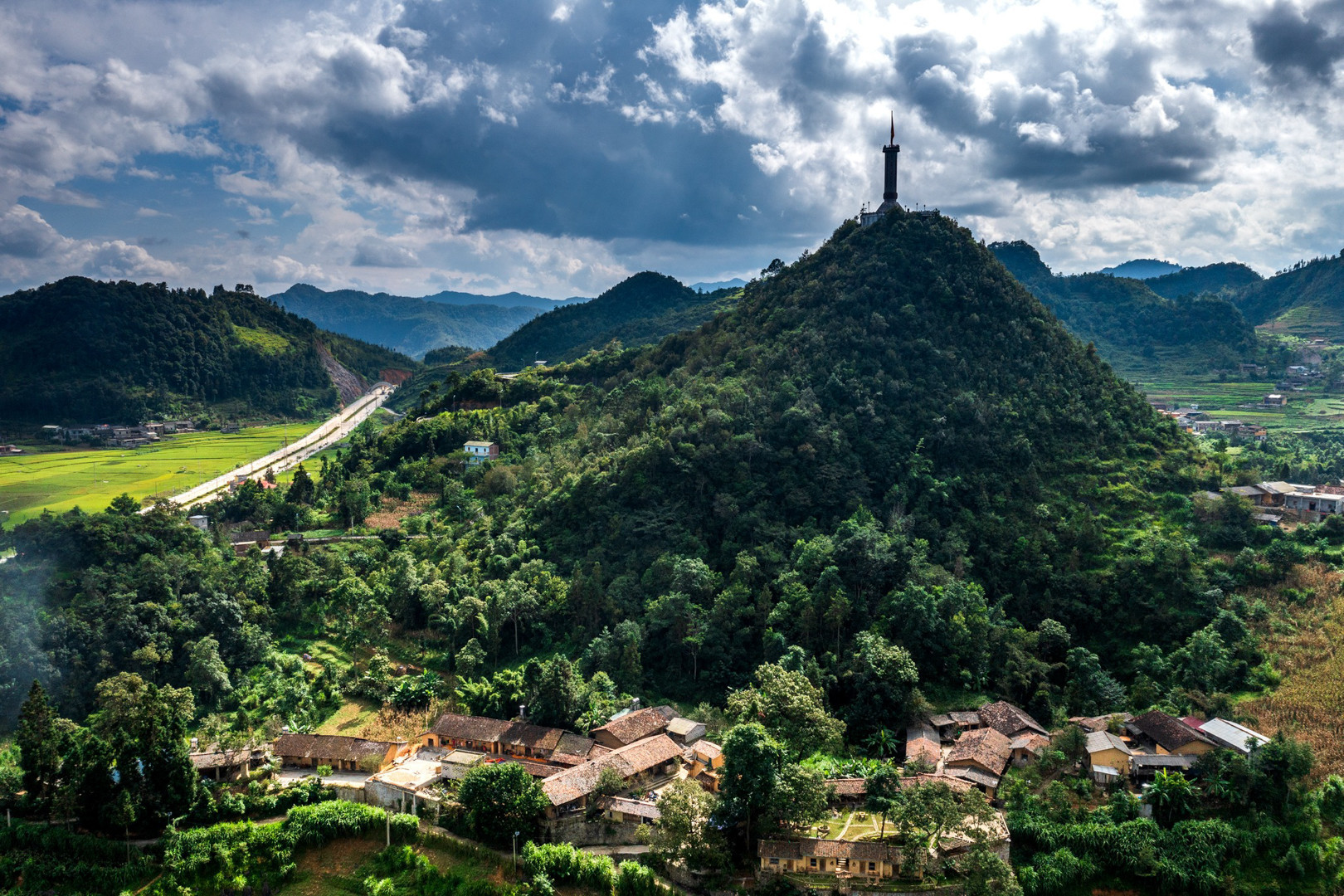
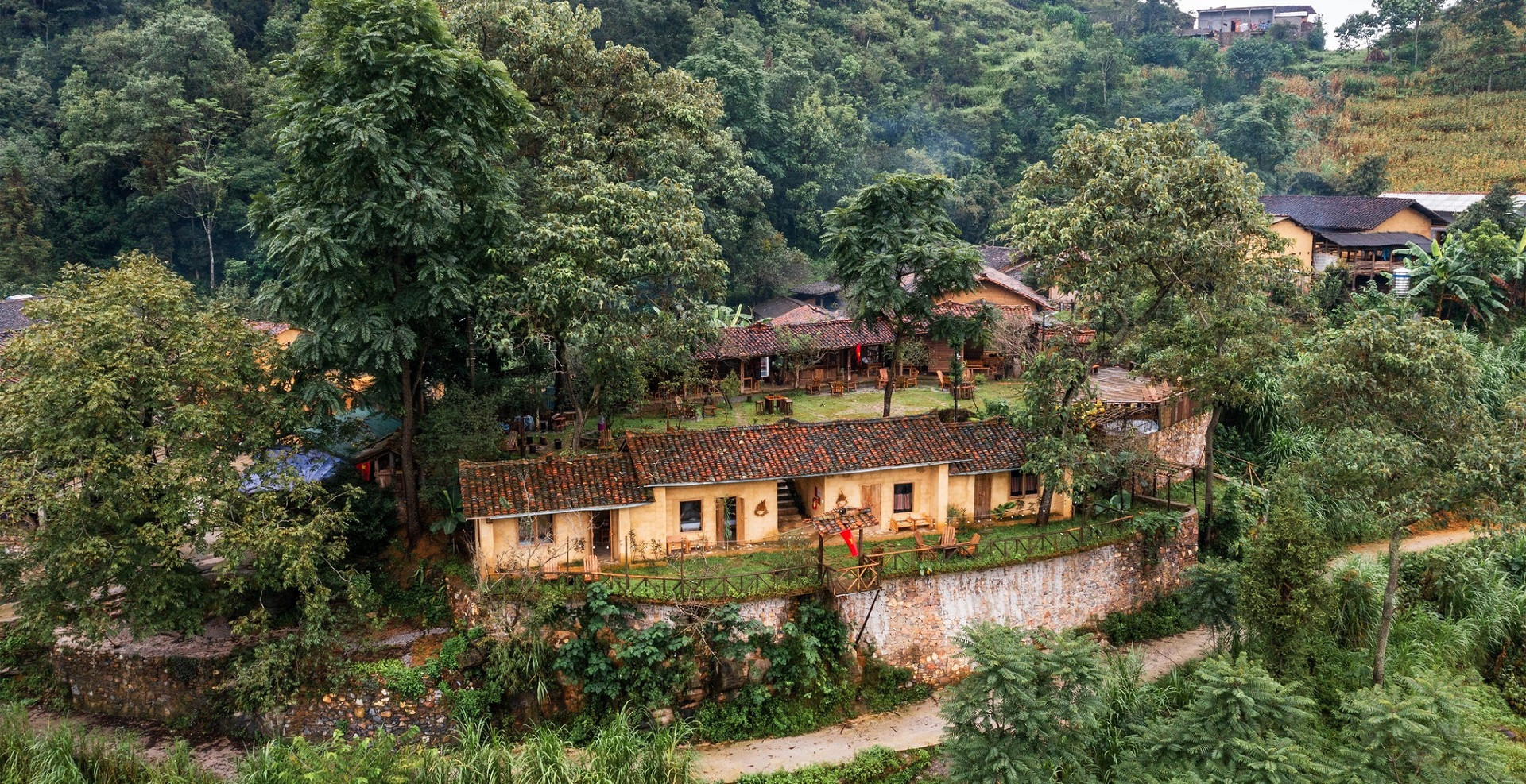
Separated by only a few hundred meters, the two villages share similar architecture of earthen walled houses, yin and yang tiled roofs and stone fences. Yet Then Pa carries a quieter, more tranquil atmosphere.
In the local language, Then Pa means “large field,” describing the flat valley terrain where the village sits. It is home to 12 households, all belonging to the Vang clan. This close knit family structure has helped Then Pa retain its original way of life.
Then Pa is considered an ideal retreat for travelers seeking escape from the pressures of daily life. Visitors can wake early to watch mist blanket the village and embrace Dragon Eye Lake, creating a dreamy, ethereal landscape.
Each season brings its own charm. In spring, pink peach blossoms and pure white pear flowers bloom across gates, pathways and hillsides. Summer arrives with lush green cornfields and the clear waters of Dragon Eye Lake. In autumn, golden terraced rice fields stretch into view from the village.
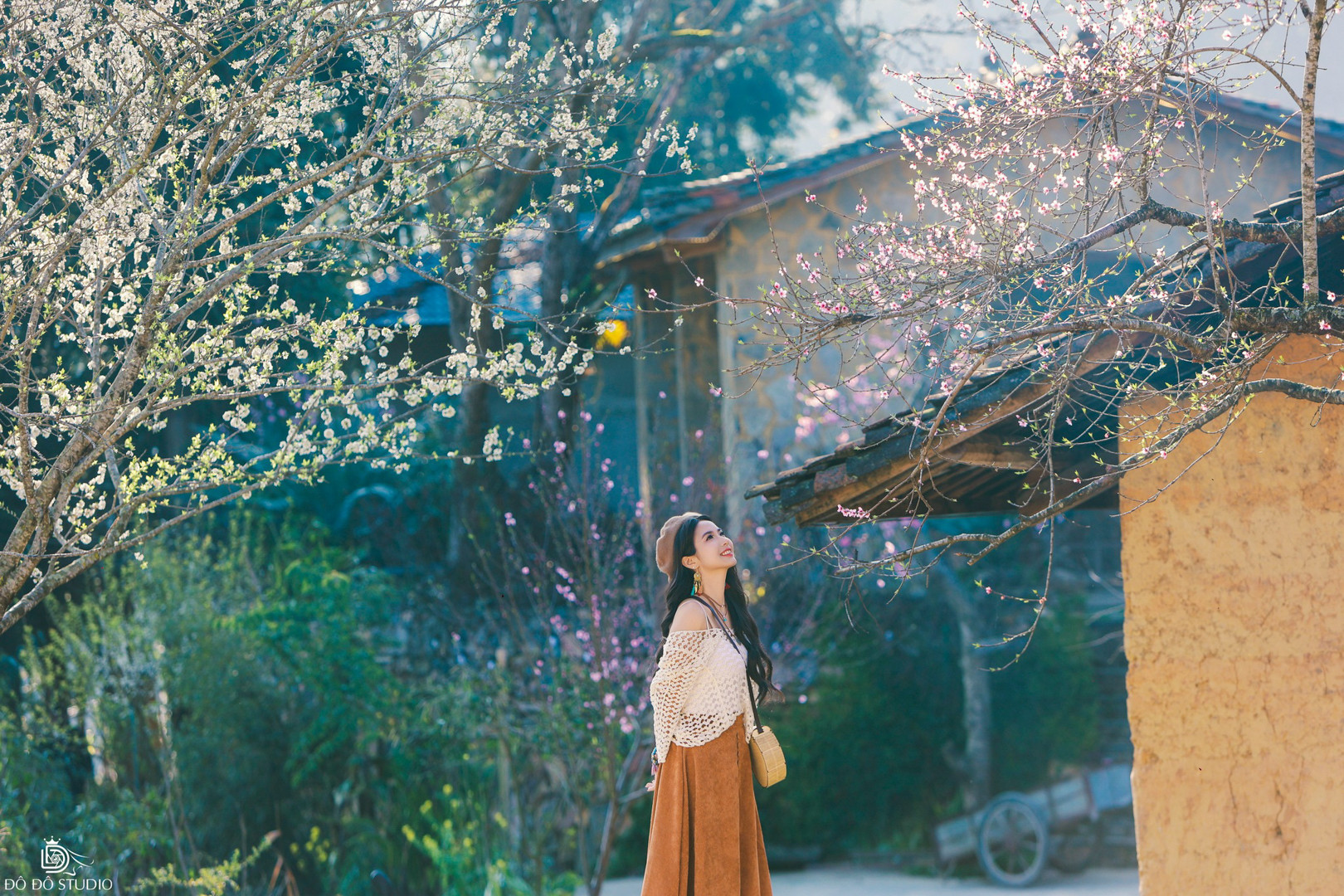
Nguyen Hoang Nga, a traveler from Hanoi, has visited Then Pa twice. For her, it is “a perfect place for healing.”
Nga first arrived in June 2025 as a volunteer. She had planned to stay for one week, but the village’s serenity, unique culture and welcoming residents persuaded her to remain for 20 days.
During her stay, she experienced a variety of tasks - bathing horses, creating beeswax patterns on fabric, managing social media communications for the village and teaching local children. She also learned horseback riding and eventually rode confidently to survey nearby tourism routes like a local.
“From someone dealing with prolonged stress and fatigue, I felt recharged when I came here. I lived with villagers in a centuries old earthen house, eating and working as a member of the family,” Nga shared.
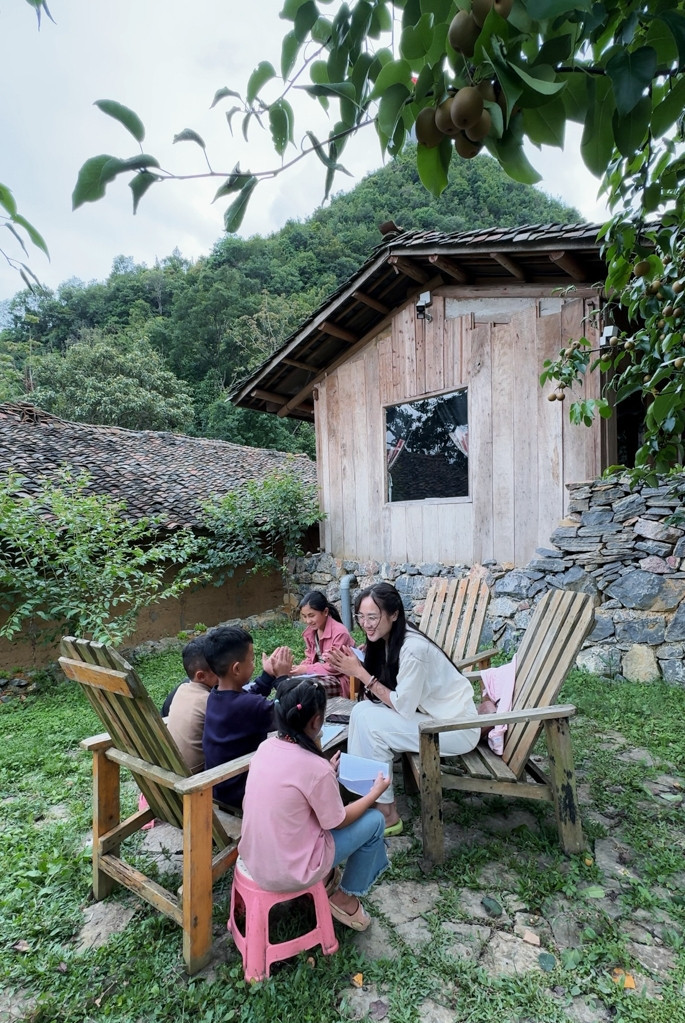
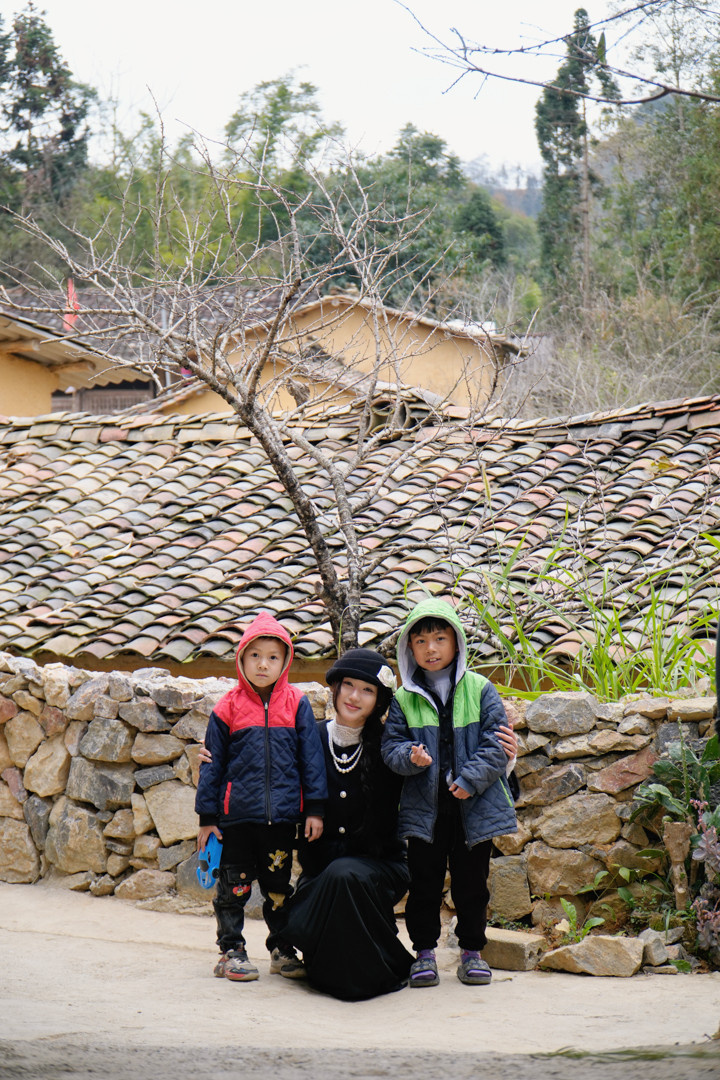
Outside of teaching and work, Nga spent much of her time playing with the children. “On the day I left for Hanoi, the kids crowded under the eaves waiting for my car, reluctant to say goodbye. One little boy cried for a long time, asking when I would return. Those small but warm moments stay with me,” she recalled.
She recently returned once more to savor the village’s rustic tranquility.
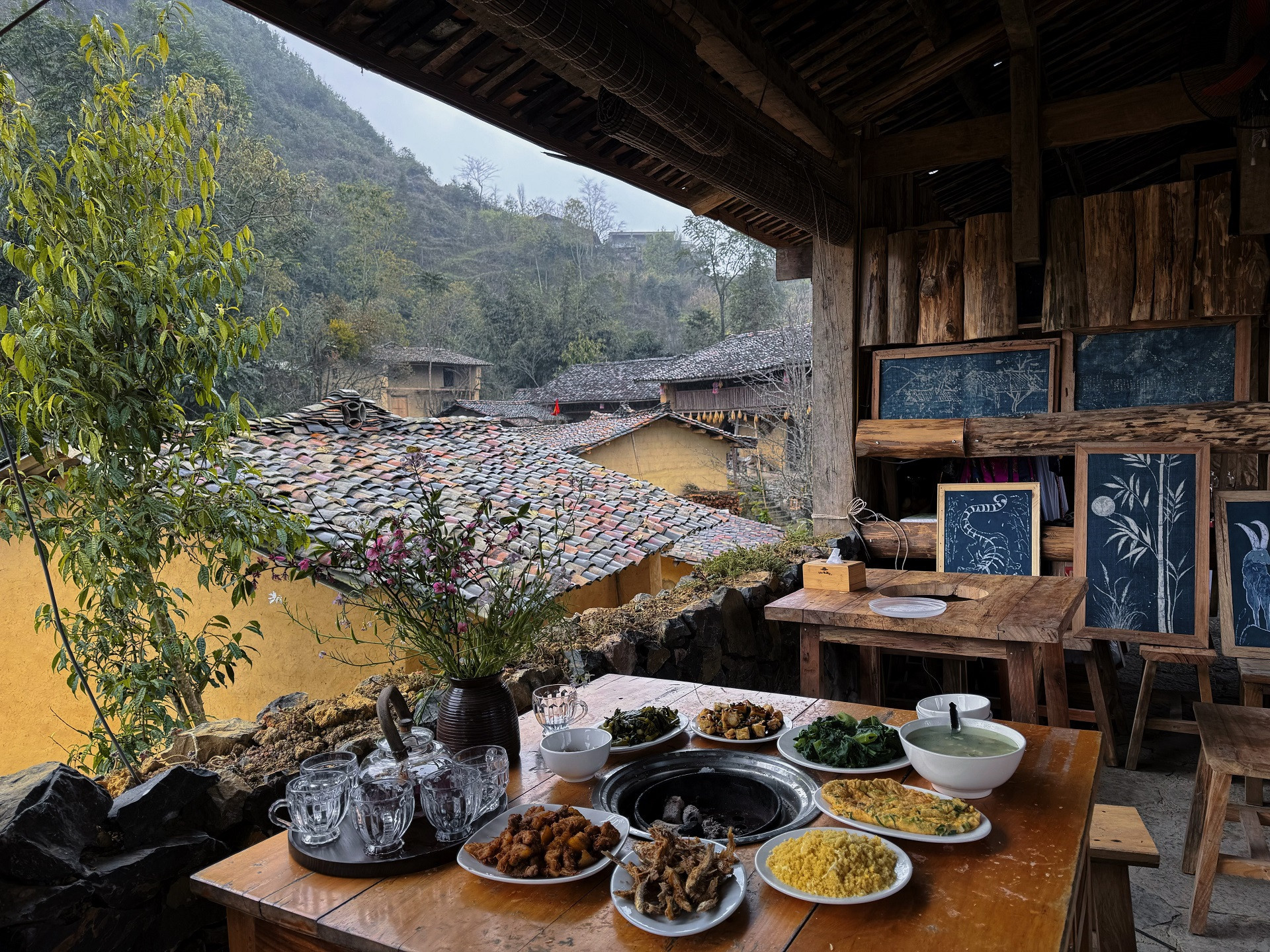
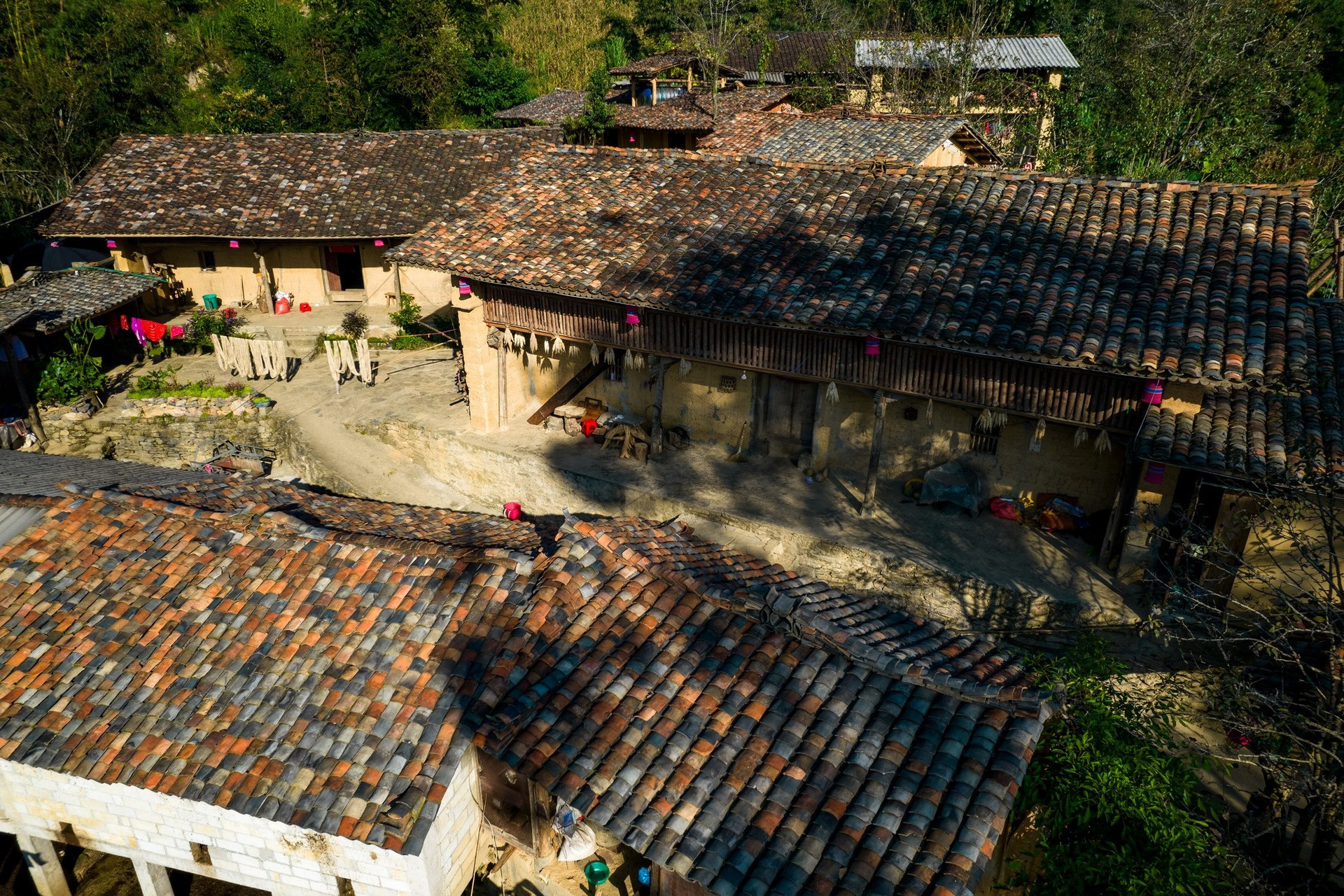
In the past, Then Pa residents relied solely on farming and livestock. While nearby Lo Lo Chai developed into a well known tourist destination, Then Pa remained a poor and little known hamlet.
About five years ago, the village began embracing tourism. Currently, six households operate homestays, while others supply food and experiential services for visitors.
Vu Gia Dai, originally from Hung Yen, pioneered community based tourism in Then Pa. He patiently persuaded each household to participate. Cowsheds were dismantled, earthen houses renovated to welcome guests while preserving traditional architecture and adding minimal modern amenities. Today, the village can host around 100 overnight visitors.
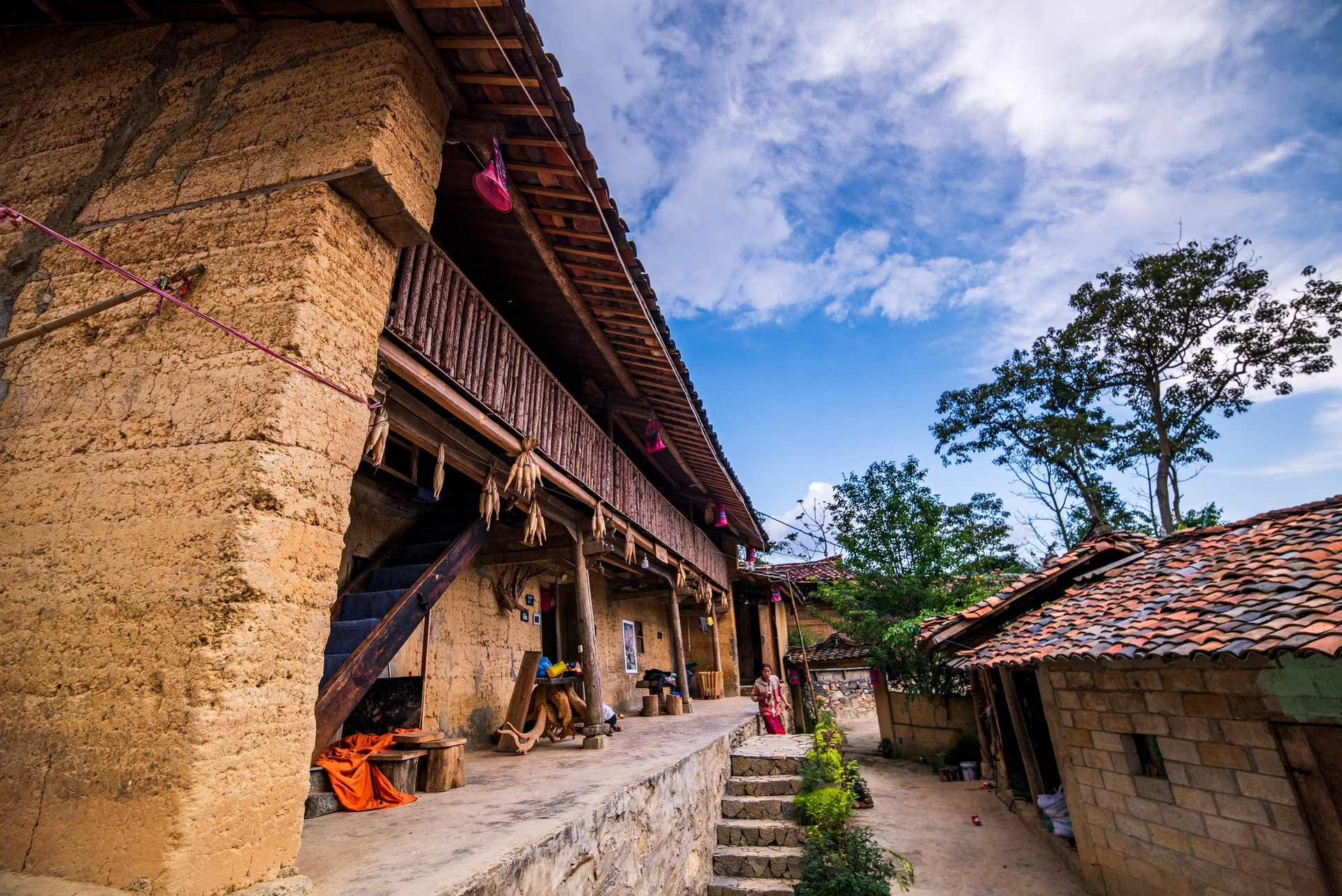
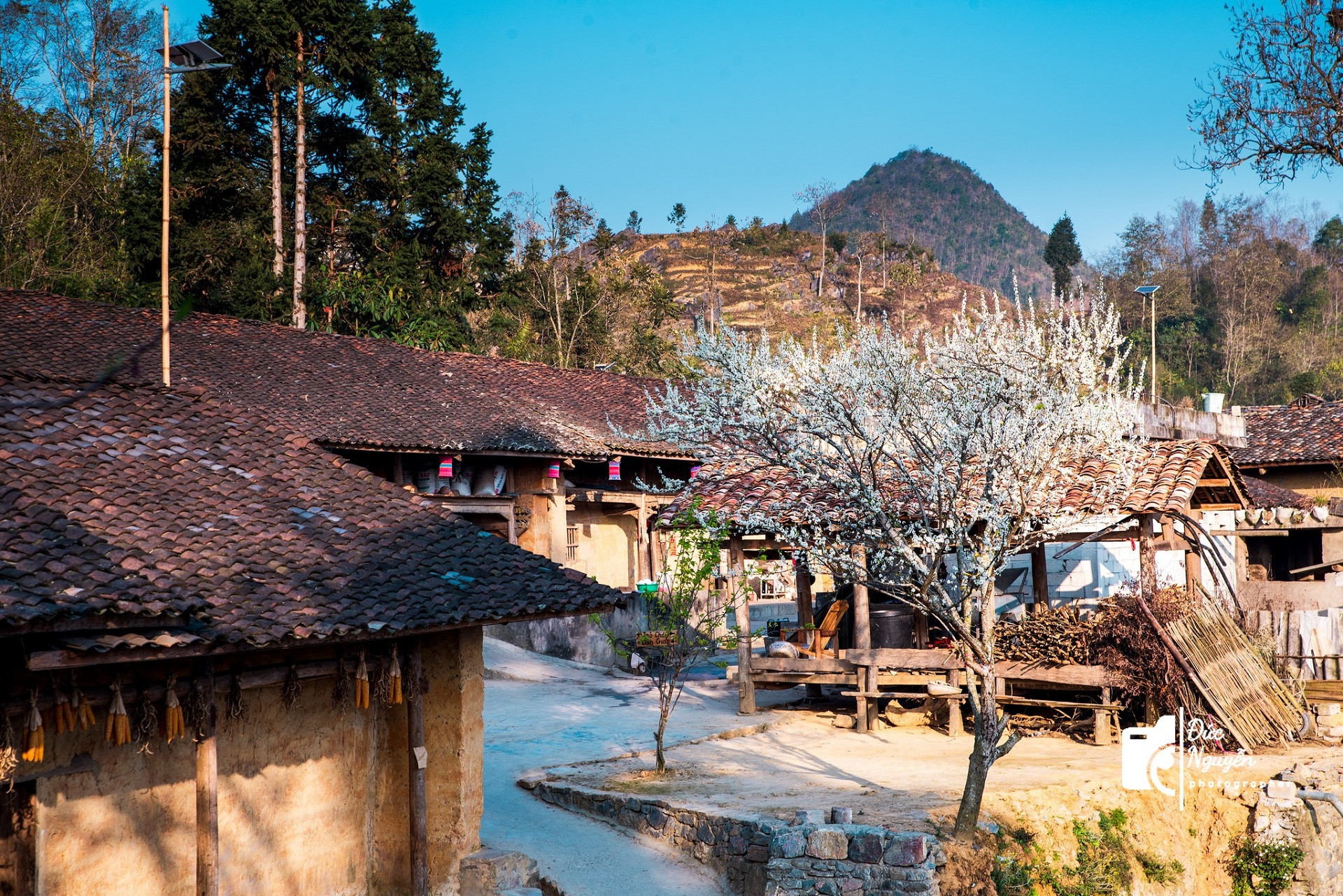
Beyond sightseeing and photo opportunities, travelers can join activities such as beeswax painting on linen, indigo dyeing, making corn cakes and men men, horseback riding through the surrounding hills, or tasting corn wine fermented with forest leaves, thang co and black chicken hotpot.
According to Nga, there is one strict rule visitors must follow when staying with families in Then Pa: men and women sleep separately, even if they are married.
“Unrelated men and women sharing a room is considered disrespectful and a violation of the home’s sanctity,” she explained.
Nga also noted that some villagers do not speak Vietnamese fluently, making communication a little challenging. Yet they are honest, sincere and warmly hospitable.
Linh Trang
.svg)
