 Vietnamnet.vn

 Podcast



Hoai also referenced that in the past, Ha Giang Province proactively developed a Code of Conduct for Civilized Tourism under Decision No. 2728/QD-UBND dated December 11, 2018. The code has since been widely promoted across local tourism entities, community-based tourism destinations, accommodation facilities, tour guides, and local residents.
Following the administrative merger, the current Tuyen Quang Province continues to implement and expand this code.
Looking ahead, the Department will increase efforts to raise public awareness, strengthen monitoring of the Code of Conduct at tourist sites, and promote respectful, culturally sensitive behavior among visitors and the community. The goal is to preserve Tuyen Quang’s image as a friendly, professional, civilized, and sustainable tourism destination.
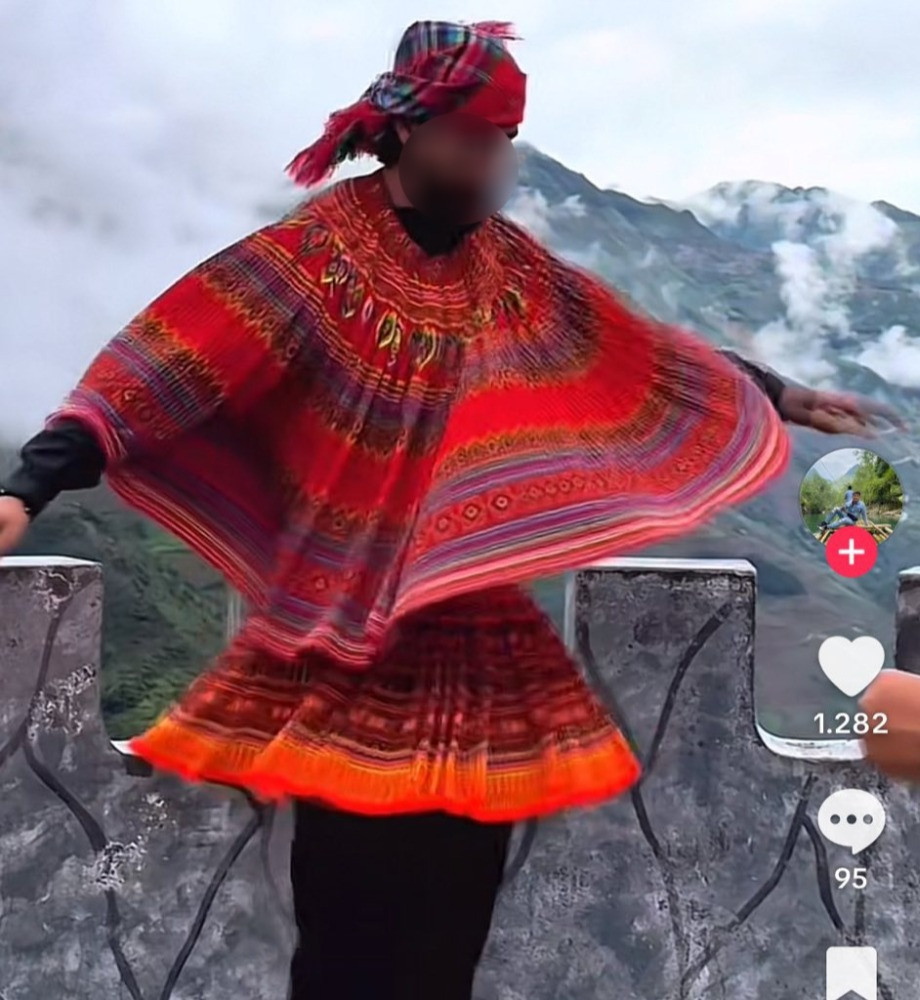
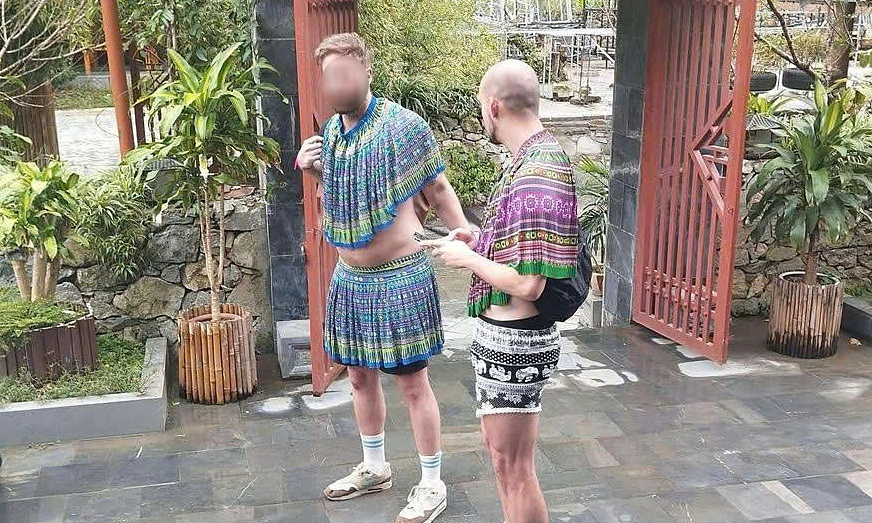
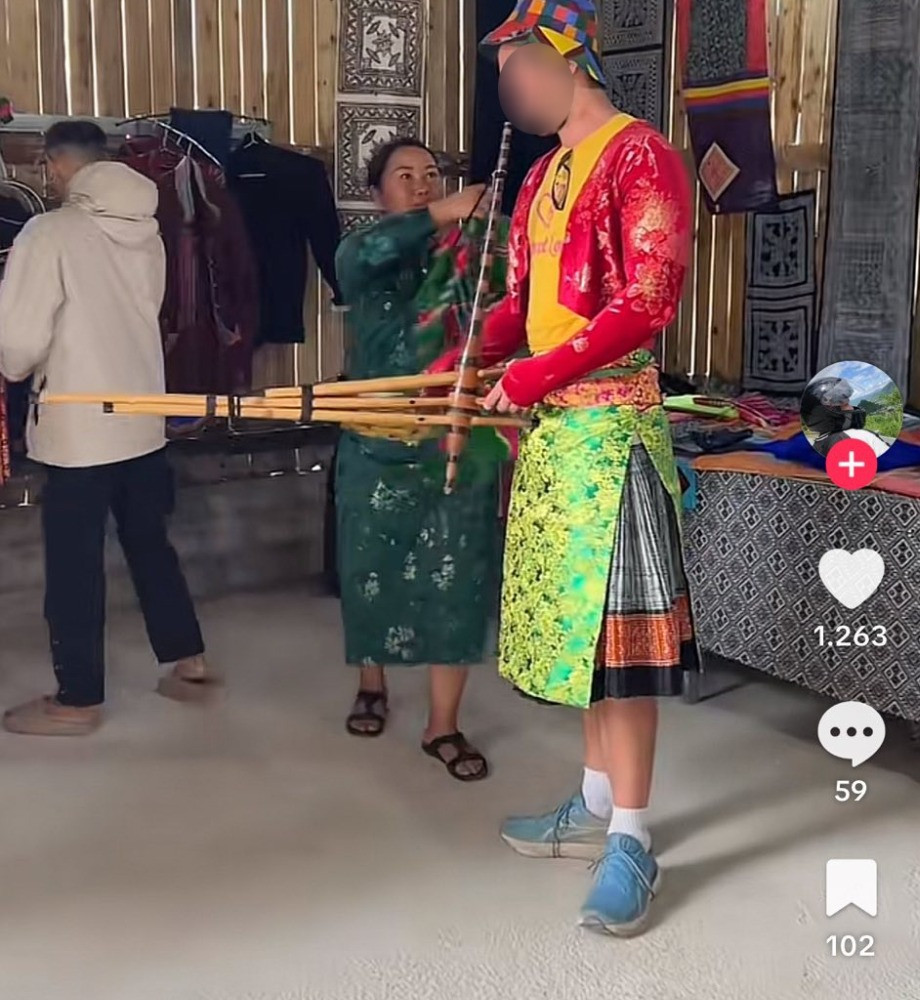
Previously, VietNamNet reported that several short videos circulating online captured male foreign tourists wearing the traditional dresses of Hmong women. In some clips, tourists wrapped the garments around their necks like scarves and danced at tourism sites in Ha Giang (now part of Tuyen Quang). Shockingly, some Vietnamese guides and locals were seen encouraging or jokingly praising the acts as humorous and fun.
From the perspective of sustainable tourism, Dr. Trinh Le Anh, Head of the Event Management Department at the Faculty of Tourism Studies, University of Social Sciences and Humanities, Vietnam National University, Hanoi, explained: “Traditional costumes are not ‘just for fun’ outfits. They are part of rituals and serve as a bridge into the spiritual world of the local community - one that must be entered with respect.”
He emphasized the importance of better training for guides and tour operators to help them understand and convey cultural values appropriately. “Tourism is not just about fun. It is about understanding, appreciating, and protecting cultural heritage together,” he concluded.
Linh Trang
.svg)
