 Vietnamnet.vn

 Podcast



Beneath the museum - formerly Gia Long Palace - lies a secret underground system tied to many turning points in history.
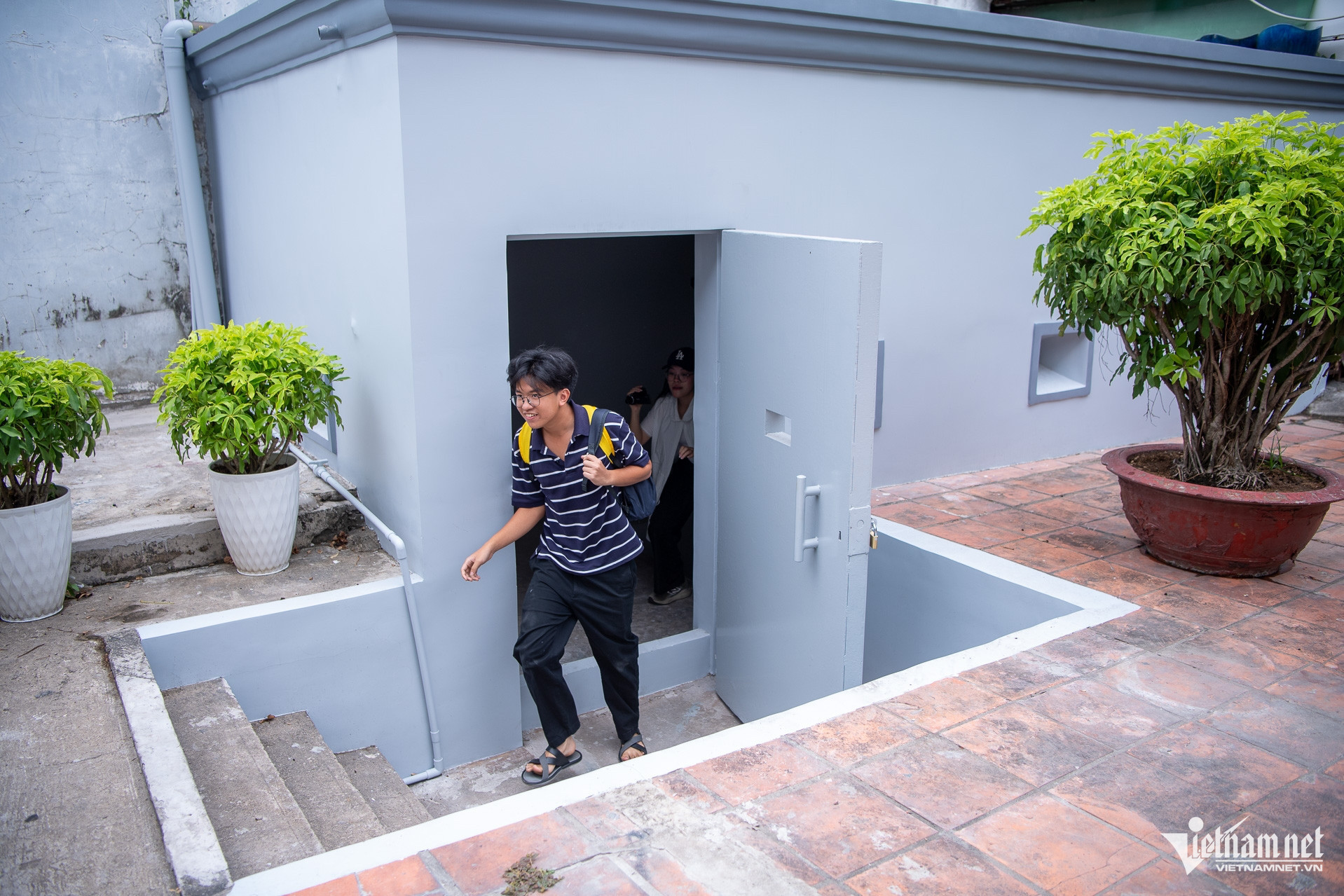
The bunker complex is located behind the building’s grounds and was constructed in 1962 based on the design of architect Ngo Viet Thu.
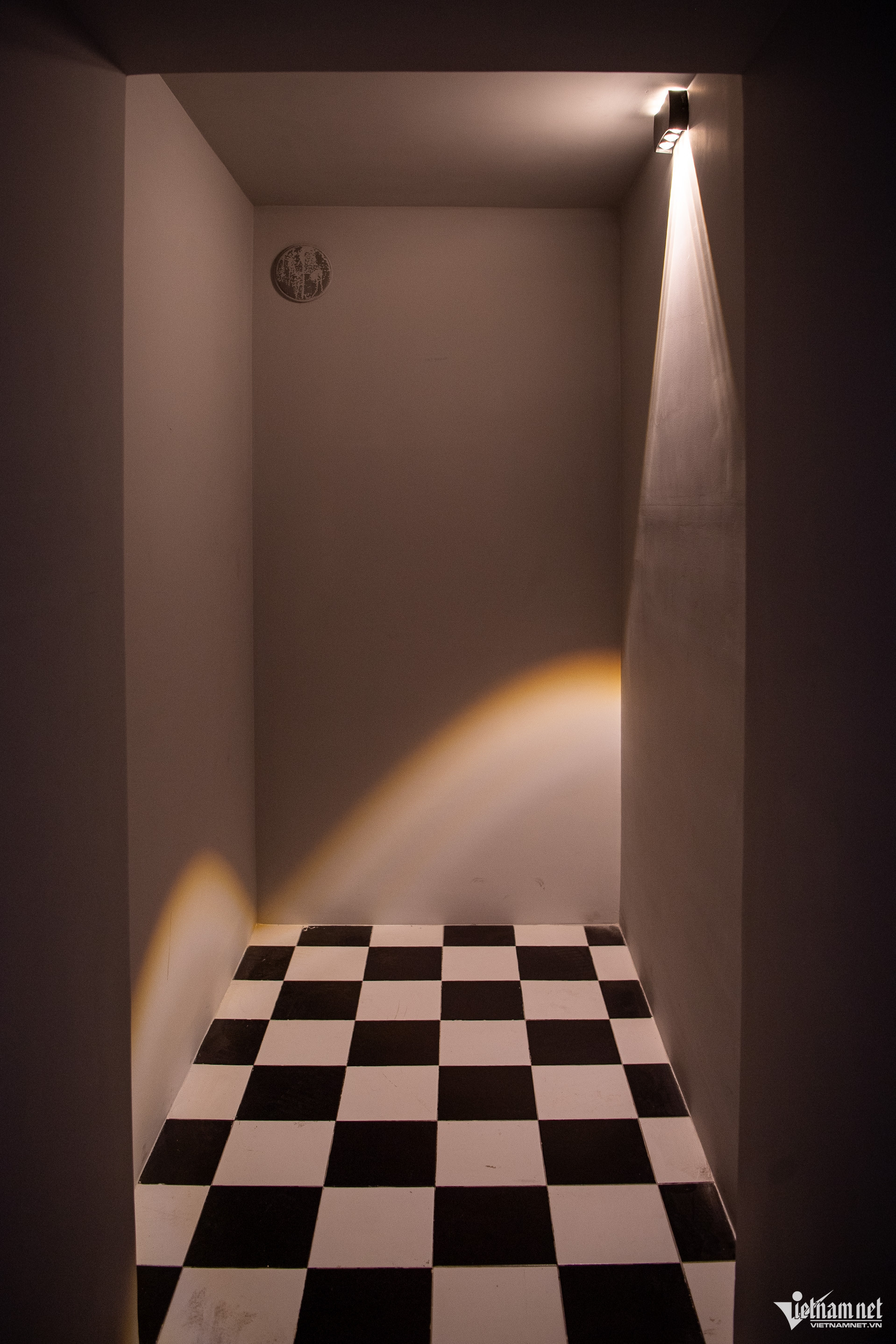
It features a main corridor running along the length of the building. Following restoration, additional passageways have been opened, lighting systems upgraded, and walls repainted. Visitors can now explore approximately 150 meters, extending further than before.
Along the walls and corridors, multiple screens display architectural drawings of Gia Long Palace, historical materials, and images documenting coups and notable landmarks of the city.
Thai Bao, from Binh Thanh ward, Ho Chi Minh City, shared: “This is my first time entering a bomb shelter. It’s quite an interesting experience. Once inside, I could clearly feel the heat and the somewhat confined space.”
Inside display cases, visitors can see comparisons between the planned design and the actual construction of the bunker. Records show that the total cost of completion exceeded 12.5 million dong - a significant expenditure at the time.
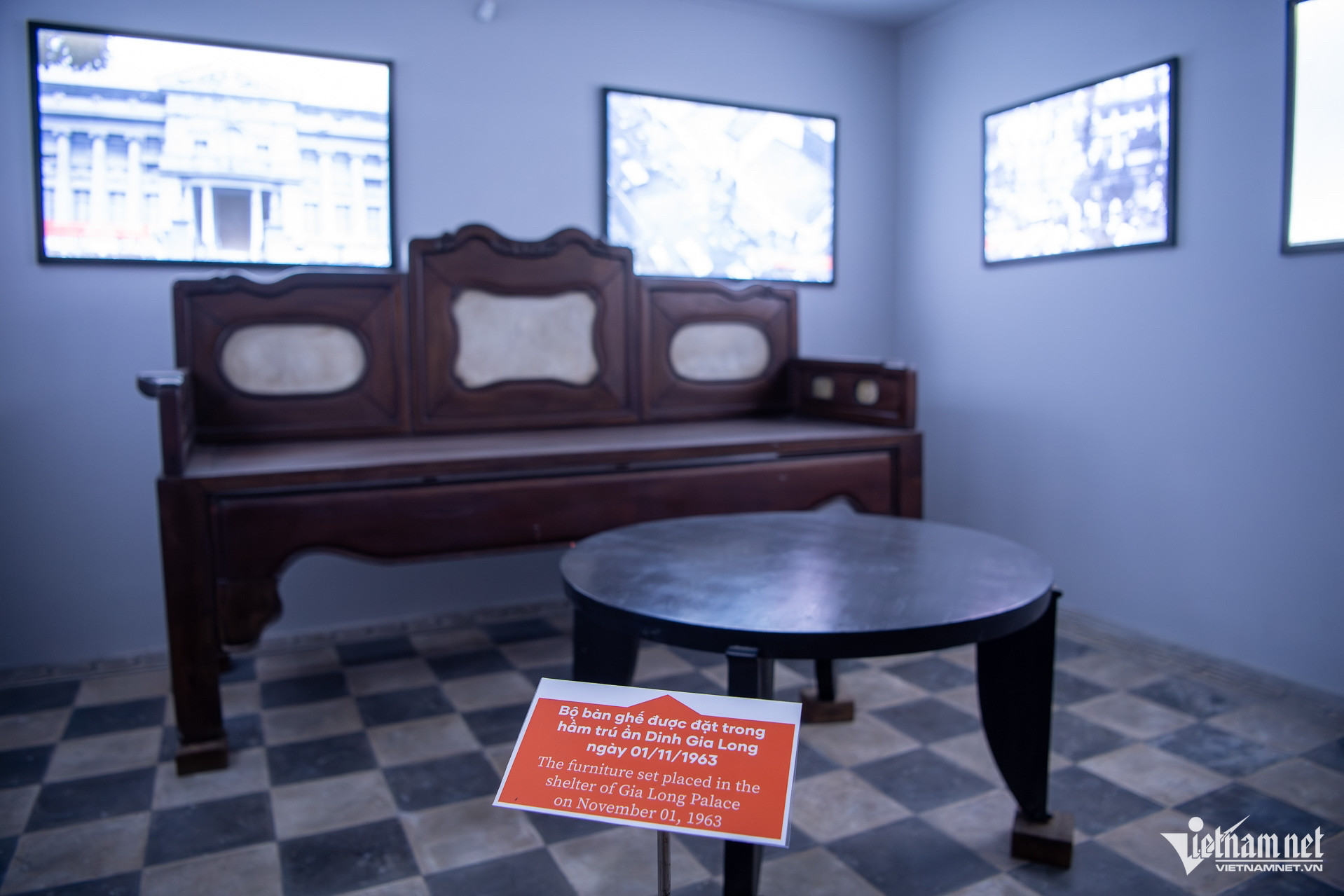
Images of the reception room of President Ngo Dinh Diem are also presented, where furniture once placed in the bunker since 1963 has been preserved.
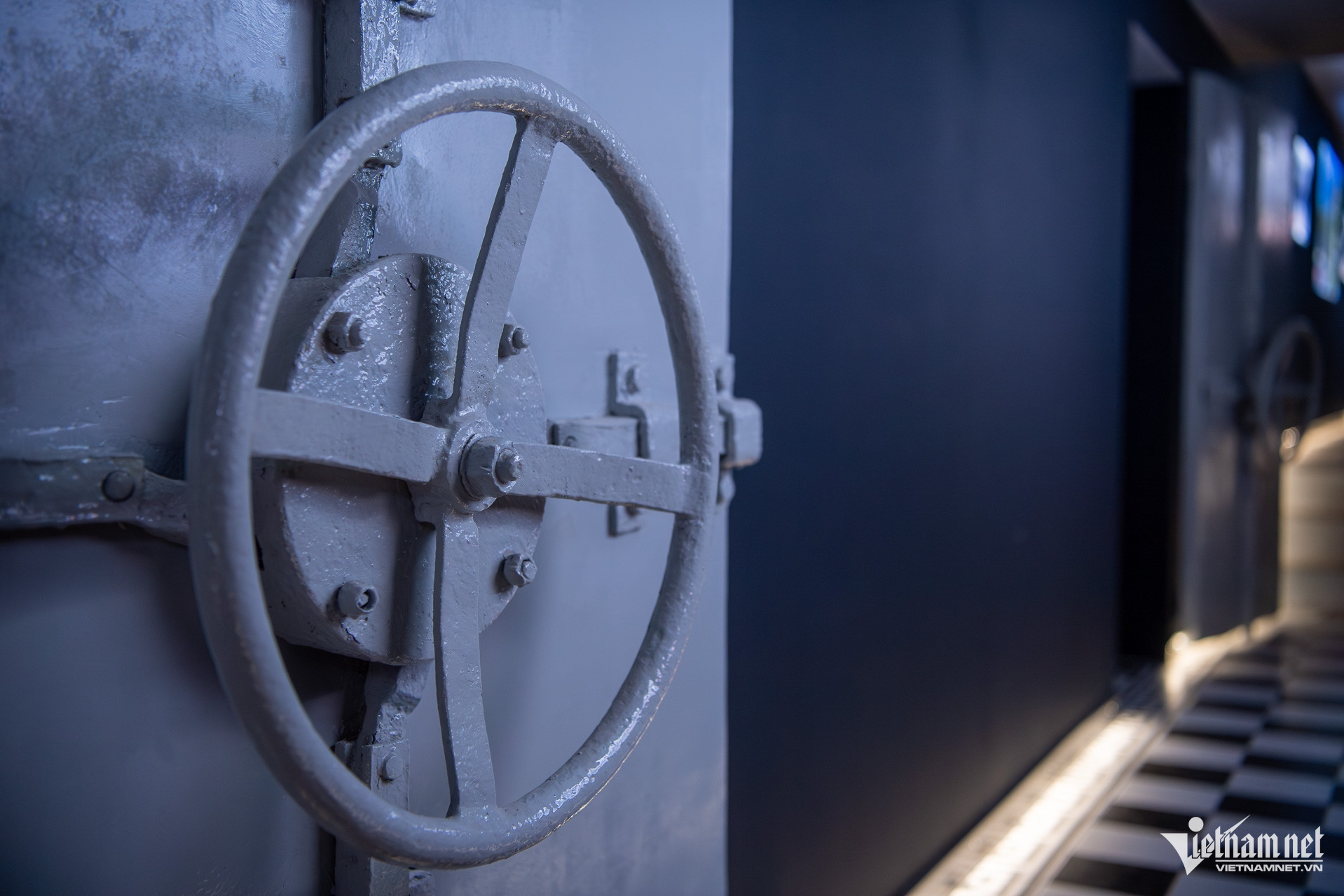
The bunker is equipped with six solid cast-iron doors, operated by a wheel mechanism with reinforced locking bolts. This ship-wheel-like system allows the doors to be opened and closed only from the inside.
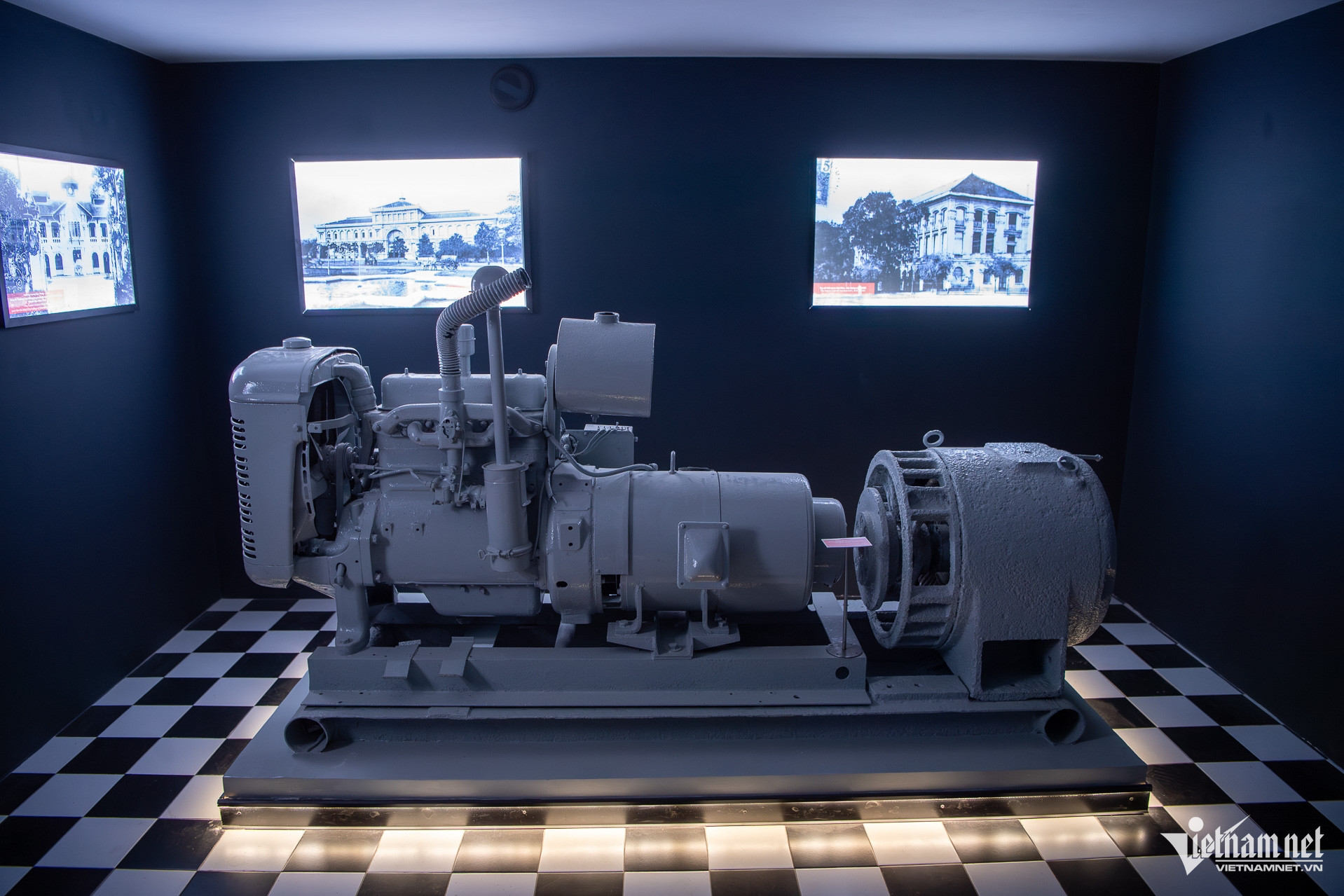
Screens continue to line the corridors, showcasing design drawings of Gia Long Palace. Five newly opened rooms are largely empty, primarily used for display screens. Only one room houses a generator, which dates back to before the building was converted into a museum.
The bunker also contains multiple smaller compartments designed for shelter. In case of emergency, key individuals could be moved safely into the bunker within about five minutes. Inside, systems for communication, clean water supply, and waste drainage were installed to ensure continuous operation.
Exit routes are arranged within the rear grounds of the mansion, leading toward Nam Ky Khoi Nghia and Pasteur streets. Additionally, two emergency exits are located about 20 meters behind the building, also opening toward these streets.
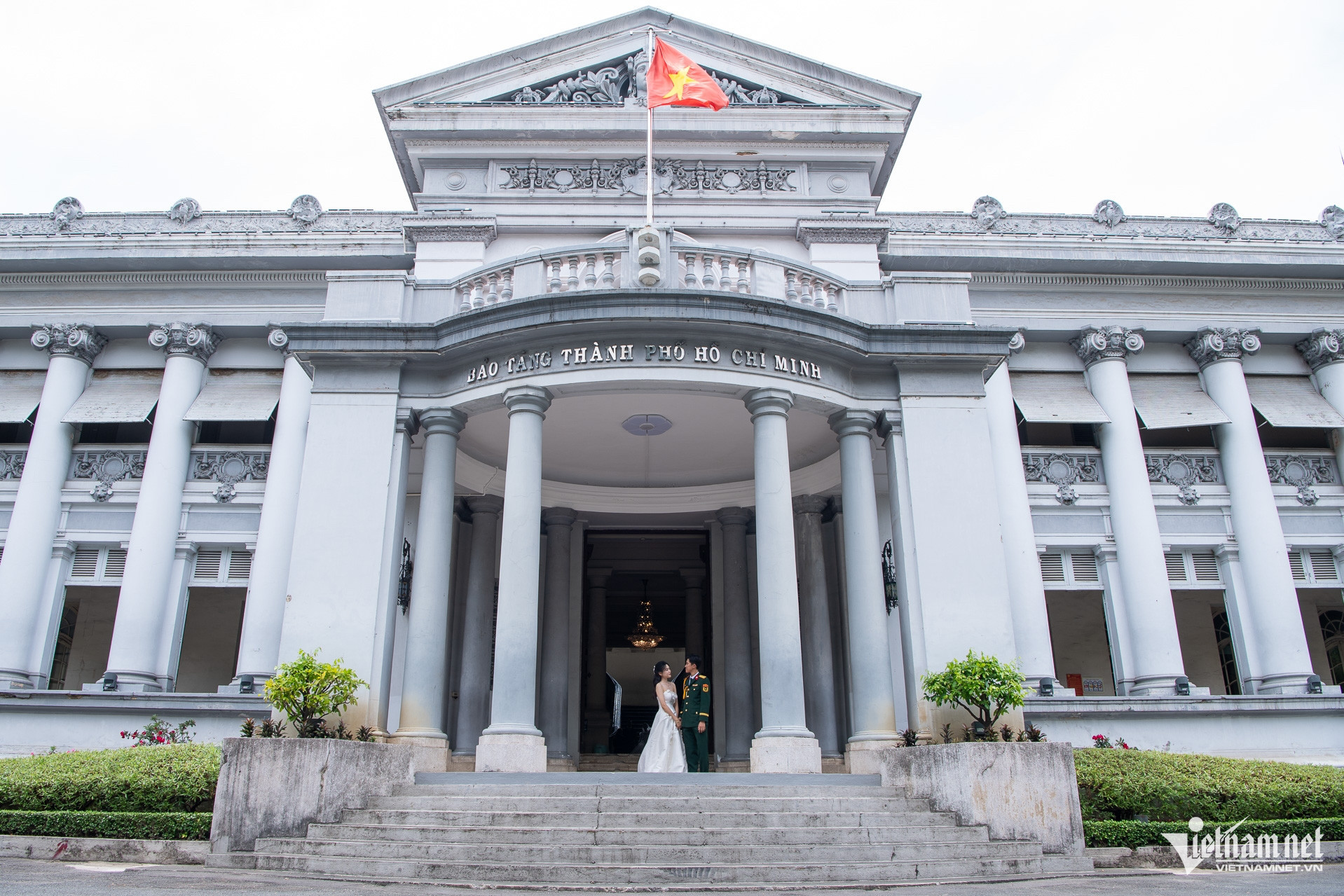
Built between 1885 and 1890, the Ho Chi Minh City Museum on Ly Tu Trong Street, Sai Gon ward - formerly Gia Long Palace - was designed by French architect Alfred Foulhoux.
Originally serving as a Commercial Museum, the building later became the residence of the Governor of Cochinchina. In 1962, after the Independence Palace was heavily bombed, it was used as the temporary residence and workplace of President Ngo Dinh Diem. After 1975, the building was converted into a museum.
Featuring French neoclassical architecture, the structure stands out with its symmetrical layout, sloping tiled roofs, and refined decorative details. Having witnessed numerous historical upheavals, it remains not only a testament to Saigon through different eras but also a repository of thousands of valuable artifacts and documents.
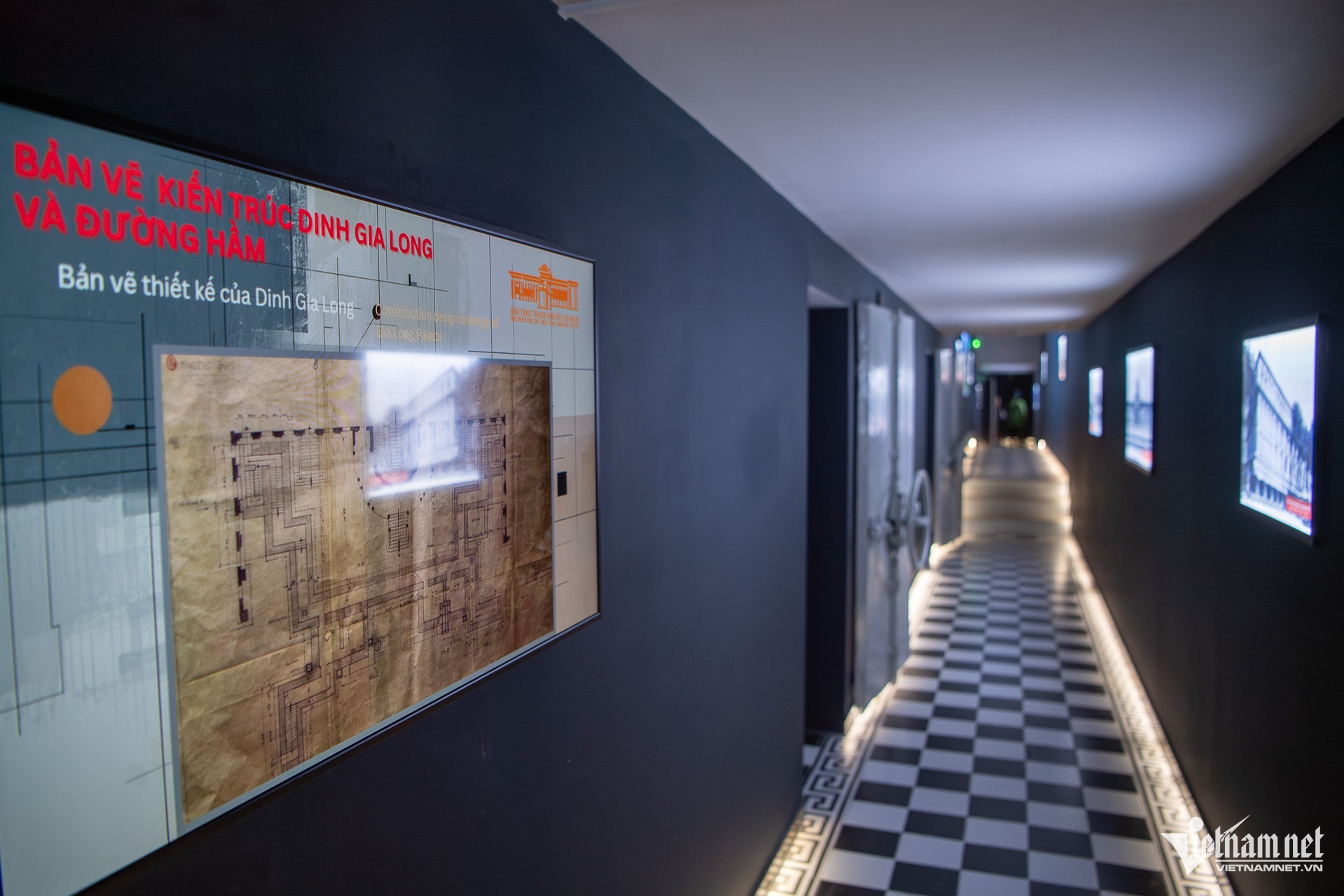
A secret underground bunker system exists beneath the Ho Chi Minh City Museum, formerly Gia Long Palace, tied to many historical milestones. Photo: Tuan Hung
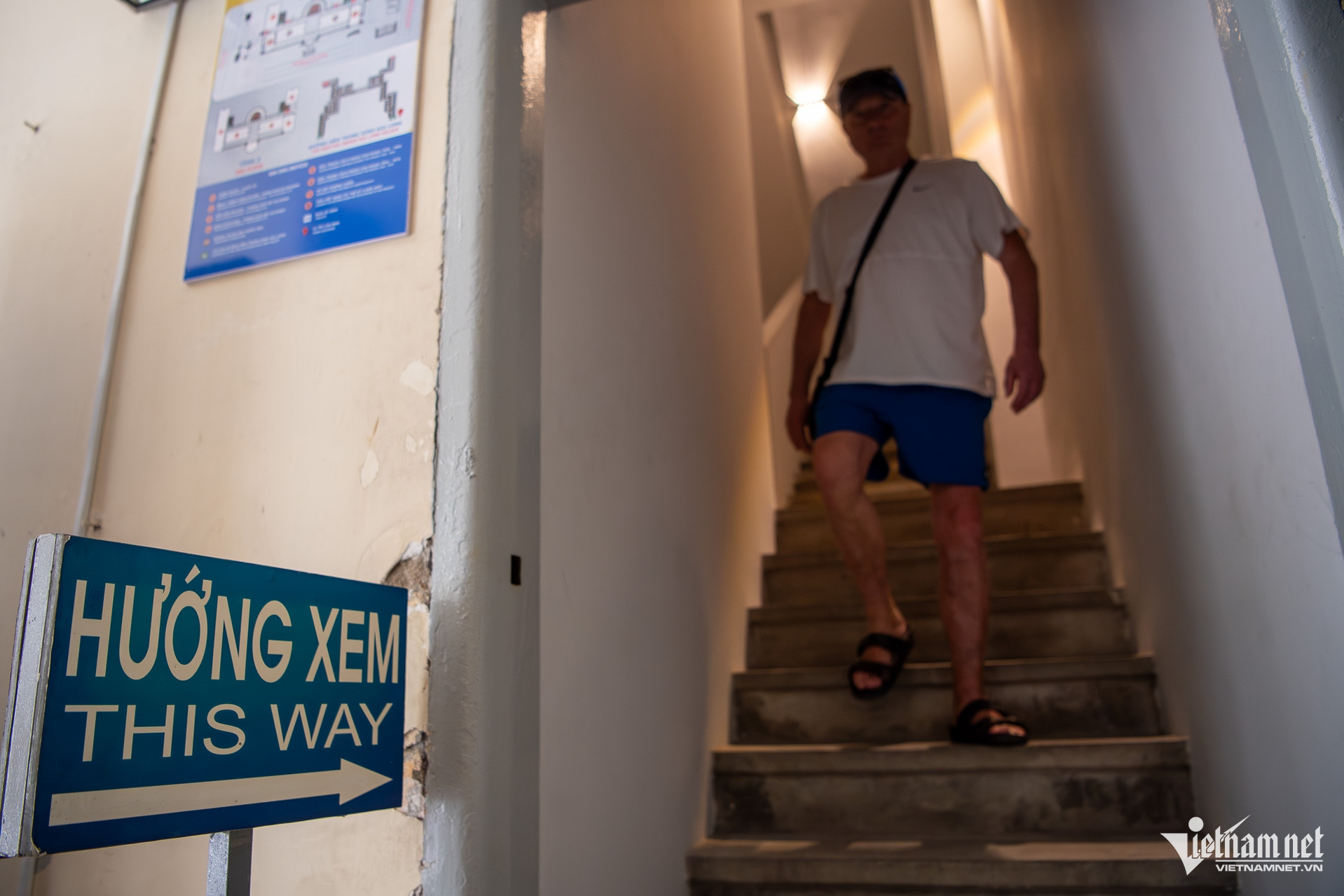
The bunker complex is located behind the building and was constructed in 1962 based on the design of architect Ngo Viet Thu. Photo: Tuan Hung
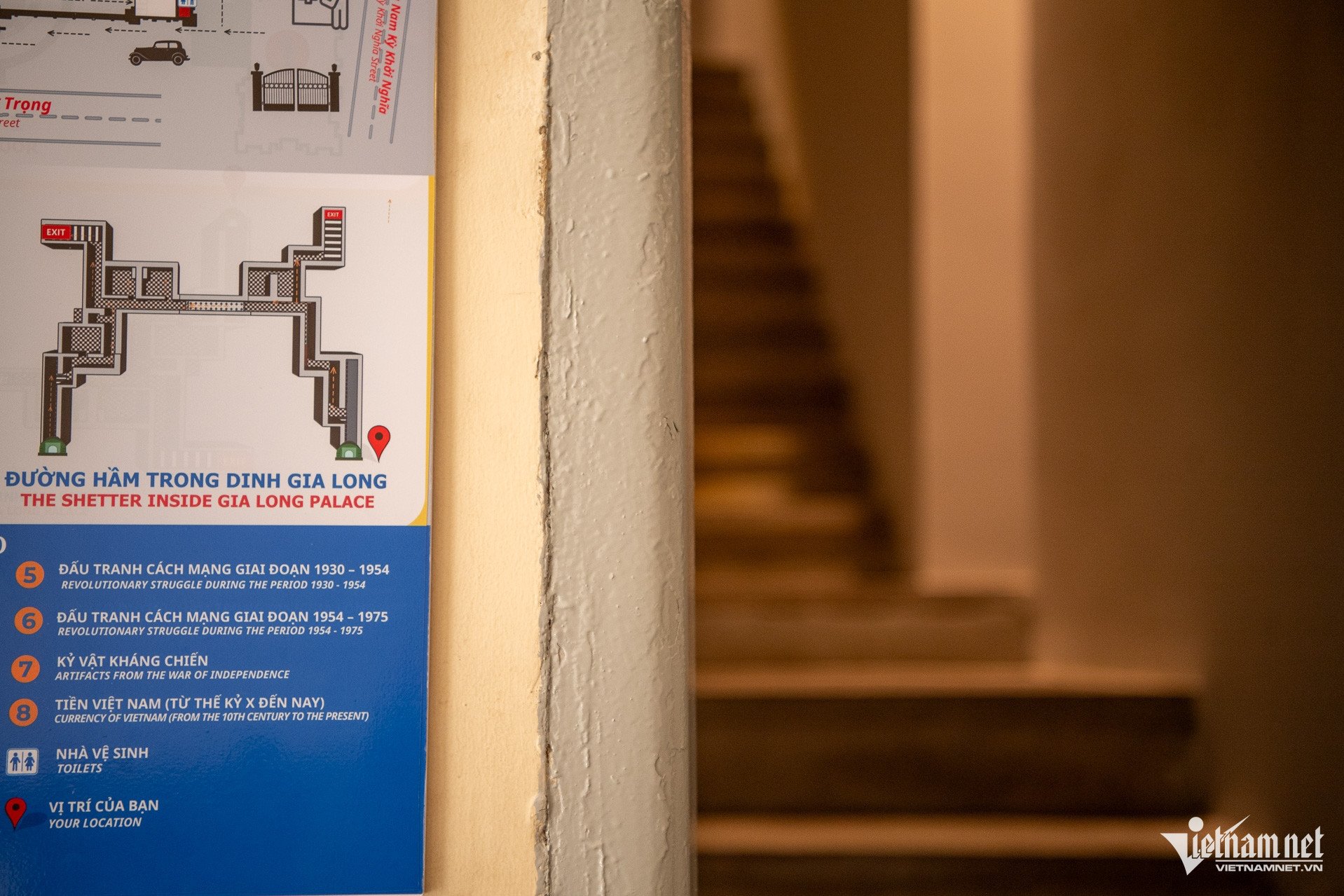
The bunker features a main corridor running along the building, now upgraded with lighting and extended access for visitors. Photo: Tuan Hung
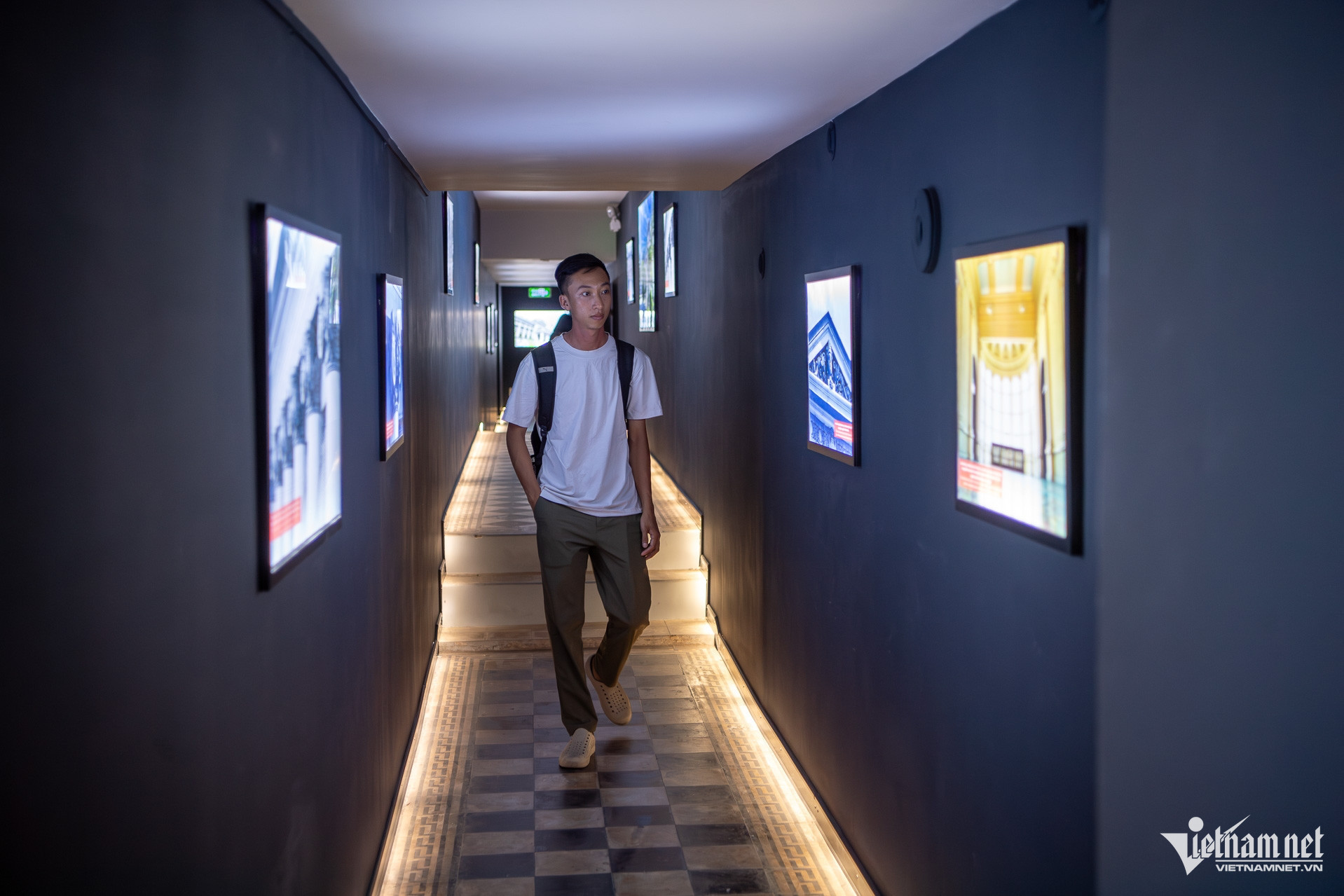
Screens installed along the corridors display architectural drawings and historical materials related to Gia Long Palace. Photo: Tuan Hung
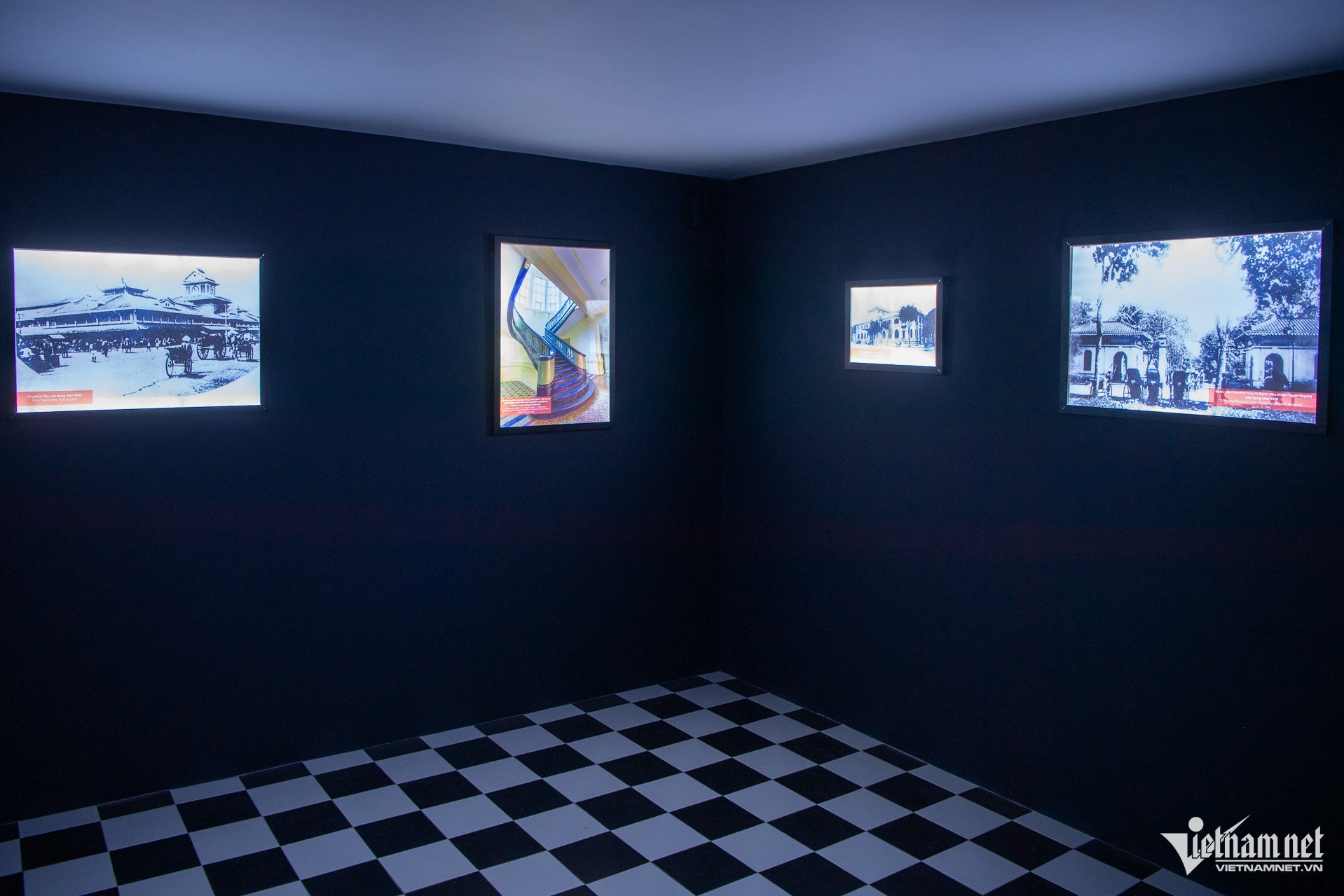
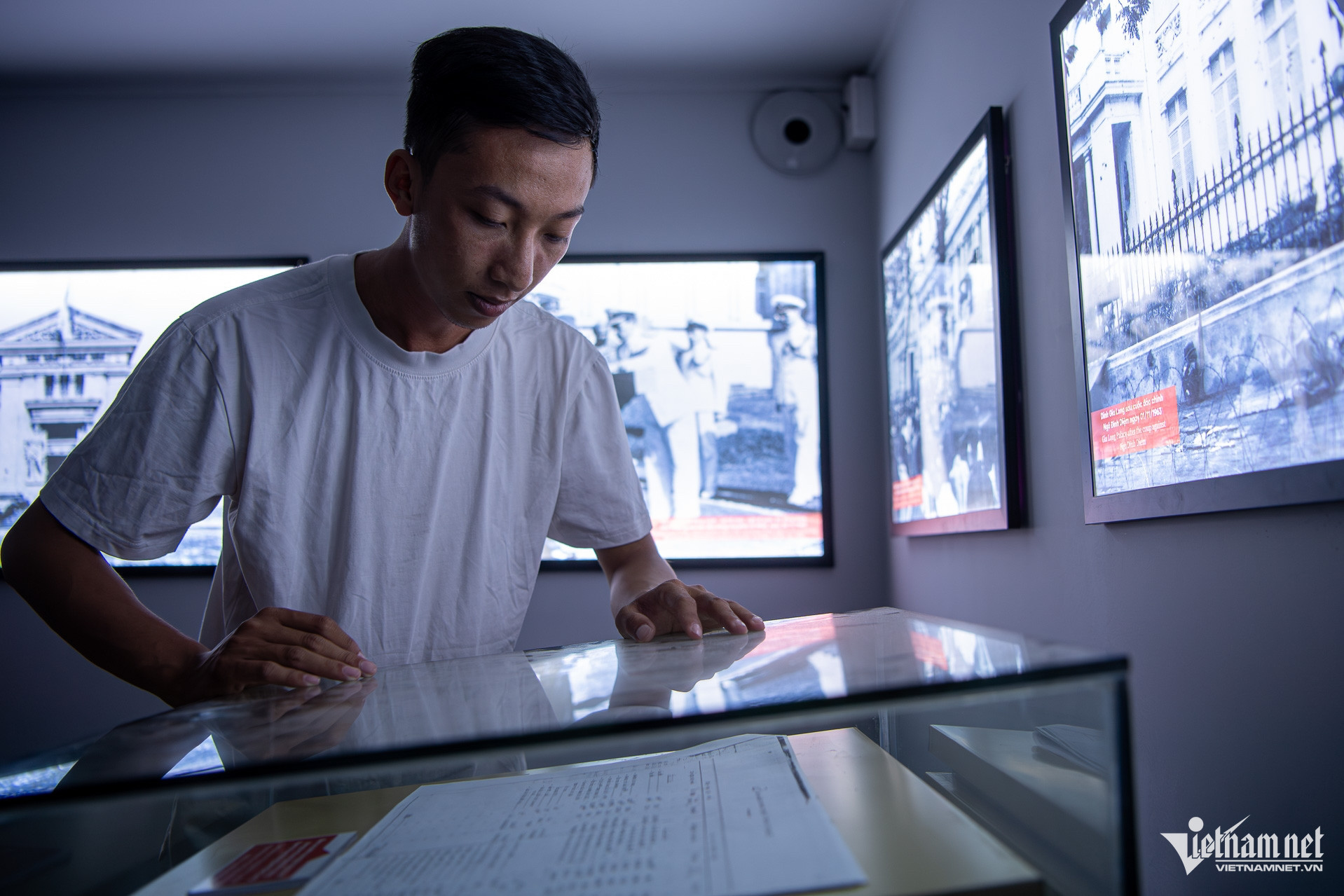
Visitors explore the bunker, experiencing its confined and warm interior space. Photo: Tuan Hung
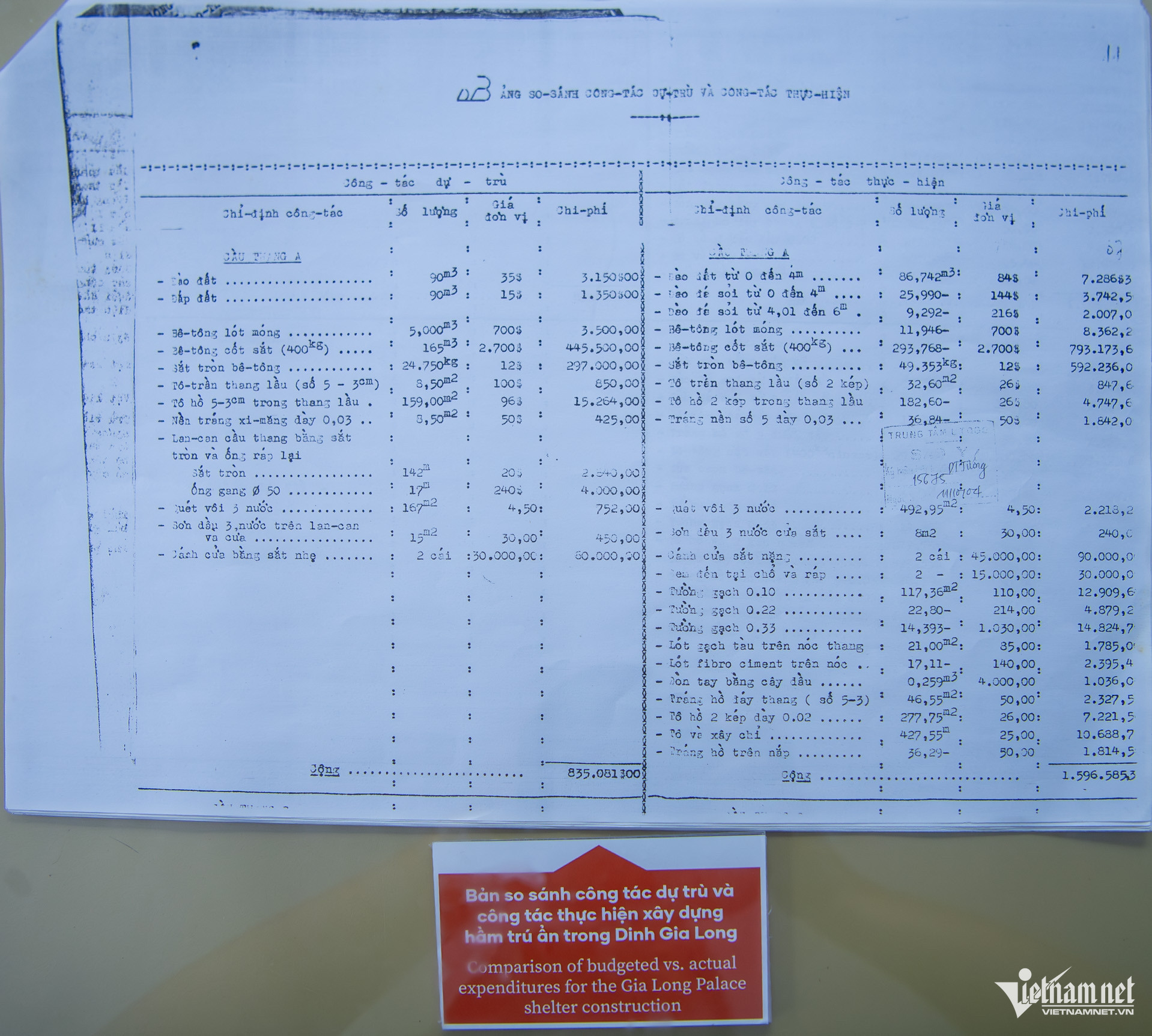
Display cases show comparisons between the planned design and actual construction of the bunker. Photo: Tuan Hung
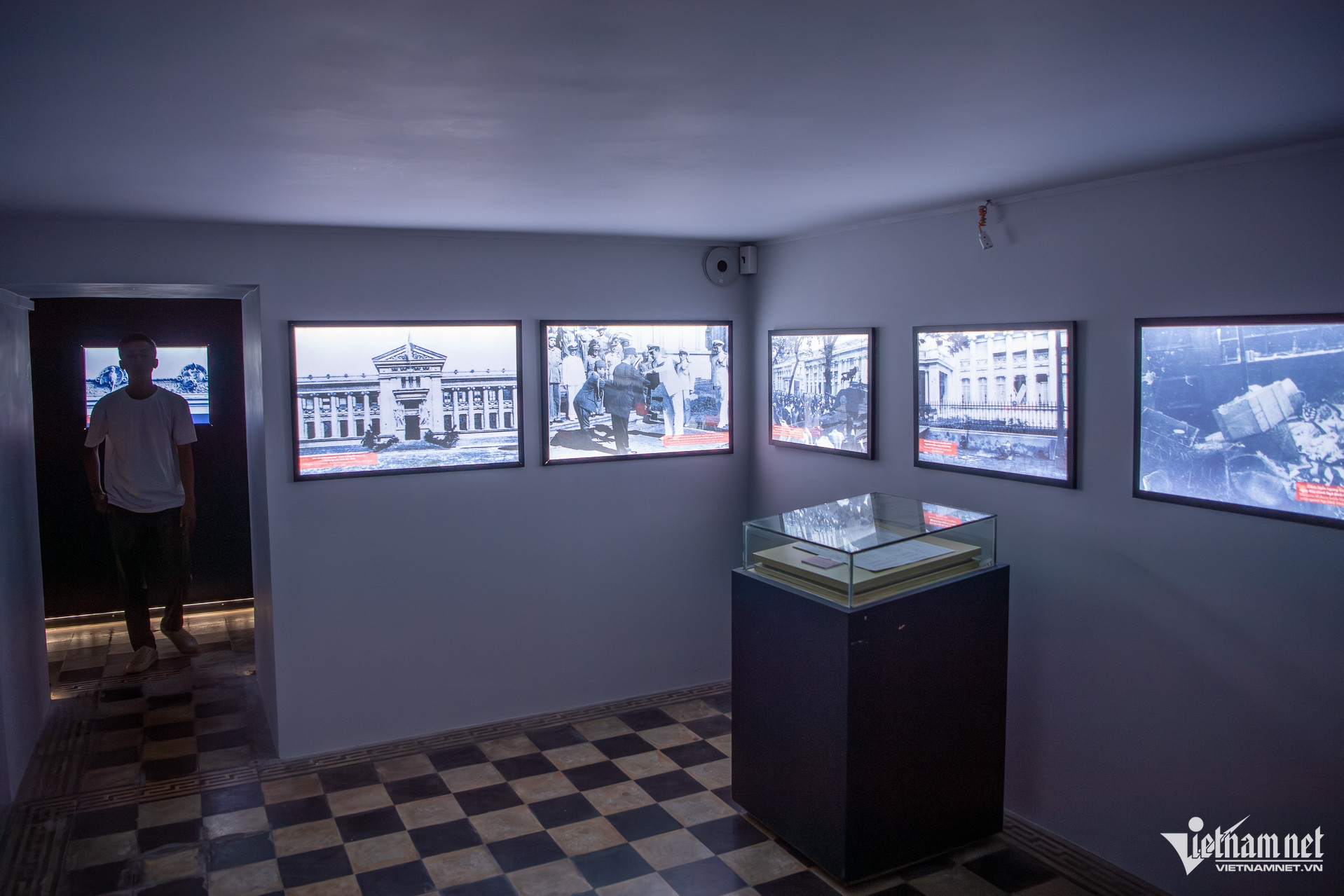
Historic images, including the reception room of President Ngo Dinh Diem, are introduced to visitors. Photo: Tuan Hung
The bunker is secured with six solid cast-iron doors operated by a wheel mechanism from the inside. Photo: Tuan Hung
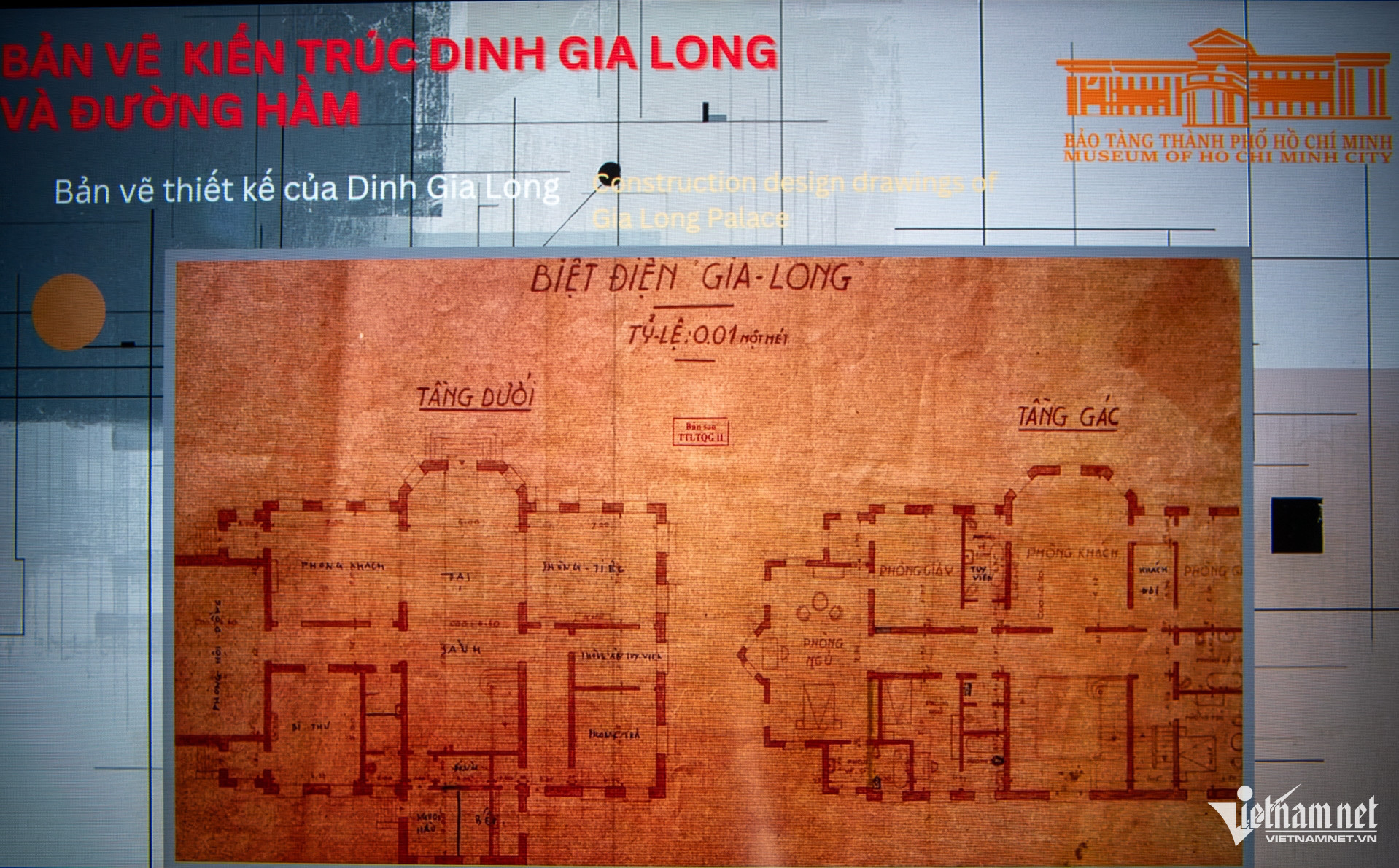
Newly opened rooms inside the bunker are used mainly for exhibitions, with one housing an original generator. Photo: Tuan Hung
The bunker includes smaller compartments for shelter and is equipped with communication and utility systems. Photo: Tuan Hung
Tuan Hung
.svg)
