 Vietnamnet.vn

 Podcast



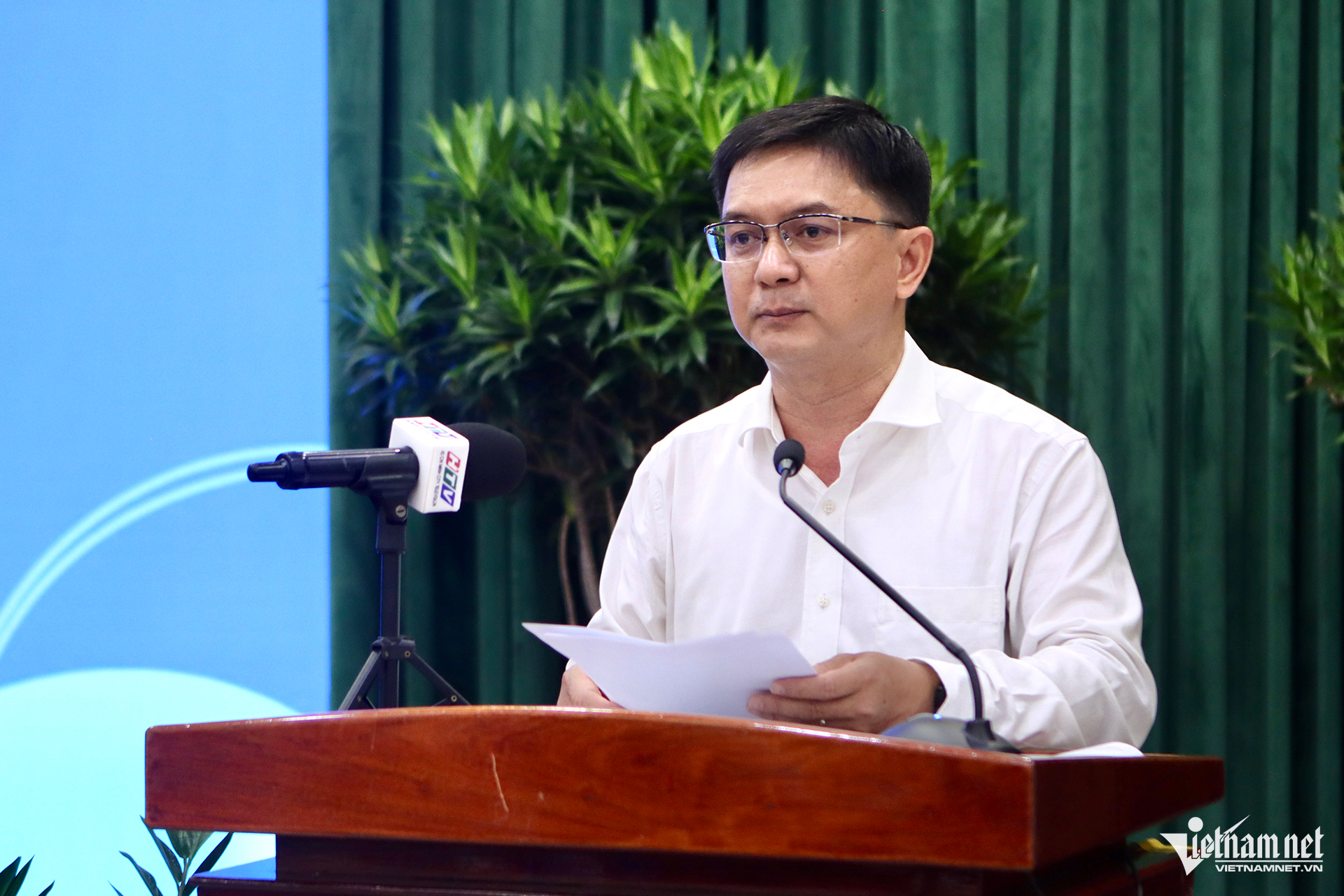
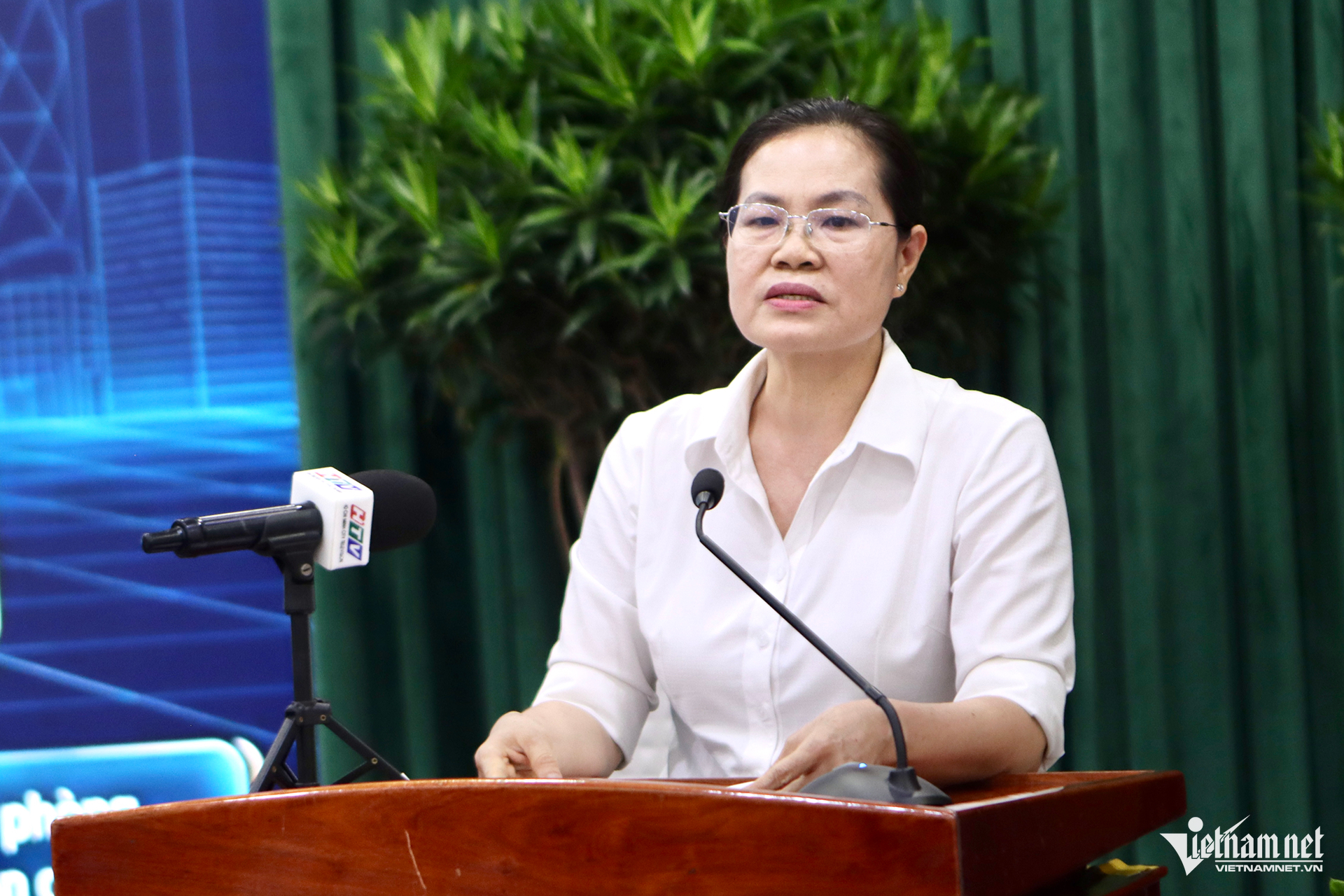
Presenting a summary of the draft legislation, Nguyen Thi Hong Hanh, Director of the Ho Chi Minh City Department of Justice and deputy head of the drafting team, said the bill consists of nine chapters and 45 articles.
The structure follows the model of Vietnam’s Capital Law and covers areas including local government organization, urban planning, socio-economic development, science and technology, development resources, supervision and implementation provisions.
One of the draft law’s most notable features is its extensive decentralization mechanism.
Under the proposal, powers currently held by the National Assembly would be delegated to the city People’s Council, powers of the Government transferred to the city People’s Committee and certain authority of the Prime Minister delegated to the chairman of the city government.
Specifically, the draft proposes granting more than 140 powers to the city People’s Council, over 130 powers to the People’s Committee and more than 20 powers to the chairman of the People’s Committee - totaling nearly 300 decentralized authorities.
“This law is designed specifically for Ho Chi Minh City, not as a general law for all special urban areas,” Hanh said, citing conclusions from the Party Central Office and practical lessons drawn from the implementation of Politburo Resolution 31.
Three breakthrough development models
The draft legislation focuses heavily on three major breakthrough models: a free trade zone, an international financial center and marine economic development.
The proposal also outlines broader ambitions to modernize mega-city governance through green urban development, smart city initiatives and coastal urban expansion.
However, the drafting committee acknowledged that areas such as marine economics, riverside urban planning and land reclamation development are not yet fully reflected in the current draft.
Officials said they hope to receive additional expert feedback to strengthen those sections before finalization.
Beyond the breakthrough development models, the draft law also dedicates an entire chapter to regional connectivity and urban spatial development.
Under the proposal, Ho Chi Minh City would not only serve as Vietnam’s leading economic engine but also function as a strategic hub connecting and spreading growth momentum across the Southeast region, the southern key economic zone and the broader national economy.
Phuoc Sang
.svg)
