 Vietnamnet.vn

 Podcast



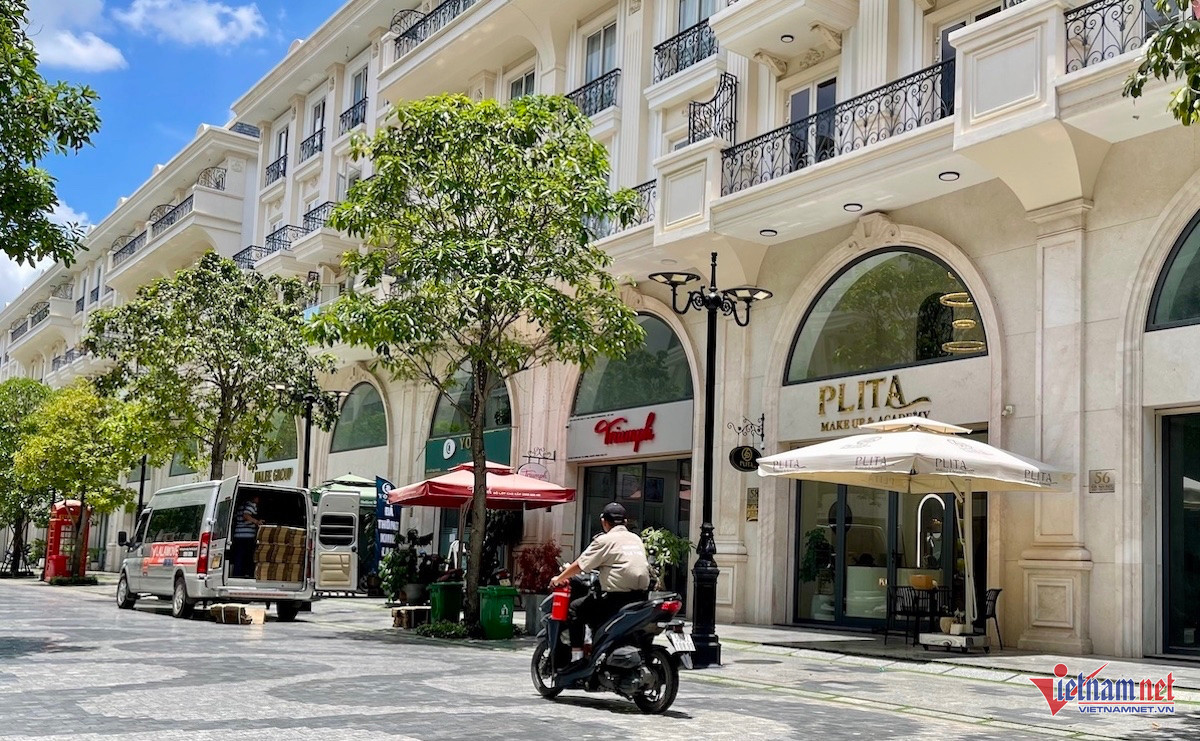
A townhouse in Van Phuc City in Hiep Binh ward, Ho Chi Minh City, was initially listed at VND36 billion (about $1.36 million). After several months without finding a buyer, the asking price was lowered to VND34 billion ($1.29 million). However, according to a broker named Nam, serious buyers are only willing to pay around VND31-32 billion ($1.17-1.21 million).
"People have made inquiries and viewed the property, but when it comes to negotiations, their offers are significantly below what the owner expects. The owner isn't willing to sell at those prices, so no deal has been reached," Nam said.
The disconnect between asking prices and buyers' offers is becoming increasingly evident in Ho Chi Minh City's townhouse and villa segments. A VietNamNet survey across several areas found that many owners have lowered their prices, but the reductions have not been enough to generate transactions.
According to brokers, buyers are no longer readily accepting prices based on sellers' expectations. They typically examine multiple properties, compare prices in the same area and pay particular attention to resale liquidity and rental potential.
For a VND30 billion ($1.13 million) home, a 5% reduction amounts to VND1.5 billion ($57,000), while a 10% cut is VND3 billion ($113,000). Brokers said some buyers, however, are only prepared to commit when prices are reduced by 20% or more from their original asking levels.
Dinh Minh Tuan, Southern Regional Director at Batdongsan, said prices of individual houses and townhouses are under pressure to adjust as liquidity and buying demand weaken.
Buyers are now taking more time to research, compare and negotiate rather than making quick purchase decisions, he said. Properties priced well above their practical value, income-generating potential or comparable properties in the area will continue to face pressure to move closer to what buyers are actually prepared to pay.
Market conditions suggest that not every discount is enough to generate liquidity. According to the survey, price cuts of less than 5% generally only increase buyer interest, while reductions of 5-10% can encourage more active negotiations. When prices are lowered by around 10-15%, the chances of closing a transaction are considered better, although many owners remain reluctant to sell at such discounts.
Developers offer bigger incentives, but buyers remain cautious
In the primary market, where properties are sold directly by developers for the first time, payment policies are increasingly being used to ease buyers' financial burden. According to Nam, buyers are now looking beyond headline prices and paying closer attention to the amount they ultimately have to pay, payment schedules and financing costs.
"Customers today don't just ask how much a house costs. They want to know the final amount they will have to pay, how the payments will be structured and whether the property will be easy to resell later," Nam said.
Primary townhouse developments in Ho Chi Minh City are offering a range of sales incentives. Some provide discounts of around 3-4%, while special programs can offer reductions of 20-28%. Developers are also combining these incentives with interest-rate support, extended payment schedules, principal repayment grace periods or vouchers.
Van Phuc City, for example, has previously offered incentives of up to 28%. At the lower end, SOHO – The Global City has offered around 3-9%, while Essensia Broadway has offered around 4%, alongside other incentives.
These incentives, however, do not fully reflect the market's ability to absorb available supply. Buyers are increasingly converting the entire package of incentives into an effective purchase price while weighing their cash flow and the property's practical value before making a decision.
Vo Hong Thang, Deputy CEO in charge of DKRA Consulting and Investment Director at DKRA Group, said the townhouse and villa market in Ho Chi Minh City and neighboring provinces and cities continues to have relatively abundant supply, while absorption remains low.
In August 2026, Ho Chi Minh City and surrounding areas recorded primary supply of about 7,738 units, down slightly by 0.2% from the previous month. Sales reached 609 units, up 4.4 times month on month. Despite that sharp increase, the absorption rate was only about 8%, indicating that liquidity has yet to improve significantly relative to the size of available supply.
Ho Chi Minh City accounted for 44% of supply, followed by Dong Nai with 34% and Tay Ninh with 22%. Primary prices remained high, spanning a particularly wide range from VND2.9 billion ($110,000) to VND700 billion ($26.5 million) per unit, with an average price of about VND23.4 billion ($886,000).
According to Thang, new supply continues to face difficulties because of obstacles in project preparation and implementation. Against that backdrop, flexibility in pricing, payment schedules and other financial terms will remain important to improving market liquidity.
Anh Phuong
.svg)
