 Vietnamnet.vn

 Podcast



Editor's note: In the hustle of modern life, pet ownership has become a source of emotional healing for many Vietnamese. VietNamNet presents the series The healing pet trend in Vietnam, highlighting touching stories of how people and animals find comfort and connection in one another.
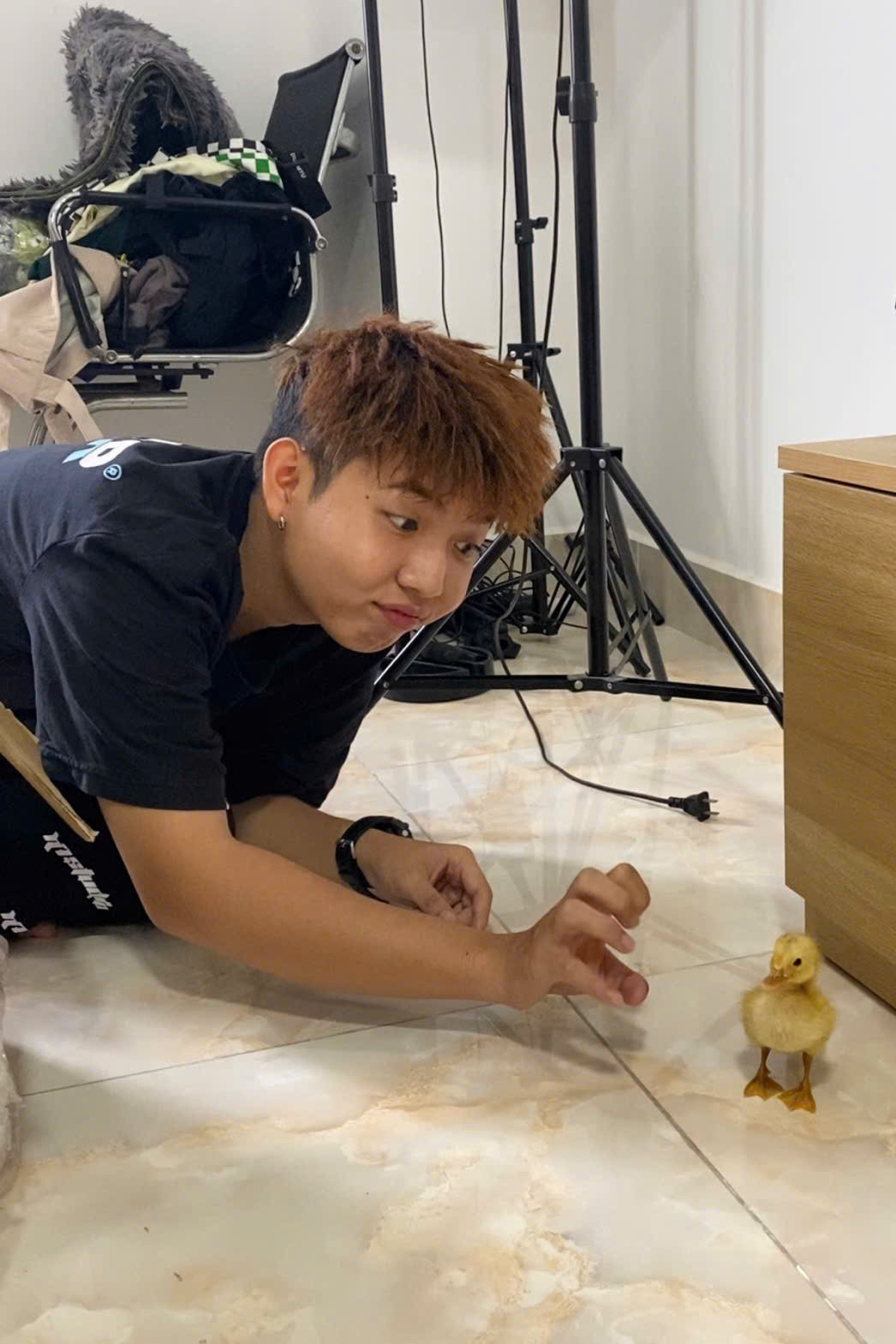
For more than two years, cheerful quacking sounds occasionally echo through the cozy home of Thai Kien Quoc (also known as Quoc Halo) in Ho Chi Minh City. These sounds come from a small duck that Quoc unexpectedly became the "foster dad" of in a humorous twist of fate.
"One time, I forgot to eat a balut egg, and it ended up hatching. I couldn't bear to abandon it, so I decided to raise it and named it Chuc," Quoc shared.
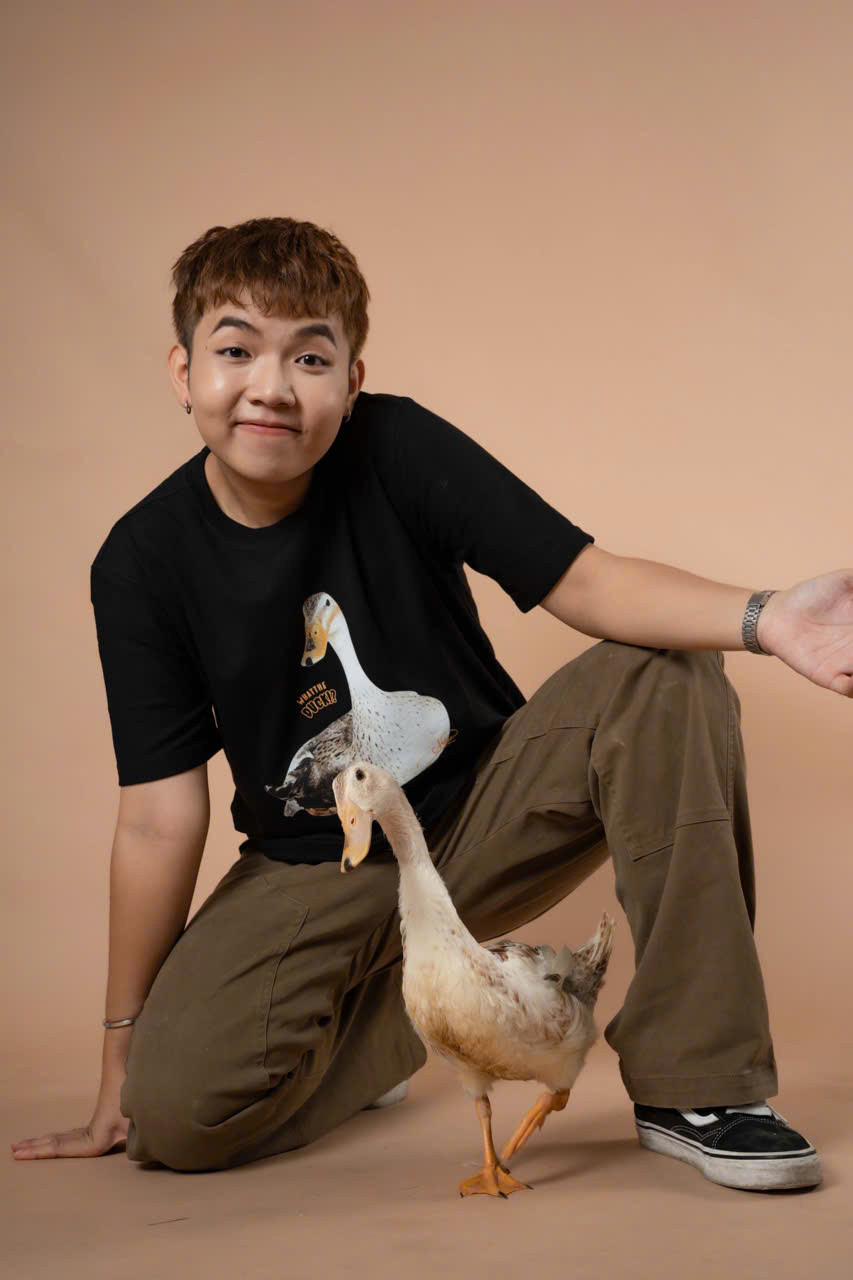
As Chuc the grass duck grew, Quoc added a Call Duck - a small ornamental breed - to keep it company. He explained that Call Ducks are cuter in appearance: short, round-bodied, with smooth white feathers and short bright yellow beaks. Personality-wise, grass ducks are more timid, while Call Ducks are curious and outgoing.
Raising ducks as pets, Quoc admitted, involves more work than traditional pets. He has to monitor their environment, health, and nutrition carefully.
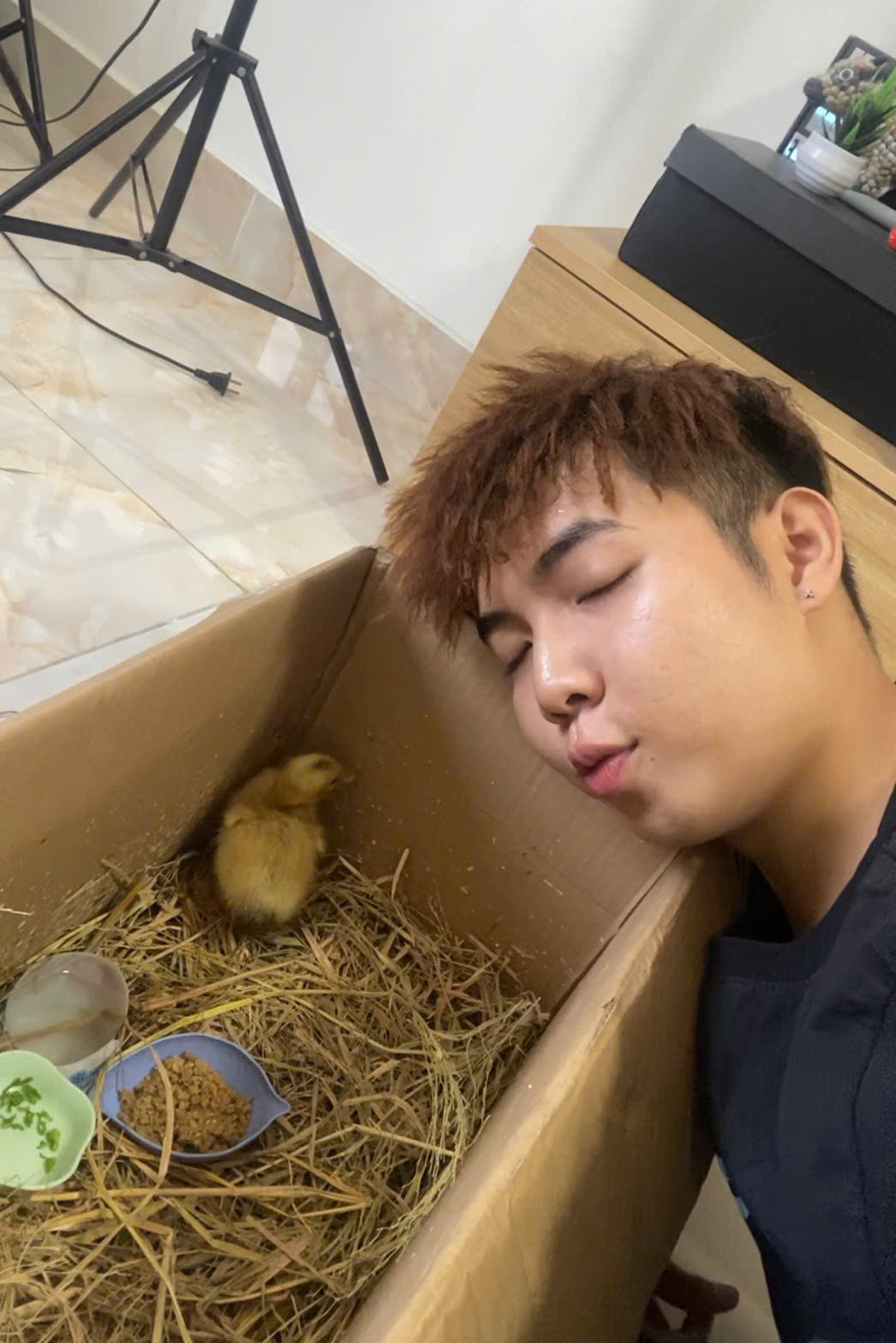
In the early days, he only gave the duck water and no food, knowing their digestive system is still fragile when newly hatched. Later, he gradually introduced small meals to keep them warm and healthy.
Although ducklings are naturally greedy eaters, Quoc limits them to two meals a day – morning and evening – in controlled portions to prevent bloating and shortness of breath. After about two weeks, he introduced vegetables, snails, and crabs for added nutrients, and deworms them every two weeks.
At 25, Quoc feeds his ducks with rice, soaked paddy, cucumber, and dried Thai crickets. Monthly food costs are around 20 USD. He also bathes them daily and cleans their living space to prevent odor.
“Sanitation is a big issue when raising ducks indoors. They don't poop on schedule or in specific spots, so I have to clean frequently. When taking them outside, I put them in diapers,” Quoc explained.
He acknowledged that raising ducks is more demanding than dogs or cats but offers unique and rewarding experiences. Ducks, he said, are smart, responsive, and playful.
Through his care, Quoc has learned much about ducks’ behavior and habits. He observed that grass ducks are hardier than Call Ducks. However, attention must still be paid to temperature and climate to ensure their well-being. He also emphasized providing clean drinking water to prevent digestive diseases.


“These two little ducks have added color to my life. They've given me new, joyful experiences and helped clear my mind, easing the pressures of daily life,” he said.
Raising ducks has also deepened Quoc's love for animals. He treats them like family, taking them out for walks, photo shoots, and sometimes even bringing them to work.
According to VietNamNet's research, besides grass ducks and Call Ducks, many Vietnamese are also raising mandarin ducks, wood ducks, and spotted-bill ducks as pets. Most are trained to live on land, and some don’t even swim, so no pond is needed.
Even so, owners must bathe them regularly to maintain clean, soft feathers.


T.M., who runs a Call Duck farm in Ho Chi Minh City, said the breed is affordable, with some ducks costing just a few million VND (roughly 200 USD). They are easy to care for, adaptable to city life, and live for 7-8 years with few health issues. A nutritious diet including dried insects, shrimp, and fish is essential, she noted.
These pets are not only adorable and non-aggressive but also small enough to fit comfortably into urban homes.
Stay tuned for the next article in this series: Quang Ninh couple adopts an abandoned calf and cares for it like a beloved child, feeding it herbs and milk.

Thao Trinh
.svg)
