 Vietnamnet.vn

 Podcast


At a thematic session on identifying new growth drivers during the Autumn Economic Forum 2026 on October 28, Associate Professor Dr. Le Quoc Cuong raised a central question: Why should Ho Chi Minh City develop an integrated technology belt instead of continuing to rely on separate industrial parks, software parks and high-tech zones?
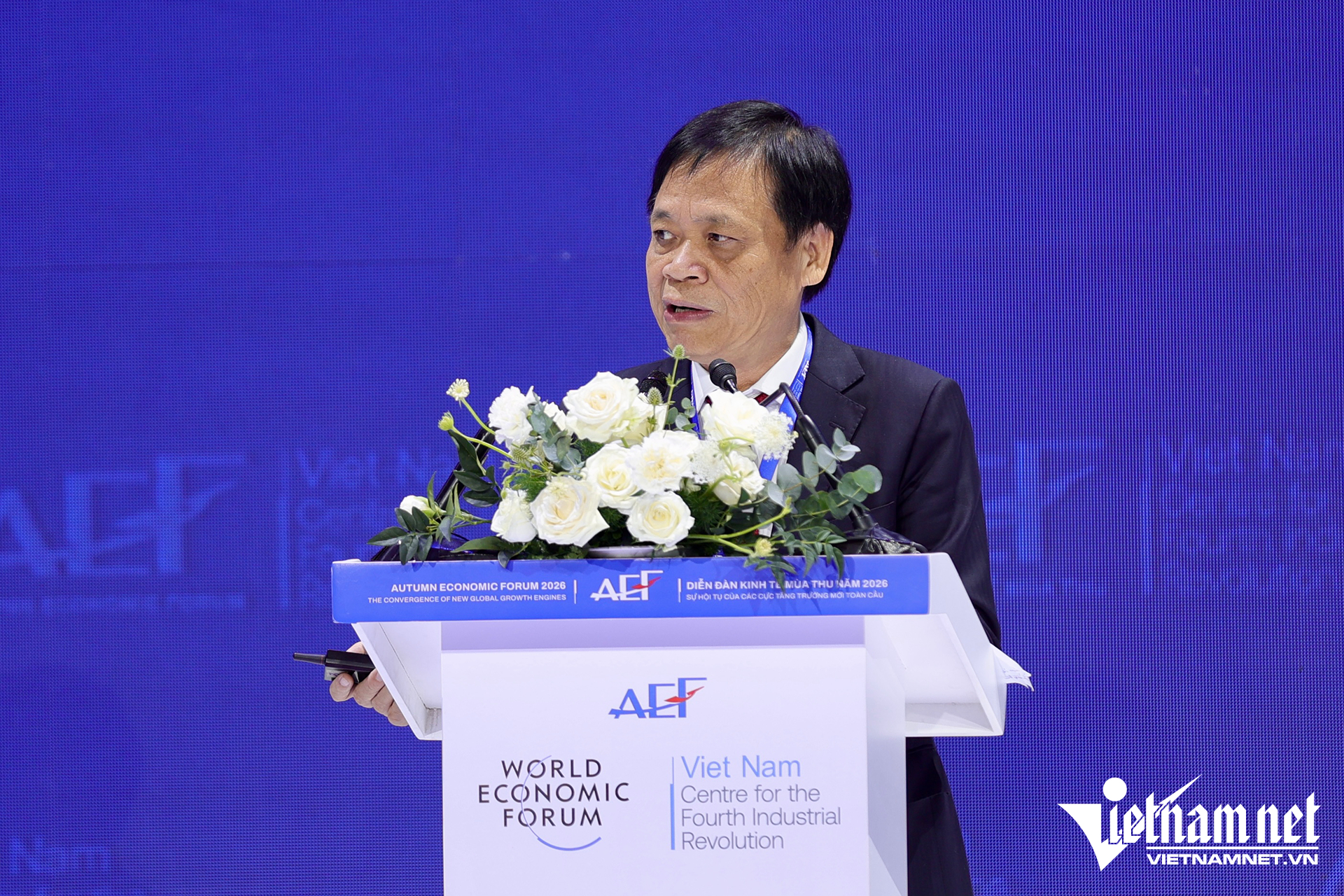
According to Cuong, the city is targeting double-digit GDP growth, with total factor productivity (TFP) expected to contribute more than 50% by 2025 and 60% by 2030. However, he cited an average annual figure of just 4-5% for the 2016-2024 period, highlighting the difficulty of closing the gap under the existing spatial development model.
Cuong argued that geographically dispersed development makes it difficult to connect resources and build synergies. Ho Chi Minh City's existing High-Tech Park, for example, has generated $23 billion in production value and created 53,600 jobs, yet its domestic technological capabilities remain limited.
Foreign-invested enterprises account for less than half of all projects in the park but contribute as much as 93% of its export turnover.
This imbalance, he said, illustrates how economic growth has not necessarily translated into stronger capabilities among domestic businesses.
He therefore called for a shift in development indicators, placing greater emphasis on the effectiveness of research and development (R&D) investment, connections between domestic enterprises and the commercialization of research, rather than focusing primarily on investment capital and project numbers.
Six specialized hubs proposed for technology belt
Drawing on the experience of six Asian economies and Ho Chi Minh City's expanded development space following its administrative merger on July 1, 2025, Cuong proposed establishing a technology belt comprising six specialized functional hubs.
Following the merger, the expanded city has 105 export processing zones and industrial parks covering more than 50,000 hectares, providing a substantial industrial foundation for the proposed network.
The first hub would focus on knowledge and talent development, anchored by Vietnam National University, Ho Chi Minh City, in Thu Duc and Di An. It would concentrate on high-quality workforce training, research and knowledge creation.
The second would be a high-tech hub built around the existing Saigon Hi-Tech Park, prioritizing strategic industries such as semiconductors, artificial intelligence, biotechnology and advanced materials.
A third hub would focus on advanced manufacturing, transforming major industrial parks in the former Binh Duong province into centers for high-tech production and smart manufacturing.
The fourth would combine innovation and finance in Thu Thiem, which is envisioned as an international financial center connecting capital markets with R&D, startups and technology commercialization.
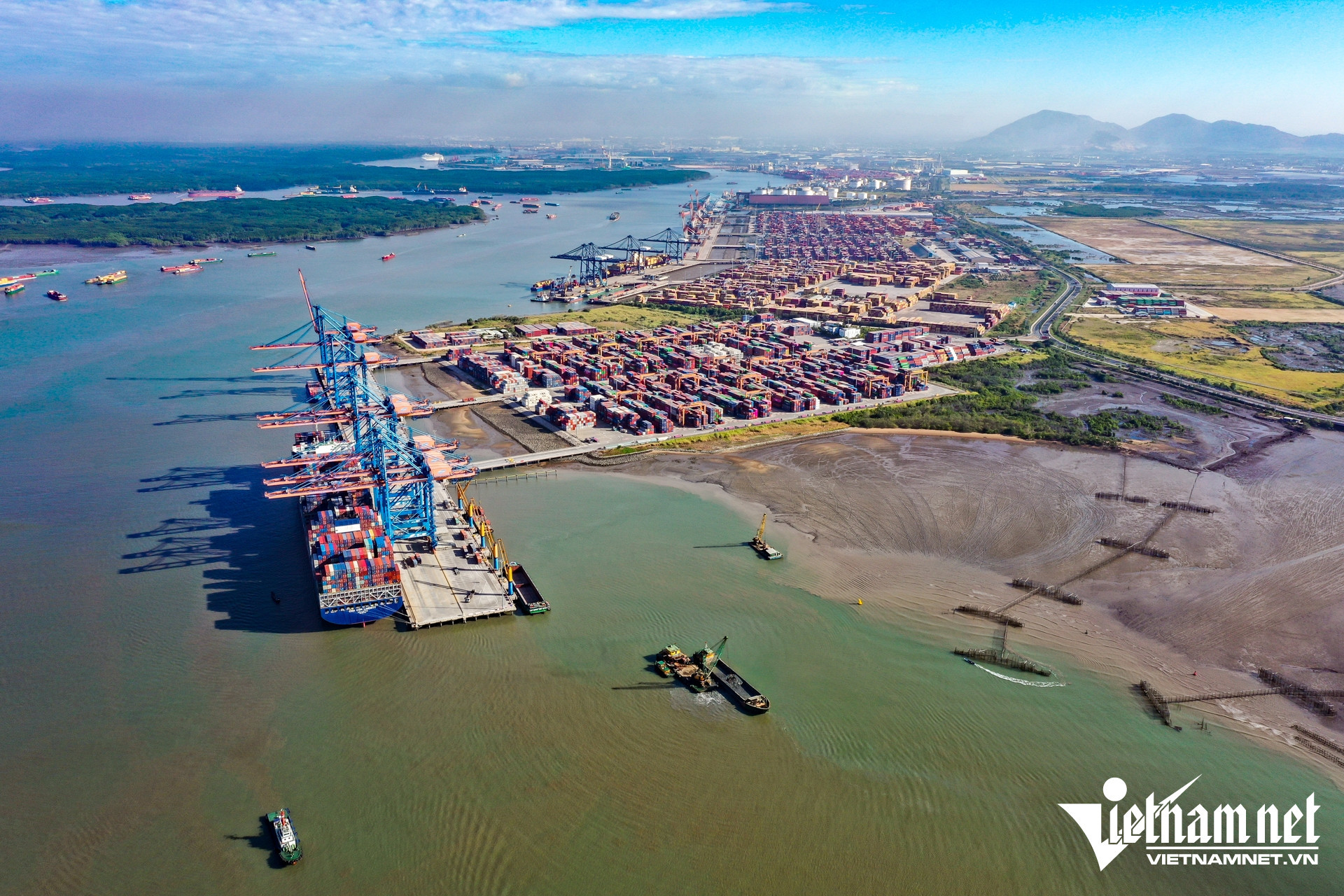
The fifth hub would develop global logistics capabilities around the Cai Mep - Thi Vai port complex and Can Gio, strengthening the region's links with international trade and supply chains.
The sixth would focus on the green and marine economies along the Can Gio - Vung Tau coastline, supporting the goal of achieving net-zero emissions by 2050.
The proposed belt would operate through six layers of connectivity: physical infrastructure, digital infrastructure, science and technology, economic linkages, institutional coordination and international integration.
These connections would facilitate six major flows: knowledge and human resources, technology, capital, innovation, logistics, and data and global connectivity.
"The strength and effectiveness of the belt will be determined by the degree of connectivity, not geographical proximity," Cuong emphasized.
Integrated governance framework and roadmap to 2075
Drawing lessons from international models such as Taiwan's Hsinchu Science Park, South Korea's Daedeok research cluster and Singapore's JTC industrial development system, Cuong said successful Asian innovation ecosystems share one important characteristic: clearly defined coordination institutions.
Without an effective coordinating body, he argued, specialized hubs would struggle to function as parts of a unified system.
To put the technology belt into operation, Cuong proposed an Integrated Innovation Coordination Framework (IICF) comprising seven components organized around three pillars: capital connectivity, technology and innovation connectivity, and a cooperation framework.
Under the proposal, a multi-stakeholder Technology Belt Coordination Council would oversee strategic coordination without replacing the specialized regulatory responsibilities of government agencies.
The belt would also pursue international integration across three levels: the Greater Mekong Subregion (GMS), ASEAN and the global economy.
Ho Chi Minh City's Centre for the Fourth Industrial Revolution (C4IR) would serve as a focal point for these international connections.
The proposed implementation roadmap spans three stages.
From 2026 to 2030, the city would pilot new institutional mechanisms, establish the coordination council and develop foundational R&D platforms.
Between 2030 and 2045, the technology belt would undergo a phase of controlled expansion, building on the initial institutional and technological foundations.
The final stage, from 2045 to 2075, would aim to transform the network into a major science and technology megaregion ranked among the world's top 100 innovation clusters under the World Intellectual Property Organization (WIPO) framework.
The roadmap also incorporates the goal of achieving net-zero emissions by 2050.
Cuong stressed that the model's success would depend on effective regional coordination, meaningful regulatory sandbox mechanisms that allow innovative approaches to be tested, and strong cooperation among participating institutions and businesses.
Ultimately, he argued, the value of the proposed technology belt would not lie in the size of any individual hub, but in the quality of the connections linking them together.
Thu Ha - Phuoc Sang

