 Vietnamnet.vn

 Podcast


On October 31, the Ho Chi Minh City People’s Committee approved the city’s master plan for 2025-2050 with a 100-year vision, setting a new development direction following its merger with Binh Duong and Ba Ria - Vung Tau.
Beyond reorganizing urban space, expanding growth centers and identifying new economic drivers, the master plan calls for balancing modernization with heritage conservation, cultural identity and improvements in residents’ quality of life.
Speaking to VietNamNet, Associate Professor Vu Tuan Hung, director of the Southern Institute of Social Sciences, said the challenge facing Ho Chi Minh City in its journey toward becoming a global metropolis goes beyond constructing modern buildings or expanding urban areas.
More importantly, the city must preserve the values that define its distinctive identity, from architectural heritage and urban memories to livelihoods and the social cohesion of residential communities.
Heritage must not be sacrificed for short-term gains
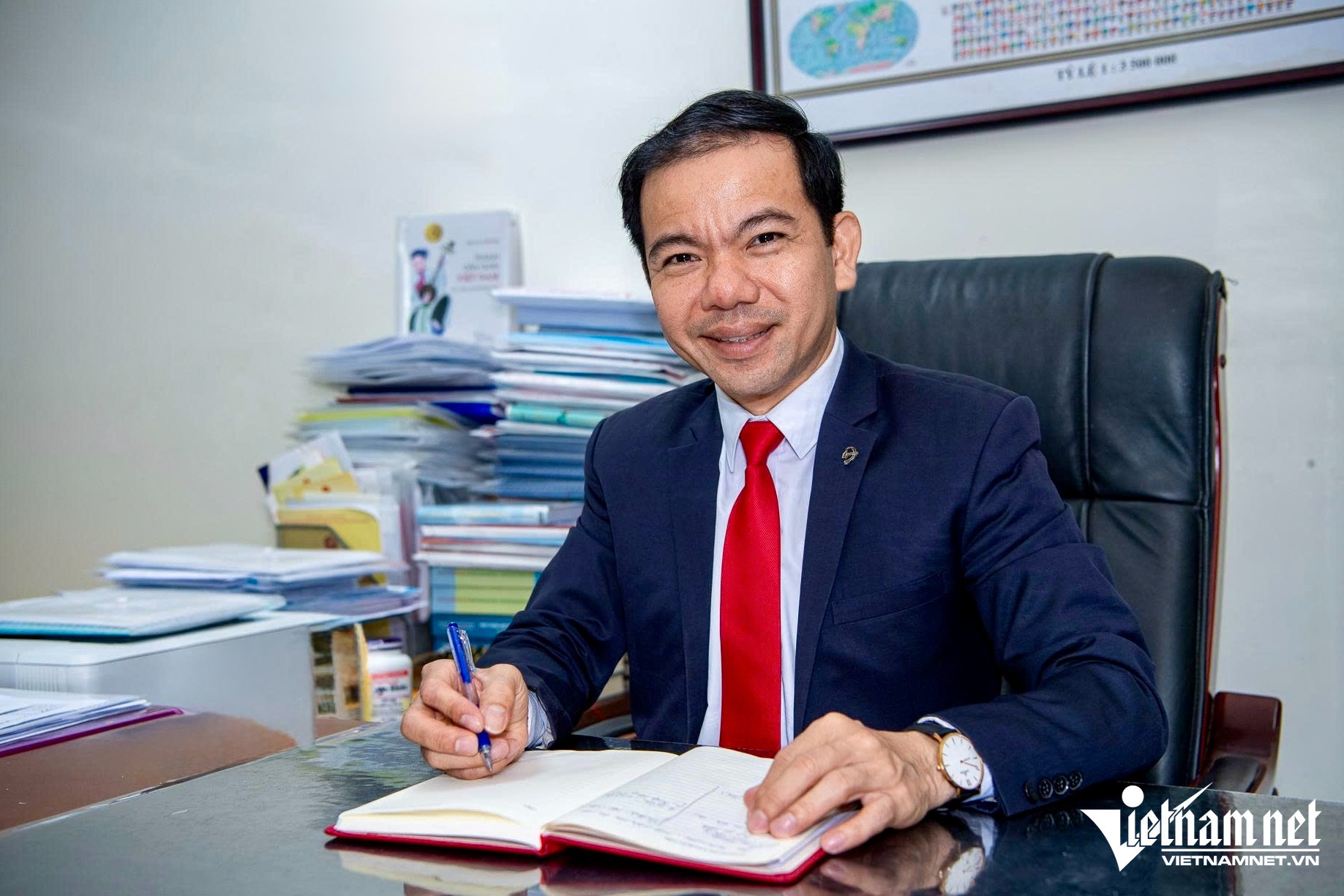
Hung described Ho Chi Minh City’s master plan as strategically significant, not only in shaping its development landscape but also in defining its future identity and standing.
One notable direction is the preservation and promotion of cultural, historical and heritage values alongside economic development.
He said this is particularly important for a city with a long history, diverse cultural influences, a dynamic and open tradition, and a distinctive river-based identity rooted in southern Vietnam.
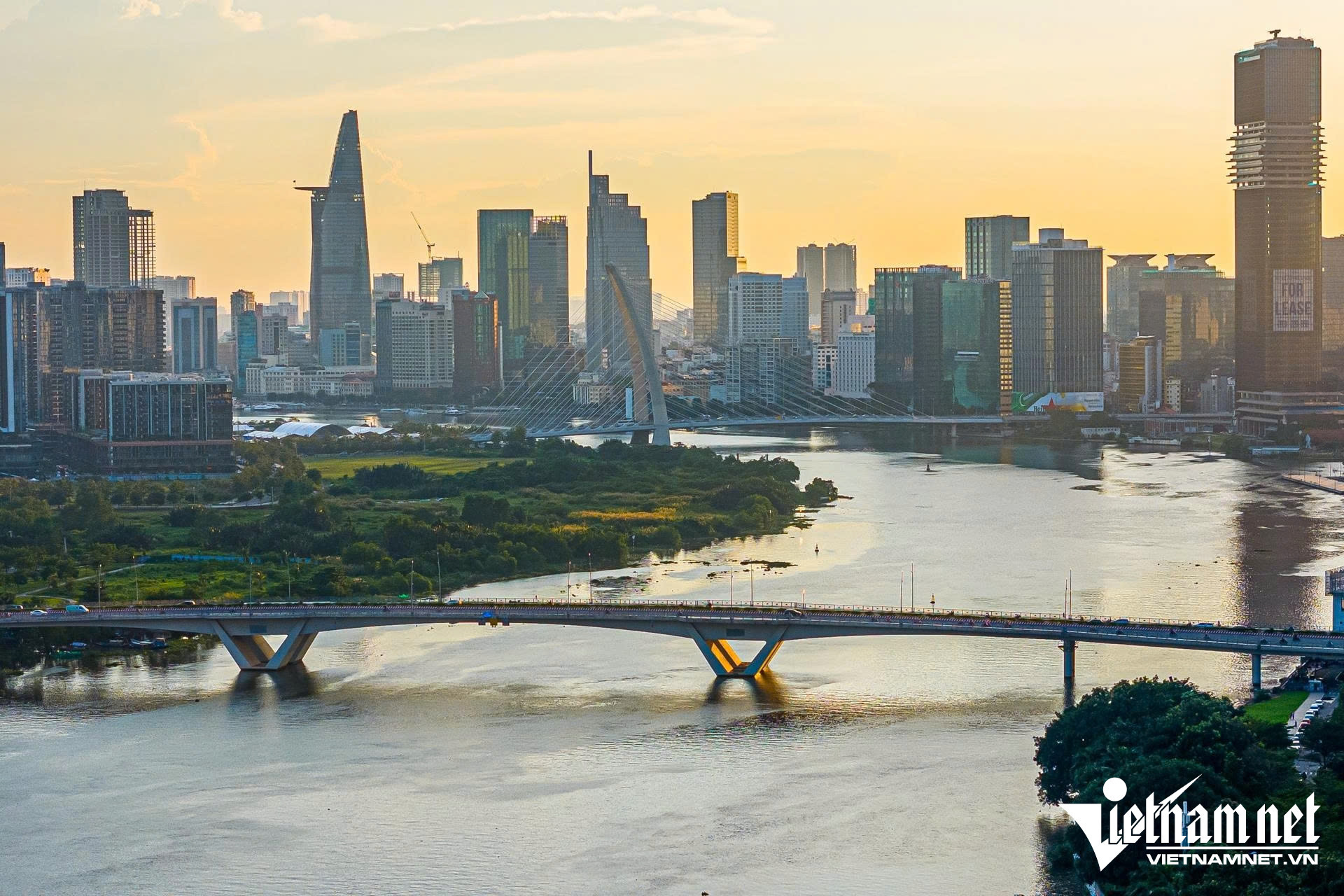
Within the existing urban landscape, the Saigon - Cho Lon area, Thu Thiem and both banks of the Saigon River possess unique values shaped over different historical periods and closely connected to economic development, commerce and community life.
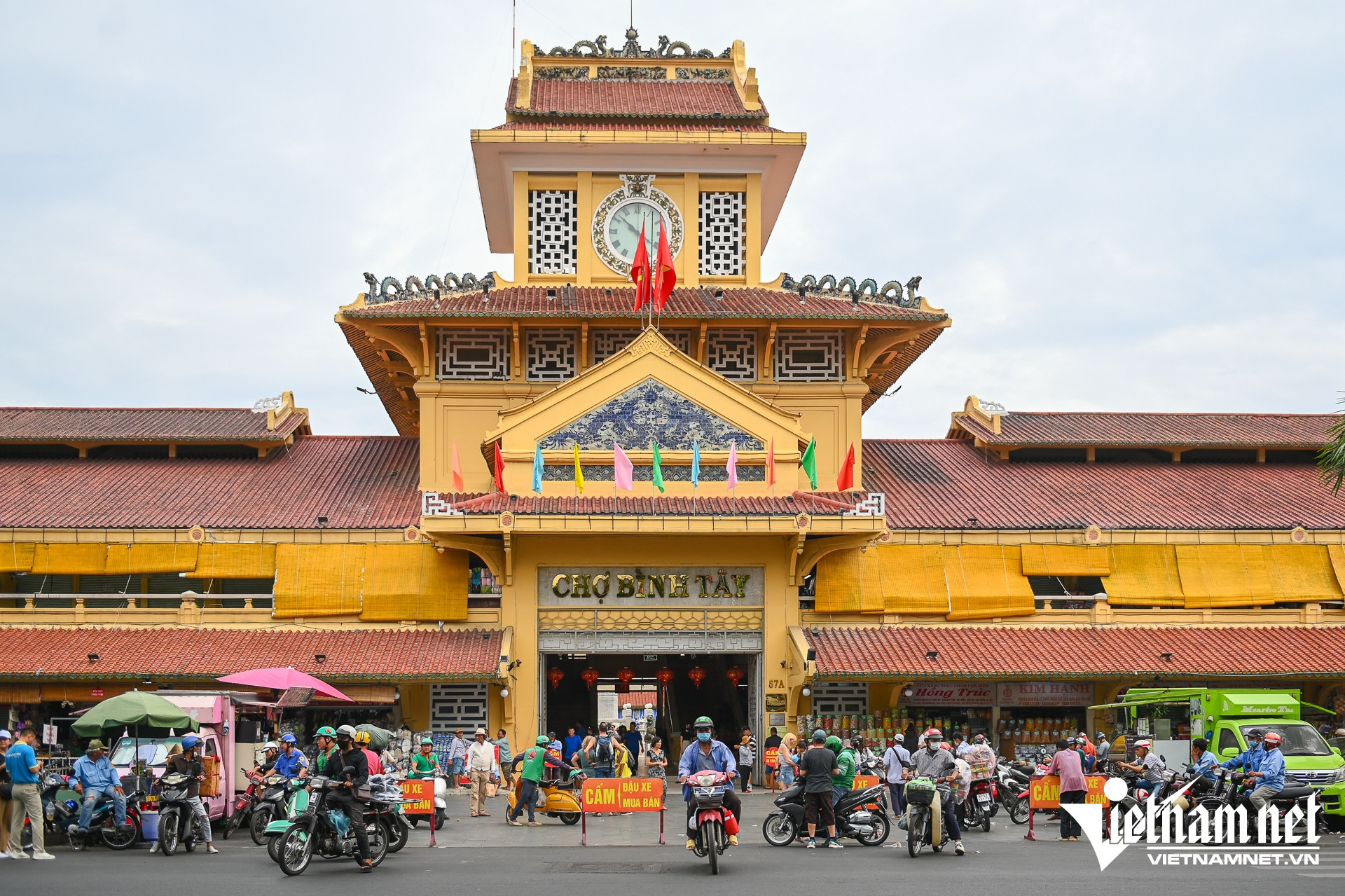
Ho Chi Minh City retains traces of its evolution into a modern metropolis, while Cho Lon embodies the distinctive culture, architecture and commercial traditions of the ethnic Chinese community.
Meanwhile, Thu Thiem and both banks of the Saigon River reflect the intimate relationship between the city and its waterways, encompassing landscapes, ecosystems, economic activities and community life.
To preserve these values, the city needs to protect architectural landmarks, historical sites, traditional markets, canal networks and communal spaces.
Particular attention should be paid to intangible cultural heritage, including the lifestyles, customs, memories and identities of long-established residential communities.
“Preserving identity does not mean keeping the city frozen in the past. It means creating a harmonious continuity between heritage and modernity,” Hung emphasized.
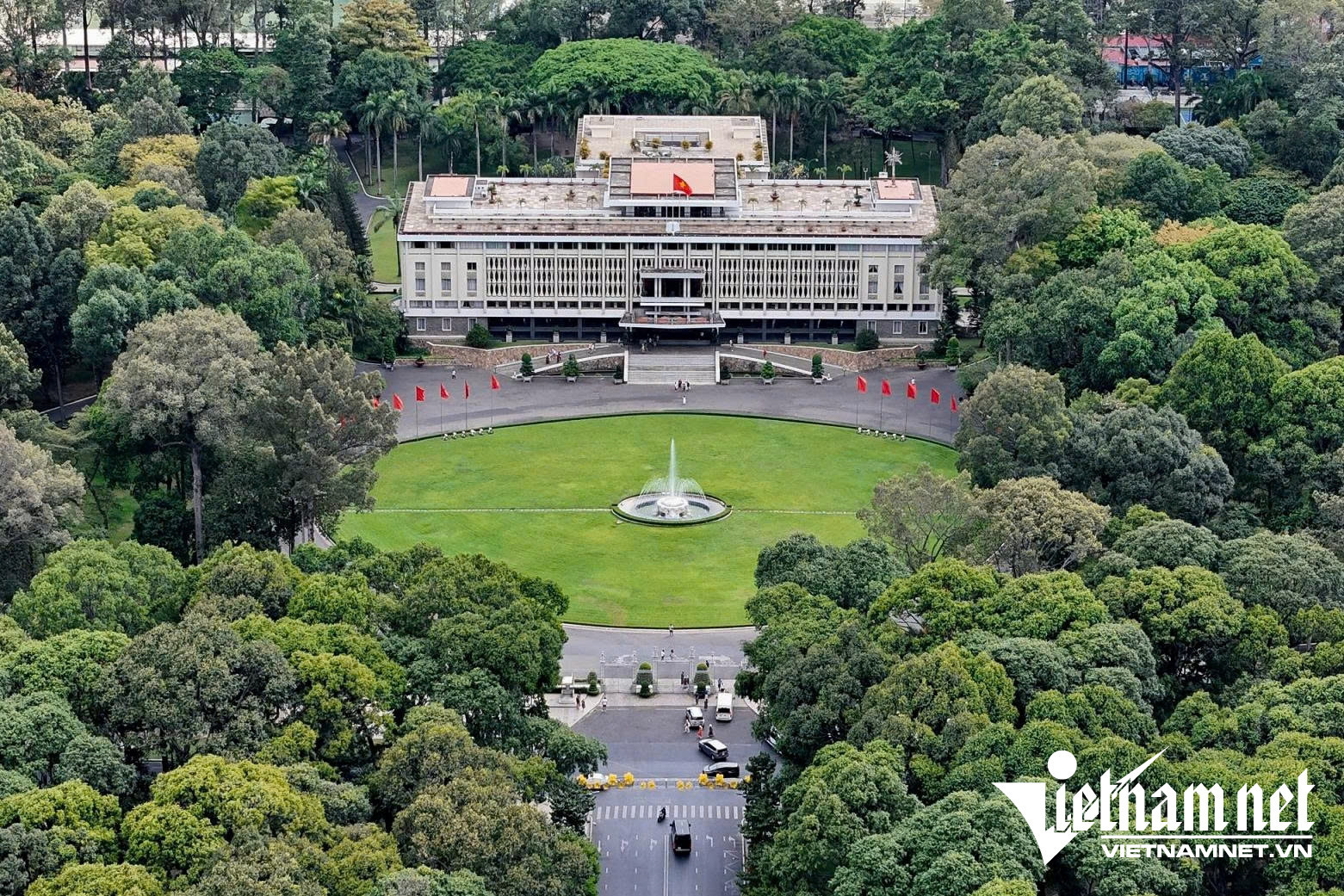
According to the expert, heritage conservation and urban redevelopment are not conflicting objectives. What matters is choosing an appropriate development approach that safeguards Ho Chi Minh City’s historical and cultural values and distinctive identity.
For areas requiring renovation or redevelopment, the city must thoroughly assess the value, uniqueness, historical significance and community role of their heritage.
Irreplaceable heritage assets of exceptional value should receive strict protection. Other areas may be renovated, repurposed or redeveloped while respecting existing urban structures and landscapes.
“The important thing is not to sacrifice irreplaceable heritage for short-term development gains. A modern city needs new buildings, but it must also retain its own memories and identity,” Hung said.
Preserving living heritage means protecting communities
Another issue of particular concern to Hung is the preservation of living heritage, including community culture, traditional crafts, cuisine, festivals and residents’ collective memories.
Heritage, he explained, exists not only in architectural landmarks or officially recognized historical sites. Many cultural values are preserved through everyday life, customary practices, commercial activities, traditional occupations and relationships between generations of residents.
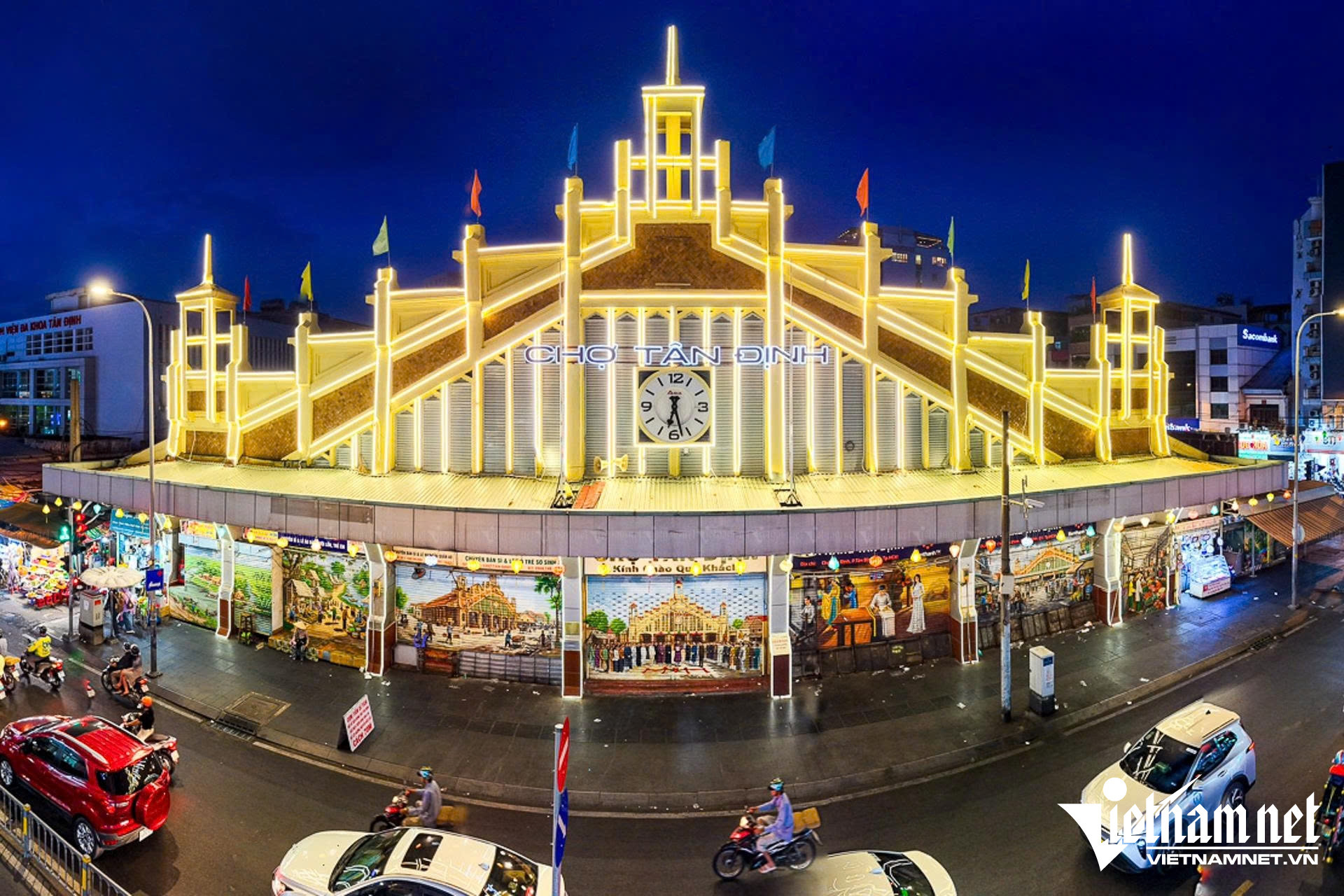
“To preserve living heritage, we must first protect the communities that practice, safeguard and pass these values on to future generations,” he stressed.
From this perspective, Ho Chi Minh City needs policies to support artisans, traditional businesses and long-established residential communities while maintaining traditional markets, craft streets, festivals and cultural gathering spaces.
Combining heritage conservation with cultural tourism, the creative economy and digital transformation could also enhance the economic value of heritage assets.
However, Hung cautioned against excessive commercialization when developing cultural industries and the creative economy in areas with strong cultural identities.
If development focuses solely on short-term tourism gains, traditional cultural spaces risk becoming products designed for visitors, while their authentic values and the role of the communities that sustain them gradually diminish.
The economic use of heritage must be grounded in cultural values, authenticity and respect for local communities.
Creative activities should involve researchers, artisans and residents while ensuring that benefits are shared equitably.
As Ho Chi Minh City expands its development landscape following the merger, heritage conservation can no longer be confined to the historic Saigon - Cho Lon area.
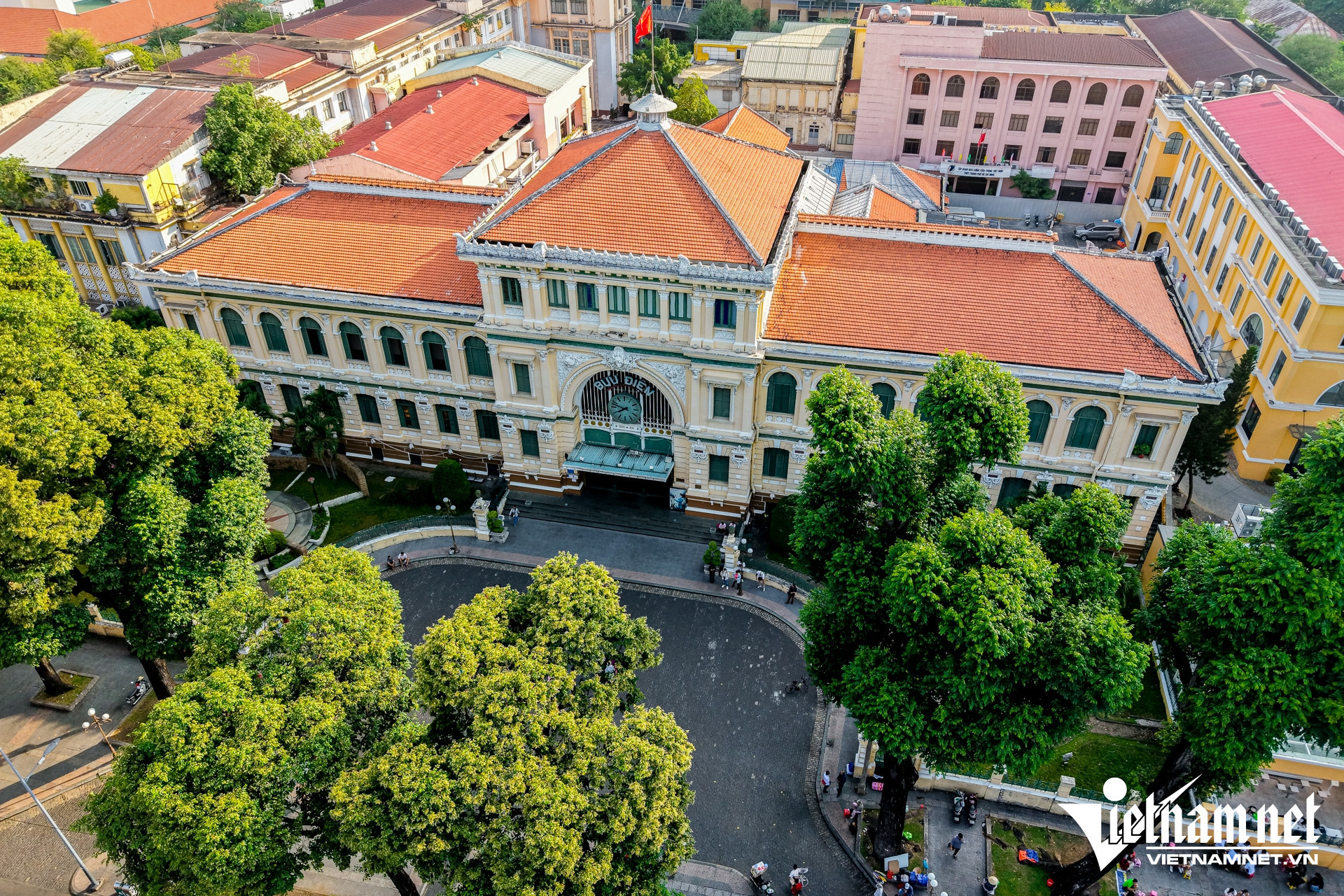
According to Hung, the city’s river-based identity, openness and ethnic diversity must be meaningfully reflected in urban planning rather than merely represented through decorative symbols.
The city needs to preserve rivers, canals, waterfront landing sites, riverside parks, public squares and communal spaces.
It should also create opportunities for ethnic Chinese, Khmer, Cham and other communities to preserve and promote their cultural identities through festivals, arts and cuisine.
Plans to connect the heritage of Saigon - Cho Lon, traditional craft villages in Binh Duong and southern coastal culture into distinctive cultural and heritage tourism routes and products offer a new approach.
Under this approach, heritage should be understood through connections between cultural regions rather than through the isolated preservation of individual buildings or sites.
For the Saigon River in particular, Hung proposed linking historical buildings, ports, monuments, cultural spaces and riverside residential areas into a continuous “heritage corridor,” integrated with parks, public squares and pedestrian walkways.
Crucially, the city must guarantee public access, limit the privatization and fragmentation of waterfront spaces, and maintain residents’ connection with the river.
“The value of a river-based heritage corridor lies not only in its beautiful scenery but also in its ability to restore the relationship between the city, the river and residential communities, thereby creating a distinctive identity for Ho Chi Minh City,” Hung said.
Urban redevelopment must not push low-income residents out
Alongside heritage conservation, Hung believes the social consequences of urban redevelopment require careful consideration.
Gradually relocating production activities that are no longer appropriate for the urban core could improve the quality of urban spaces.
However, the process would also directly affect employment, income and livelihoods, particularly those of workers, small business owners and groups with longstanding ties to these areas.
To mitigate these impacts, the city should develop a relocation roadmap based on social impact assessments, transparent information disclosure and public consultation.
It should also introduce policies supporting vocational training, career transitions and access to credit, while enabling household businesses to continue operating at their new locations.
“Looking back at Ho Chi Minh City’s canal rehabilitation, aging apartment renovation and resettlement projects, I believe the difficulties lie not only in financial or technical resources but also in balancing the interests of the government, investors and residents,” Hung said.
For riverside and canalside residential areas, aging apartment buildings and informally developed neighborhoods requiring renovation, the expert emphasized that resettlement involves much more than moving residents from one home to another.
The process must preserve social relationships, livelihoods and community bonds established over generations.
Focusing solely on compensation and housing quality while overlooking commuting distances, employment, schools, traditional markets and neighborhood relationships could severely disrupt existing social networks.
Hung proposed prioritizing on-site resettlement or relocation close to residents’ original homes wherever possible.
Resettlement areas should be comprehensively planned with adequate infrastructure, services and communal spaces. Residents should also participate in designing and organizing their new living environments.
The fundamental principle is to put people at the center of development, ensuring access to affordable housing, employment opportunities and essential services.
The city must avoid a situation in which low-income residents can no longer afford to live in central areas following redevelopment.
“The success of urban redevelopment should be measured not only by the appearance of newly developed spaces but also by its ability to safeguard livelihoods, stabilize living conditions and create development opportunities for those directly affected,” Hung emphasized.
To realize its 100-year vision, Ho Chi Minh City must also recognize the social sciences and humanities as an essential knowledge foundation for urban governance and development.
Urban planning should not rely solely on economic, technical and infrastructure indicators. It must also incorporate comprehensive research into people, demographics, culture, society, history and evolving community dynamics.
This would provide a foundation for the city to become a modern, internationally competitive metropolis while preserving its identity, ensuring quality of life and preventing vulnerable communities from being left behind.
Heritage conservation in Ho Chi Minh City’s 100-year master plan
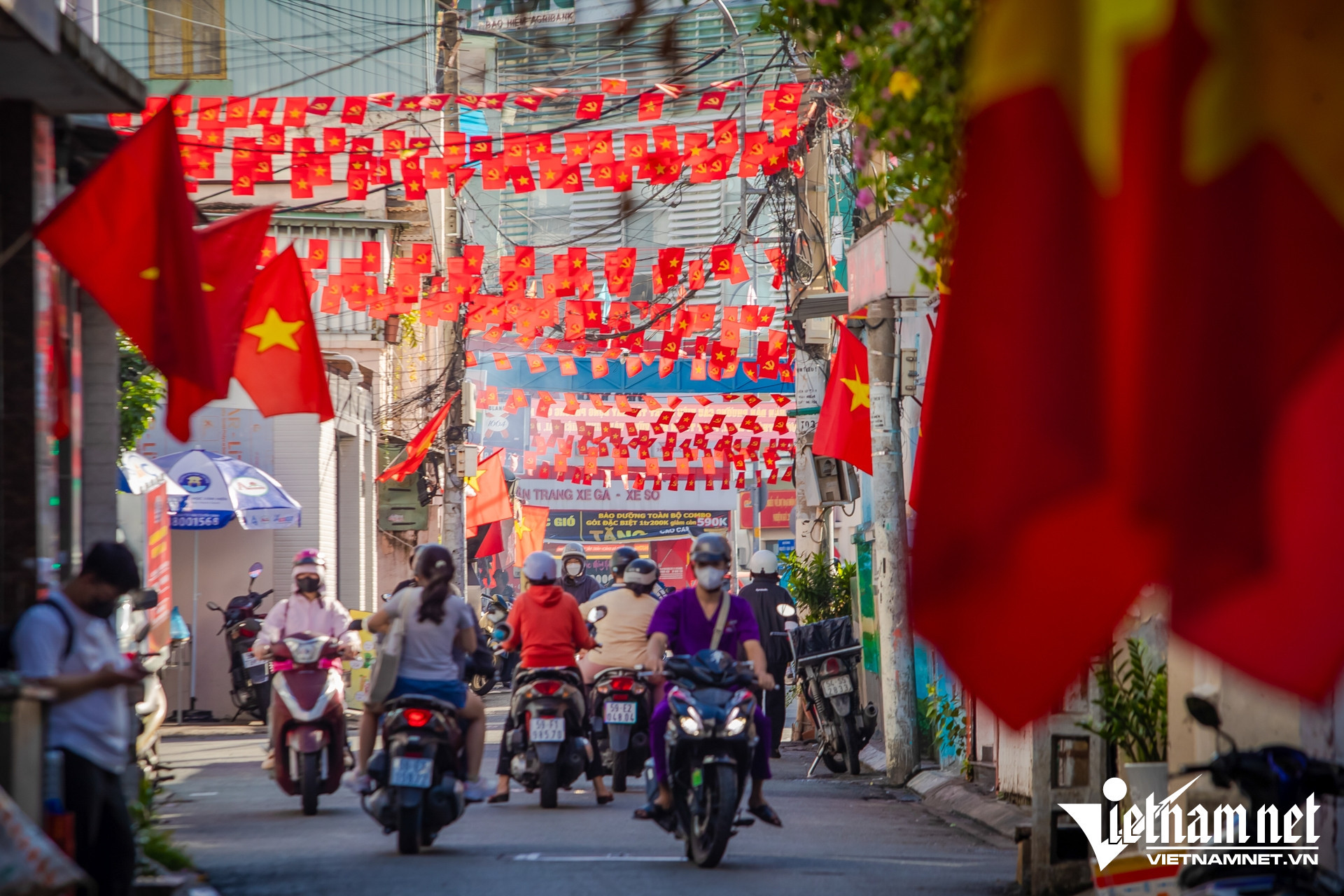
Ho Chi Minh City’s master plan for 2025-2050 with a 100-year vision sets out objectives to preserve and promote cultural, historical, landscape and heritage values alongside sustainable urban development and tourism.
The city plans to connect the heritage of Saigon - Cho Lon, traditional craft villages in Binh Duong and southern coastal culture to develop distinctive cultural and heritage tourism routes and products.
Historical sites, architectural landmarks, museums, craft villages, festivals, pedestrian streets and public spaces will also be integrated into tourism activities.
Digitalization and technological applications will be promoted to enhance visitor experiences while encouraging local communities to participate in and benefit from tourism development.
For Con Dao, the master plan prioritizes the conservation of its national park, forest, wetland and marine ecosystems, as well as historical and cultural sites.
Can Gio, Long Hai - Phuoc Hai and Ho Tram - Binh Chau are also designated for tourism development alongside the conservation of natural resources, landscapes and ecosystems.
Phuoc Sang

