 Vietnamnet.vn

 Podcast



Speaking at a national scientific conference on May 8 titled “Special Urban Law - Institutional Breakthroughs for Ho Chi Minh City”, Nguyen Truong Nhat Phuong, Vice Chairwoman of the Ho Chi Minh City People’s Council, said the transition from pilot resolutions to a permanent legal framework had become an urgent necessity.
The conference was jointly organised by the Standing Committee of the Ho Chi Minh City People’s Council and Ho Chi Minh City University of Law.
In her opening remarks, Nguyen Truong Nhat Phuong stressed that Ho Chi Minh City has long been recognised as Vietnam’s leading economic, financial, commercial, scientific and technological hub, as well as a centre for innovation.
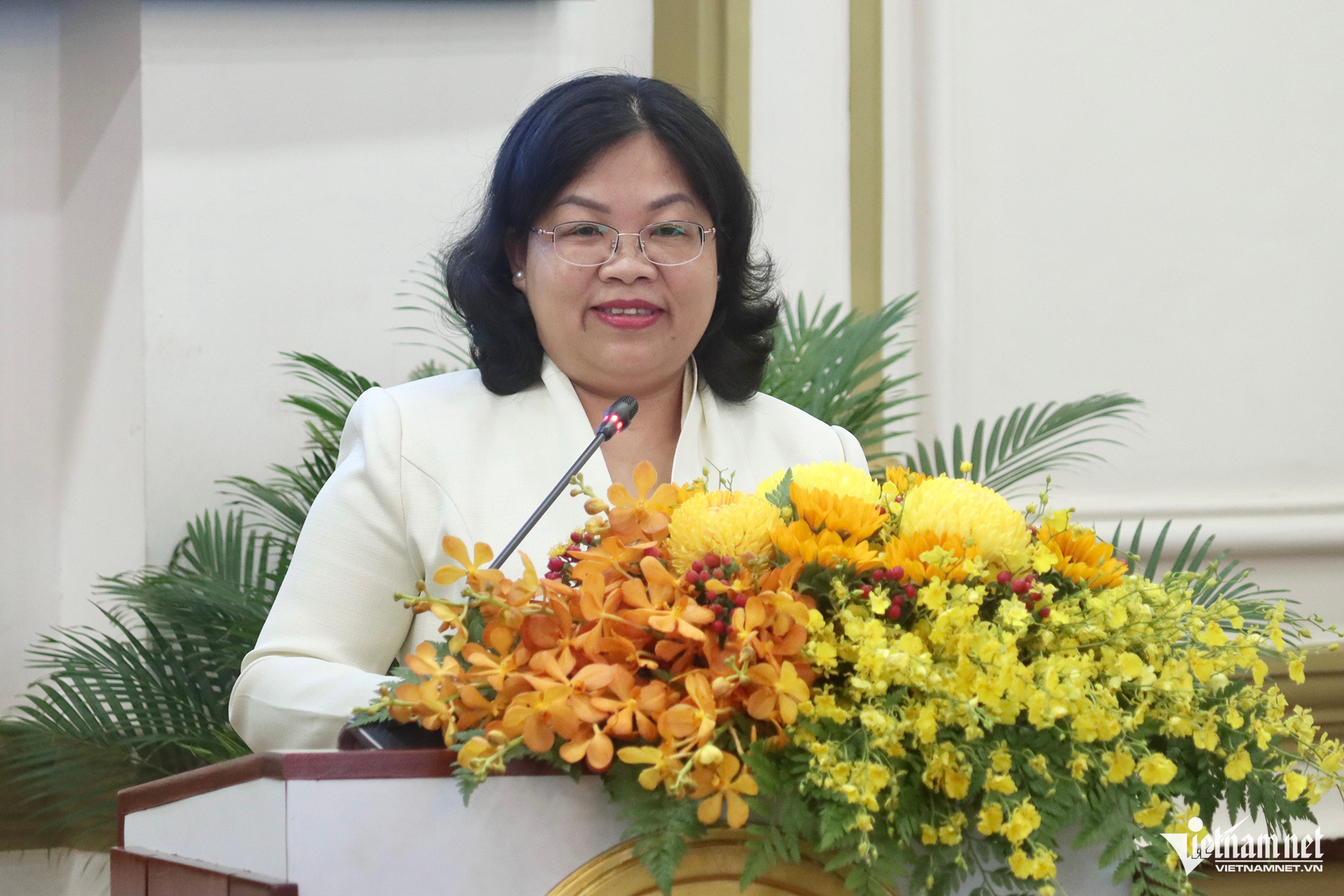
Nguyen Truong Nhat Phuong, Vice Chairwoman of the Ho Chi Minh City People’s Council, delivers opening remarks at the conference.
Over the years, the Party and State have granted the city several special mechanisms through Resolution No. 54/2017/QH14, Resolution No. 98/2023/QH15 and Resolution No. 260/2025/QH15, which have delivered significant achievements.
However, she also pointed out the limitations of the pilot mechanism model, saying it remained constrained by time limits and lacked consistency with the broader legal system.
“The transition from pilot resolutions to a sustainable law is an urgent requirement to create a stable and flexible institutional framework capable of meeting the city’s long-term development needs,” she said.
Nguyen Truong Nhat Phuong also revealed that during a working session with the Standing Committee of the Ho Chi Minh City Party Committee on April 27, Party General Secretary and State President To Lam affirmed the Politburo, National Assembly and Government’s support for the city to draft the Special Urban Law.
Four key areas of focus
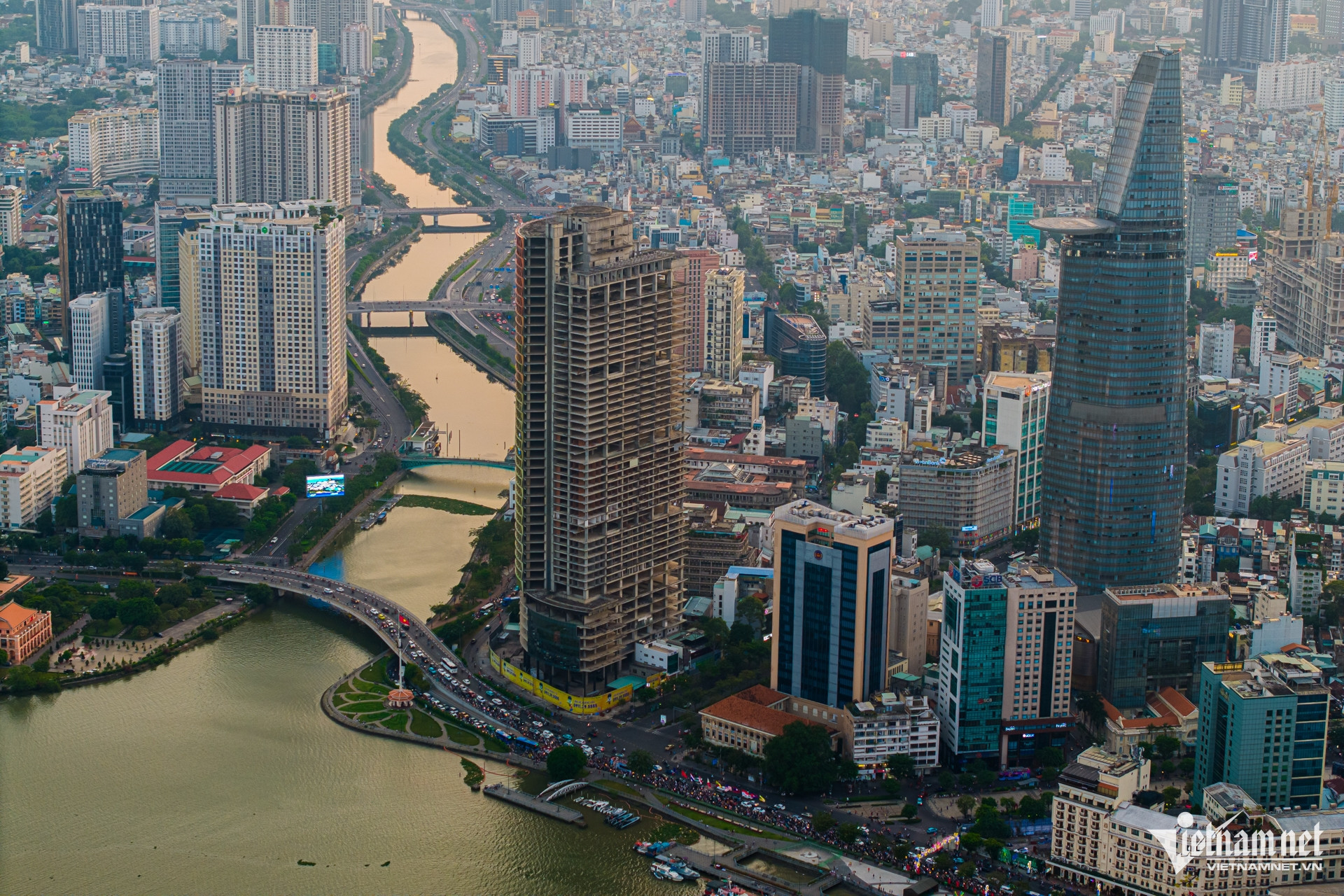
Illustrative photo: Nguyen Hue
The Standing Committee of the Ho Chi Minh City People’s Council identified four major issues for discussion at the conference.
The first is improving the city’s two-tier local government model in a modern, flexible and effective direction, while proposing stronger decentralisation mechanisms based on the principle of “local authorities decide, implement and take responsibility”.
The second involves creating mechanisms to mobilise and effectively utilise land and financial resources, while encouraging private sector participation in transport infrastructure, social infrastructure, healthcare and education development.
The third focuses on designing enabling legal provisions for breakthrough sectors such as finance, science and technology, and innovation, based on practical shortcomings identified during the implementation of previous special mechanisms.
The fourth aims to establish breakthrough policies for attracting leading experts and scientists, ensuring reasonable income mechanisms for public officials tied to performance, and protecting officials willing to take bold action for the public good.
“A breakthrough of breakthroughs”
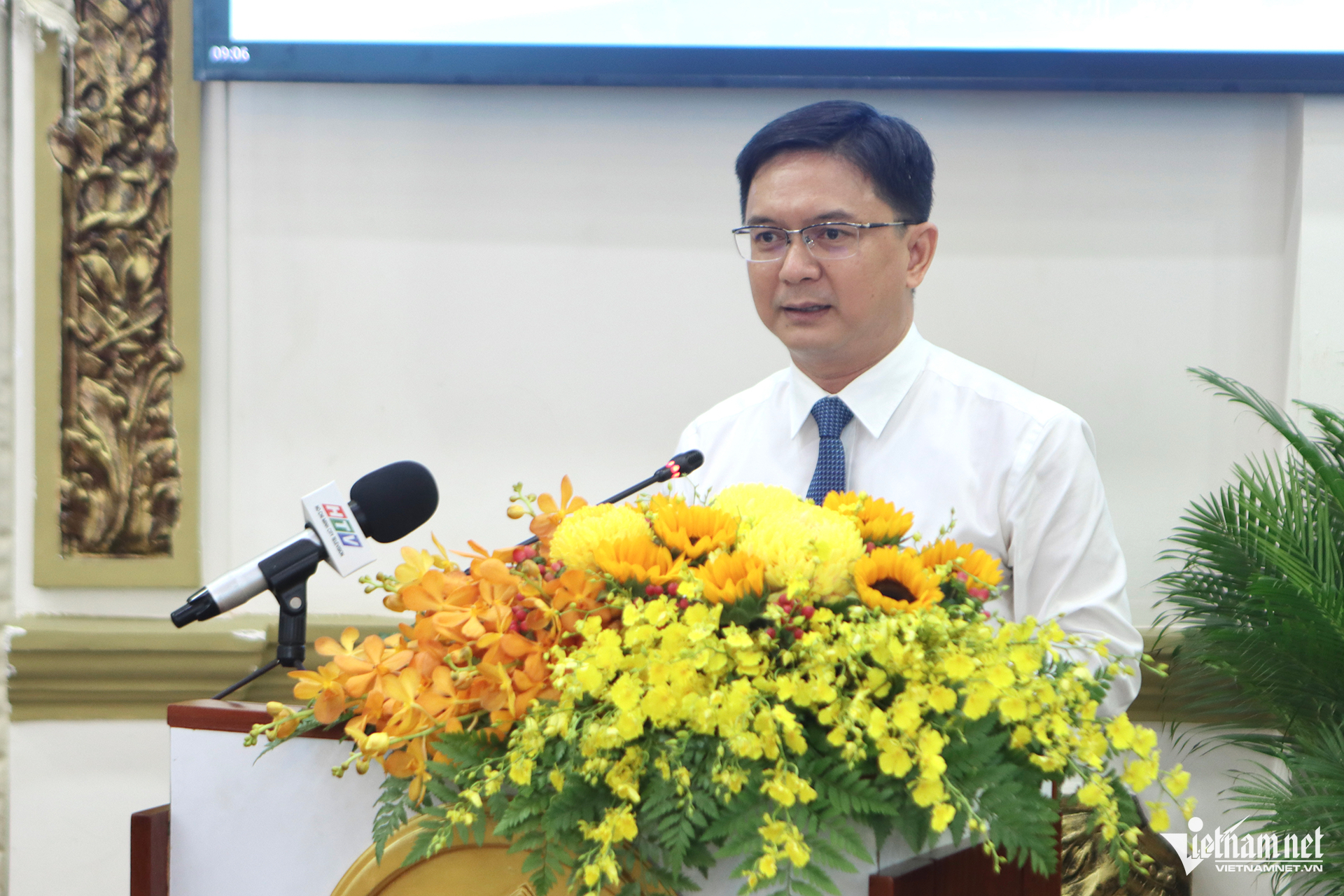
Nguyen Manh Cuong, Vice Chairman of the Ho Chi Minh City People’s Committee, said the city is working closely with central agencies to draft the Special Urban Law, describing it as a highly important legislative project for the city’s future development direction.
Regarding socio-economic performance, Cuong said Ho Chi Minh City recorded GRDP growth of 8.3% in 2025 - the highest level during the 2021-2025 period. In the first quarter of 2026, the city’s GRDP continued to grow by 8.27%.
Although the city has not yet achieved double-digit growth, he described the results as positive given current challenges.
“The Special Urban Law will be a breakthrough of breakthroughs in institutional reform, carrying decisive significance for Ho Chi Minh City’s competitiveness and position in the region and internationally,” he said.
All opinions and recommendations collected at the conference will be compiled by the Standing Committee of the People’s Council and Ho Chi Minh City University of Law before being submitted to the city’s Party Committee, the law drafting steering committee and central agencies.
Phuoc Sang
.svg)
