 Vietnamnet.vn

 Podcast



The Ho Chi Minh City Department of Food Safety plans to complete inspections of all school kitchens by the end of October or early November, Deputy Director Le Minh Hai announced at a socio-economic press briefing on October 8.
The citywide inspections aim to ensure that meals served to students meet food safety standards.
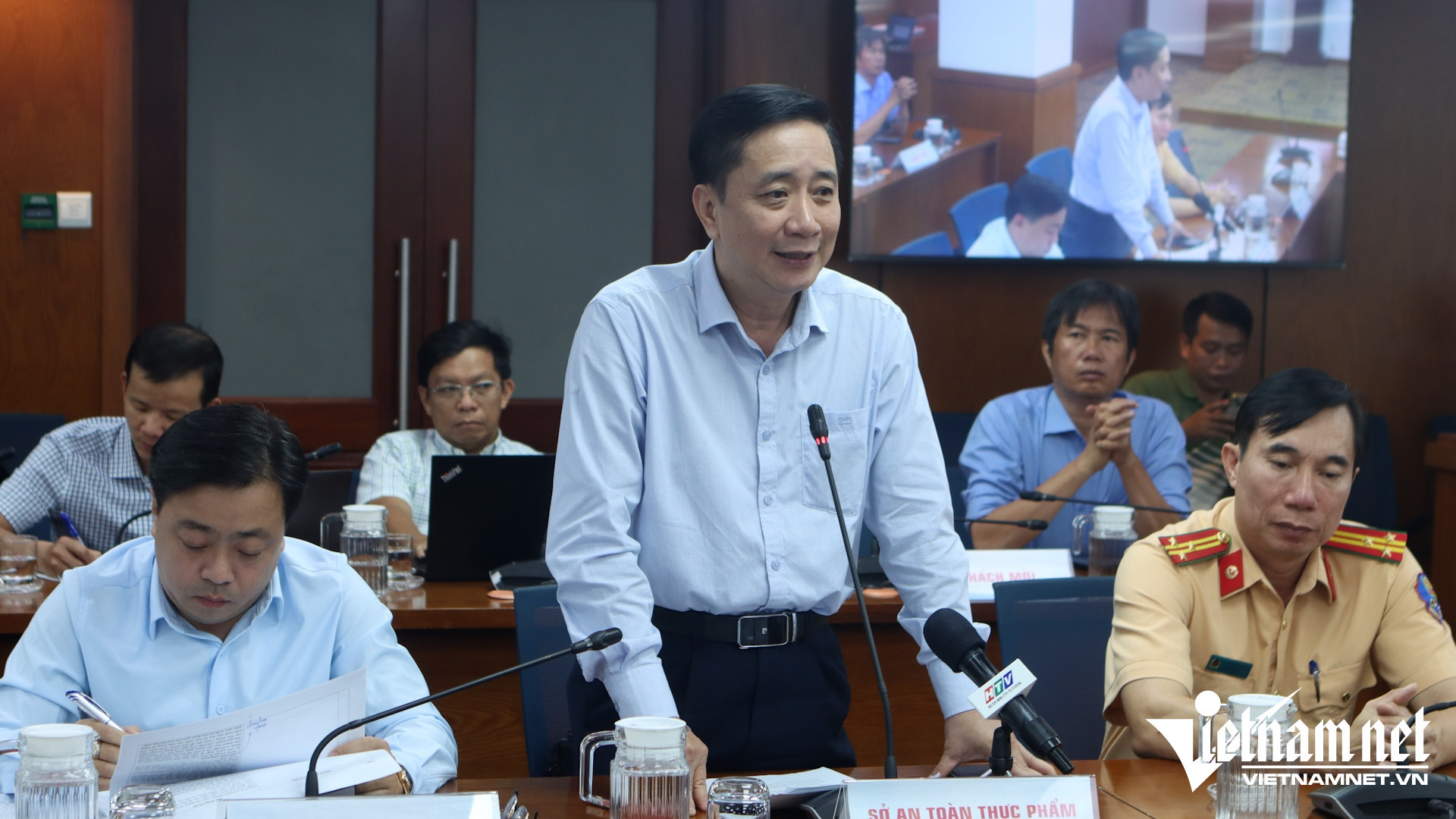
According to Hai, the department has clearly divided inspection responsibilities between city authorities and ward- and commune-level administrations to ensure that no school kitchen is overlooked.
The initiative follows Prime Ministerial Directive No. 33/CT-TTg, issued on August 14, 2026, and Official Dispatch No. 64/CD-TTg, dated September 13, 2026, which call for tighter food safety controls throughout the school meal supply chain.
These controls cover every stage, from food sourcing, delivery and storage to preparation and the serving of meals to students.
For businesses supplying ready-prepared meals, the department has launched two specialized inspection programs under Plan No. 5683/KH-SATTP, dated September 10, 2026, and Decision No. 5922/QD-UBND, issued by the Chairman of the Ho Chi Minh City People's Committee on September 14, 2026.
The inspections will focus on regulatory compliance, food safety conditions and potential risks that could compromise meal quality.
The department has also asked the administrations of all 168 wards, communes and special administrative zones to review and compile lists of educational institutions operating kitchens, receiving prepared meals from outside suppliers or running school canteens.
Educational institutions are required to conduct assessments of their meal suppliers' capabilities and compliance with food safety requirements.
The department has already worked with and provided guidance to approximately 400 prepared-meal suppliers across the city.
Parents are also being encouraged to play a more active role in monitoring school meals.
The department has urged schools to coordinate with parent representative committees to oversee food sources, observe meal distribution and evaluate the quality of food served to students.
Where appropriate conditions are available, parents may also conduct rapid checks on certain high-risk food ingredients, inspect food preparation areas and promptly report any irregularities to schools or relevant authorities.
Hai emphasized that parental monitoring should be carried out in coordination with schools to promote greater openness and transparency in school meal management.
At the press briefing, he also reported that food poisoning incidents and the number of people affected increased in 2024 and 2025 compared with previous years.
Several cases were still recorded during the first six months of 2026, although the outbreaks were smaller in scale.
In response, the Department of Food Safety advised the Ho Chi Minh City People's Committee on developing a food poisoning prevention plan and issuing coordination regulations for investigating and handling incidents.
The framework clearly assigns responsibilities to the department, ward and commune administrations, and other relevant agencies, with the aim of strengthening prevention and ensuring timely responses.
Police and market surveillance authorities will also participate in investigations and enforcement when necessary.
Phuoc Sang
.svg)
