 Vietnamnet.vn

 Podcast



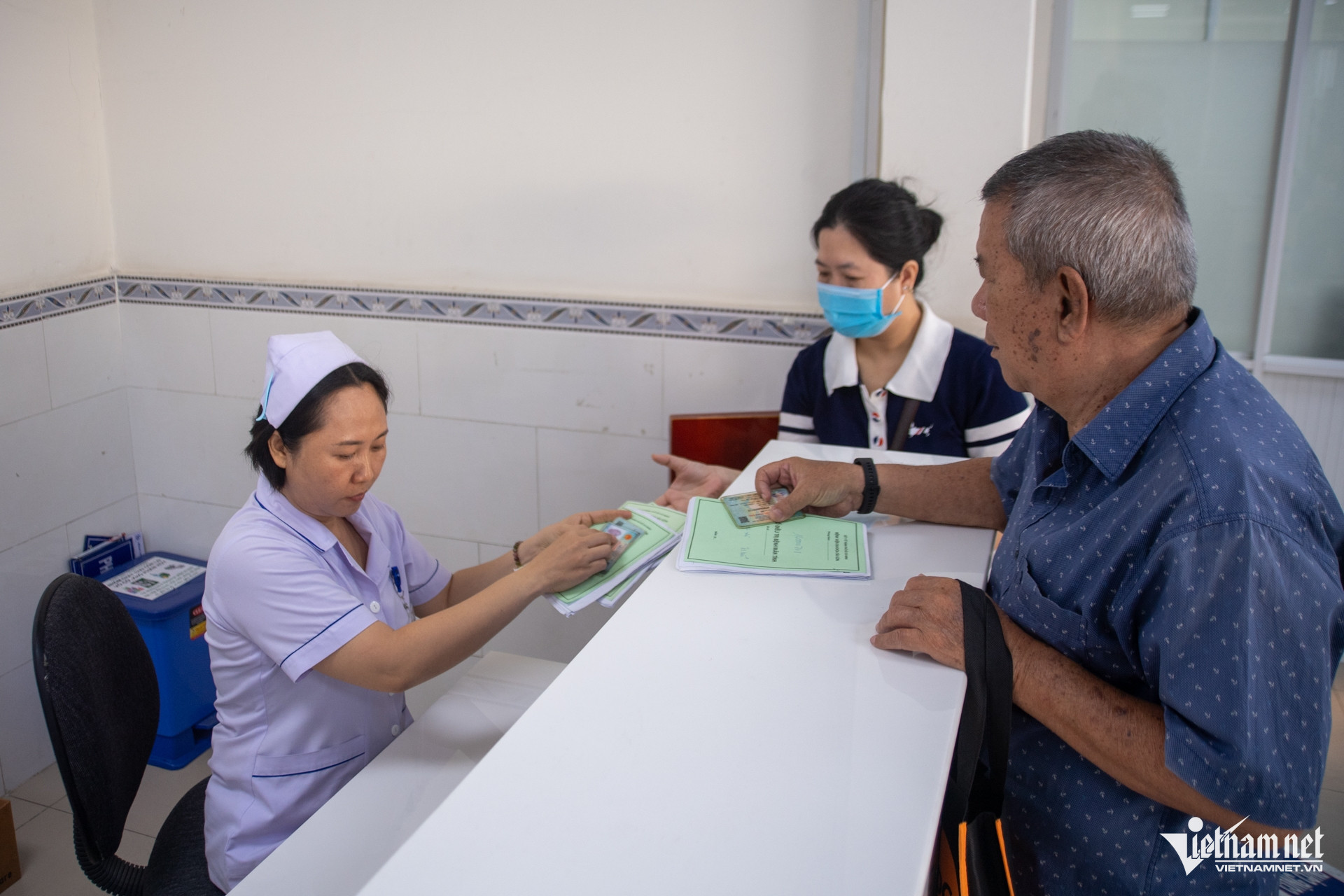
On May 5, the city’s Department of Health announced that it has coordinated with the Department of Science and Technology, the City Digital Transformation Center, and the municipal police to finalize a plan for deploying digital health records across the entire population via the Ho Chi Minh City Digital Citizen app.
Under the plan, each resident will have a single, unified electronic health record tied to their personal ID, ensuring accuracy and consistency of data while minimizing duplication and errors. Health information will be continuously updated from hospitals, screening programs, and routine check-ups, then integrated and displayed in a centralized system within the app.
By leveraging the existing digital citizen platform, authorities aim to make the system easily accessible without requiring users to install additional applications, while maximizing the use of current digital infrastructure. Residents will be able to review their medical history, monitor health indicators, and manage personal information directly on their smartphones.
Identity verification will be conducted through the VNeID digital identification system, ensuring both security and data protection. The city is also developing solutions to create health records for dependents such as children, students, and individuals requiring legal guardianship.
The system will be implemented in four stages: establishing administrative information, updating health data, synchronizing and displaying information, and finally enabling use for both citizens and administrative management. Local authorities will monitor progress through data systems linked to community-based health management.
Beyond individual benefits, the platform will facilitate data sharing among healthcare providers, gradually forming a shared health data repository for the city. This will lay the groundwork for a transition toward data-driven healthcare governance, improving both service quality and operational efficiency.
According to the Department of Health, the initiative represents a shift from disease treatment to holistic health management, moving from reactive care to proactive, preventive, and lifelong health monitoring for residents.
Phuoc Sang
.svg)
