 Vietnamnet.vn

 Podcast



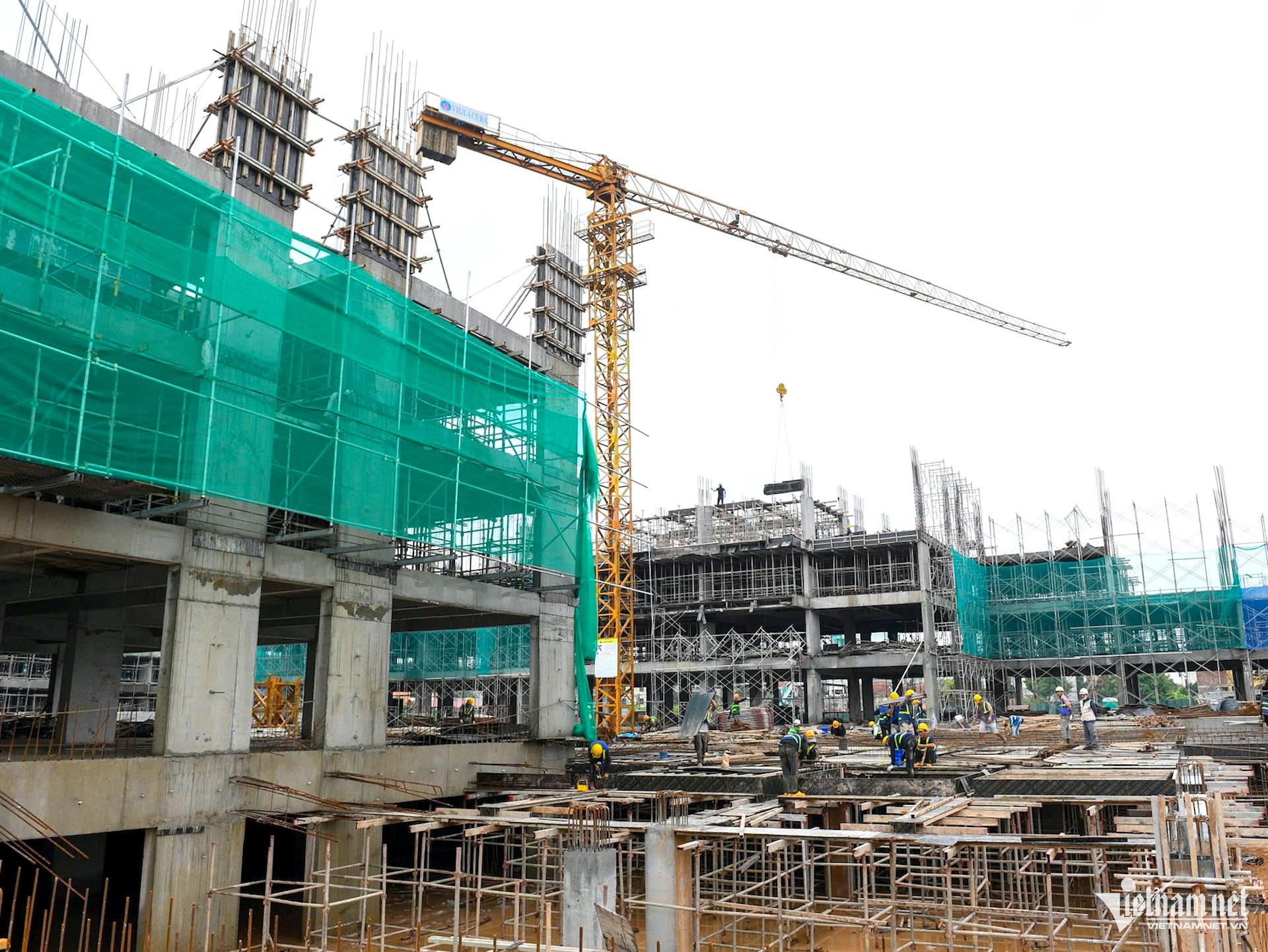
MOC is seeking feedback on a draft decree amending Decree No. 100/2024/ND-CP that proposes to ease income eligibility for purchasing or leasing social housing.
Under current regulations, only individuals earning no more than VND20 million per month are eligible to buy social housing. However, the draft proposes significantly raising this ceiling.
MOC proposes that for unmarried individuals or those certified as single, the average monthly actual net income should not exceed VND25 million.
In cases where the applicant is unmarried or certified as a single parent raising underage children, the average monthly actual net income should not exceed VND35 million.
For married households, the total combined monthly income of both spouses must not exceed VND50 million.
All income levels are determined based on actual net income, certified by agencies or enterprises, and calculated over the 12 consecutive months leading up to the time of certification by the competent authority.
Explaining the proposal, MOC noted that although social housing supply has improved, accessibility remains limited, with income criteria being a key barrier.
Surveys show many people fall into a “middle gap”, i.e., ineligible for social housing but unable to afford commercial housing.
A report by the HCMC Real Estate Association indicates that typical urban incomes range from VND21–35 million per month for individuals and VND41–55 million for households. This group has strong housing demand but is excluded under current policy.
Meanwhile, in major cities such as Hanoi and HCMC, average commercial housing prices stand at around VND50–60 million per sqm, far beyond the affordability of most residents.
According to Ministry data, even social housing remains difficult to afford. Prices in major cities range from VND15–30 million per sqm. For a 70 sqm unit, the total cost is around VND1.5–1.8 billion.
If applying international principles where housing costs should occupy 30–35 percent of household income, a family earning about VND40 million per month could reserve about VND12 million a month for housing.
At this rate, it would take 10–12 years to own a social housing apartment, excluding loan interest. In contrast, for commercial housing, the accumulation time could stretch to 18–20 years or even longer.
Rising wages
Another factor making policy adjustment urgent is the rapidly changing income levels. By 2026, the regional minimum wage is expected to increase by 7.2 percent. The base salary is adjusted to increase by about 8 percent from mid-year.
These changes will push general income levels higher, causing many workers to "exceed the ceiling" of current income regulations and no longer qualify for social housing despite facing actual housing difficulties.
GDP per capita figures for 2025 also clearly reflect this trend. In Hanoi and Hai Phong, the average income reached VND15 million per person per month, while in HCMC, it was VND18.3 million per month.
If the adjustment coefficients are applied as regulated, the eligibility threshold for purchasing social housing could reach VND28–35 million per person per month in major cities.
MOC believes that raising the income ceiling will not only help citizens access social housing more easily but also contribute to the goal of building at least 1 million apartments during the 2021–2030 period.
The new policy is expected to expand the group of beneficiaries, increase liquidity for the social housing segment, and contribute to balancing supply and demand while reducing pressure on commercial housing prices.
Prior to that, many localities, businesses, and citizens petitioned for the relaxation of income conditions. Following the Prime Minister's direction early this month, MOC proposed amendments toward flexibility and suitability with the actual context.
Experts believe this a necessary step to unleash the social housing market. However, for the policy to be effective, additional solutions such as increasing supply, reforming procedures, and ensuring the correct target beneficiaries are needed.
Given that housing prices remain anchored at high levels, the adjustment is expected to resolve the current bottleneck where many middle-income earners remain outside the policy, helping them move closer to the dream of settling down.
Hong Khanh
.svg)
