 Vietnamnet.vn

 Podcast



Under Resolution 70 of the Politburo on national energy security to 2030, with a vision to 2045, Vietnam aims to raise its fuel reserves to the equivalent of 90 days of net imports. At present, however, reserves cover only around 15 to 26 days - a gap that exposes significant vulnerability.
According to Nguyen Son, a lecturer in supply chain management and logistics at RMIT University Vietnam, accelerating the development of strategic fuel storage is not optional but essential.
He pointed out that escalating tensions involving the US, Israel and Iran have underscored the fragility of global energy supply chains. In such a context, Vietnam’s limited reserves could become a critical risk if disruptions persist.
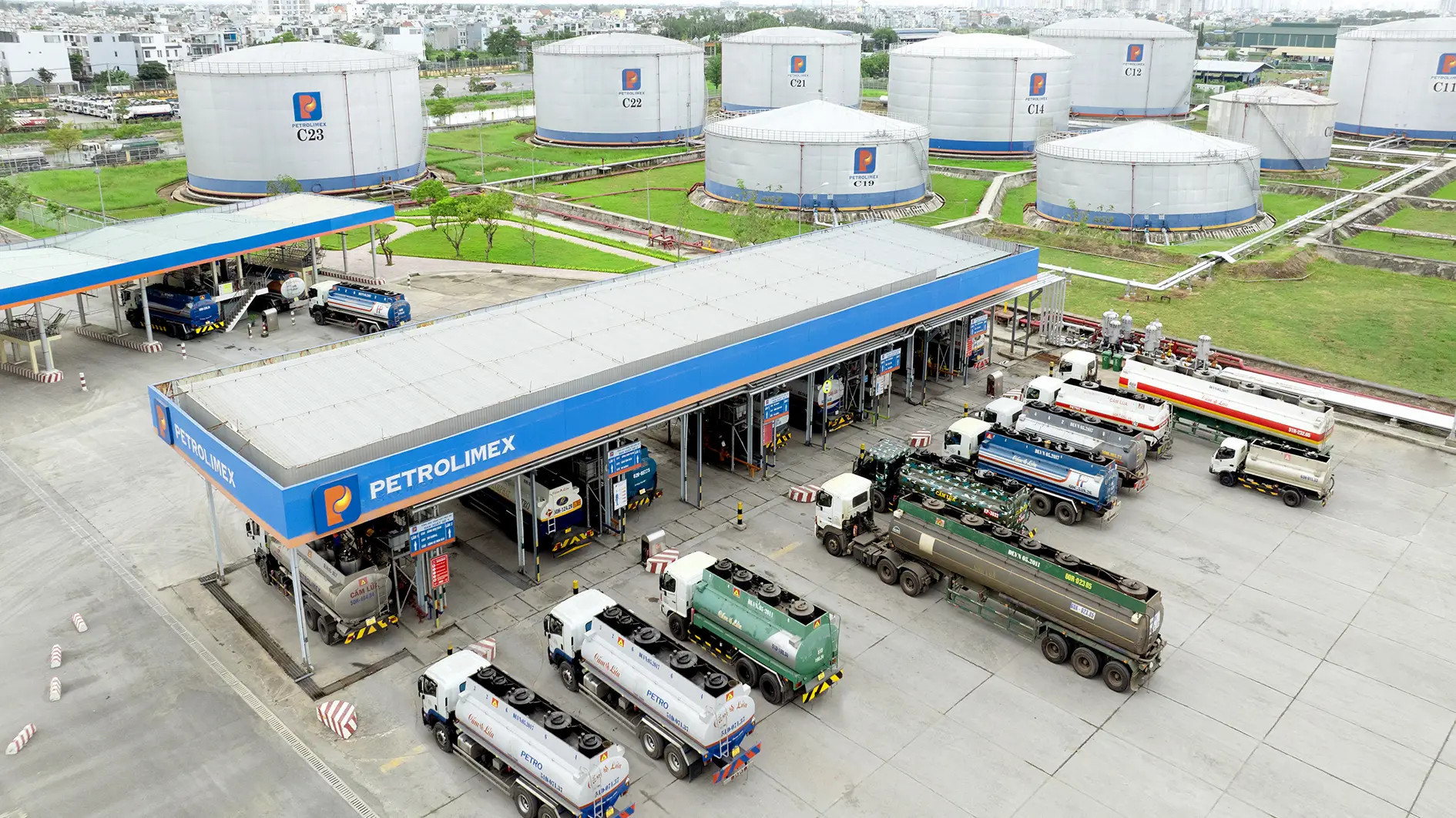
A key challenge lies in designing the right structure for these reserves. Authorities must carefully balance between crude oil and refined products such as gasoline, diesel, jet fuel and LPG, based on consumption forecasts.
Part of the reserve, experts stress, must be in forms ready for immediate use. While crude oil is easier and cheaper to store, its value depends entirely on the country’s refining capacity.
“Crude oil only becomes a real advantage if there is sufficient refining capability to turn it into usable fuel,” Son noted.
This distinction has proven crucial during recent global energy shocks, where shortages of refined products - not crude oil - created the most immediate disruptions.
Beyond storage composition, Vietnam also needs to improve its data systems. Accurate digital tracking of reserves and consumption patterns would help optimize inventory levels, avoiding both costly overstocking and dangerous shortages.
At the same time, diversification of supply sources remains a parallel priority. Enhancing the ability of domestic refineries to process different types of crude oil, alongside negotiating long-term contracts with multiple suppliers, would reduce dependence on any single market.
China offers one example, maintaining a policy in which no single country accounts for more than 20% of its crude imports.
International experience shows that strategic reserves can significantly alter outcomes during crises.
Japan, for instance, maintained reserves equivalent to 254 days of consumption by the end of 2025, combining national stockpiles, mandatory private reserves and joint storage with oil-exporting countries. This multi-layered system allowed it to stabilize domestic supply during disruptions.
China operates a hybrid model of state and commercial reserves, totaling around 90 to 120 days, built partly through opportunistic purchases of discounted oil from countries such as Russia, Iran and Venezuela.
Meanwhile, South Korea, despite holding more modest reserves, managed to navigate crises through price controls and a US$68 billion financial stabilization package.
In contrast, countries lacking sufficient reserves or refining capacity have faced severe consequences. Nations such as the Philippines, Bangladesh and Pakistan have experienced acute fuel shortages, while South Sudan, despite producing crude oil, suffers from widespread power outages due to the absence of refining infrastructure.
These examples highlight a central lesson: energy security is not defined by access to crude oil alone, but by the ability to convert, store and distribute usable fuel efficiently.
For Vietnam, the path forward requires more than simply expanding storage volume. It demands a coordinated strategy that integrates refining capacity, diversified sourcing, data-driven management and a balanced reserve structure.
Only then can strategic fuel reserves serve as a true buffer against future shocks, supporting both economic stability and long-term growth.
Tran Chung
.svg)
