 Vietnamnet.vn

 Podcast


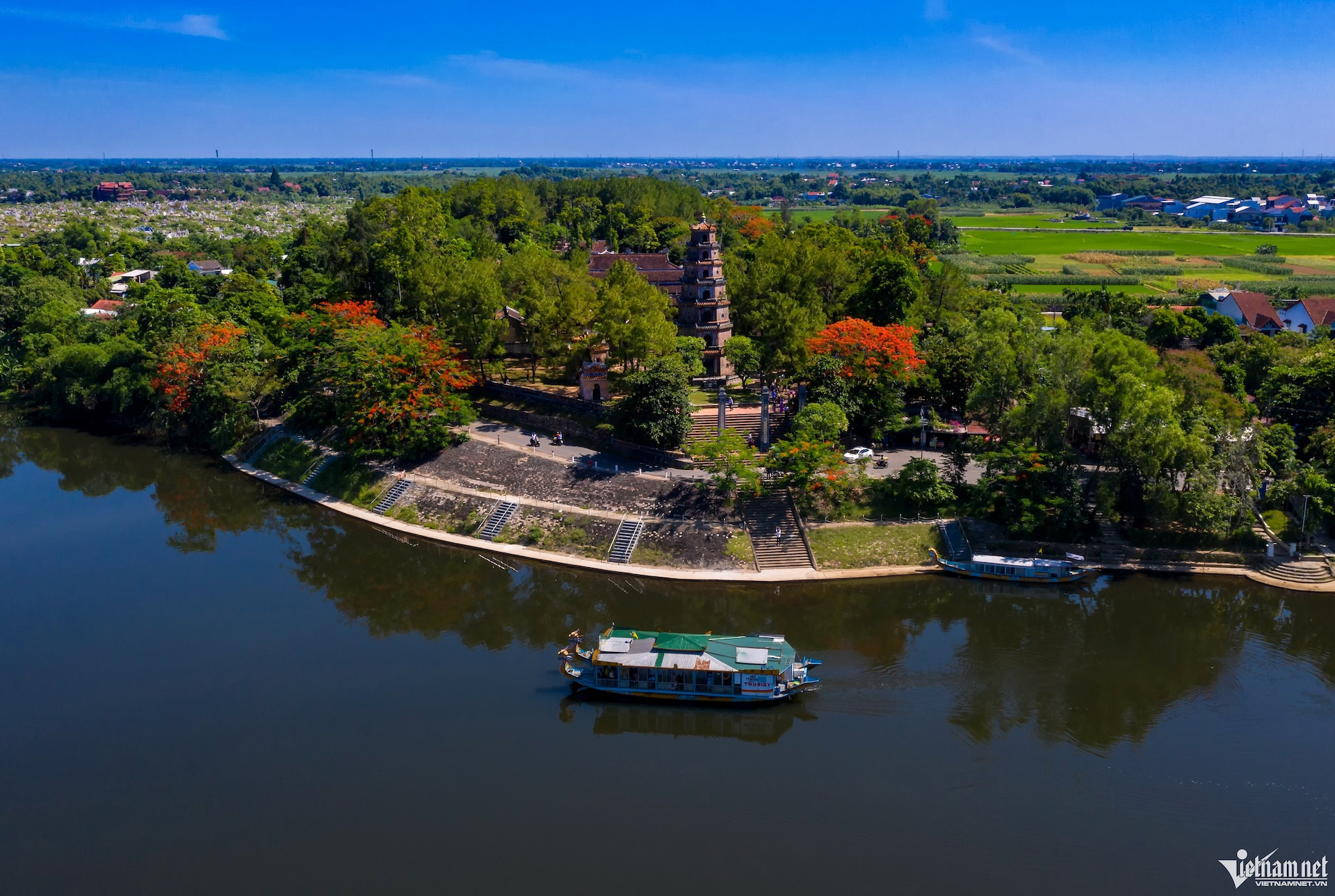
Hue has historical assets that many localities envy: centuries of deep cultural heritage including imperial palaces, royal court music, Ao Dai fashion and craft villages. However, monetizing its cultural heritage effectively remains a complex puzzle.
While Hue is exceptionally rich in heritage, it has yet to generate proportional economic wealth. Visitors have numerous sites to tour, but lack high-value creative cultural activities that encourage longer stays, higher spending, and repeated visits.
In 2025, Hue welcomed approximately 6.3 million visitors, generating over VND13 trillion in tourism revenue. Yet, evaluating economic depth raises a crucial question: how much revenue stems from creative heritage products, performing arts, high-end crafts, digital content, and immersive cultural experiences?
Value creation
Hue has achieved significant success in preserving monuments, hosting international festivals, and promoting its ancient capital image. However, preserving heritage and transforming it into an economic engine represent two distinct capabilities.
Restoring a monument and selling entrance tickets does not mean creating a cultural industry product. High economic value emerges only when historical resources are researched, designed, and packaged into appealing, market-accepted branded offerings.
For instance, the Nguyen Dynasty imperial lifestyle extends far beyond thrones and court ceremonies. It encompasses architecture, music, fine arts, textiles, culinary arts, and rich historical narratives. Modern creative approaches can transform these assets into performing arts, cinematic works, digital games, interactive exhibitions, and luxury experiences.
Regrettably, Hue remains focused on showcasing existing assets rather than creating what modern markets demand based on its historical foundation.
Institutional bottlenecks
Heritage constitutes a unique asset requiring strict preservation protocols. Regulations governing conservation, public assets, investment, and environmental impact remain essential. However, when project approvals pass through numerous bureaucratic layers without clear inter-agency coordination, investment opportunities slip away.
Local leadership must address a critical question: how many delays stem from legal restrictions, how many from administrative interpretations, and how many from decision-making hesitancy?
Not every delay can be explained away with the word “mechanism.”
A constructive government guides businesses on how to do things correctly, rather than merely pointing out what cannot yet be done.
Preserving heritage should not mean fearing innovation. Hue requires prudent urban governance, but prudence differs from slowness, and preservation does not preclude modernization.
When promising ideas stall in repeated consultations without accountable leadership, turning vision into reality becomes impossible. Businesses may wait temporarily, but market opportunities move fast.
Building a creative ecosystem
While Hue hosts skilled artisans, scholars, artists, and art institutions, scaling high-value cultural products requires attracting designers, scriptwriters, directors, tech experts, marketers, and business strategists.
An artisan who creates exquisite products does not necessarily have the ability to bring those products to the international market. A high-quality artistic program will not necessarily become a year-round ticketed product if it lacks a professional operations team.
Fostering Hue cultural heritage monetization relies on building an ecosystem that attracts creative enterprises, digital content studios, and cultural business professionals for long-term collaboration.
Investing in people and the capacity to produce cultural products is sometimes more important than investing in additional large-scale constructions.
However, investment should not be spread too thinly. The city needs to select about three to five key products and entrust them to capable enterprises, with transparent support mechanisms and evaluation based on actual business results.
The state budget should prioritize the preservation, research, and digitization of heritage, as well as the construction of essential infrastructure; meanwhile, the creation, production, and commercialization of products should leverage the role of enterprises and the market.
The city should target high-feasibility sectors: luxury heritage experiences combining performing arts and fine dining; digital content production derived from Hue history; elevating Ao Dai and traditional crafts into premium brands; and a vibrant night economy along the Huong River.
Digital content industries offer transformative growth. Video games, animated series, or interactive media built around Hue's history can reach millions globally without relying solely on physical tourist arrivals. This lets heritage enter contemporary life while opening new revenue streams.
Hue need not copy other urban models, nor sacrifice its tranquil identity to chase mass entertainment. The necessary shift lies in modernizing governance and development capabilities.
Throughout history, Hue's culture has been shaped by the convergence of talented artisans, intellectuals and diverse creative influences. This cultural exchange has helped define the identity of the former imperial capital. So why should Hue not once again become a gathering place for people working in the arts, technology, design and creative business?
Only a city that cherishes its past while continuously creating for the present can preserve its heritage sustainably.
Tuan Minh

