 Vietnamnet.vn

 Podcast



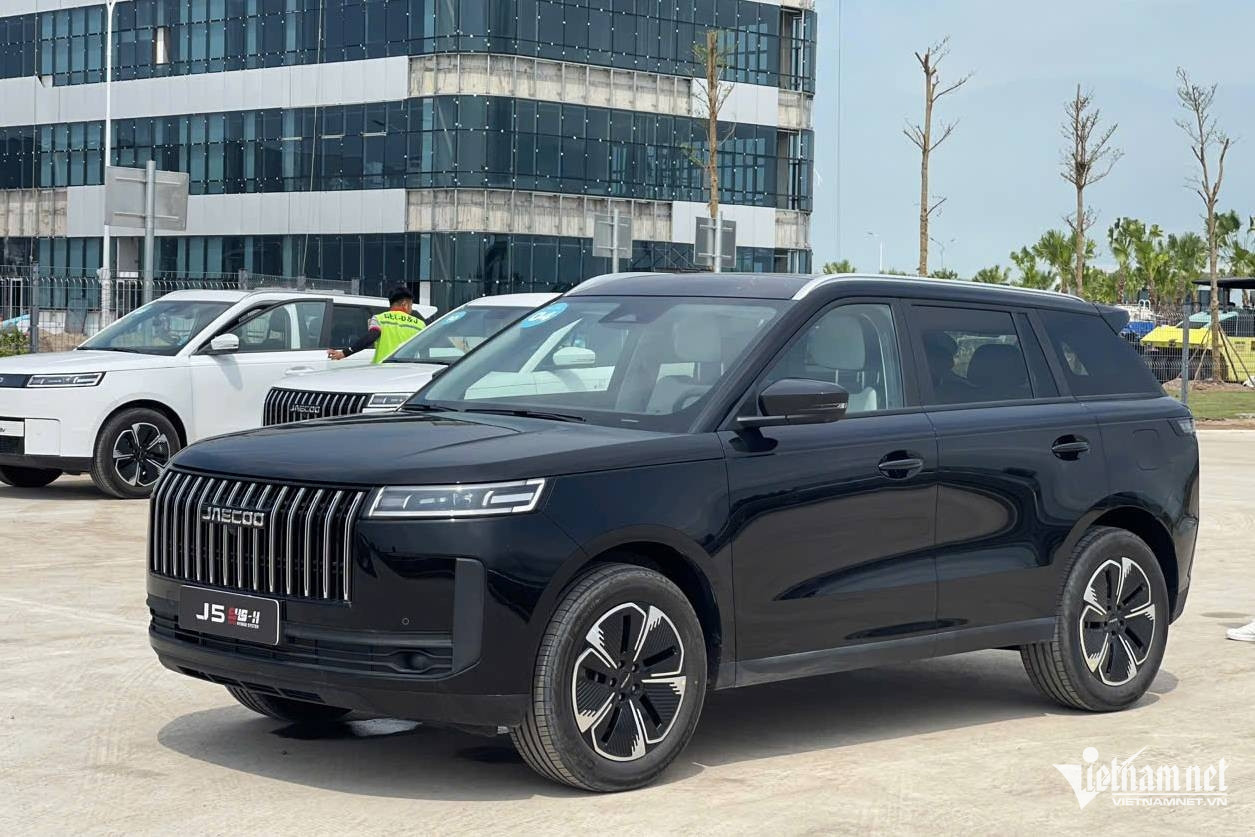
Five years ago, consumers had few options beyond the Toyota Corolla Cross HEV in the B/B+ hybrid SUV segment. Today, the lineup has expanded significantly, with Japanese brands including Toyota, Honda, Nissan, and Suzuki leading the charge.
In November 2022, Nissan introduced the Kicks to Vietnam, featuring its e-Power drivetrain, a series hybrid system combining an internal combustion engine with an electric motor.
Toyota followed in September 2023 with the Yaris Cross, including a hybrid HEV variant that has proven popular with Vietnamese buyers.
In November 2024, Subaru launched the Japan-imported Crosstrek, offering the 2.0i-S EyeSight e-Boxer Hybrid variant. Honda then expanded its lineup in April 2025 with the HR-V e:HEV RS, equipped with the company's latest-generation hybrid powertrain and aimed at younger drivers seeking stronger performance.
Although Chinese brands entered the Vietnamese market later, they also have paid great attention to hybrid vehicles, especially in the B-segment SUV category.
The Haval Jolion Hybrid, launched in November 2024, was positioned as a B-segment SUV utilizing hybrid technology. The joint venture Omoda & Jaecoo Vietnam also added two SHS-H hybrid versions for the Omoda C5 model in March 2026. These two Chinese-brand models have relatively budget-friendly selling prices, hovering around 700 million VND.
In the upcoming second half of 2026, many other models will also join this crowded segment, including the first model of the Omoda & Jaecoo brand assembled in Vietnam, the Jaecoo J5. In addition, two best-selling B-segment high-clearance models from Korean brands, the Hyundai Creta and KIA Seltos, are also likely to receive hybrid versions by the end of this year.
Thus, B-segment SUVs continue to be the category gathering the most hybrid models in the Vietnamese market, with around 10 names.
Why are automakers choosing B-Segment SUVs?
According to auto industry experts, the concentration of hybrid technology in the B-SUV segment is no coincidence.
This is one of the largest segments in the Vietnamese market, focusing on first-time car buyers, young families, and people who use cars primarily in urban areas.
These customers are sensitive to operating costs, especially as fuel prices remain volatile and the trend of saving money is receiving increasing attention.
Compared to C- or D-segment SUVs, B-segment vehicles have more accessible selling prices, usually ranging from about 700 million to 900 million VND. The price difference between the hybrid version and the gasoline version is also not too large, making it easier for buyers to consider compared to vehicles in higher segments.
Speaking with VietNamNet, marketing expert Nguyen Van Phuong said that, if in the past, competition in the B-segment SUV category mainly revolved around selling prices, design, equipment and safety technology, now electrification technology has become the new "battlefront" among car companies.
The growing appearance of hybrid models also helps consumers have more choices alongside gasoline and pure electric vehicles.
"From the manufacturer's perspective, introducing hybrids into best-selling segments also helps optimize investment efficiency. Just a small percent of customers switching from gasoline to hybrid versions is enough to make a difference in sales, while helping brands improve the average fuel consumption of their product line, a factor increasingly emphasized as many markets tighten emission standards," Phuong said.
However, the expert believes that having many brands focus on the hybrid B-segment SUV at the same time also intensifies the competition. Models compete against each other on selling prices and equipment, but also on after-sales services and long warranty policies.
In addition, the appearance of pure electric vehicles in the same price range also adds pressure on hybrid models. For customers with convenient battery charging conditions, electric vehicles remain attractive thanks to lower operating costs.
Nevertheless, experts all believe that, with demand for high-clearance vehicles continuing to rise and users increasingly concerned about operating costs, the focus of car manufacturers on hybrid B-segment SUVs is considered a wise choice.
This segment still has room for growth and is likely to continue being the key battlefield for manufacturers during the green transition phase, driving vehicle electrification.
The latest report from the Vietnam Automobile Manufacturers’ Association (VAMA) shows that hybrid vehicles continued to grow strongly in the Vietnamese market last June with 2,347 units sold, representing a sharp increase of 124 percent compared to May.
Hoang Hiep
.svg)
