 Vietnamnet.vn

 Podcast



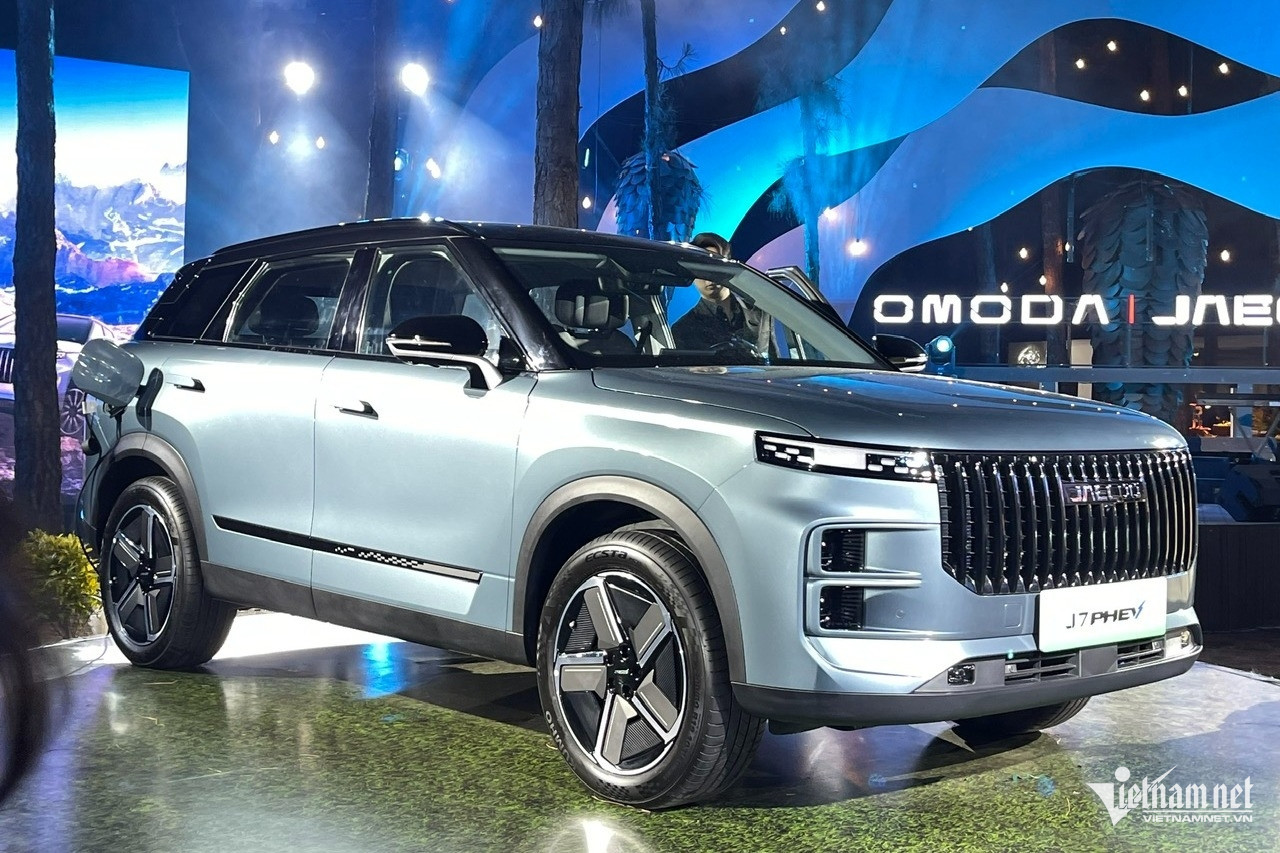
In Vietnam, new tax incentives effective from 2026 are expected to close the price gap with gasoline cars, making green mobility a more viable choice for locals.
The year 2025 is considered a breakthrough period for new energy vehicles (NEV – green cars) globally, as consumers and manufacturers shift toward fuel-saving and low-emission solutions. Among them, hybrid cars (gasoline-electric vehicles) have emerged as one of the fastest-growing segments.
Many major automakers see hybrid technology as an effective transitional solution before fully switching to pure electric vehicles.
Sales data from car manufacturers show that hybrid vehicle sales at many major brands increased significantly in 2025 compared with the previous year.
Toyota, the Japanese automaker considered a pioneer in gasoline-electric hybrid technology, sold about 4.43 million hybrid vehicles globally in 2025, up about 7 percent compared with 2024. Hybrids accounted for the majority of nearly 5 million electrified vehicles sold by the company, including the Lexus brand.
Honda announced that sales of NEVs exceeded 992,000 units in 2025, of which more than 90 percent were hybrid models such as the CR-V, HR-V, Civic and Accord. The figure rose nearly 10 percent compared with the previous year and marked a new record for the Japanese automaker.
Major manufacturers such as Hyundai, KIA and Ford have also expanded their hybrid lineups to meet demand for fuel savings and emission reduction in large markets such as Europe, the US and Japan.
Chinese car brands, which already have strengths in electrified vehicles, have also quickly gained market share. In 2025, BYD sold more than 4.6 million NEVs globally, up 8 percent from the previous year, maintaining its position as the world’s No.1 NEV manufacturer. More than half of these were hybrid vehicles.
Omoda & Jaecoo (the global brand of the Chery Group) also marked an important milestone when annual sales exceeded 800,000 vehicles. Among them, NEVs – including hybrid HEV, plug-in hybrid PHEV and pure electric EV – reached more than 200,000 units, accounting for about one-quarter of total global sales, soaring more than 600 percent year on year.
According to Precedence Research, the hybrid vehicle market size reached $292 billion in 2025 and is forecast to increase to $581 billion by 2034. For PHEV models alone, market size reached nearly $158.6 billion in 2025 and is expected to rise to more than $353 billion by 2034.
These figures not only reflect strong demand in international markets but also lay the foundation for the expansion of hybrid and plug-in hybrid (PHEV) vehicles in many countries in the coming years, including Vietnam.
PHEV in Vietnam
In Vietnam, interest in green cars in 2025 has increased. Beside electric cars, hybrid vehicles are gradually taking the lead as a reasonable choice for urban users and families due to their clear fuel savings, low emissions, and stable operation in traffic environments.
Experts point out that an important factor starting to have a clear impact on the consumption trends of Vietnamese car buyers is the preferential luxury tax policy for hybrid vehicles.
Under the regulations effective from January 1, 2026, both self-charging hybrids (HEV) and plug-in hybrids (PHEV), if they meet fuel consumption criteria, will be subject to a special consumption tax rate equal to only 70 percent of that of gasoline vehicles of the same type.
This is seen as a step to encourage people to switch to low-emission vehicles during the transition period before the market advances to full electrification.
In fact, since the beginning of the year, many car manufacturers have adjusted the selling prices of hybrid models, with common reductions ranging from a few dozen million VND, and some models even decreasing by over 100 million VND. Thanks to this, the price gap between hybrid vehicles and traditional gasoline cars has been significantly narrowed.
Beside the selling price, increasingly strict emission inspection regulations are also influencing users' vehicle choices.
Amid the tightening of environmental standards, hybrid vehicles, like pure electric vehicles, are considered a safer choice compared to traditional internal combustion engine vehicles, as they have fuel consumption and emission levels of only 30 to 60 percent compared to pure gasoline vehicles.
Marketing expert Nguyen Van Phuong believes that PHEV vehicles will be a new trend, attracting the attention of consumers, especially young customers. Unlike traditional hybrids that mainly use electric motors to support gasoline engines, PHEVs can be charged and run on pure electricity for a relatively long distance, offering a flexible choice for long-distance travel realities.
Hoang Hiep
.svg)
