 Vietnamnet.vn

 Podcast



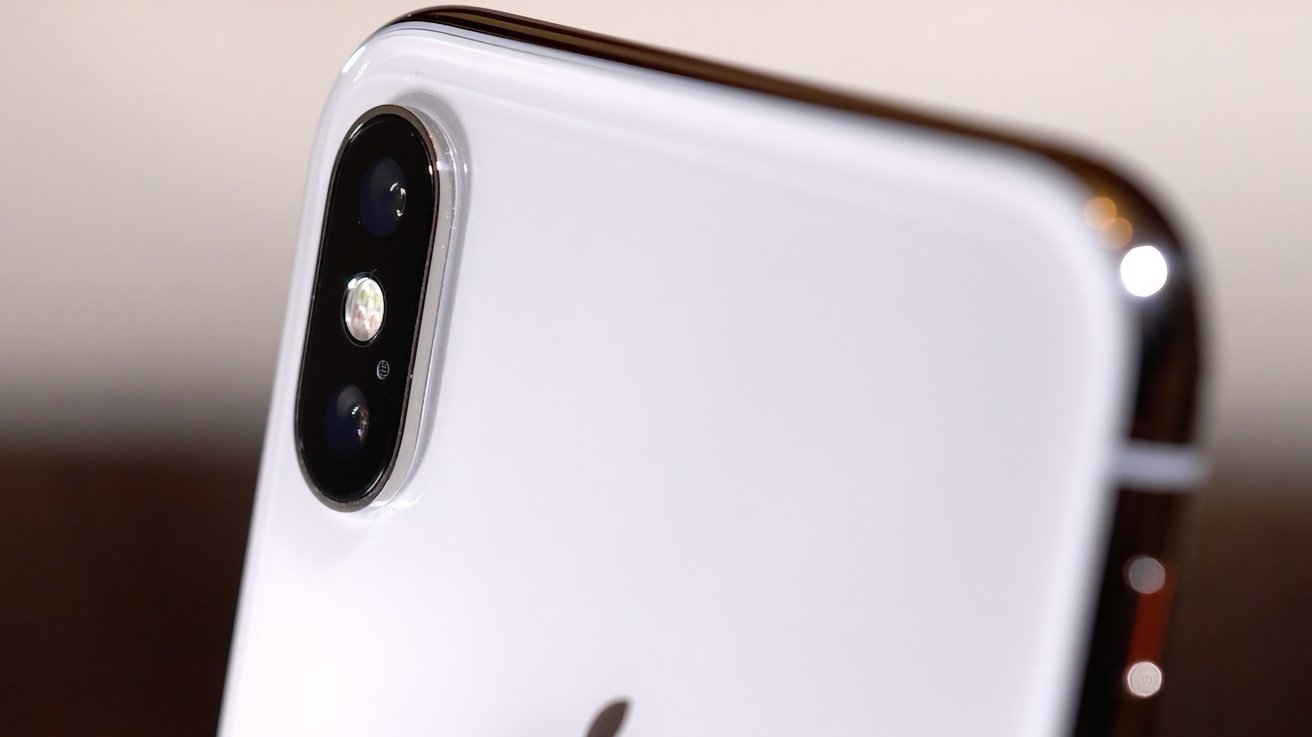
The decision is based on how long it has been since Apple stopped distributing the iPhone X and 2018 15-inch MacBook Pro for sale. It means Apple and its authorized service providers will no longer offer hardware repairs or replacement parts for the devices.
Released in 2017, the iPhone X was one of the most transformative iPhones in Apple’s history. It was the first iPhone to eliminate the Home button and its integrated Touch ID sensor in favor of Face ID. It also marked Apple’s first use of an OLED display on an iPhone, setting a new design direction for its flagship smartphone.
But technologies that were groundbreaking when the iPhone X arrived are now nearly a decade old. Years after the device was discontinued, Apple has officially brought its hardware support lifecycle to an end.
How does Apple classify ‘vintage’ and ‘obsolete’ products?
Apple has relatively clear rules governing when devices are classified as “vintage” or “obsolete.”
A product is considered “vintage” when Apple stopped distributing it for sale more than five but less than seven years ago.
During this period, Apple may continue to provide repairs and replacement parts for up to seven years from the date the product was last distributed for sale, subject to parts availability.
Once a device has not been distributed for sale for more than seven years, Apple officially classifies it as “obsolete.” At that point, Apple and its authorized service providers no longer provide hardware service or order genuine replacement parts for the device.
For the iPhone X, its addition to the obsolete products list means owners can no longer turn to Apple for official hardware repairs if their phones develop problems.
iPhone X faced several problems in its early days
The iPhone X did more than introduce a major design shift with its edge-to-edge display and distinctive “notch.” It also encountered several hardware issues during its early years on the market.
In 2017, some users reported green lines appearing vertically along the edges of the iPhone X’s OLED display. Other cases involved problems with Face ID, a crucial component of the phone’s new Home button-free design.
Apple offered device replacements at its stores for some of these problems. However, the iPhone X was never subject to a broad recall.
Even so, the iPhone X left a significant mark on the smartphone industry. Its edge-to-edge display, Face ID and removal of the Home button became familiar features across many subsequent generations of the iPhone.
2018 15-inch MacBook Pro also declared obsolete
Alongside the iPhone X, Apple has added the 15-inch MacBook Pro released in 2018 to its obsolete products list.
The model was notable for being among the early generations to feature Apple’s T2 security chip. The processor handled several important functions, including protecting Touch ID data, managing secure boot processes and strengthening the Mac’s security.
However, the 2018 MacBook Pro was also associated with one of Apple’s most controversial keyboard designs: the butterfly keyboard.
Users complained about its durability and keys becoming stuck. Apple subsequently launched a keyboard service program covering certain MacBook models, which continued until 2024 before ending.
iPhone X and MacBook Pro 2018 owners must now turn to third parties
On the software side, the iPhone X cannot officially be upgraded beyond iOS 16, while the 2018 15-inch MacBook Pro cannot officially update beyond macOS Sequoia. Even projects aimed at advanced users, such as OpenCore Legacy Patcher, cannot completely overcome the limitations of aging hardware support.
With both devices now classified as obsolete by Apple, people who continue using an iPhone X or 2018 MacBook Pro will have to turn to third-party repair shops if they need replacement parts or hardware repairs.
By 2026, however, spending money to repair devices approaching a decade in age may no longer make economic sense. The cost of parts and labor, combined with the risk of additional failures, could lead users to consider replacing their devices rather than continuing to maintain products that have officially reached the end of Apple’s hardware support lifecycle.
Hai Phong
.svg)
