 Vietnamnet.vn

 Podcast



Hai Sam
Hidden deep within the core zone of Phong Nha - Ke Bang National Park, the Kling - Ruc Ca Roong - A Cu cave complex stands out with its underground rivers, ancient stalactites and stalagmites, forming a spectacular geological space that has remained largely untouched within the surrounding primary forest.
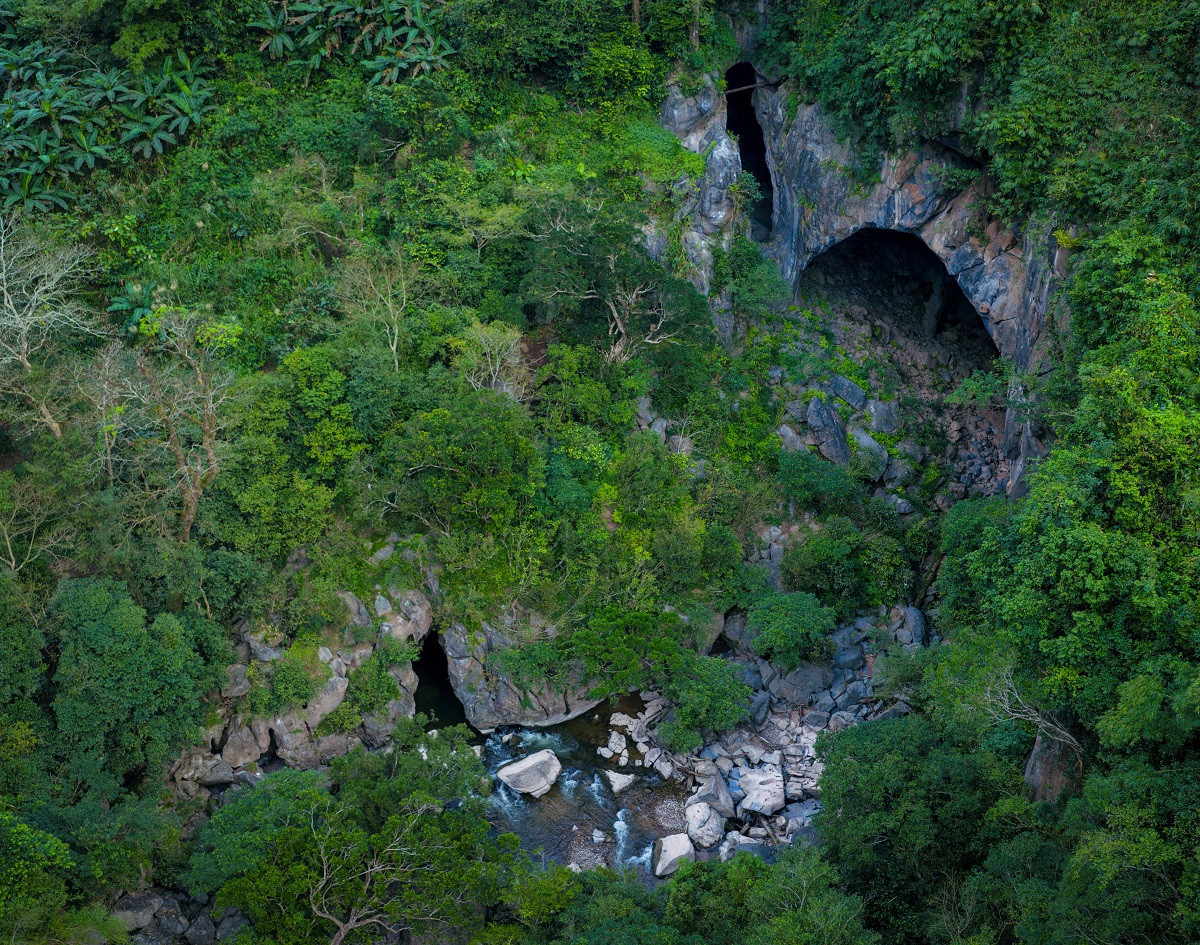
Located in Thuong Trach commune, Quang Tri, the area exemplifies the characteristics of a tropical karst landscape.
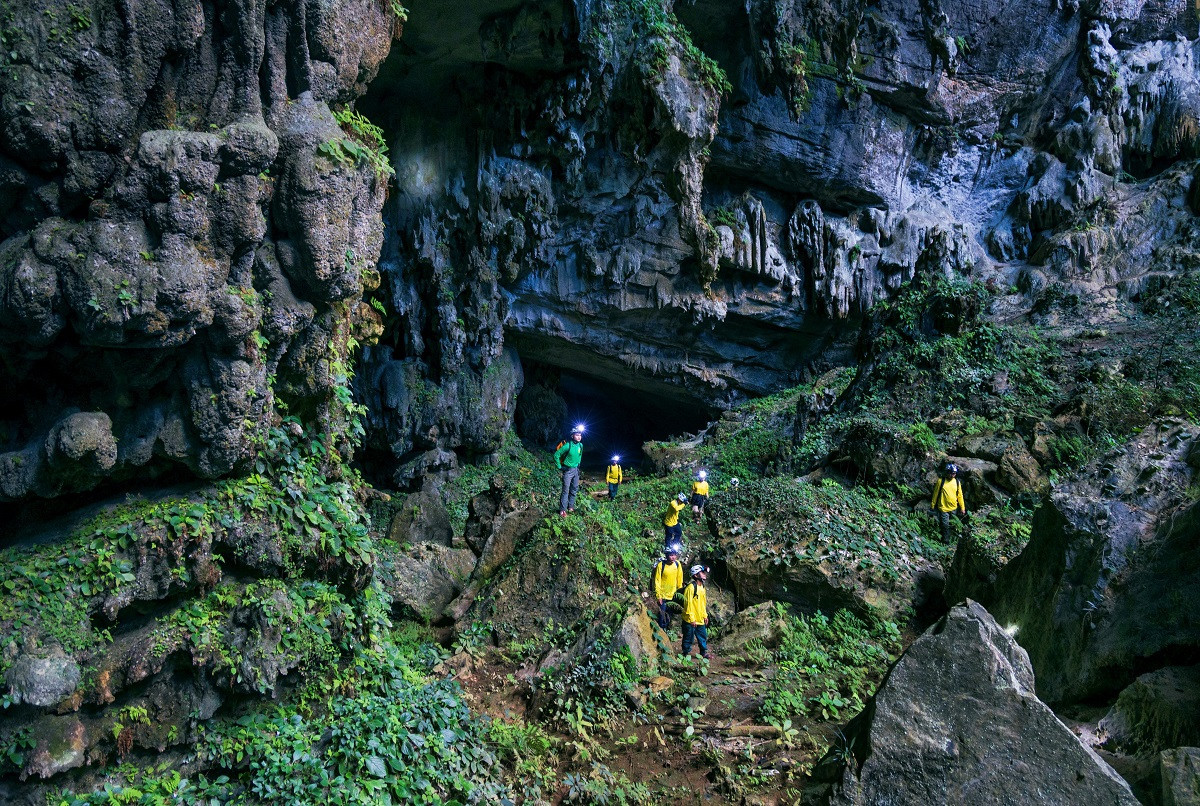
Reaching the caves requires traversing dense forest, following narrow natural trails carpeted with moss, crossing small streams and navigating rugged limestone terrain. This relative isolation has helped preserve the ecosystem’s raw, pristine beauty.
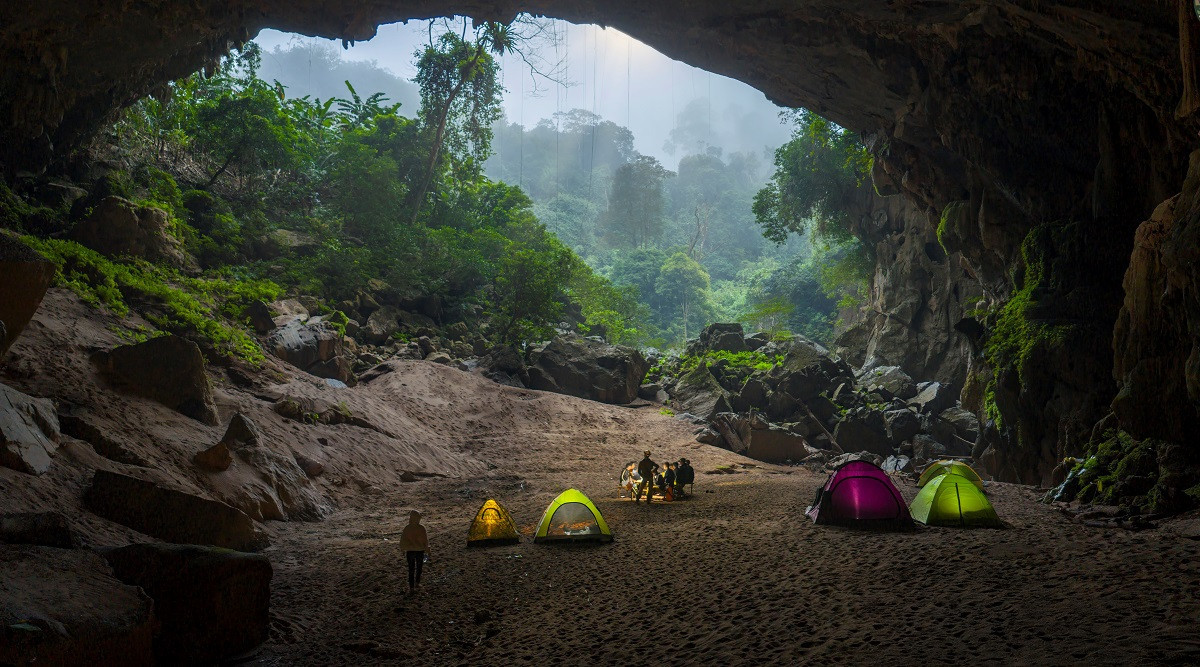
Kling Cave serves as the highlight of the complex. Stretching approximately 1 kilometer, it is a through-mountain cave with a wide entrance and a ceiling rising up to 50 meters, creating a vast, cathedral-like space.
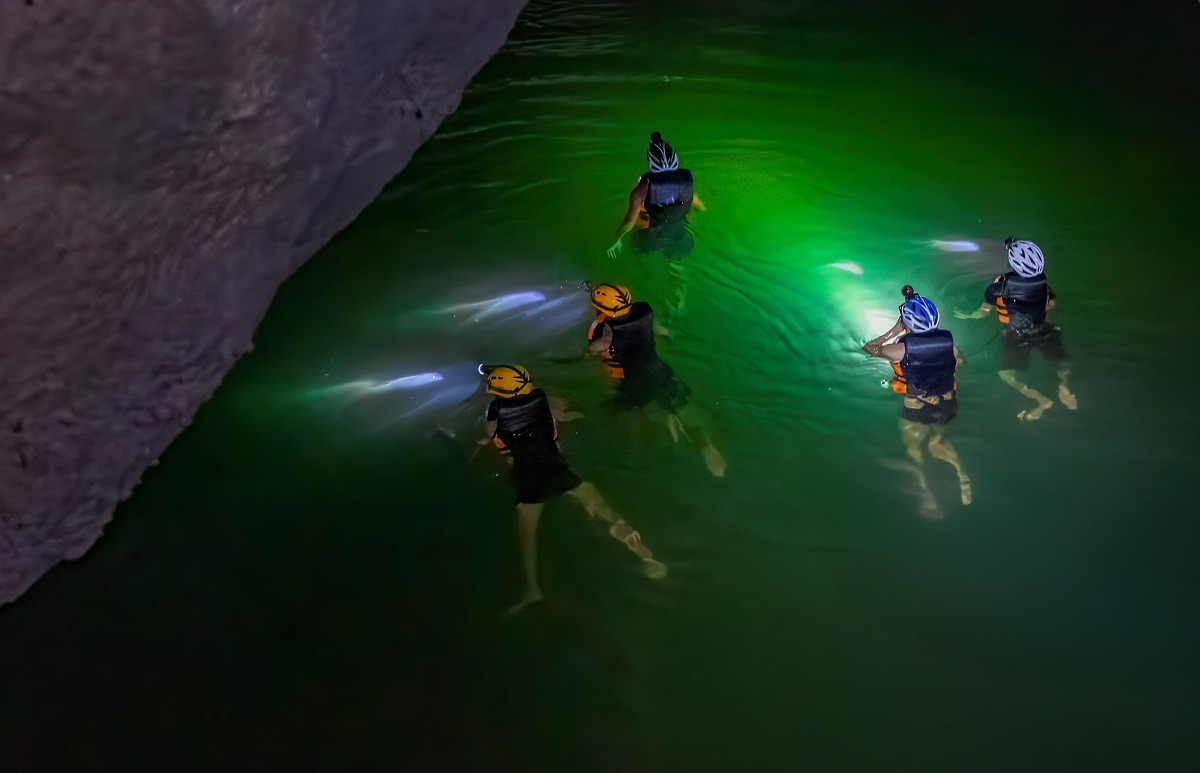
Inside, an underground stream flows through the cave. Near the entrance, a broad sandy area lies beneath the rock vault, where natural light filters in, marking a striking transition between the outside world and the cavern interior.
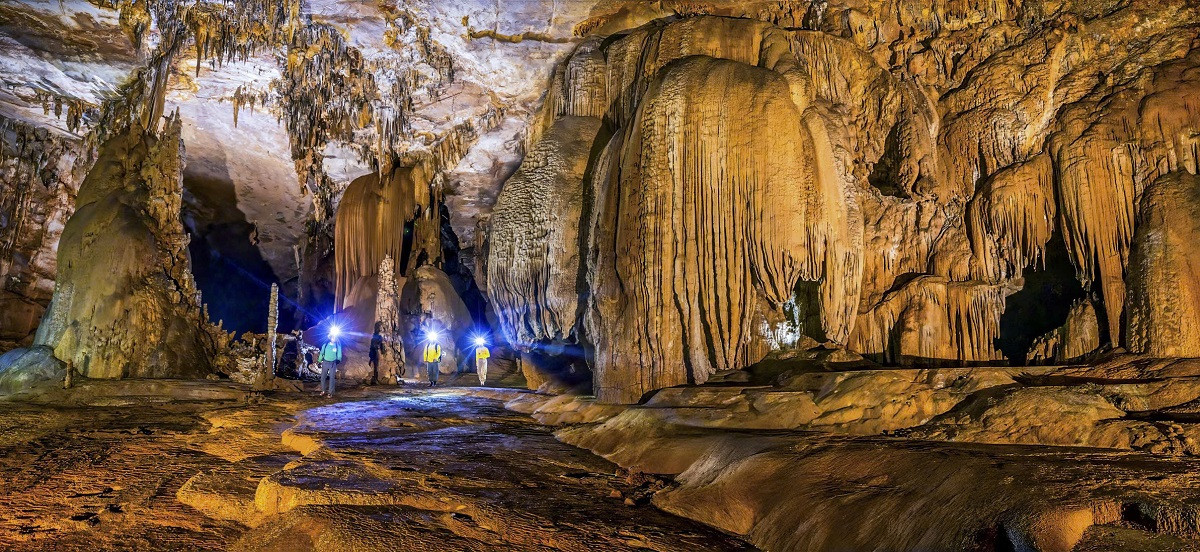
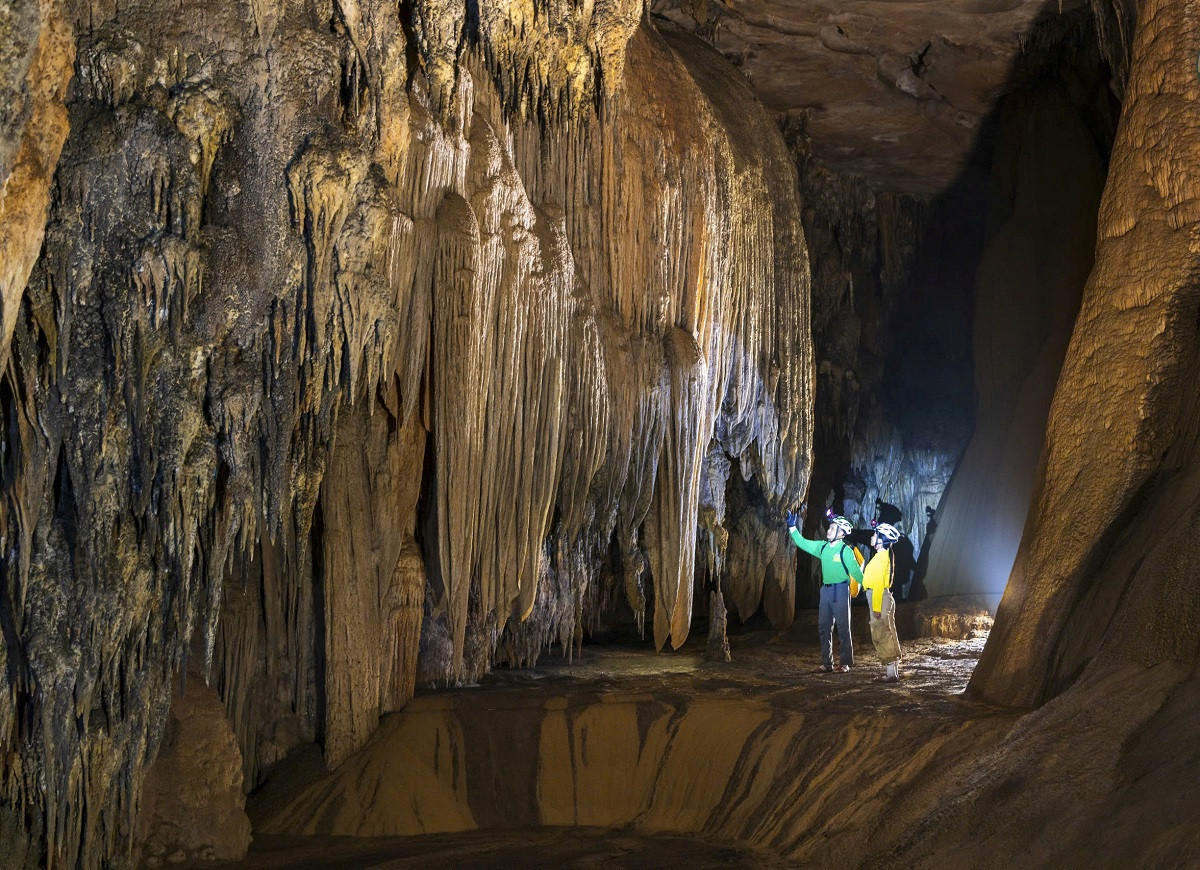
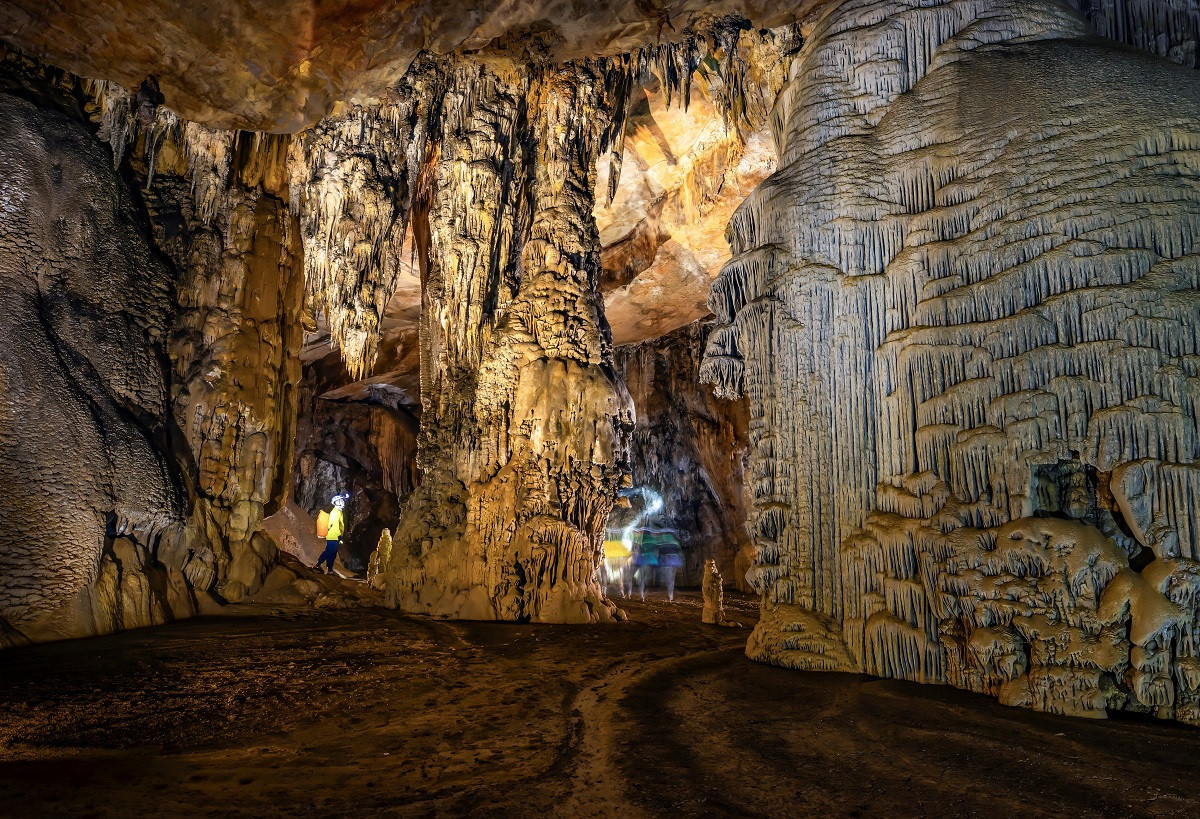
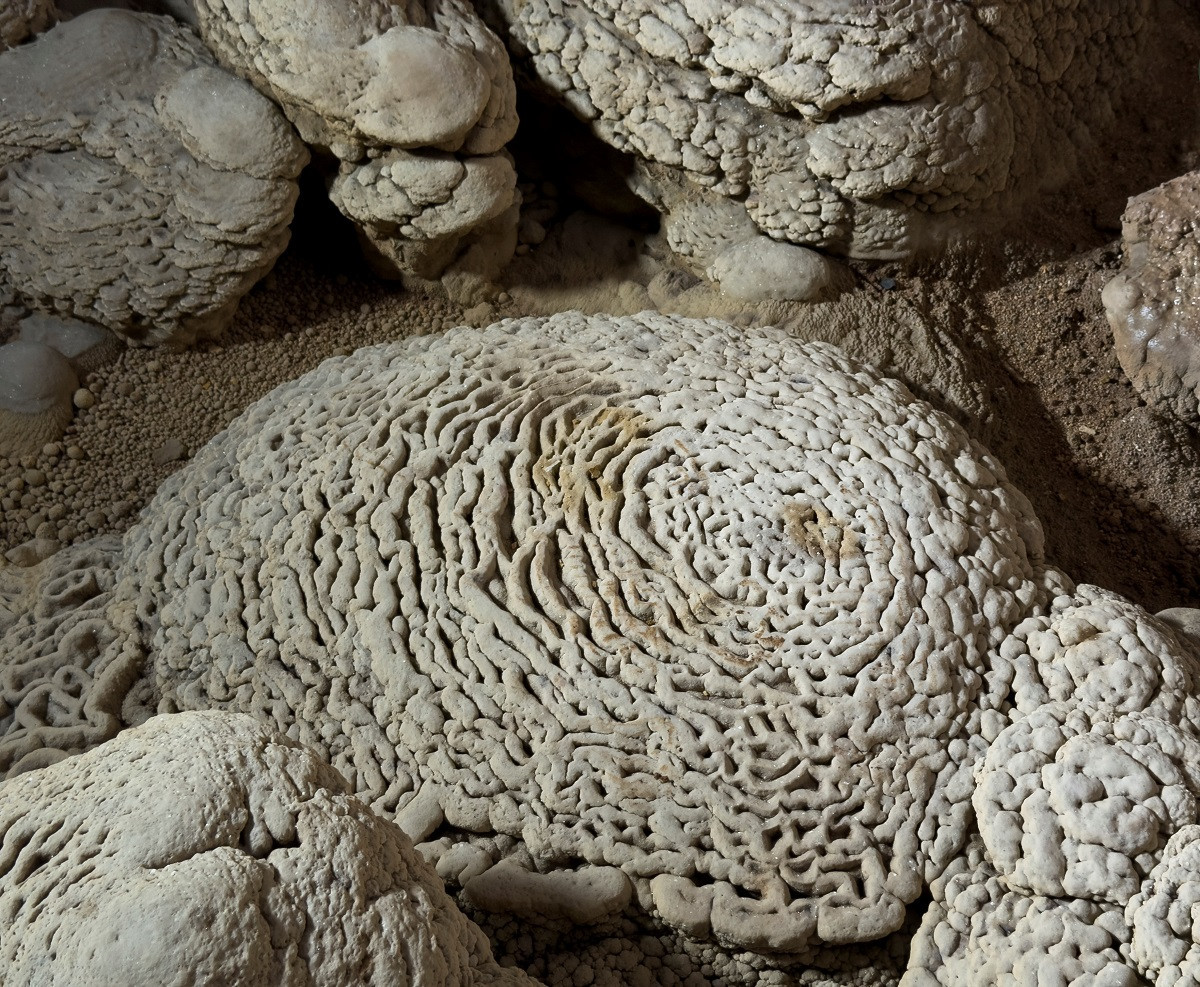
Deeper within, the stalactite system grows in both scale and complexity. Massive formations hang from the ceiling while stalagmites rise from the ground, forming intricate natural structures. One notable feature is a rock wall about 30 meters high, often referred to as the “Arem wall,” adding a distinct identity to the cave’s interior landscape.
Not far away, A Cu Cave, around 600 meters long, impresses with its dense concentration of stalactites. From the entrance, the space opens into a gallery of stone formations shaped over time by mineral-rich water dripping and depositing layer by layer.
The underground stream continues to shape the cave, lending it an atmosphere that is both mysterious and dynamic.
Meanwhile, Ruc Ca Roong Cave presents a more tranquil character, with clear blue water winding through large rock formations. The terrain combines massive limestone blocks with natural water flow, reflecting the erosional processes typical of karst regions.
The quiet atmosphere, together with the surrounding primary forest ecosystem, creates a harmonious landscape that remains remarkably intact.
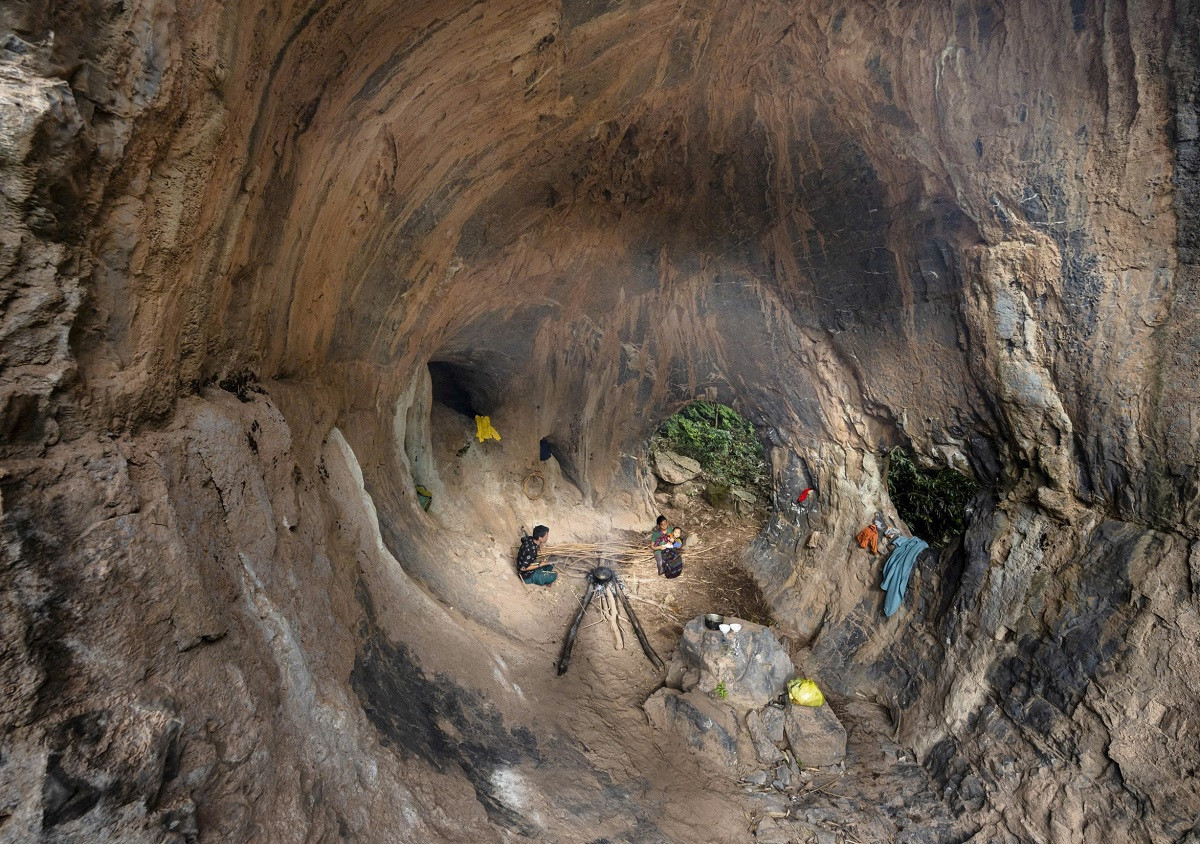
The area also preserves traces of past habitation by the Arem people, an ethnic group of the Chut community. Some rock shelters once served as living spaces, adding cultural and historical depth to an already rich natural setting.
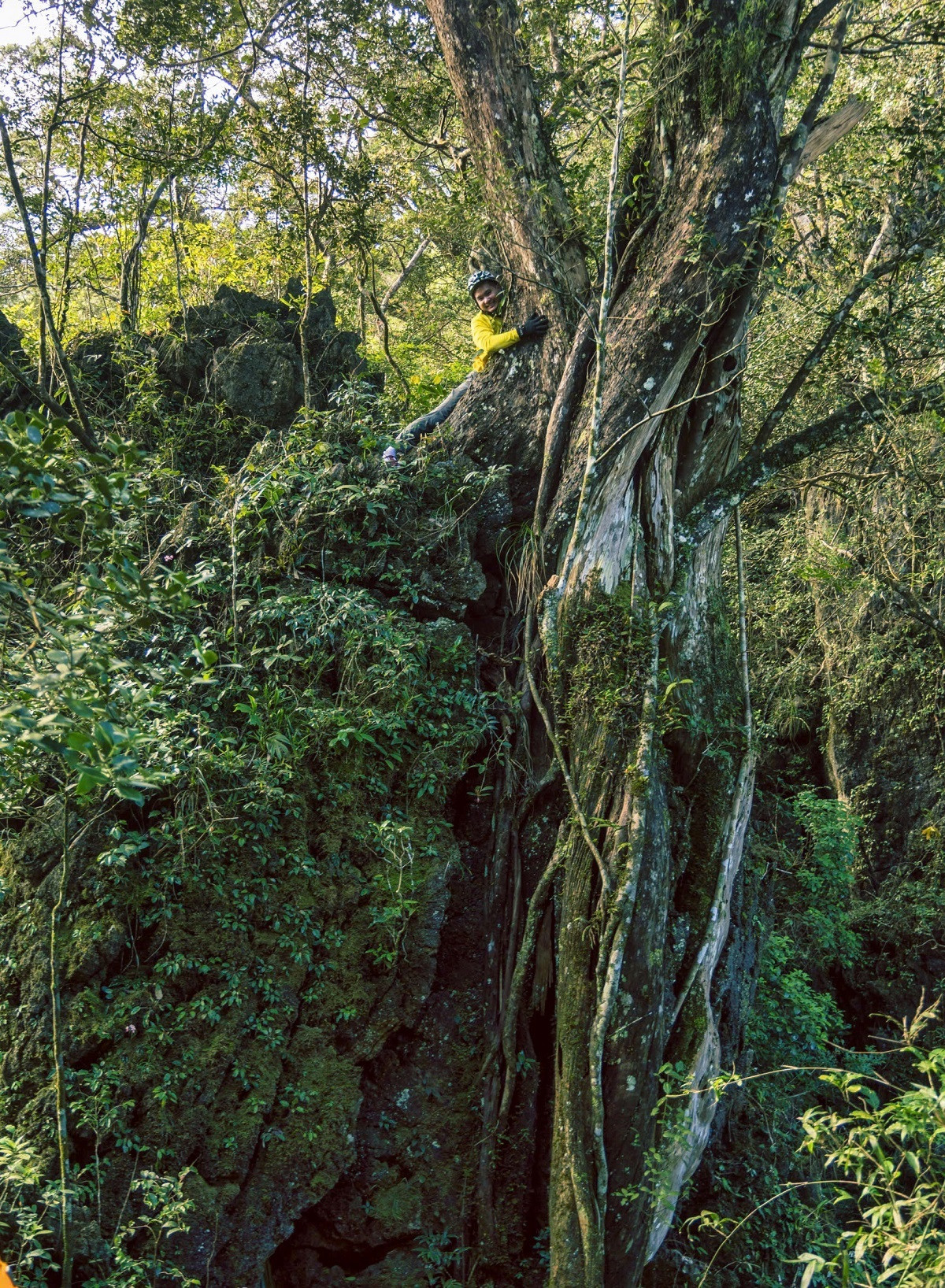
Beyond the caves, the region is home to ancient cypress forests growing on limestone cliffs. Many trees are hundreds of years old, with roots gripping tightly into rock crevices. This unique ecosystem holds significant value for biodiversity and scientific research while contributing to the area’s distinctive scenery.
Overall, the Kling - Ruc Ca Roong - A Cu complex embodies the essence of tropical karst terrain, combining caves, underground rivers and primary forest shaped over millions of years.
At a time when natural conservation is increasingly emphasized, the site retains a rare level of authenticity, enriching the already diverse cave system of Phong Nha - Ke Bang National Park.
These caves are expected to be opened for tourism under a project focused on exploring stone cypress forests and Kling Cave.
.svg)
