 Vietnamnet.vn

 Podcast



Today, the Da Nang Museum of Cham Sculpture houses 12 Champa national treasures dating from the 7th to the 13th centuries, discovered across central Vietnam. The museum has become a favorite destination for both local visitors and tourists.
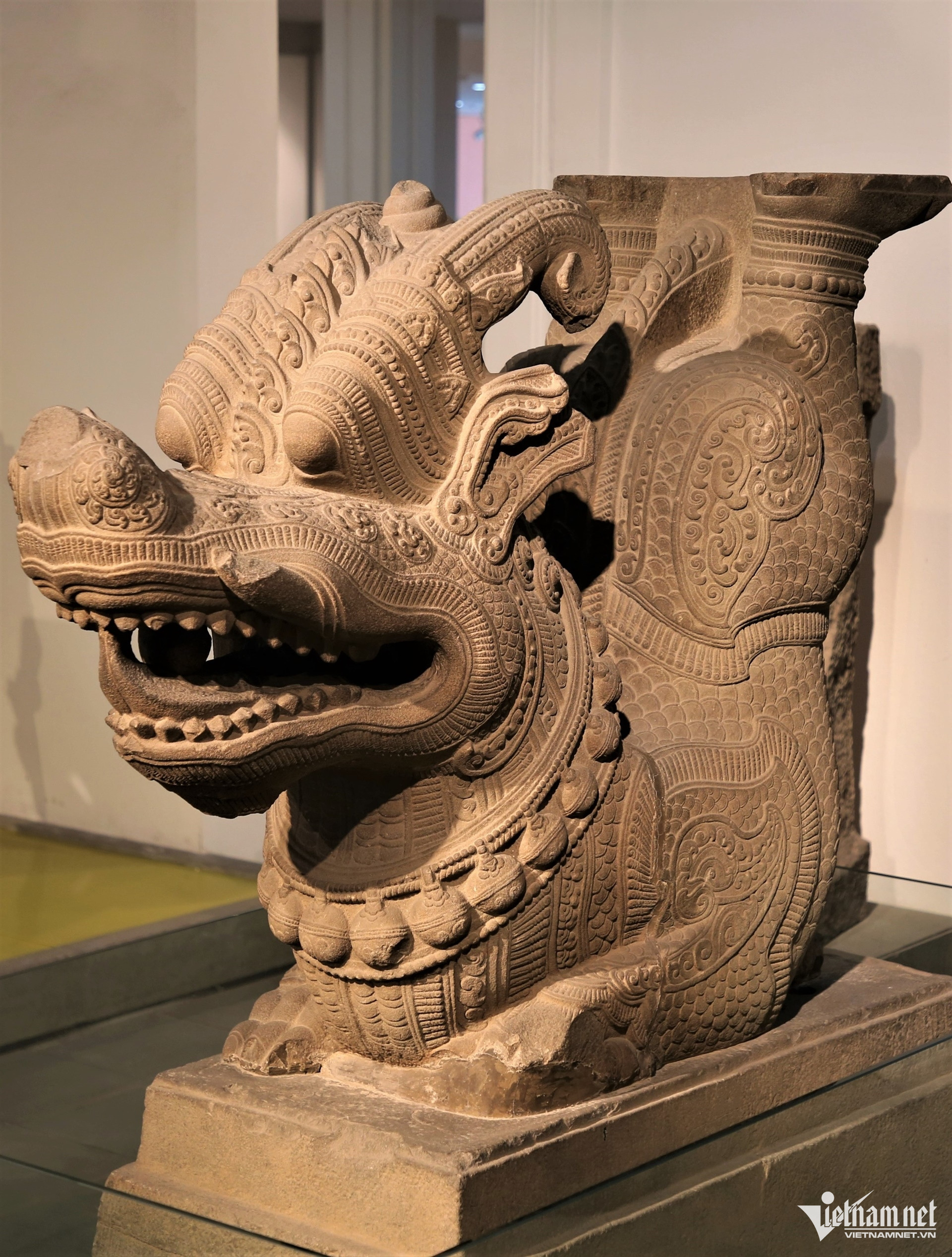
The Dragon of Thap Mam is among the artifacts that leave the strongest impression on visitors. The sandstone sculpture was discovered at the Thap Mam site in Gia Lai Province in 1934 and was recognized as a national treasure in 2024.
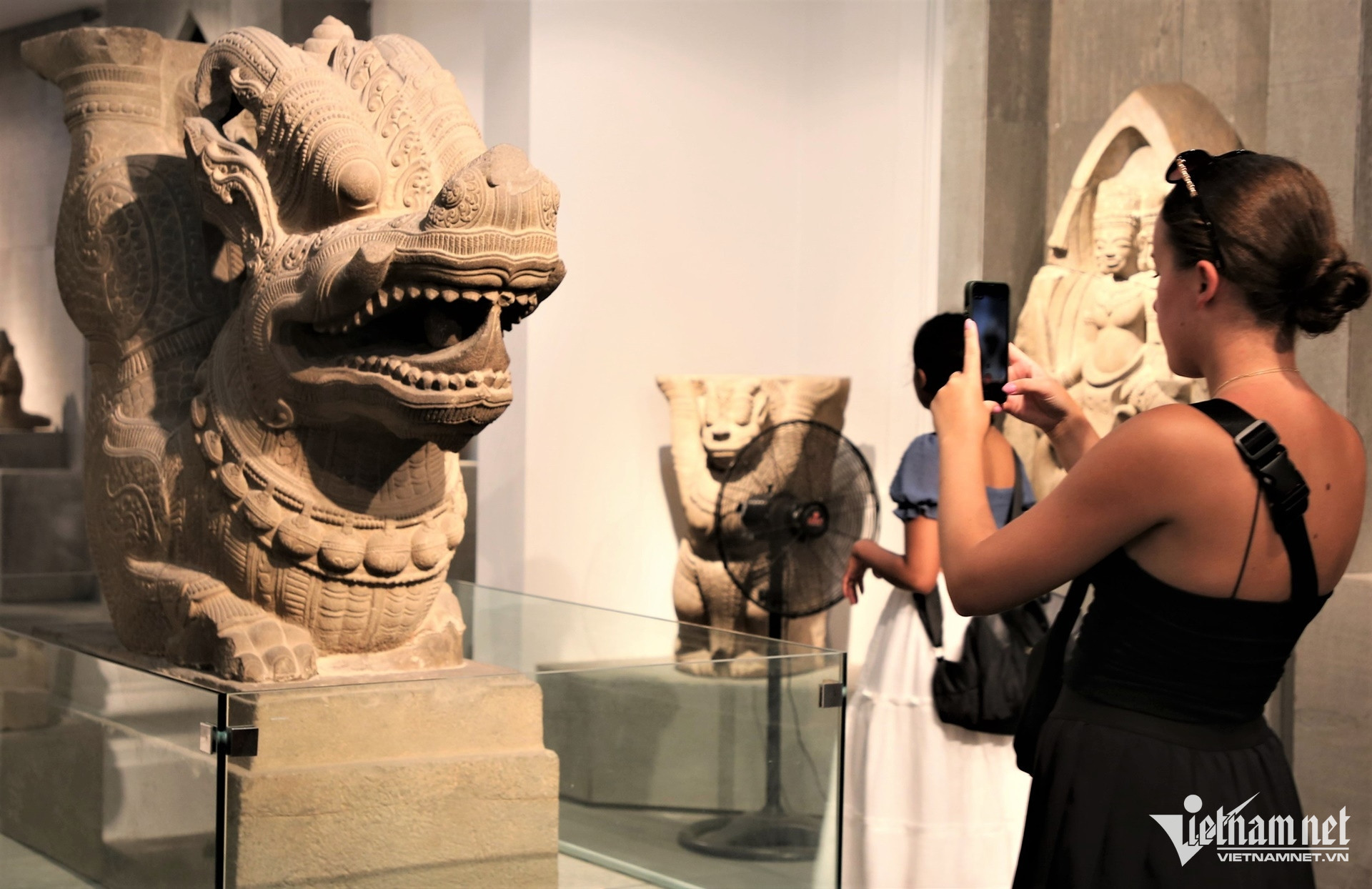
The statue dates to the 13th century and remains almost entirely intact, measuring approximately 1.58 meters in both length and height. The dragon image combines features of several mythical creatures, including the Makara sea monster, lions and the sacred Naga serpent.
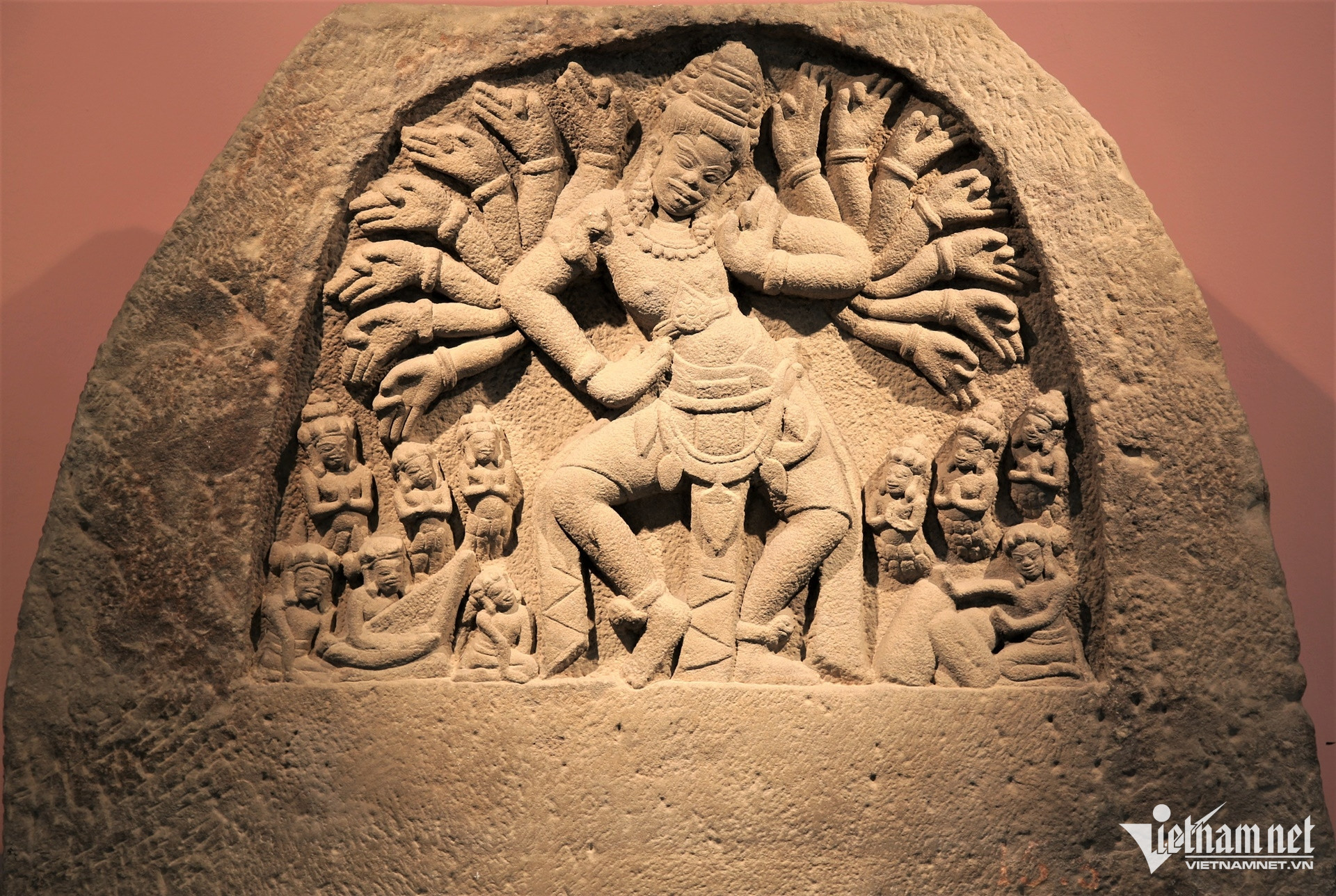
Also recognized as national treasures in late 2024 were the Phong Le Dancing Shiva relief and the Uma Chanh Lo relief.
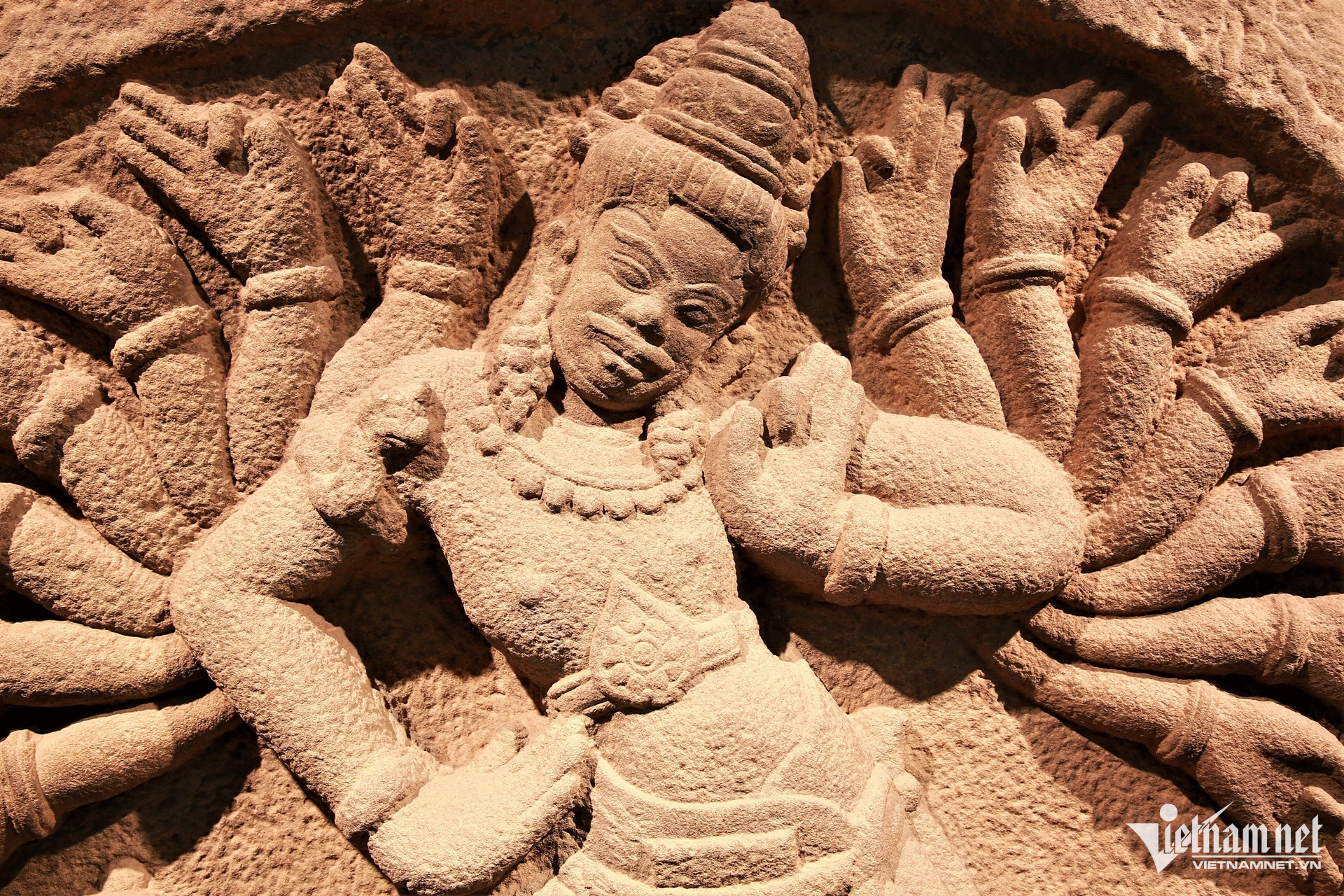
The Phong Le Dancing Shiva relief was discovered in Phong Le Village in Da Nang in 1890. Dating to the 10th century, the work depicts Shiva in the form of Nataraja - the “King of Dance,” symbolizing supreme power in Hinduism. Despite surviving for hundreds of years, the intricate carvings still vividly convey the god’s powerful and dynamic movements within the sacred dance.
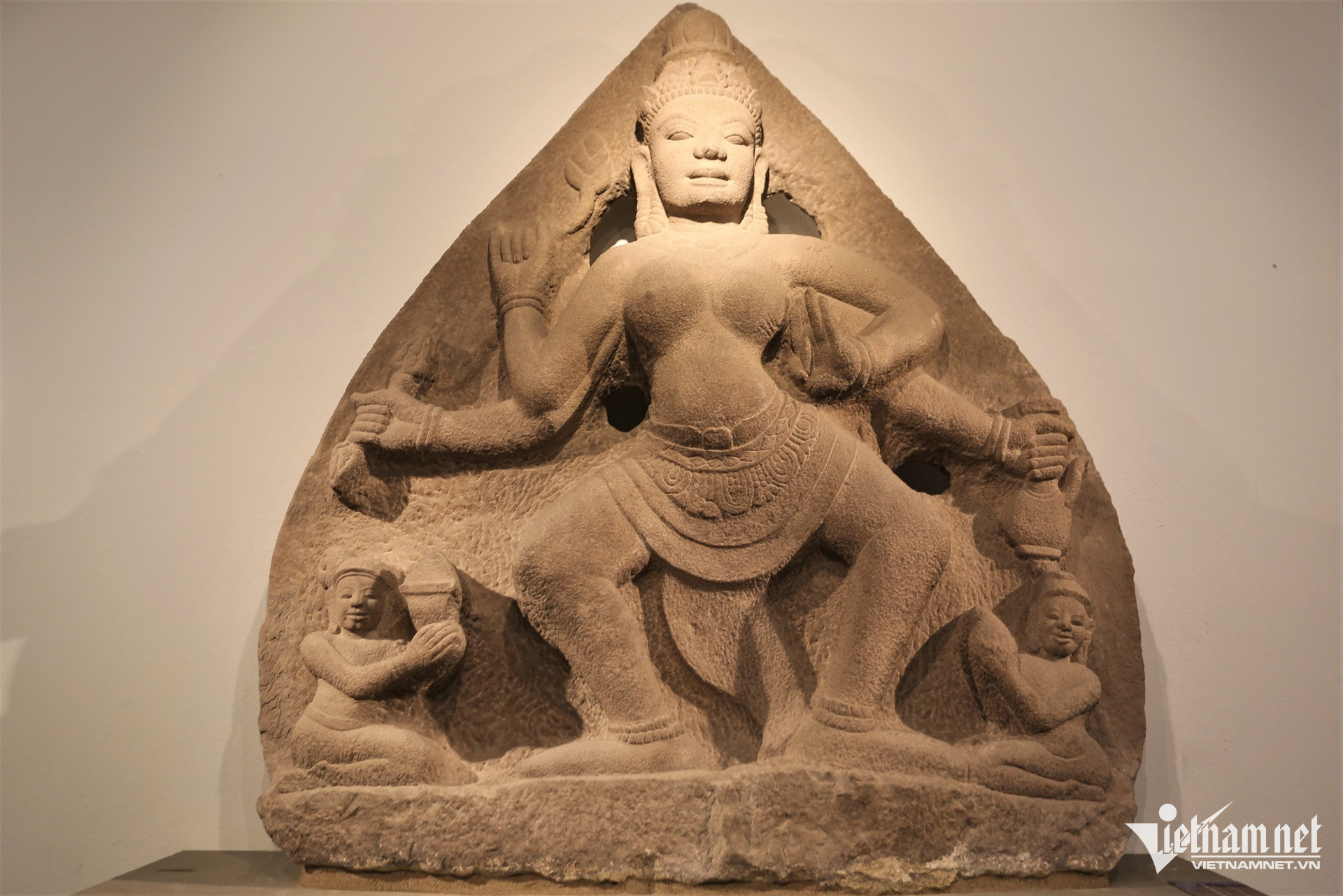
The Uma Chanh Lo relief was discovered in Quang Ngai Province in 1904. It portrays the goddess Uma in a graceful dancing pose, adorned with finely carved garments and jewelry characteristic of the Chanh Lo style from the 11th-12th centuries.
The artifact exemplifies the Chanh Lo style of the 11th-12th centuries, notable for its expressive and free-flowing lines. Intricate details on the costume, jewelry and headdress contribute to the sculpture’s vivid appearance and distinctive spirit.
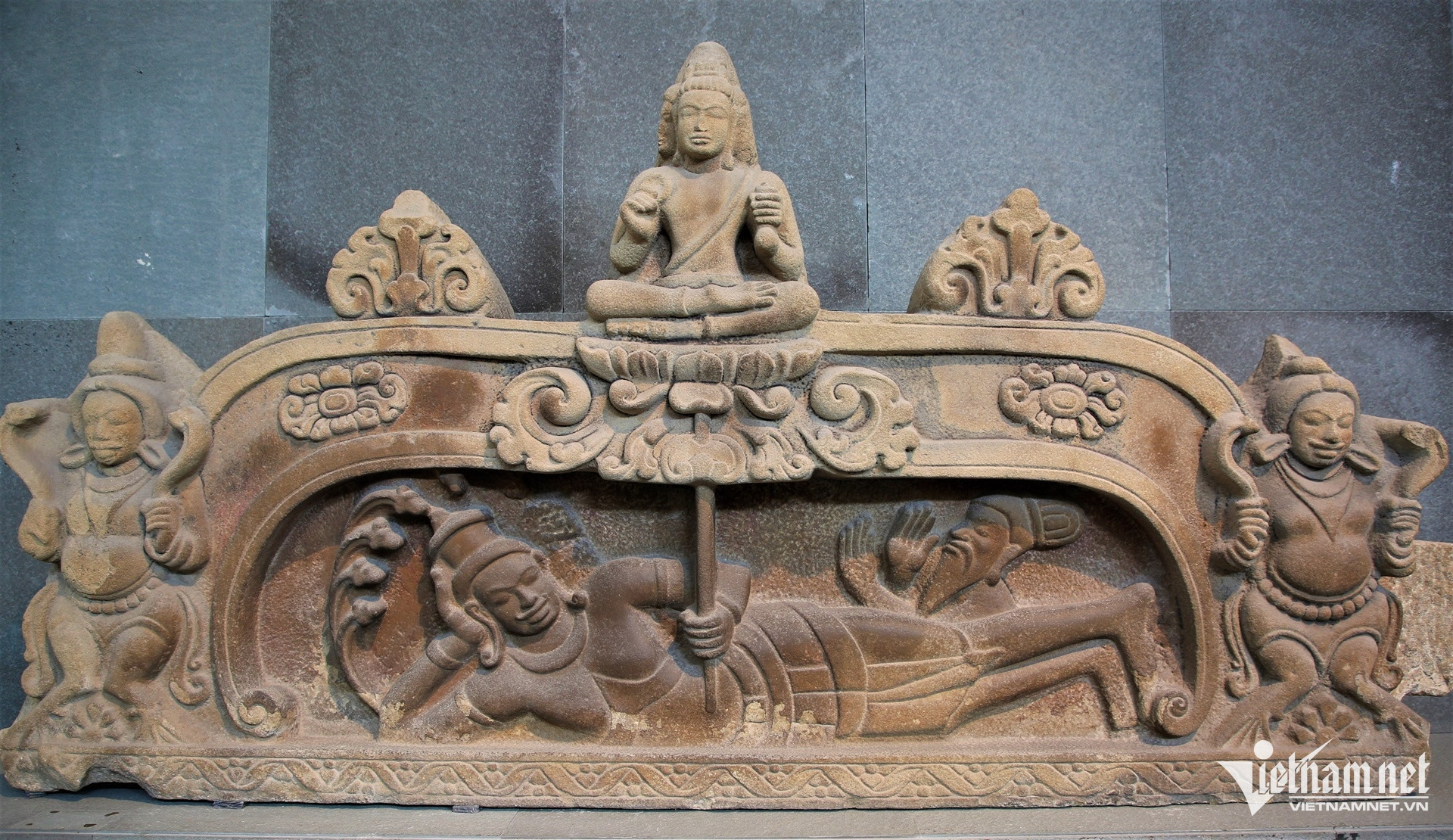
The Birth of Brahma relief is another Cham cultural treasure discovered at My Son Sanctuary in Da Nang and recognized as a national treasure in January 2024.
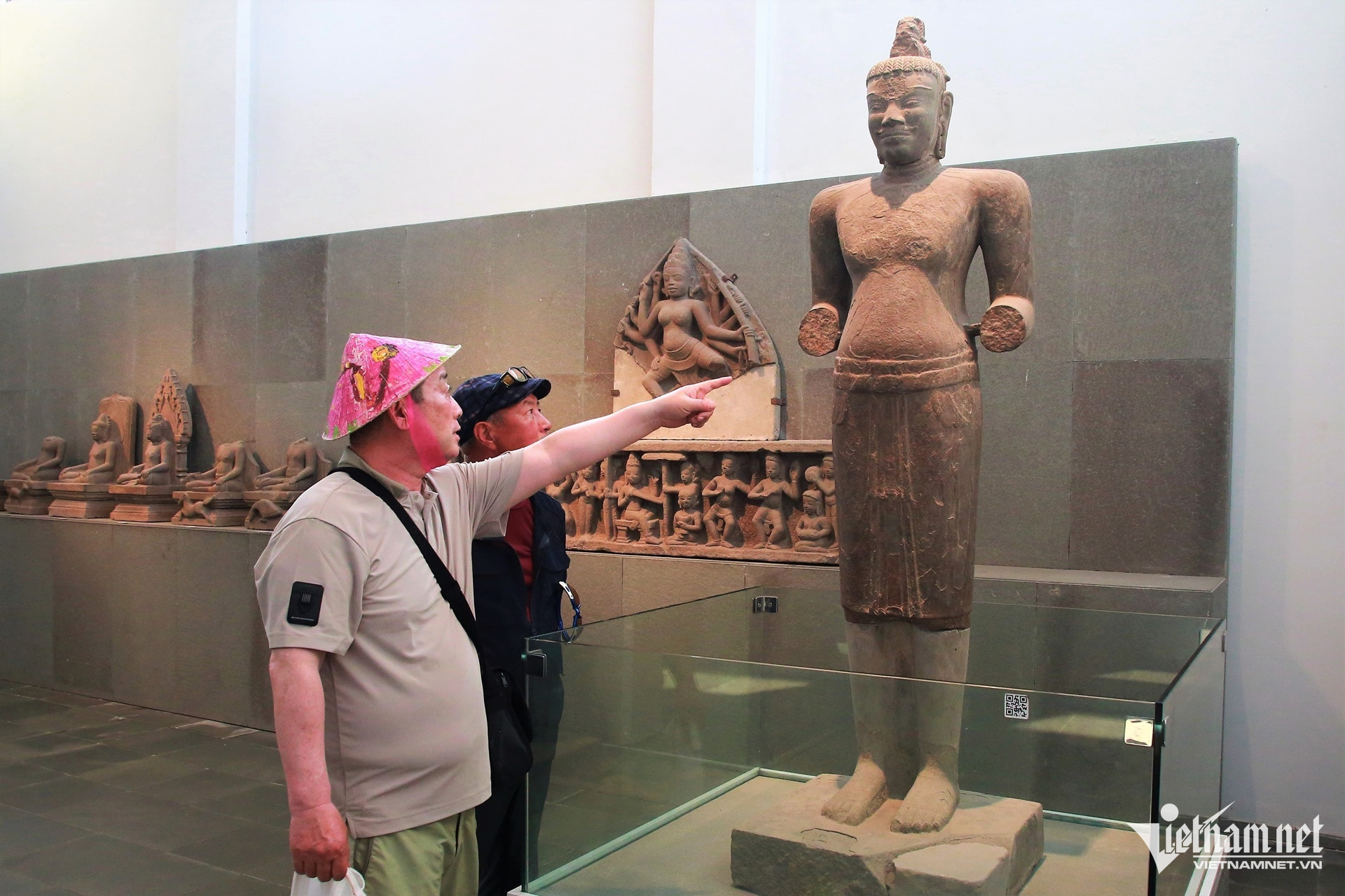
Also discovered at My Son, the Shiva statue and the Ganesha statue are among the most representative artifacts of early Champa art.
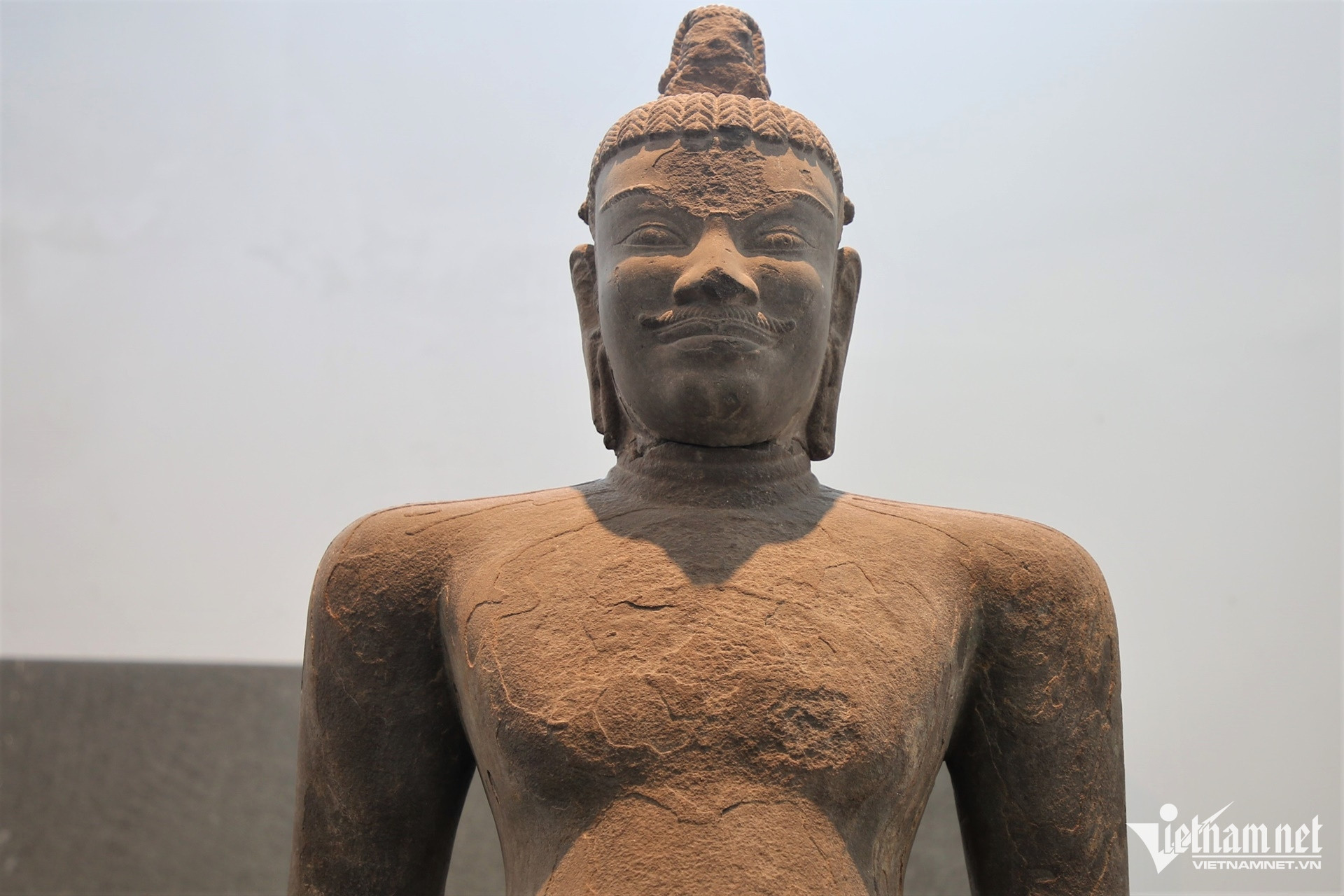
Some researchers believe the statue depicts Shiva as a wandering ascetic, while others suggest it may represent a divine king figure in Cham religious belief.
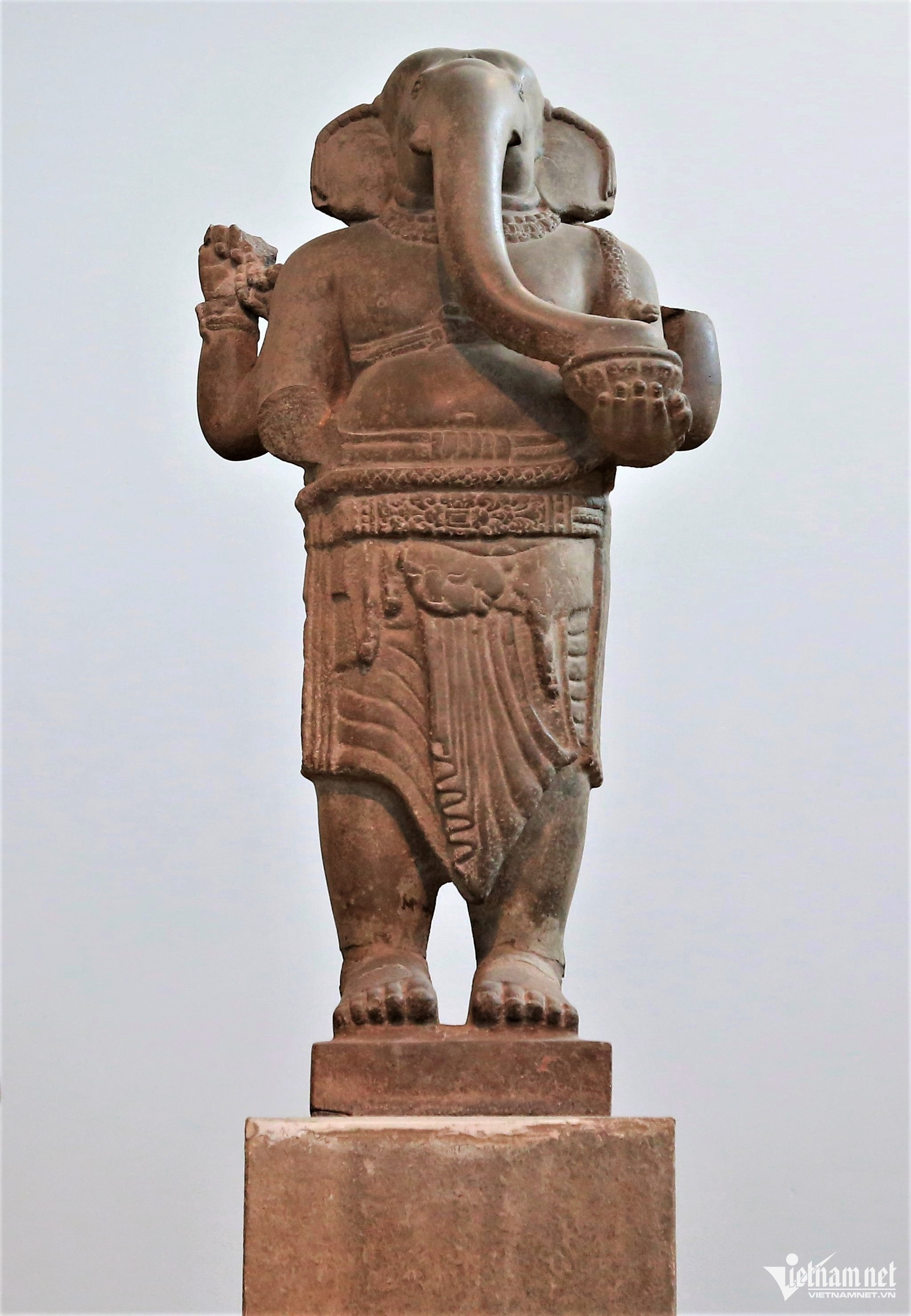
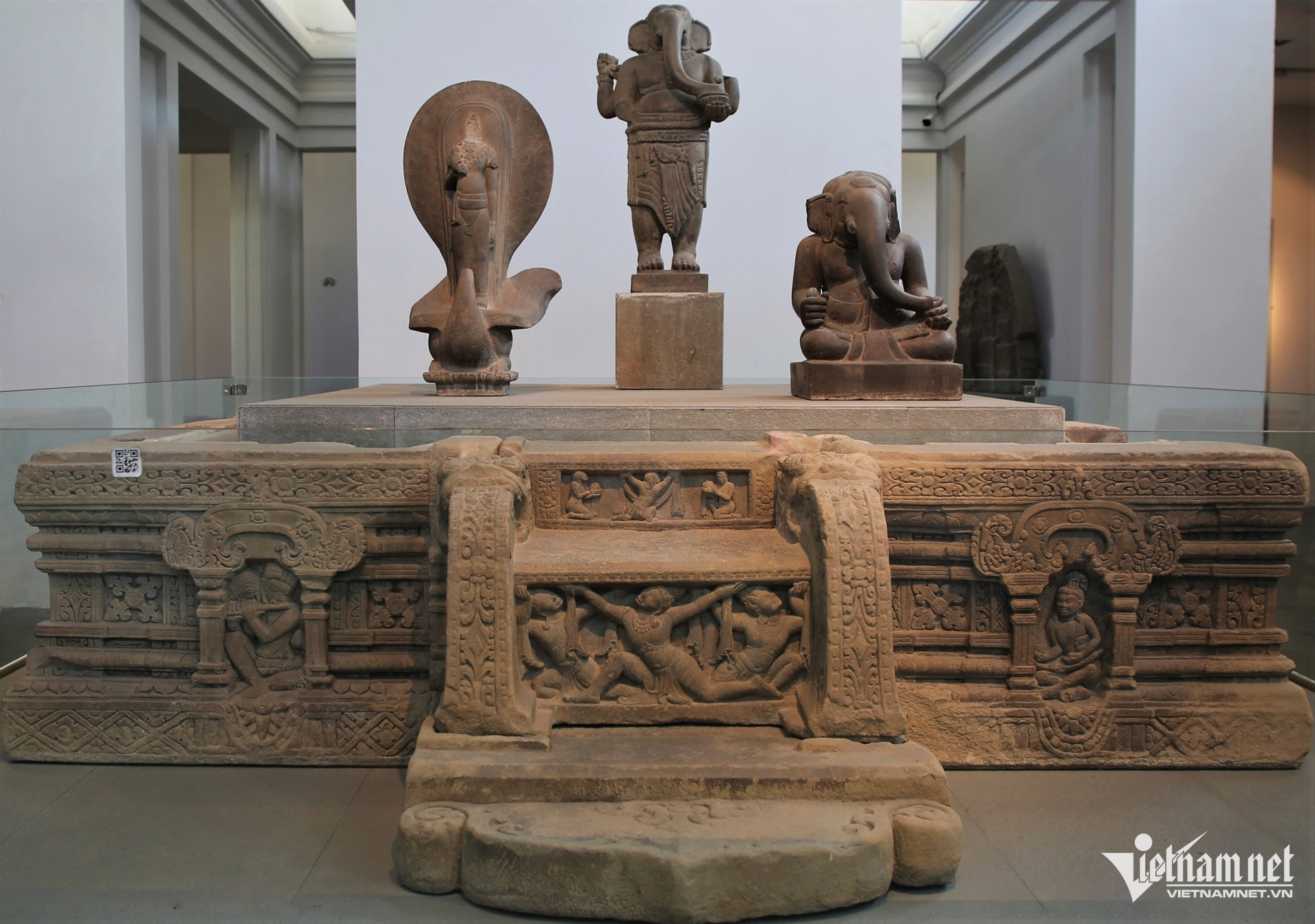
Beyond divine statues, Cham altars are also regarded as masterpieces of ancient stone sculpture.
The My Son E1 altar dates to around the 7th century and consists of multiple sandstone blocks assembled together to fully recreate the architecture of a Cham tower, complete with stairways, arches, floral motifs and sacred creatures.
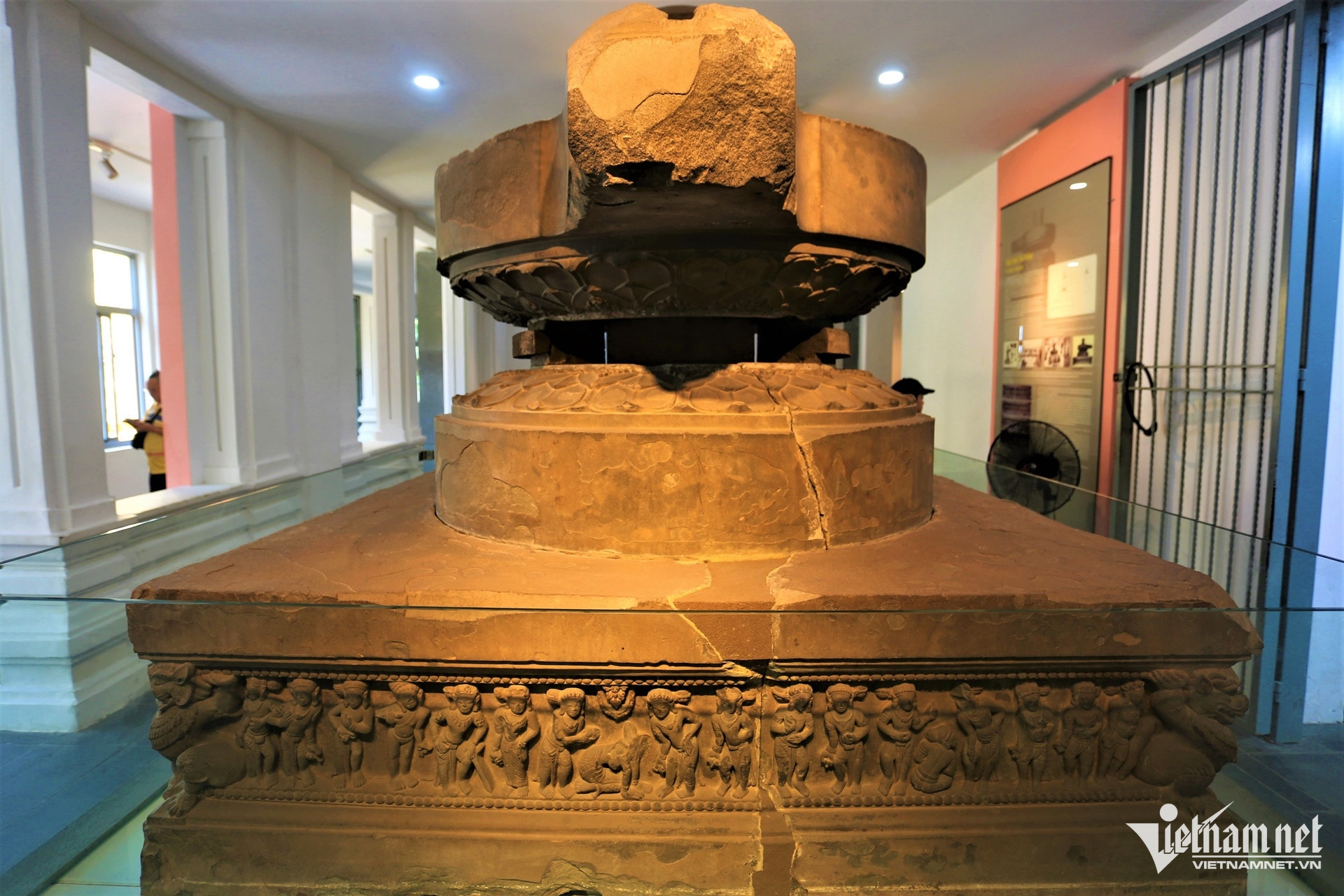
The Tra Kieu altar, also dating to the 7th century, is considered one of the masterpieces of Champa sculpture due to its sophisticated decorative motifs and intricately carved human figures around the structure.
According to Cham beliefs, altars were typically placed at the center of the main tower, topped with a Linga-Yoni or sacred statue associated with the deity worshipped in the temple.
The altar symbolizes Mount Meru, the dwelling place of Shiva. It is the only surviving altar that fully reproduces the architecture of a Champa tower, including staircases, arches, pillars, floral patterns and sacred creatures.
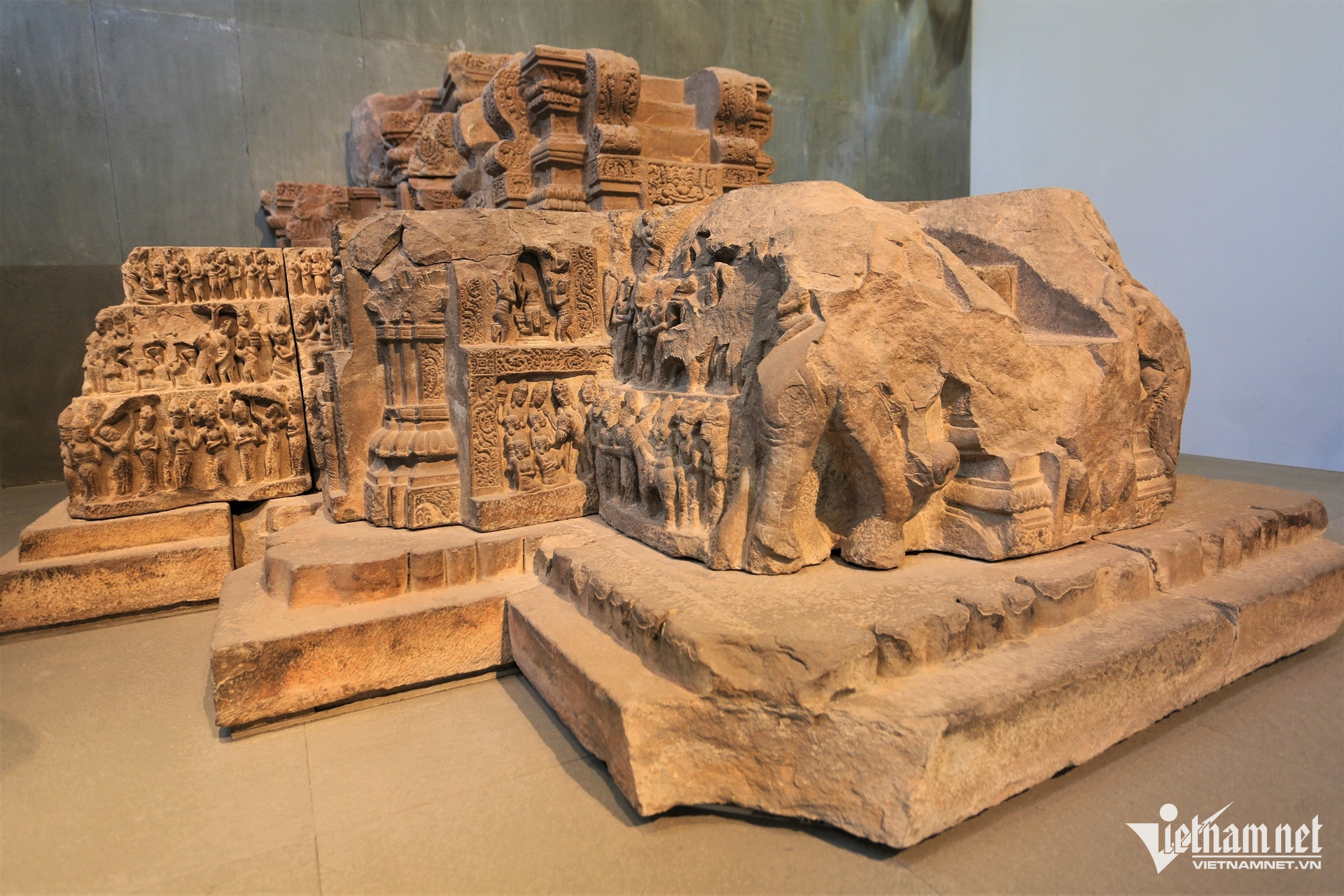
Any discussion of Cham art in Da Nang would be incomplete without mentioning the group of artifacts originating from Dong Duong Monastery, once a major Buddhist center of ancient Champa.
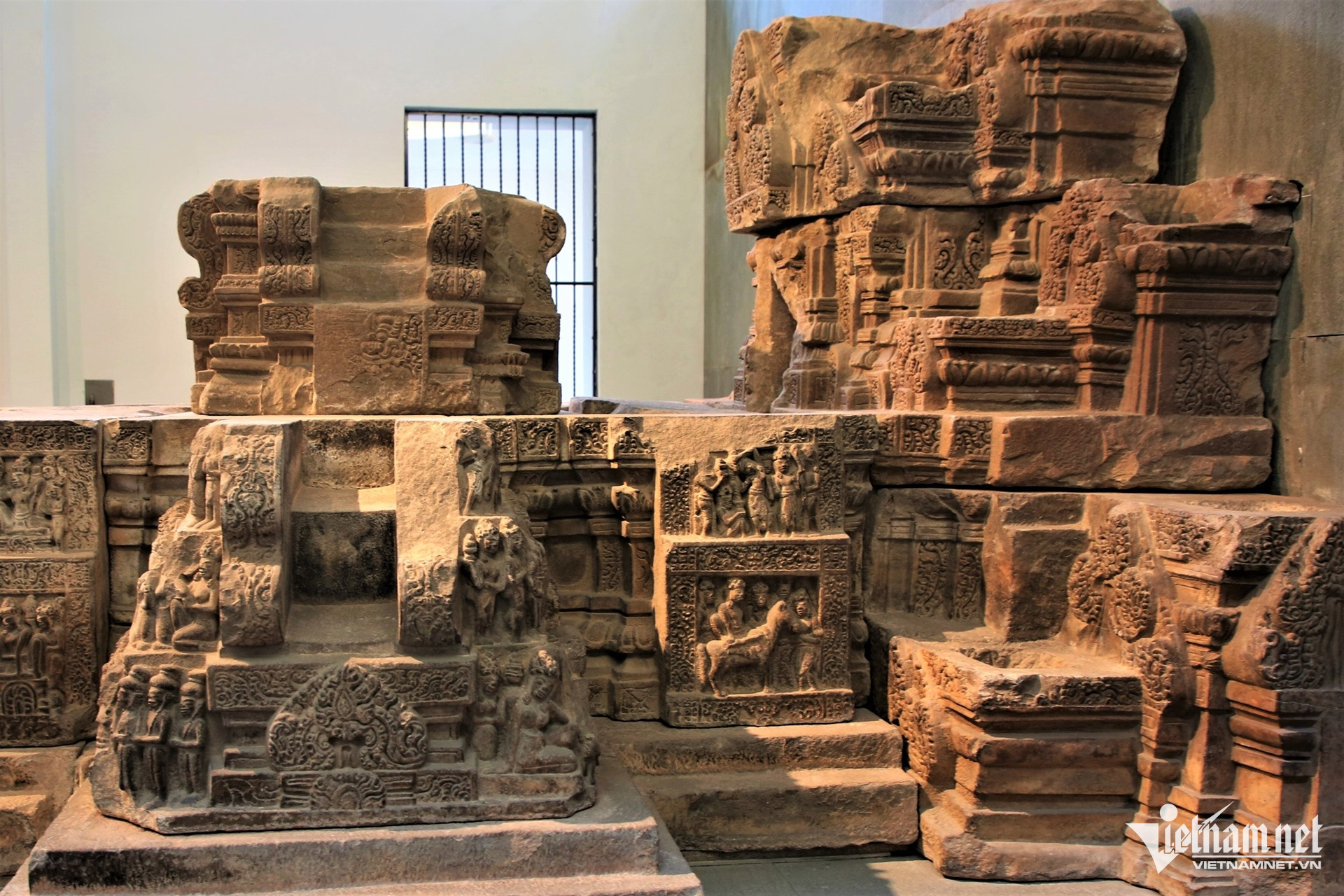
The Dong Duong altar dates to the late 9th century and was discovered in the western main tower complex, believed to have been dedicated to the bodhisattva Laksmindra Lokesvara - the principal deity of the monastery.
The artifact stands as evidence of the most flourishing period of Buddhism in the Champa kingdom and was recognized as a national treasure in 2018.
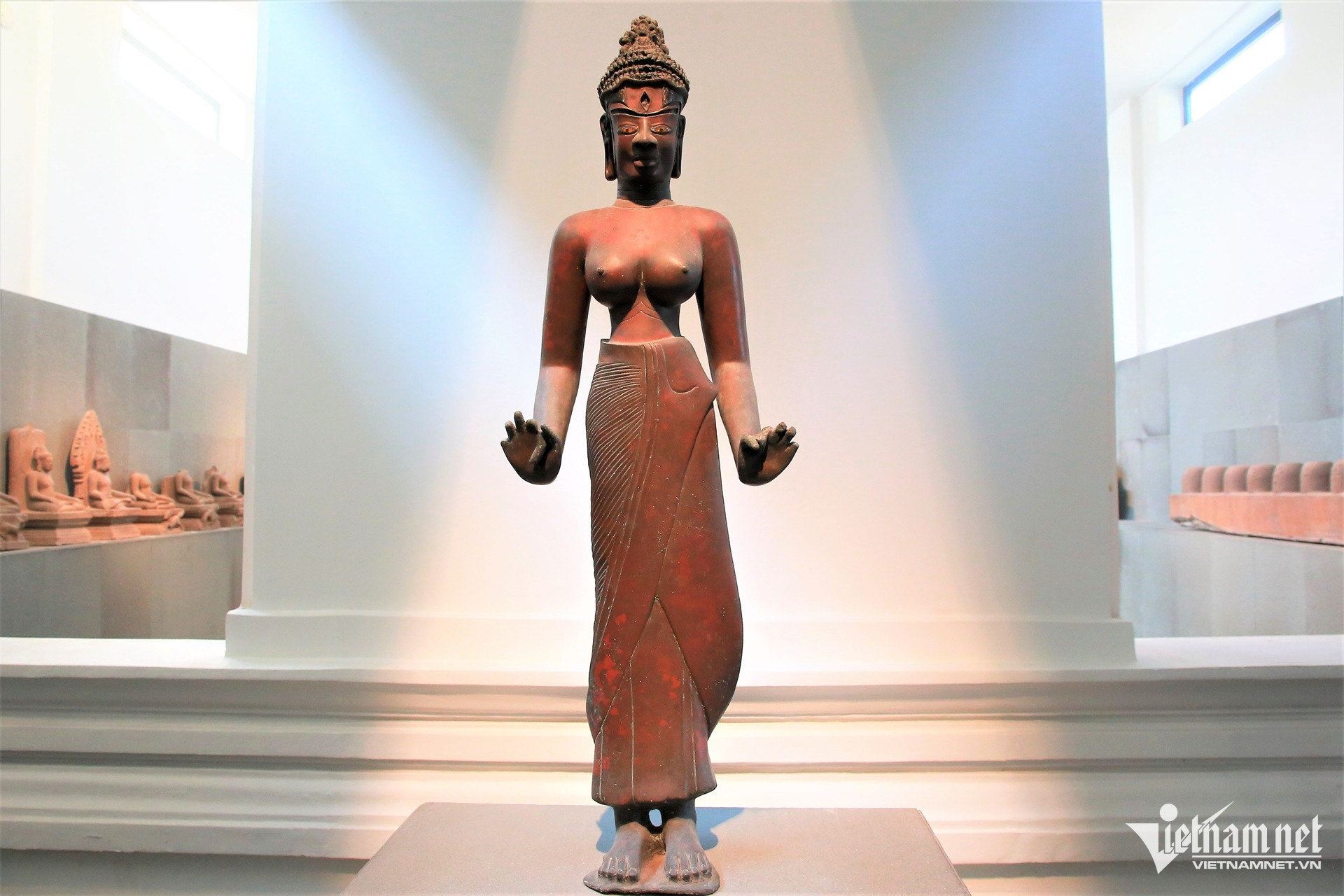
Particularly notable is the bronze Tara bodhisattva statue, nearly 1.15 meters tall, discovered by local residents in 1978.
The more than 1,200-year-old statue was recognized as a national treasure in 2012 and is considered one of the most important bronze Tara statues ever found in Southeast Asia.
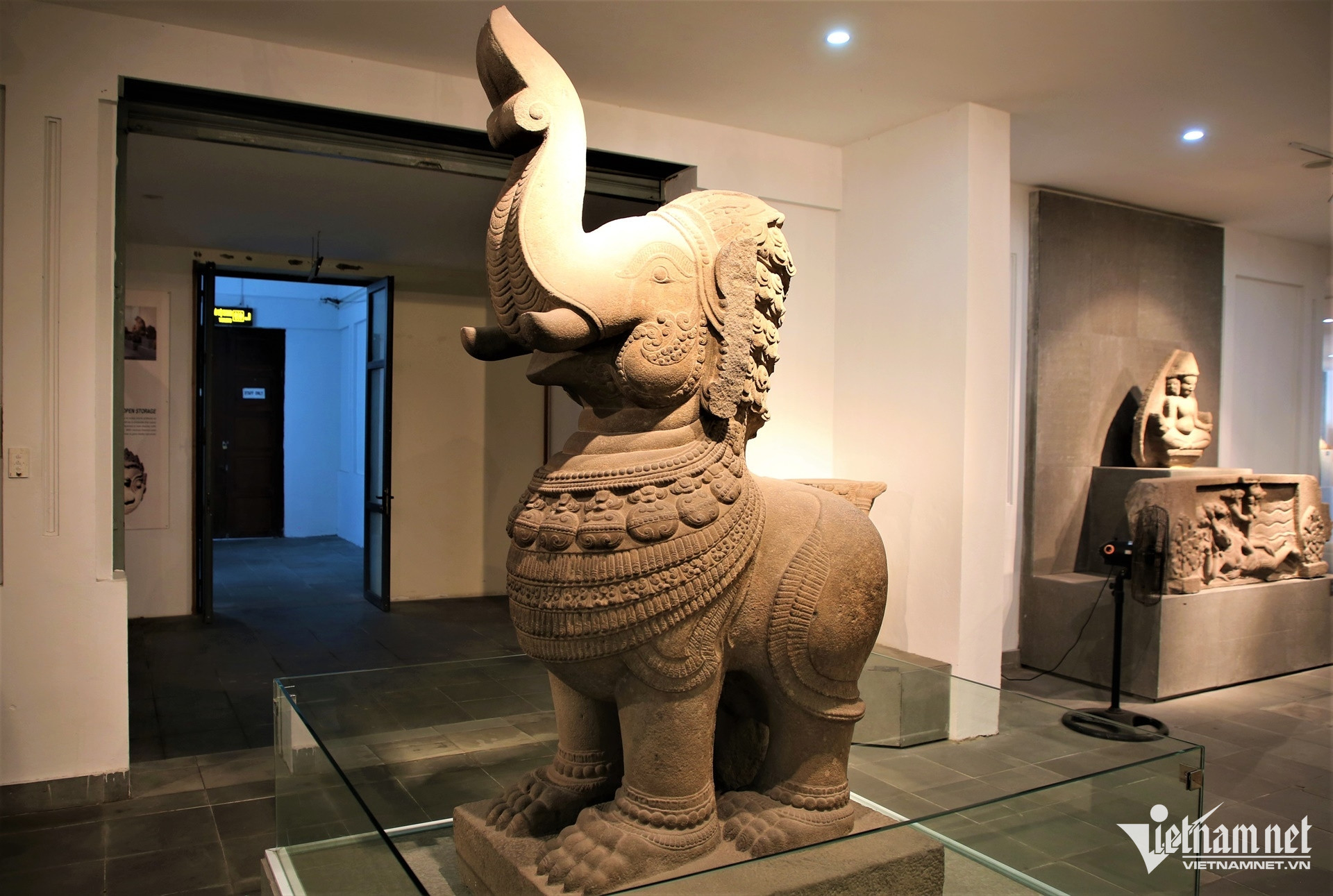
In addition, the Gajasimha statue discovered at Thap Mam and the Apsara relief from Tra Kieu, unearthed between 1933 and 1934, are also part of Da Nang’s collection of Cham national treasures.
The Gajasimha statue - a mythical creature with an elephant head and lion body - dates to the 12th century and was recognized as a national treasure in 2020. It is among the rare freestanding sculptures depicting Ganesha in a standing form, remaining relatively intact, monumental in scale and rich in distinctive features.
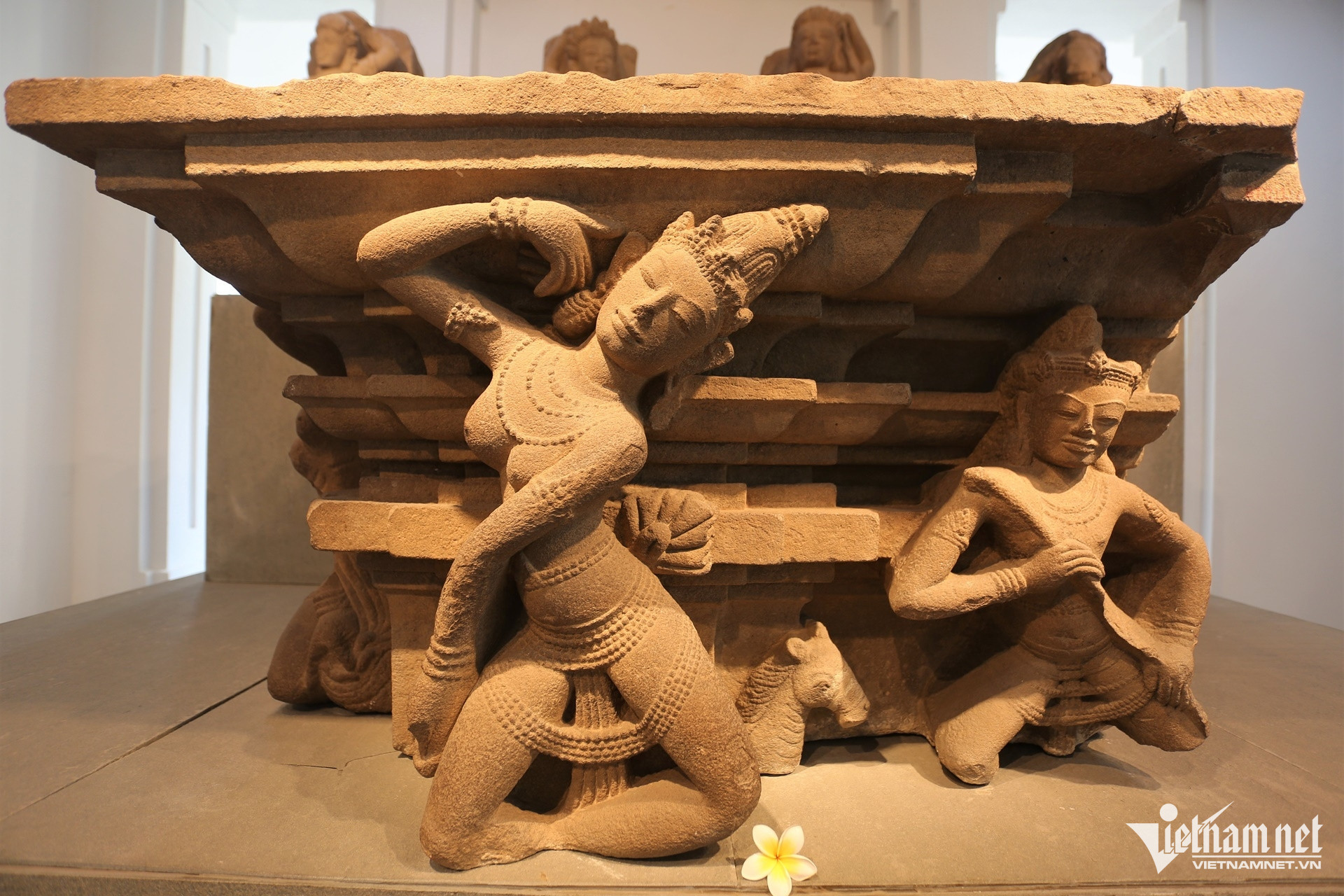
Meanwhile, the Apsara relief dates to the 10th century and was recognized as a national treasure in January 2024.
The relief portrays two Apsara dancers in the graceful tribhanga pose with soft, curved movements characteristic of the Tra Kieu style. The work is considered one of the masterpieces of Cham sculpture.
Ha Nam
.svg)
