 Vietnamnet.vn

 Podcast


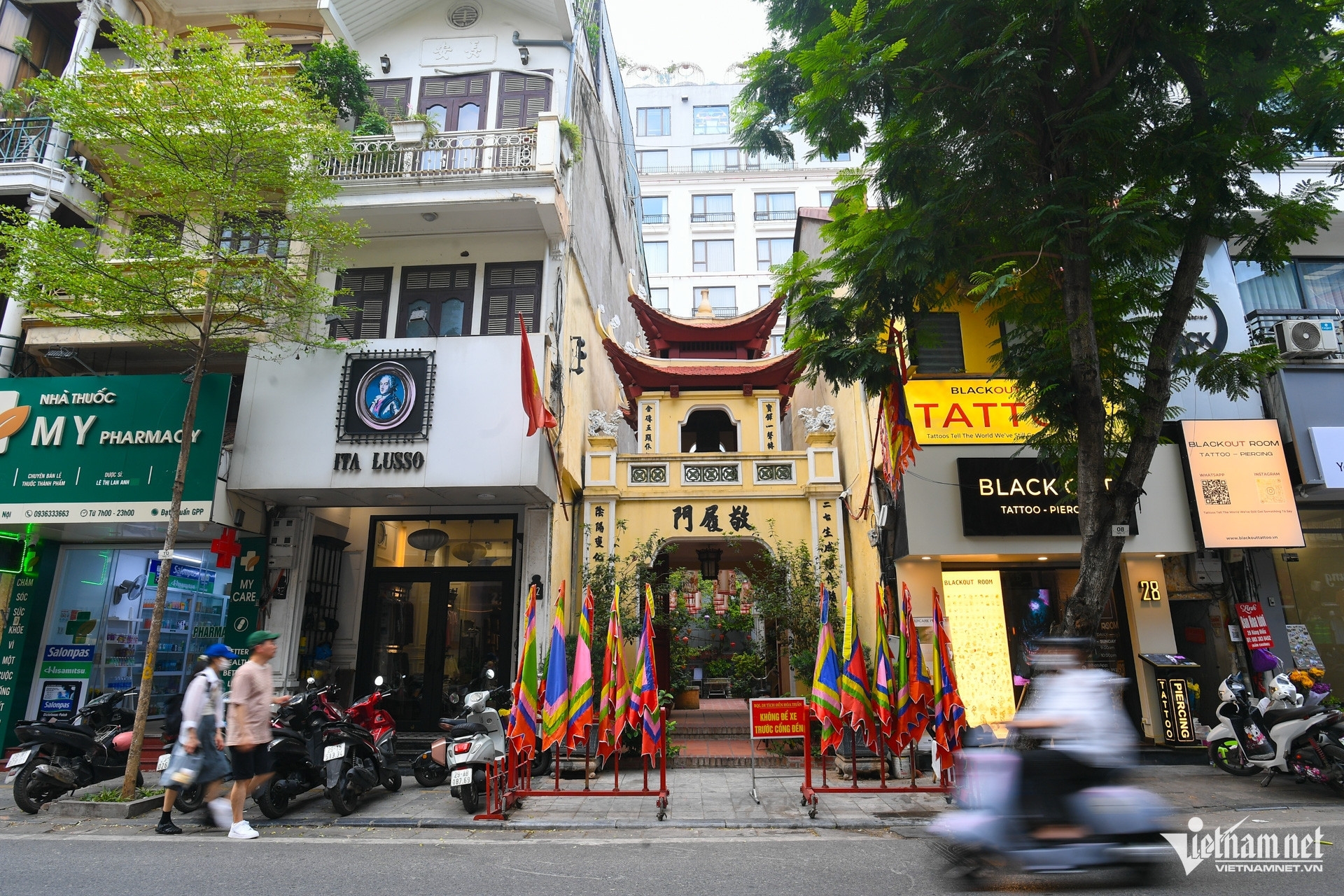
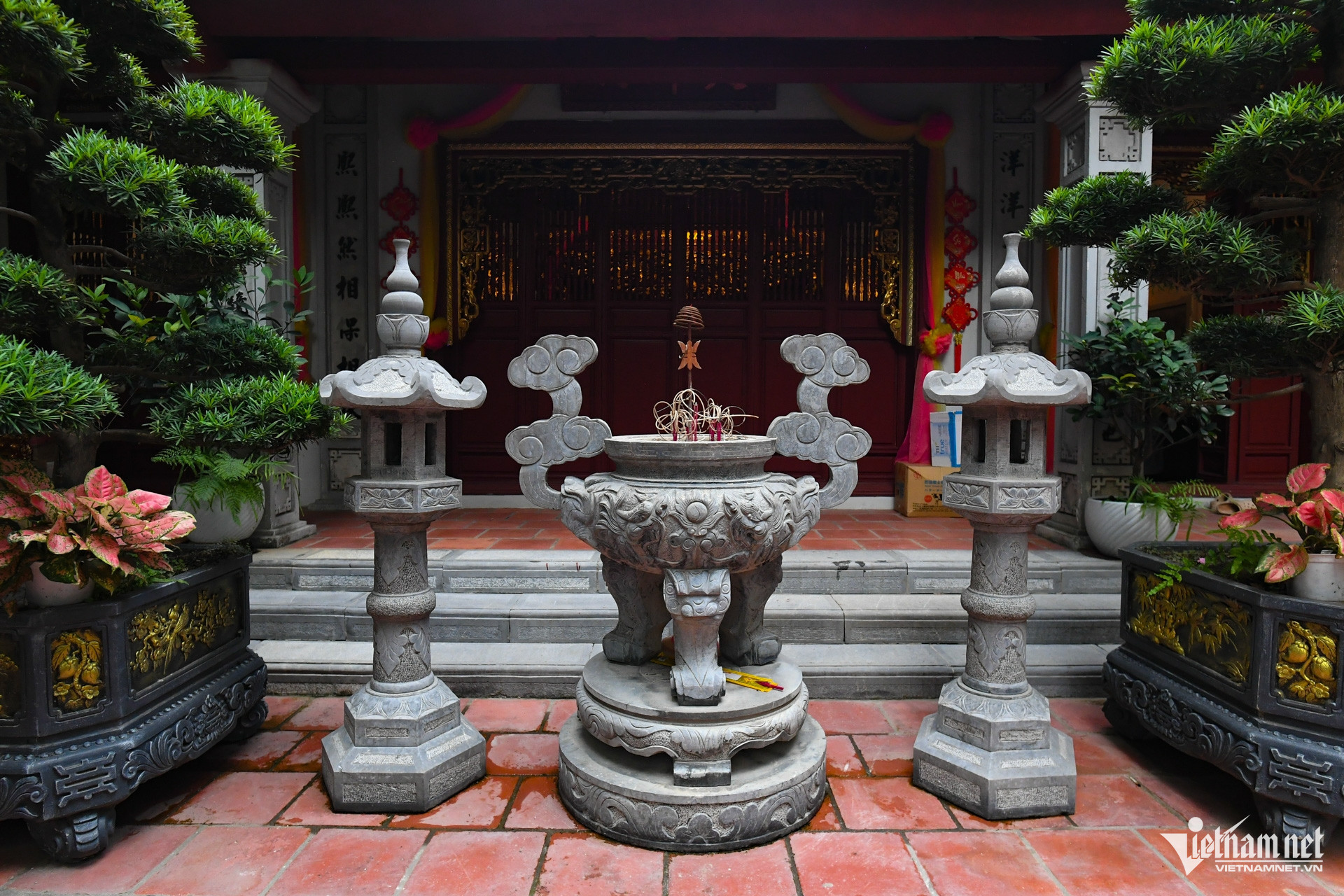
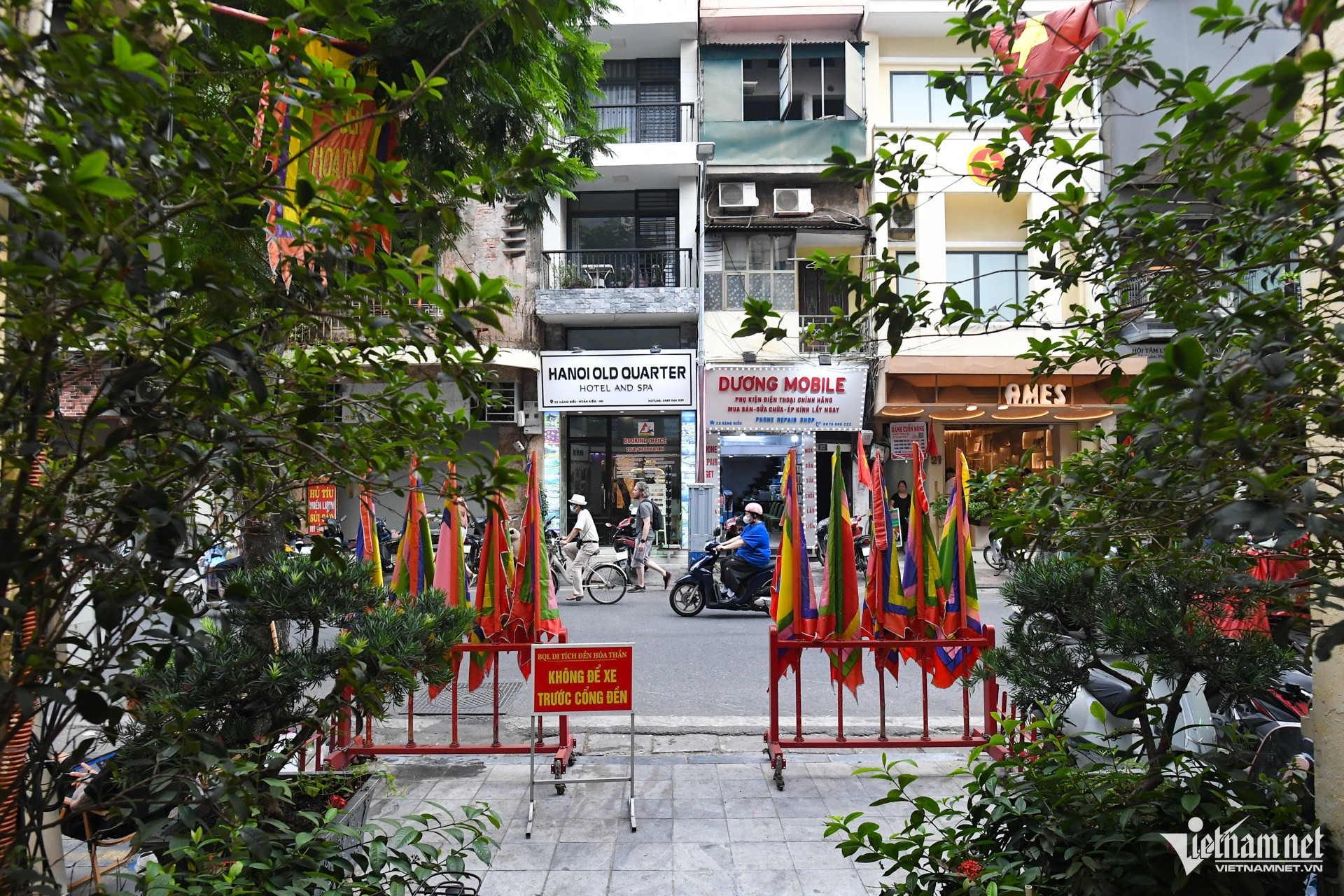
Amid the tightly packed shops and constant traffic of Hang Dieu Street, Hoa Than Temple, also known as the Temple of the God of Fire, stands behind a modest entrance topped with gracefully curved roof corners.
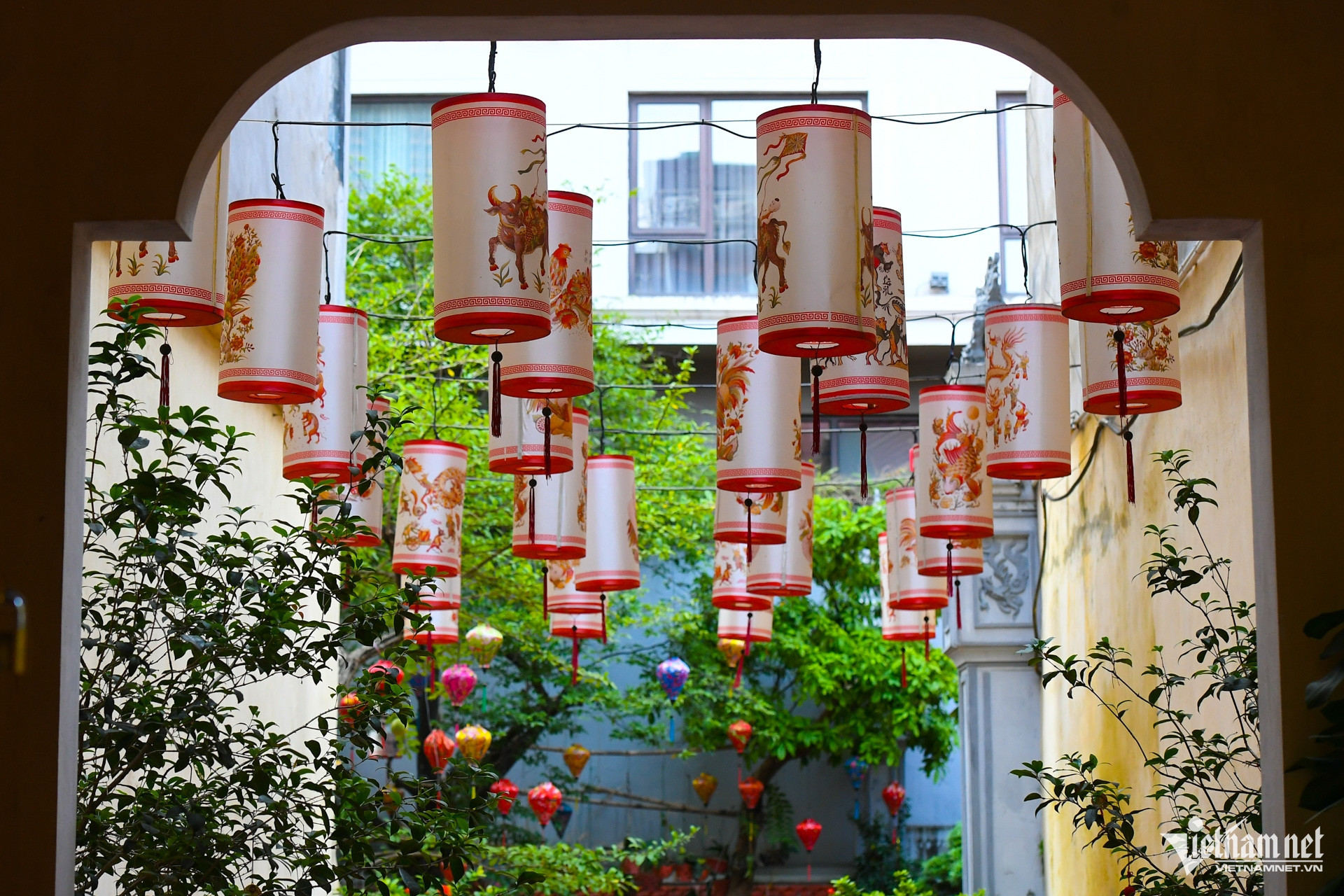
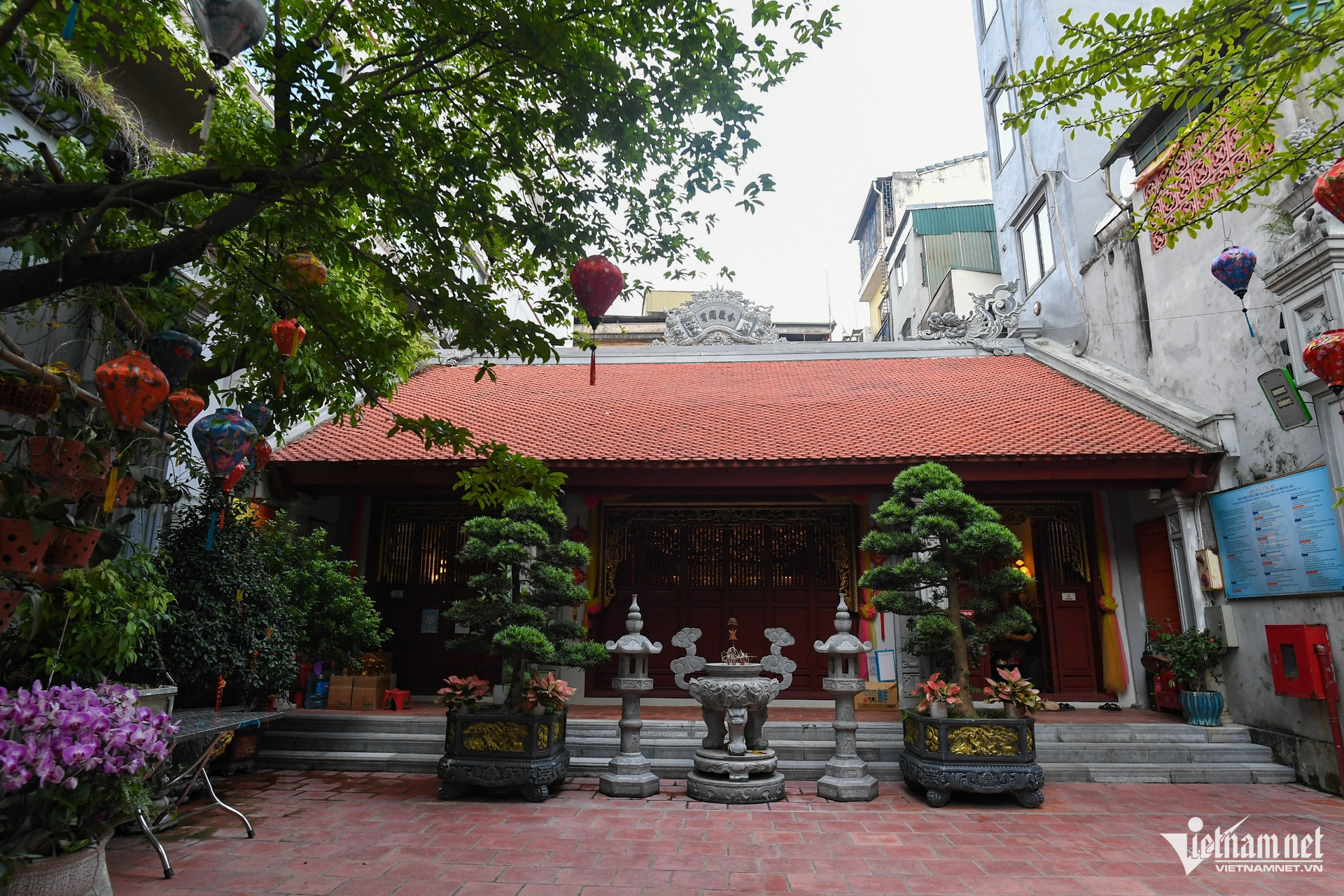
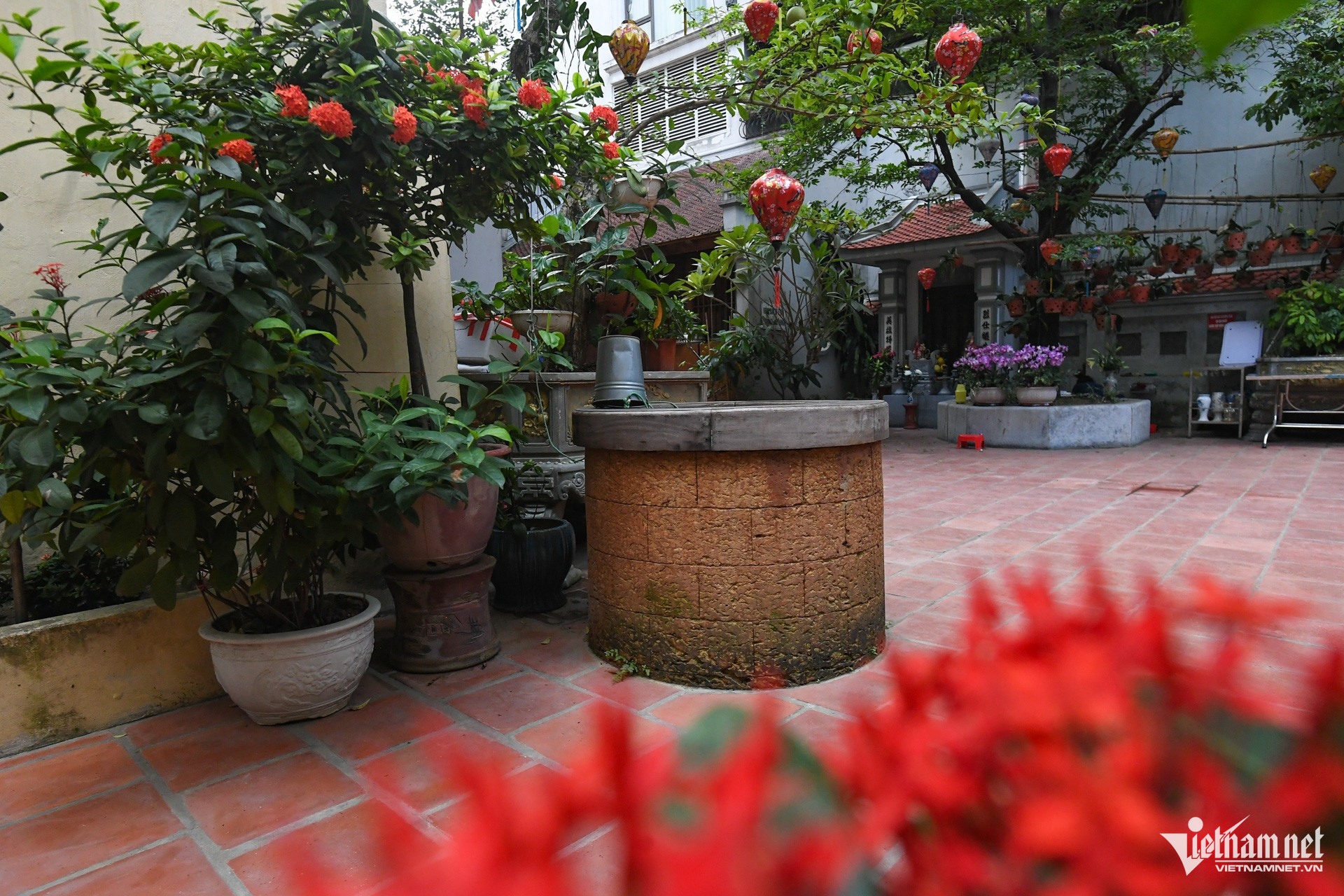
Step through its gates, and the bustle of Hanoi's Old Quarter seems to fade away, replaced by a small courtyard, weathered rooftops, the scent of incense and the solemn atmosphere of an ancient place of worship.
Few visitors realize that this temple preserves a distinctive tradition from the spiritual life of old Thang Long, the historic name of Hanoi: worshipping a deity believed to govern fire, protect people from destructive blazes and safeguard their homes and communities.
How the fear of fire gave rise to a temple
For the people of ancient Thang Long, fire was both essential to life and a constant threat.
It provided heat for cooking and warmth, powered traditional crafts and supported everyday production. Yet a single uncontrolled flame could destroy homes, possessions and even entire neighborhoods, claiming lives along the way.
Old Thang Long was a city of craft guilds, markets and densely populated trading streets.
Most houses were built from wood, bamboo and other combustible materials, with roofs that could easily catch fire. Buildings stood close together along narrow streets and alleyways, allowing flames to spread rapidly.
Research into the religious beliefs of Thang Long and Hanoi's urban communities records major fires in 1619 and 1631.
In 1828 alone, two devastating fires destroyed hundreds of houses in one incident and more than 1,400 in another, affecting numerous villages and urban wards.
Faced with such dangers, residents of the imperial capital sought not only practical ways to prevent fires but also spiritual protection.
This gave rise to the worship of Hoa Than, the God of Fire, believed to possess the power to control flames and protect people from disaster.
Hoa Than Temple, located at 30 Hang Dieu Street, was founded in 1838, the 19th year of Emperor Minh Mang's reign, initially as a modest shrine.
The structure was rebuilt more substantially in 1841 and expanded again in 1848 with the addition of a front ceremonial hall and a square pavilion.
According to heritage records maintained by Vietnam's Department of Cultural Heritage, Confucian scholars holding important administrative positions in Thang Long under the Nguyen Dynasty participated in the temple's construction.
Their involvement suggests that worship of the God of Fire was more than an individual religious practice.
It reflected a shared concern among urban residents and authorities over a danger that threatened both daily life and public order.
In Vietnamese folk beliefs, natural phenomena are often associated with supernatural powers.
People establish temples not necessarily to celebrate the destructive forces of nature, but to seek harmony with them and prevent those forces from bringing misfortune.
The worship of Hoa Than therefore embodies a meaningful paradox: people honor the God of Fire precisely because they hope to be protected from fire.
The God of Fire and a meeting of spiritual traditions
Deeper inside Hoa Than Temple lies a richly layered spiritual world where different religious traditions coexist.
The temple's principal deity is Quang Hoa Ma Nguyen Soai, revered in folk tradition as a divine figure responsible for controlling fire and preventing fire-related disasters.
According to legend, the deity originally existed as a sacred lamp in a Buddhist place of worship.
After repeatedly hearing Buddhist chanting and teachings, the lamp gradually attained spiritual enlightenment.
However, because of its fiery temperament and failure to observe religious discipline, the deity was sent down to the human world and reborn into the Phung family.
Following a period of spiritual cultivation, the deity attained enlightenment, returned to the heavenly realm and became a divine official serving the Jade Emperor, entrusted with preventing disasters caused by fire.
This is a mythological narrative rather than a historical account.
Nevertheless, the legend conveys deeper ideas about morality, self-discipline and human character.
Fire, by nature, is fierce and volatile. Left uncontrolled, it can become a destructive force. Yet when properly restrained, it provides light, sustains life and brings benefits.
The story can therefore be understood as a symbolic reminder that even powerful natural forces must be governed by balance and directed toward good.
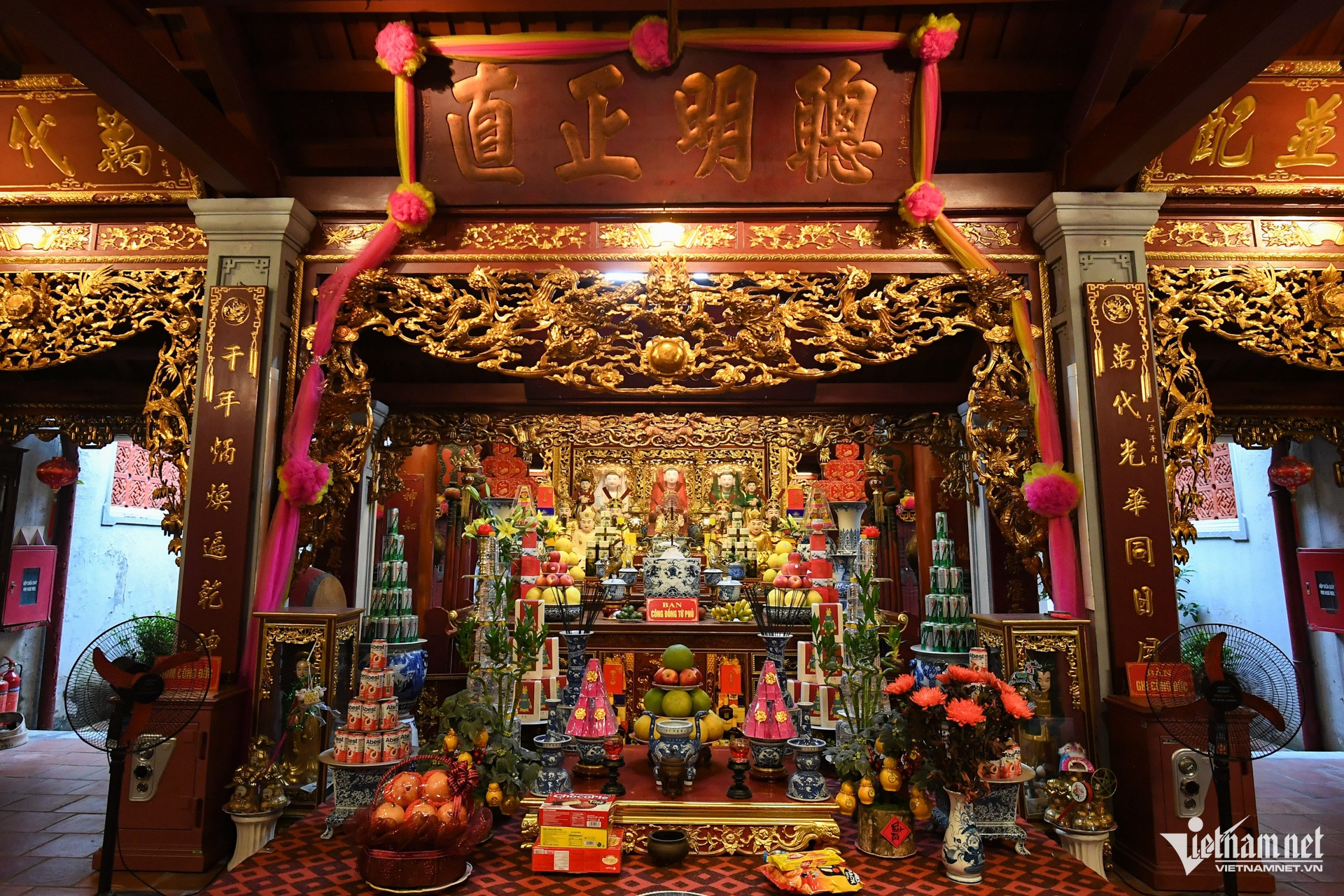
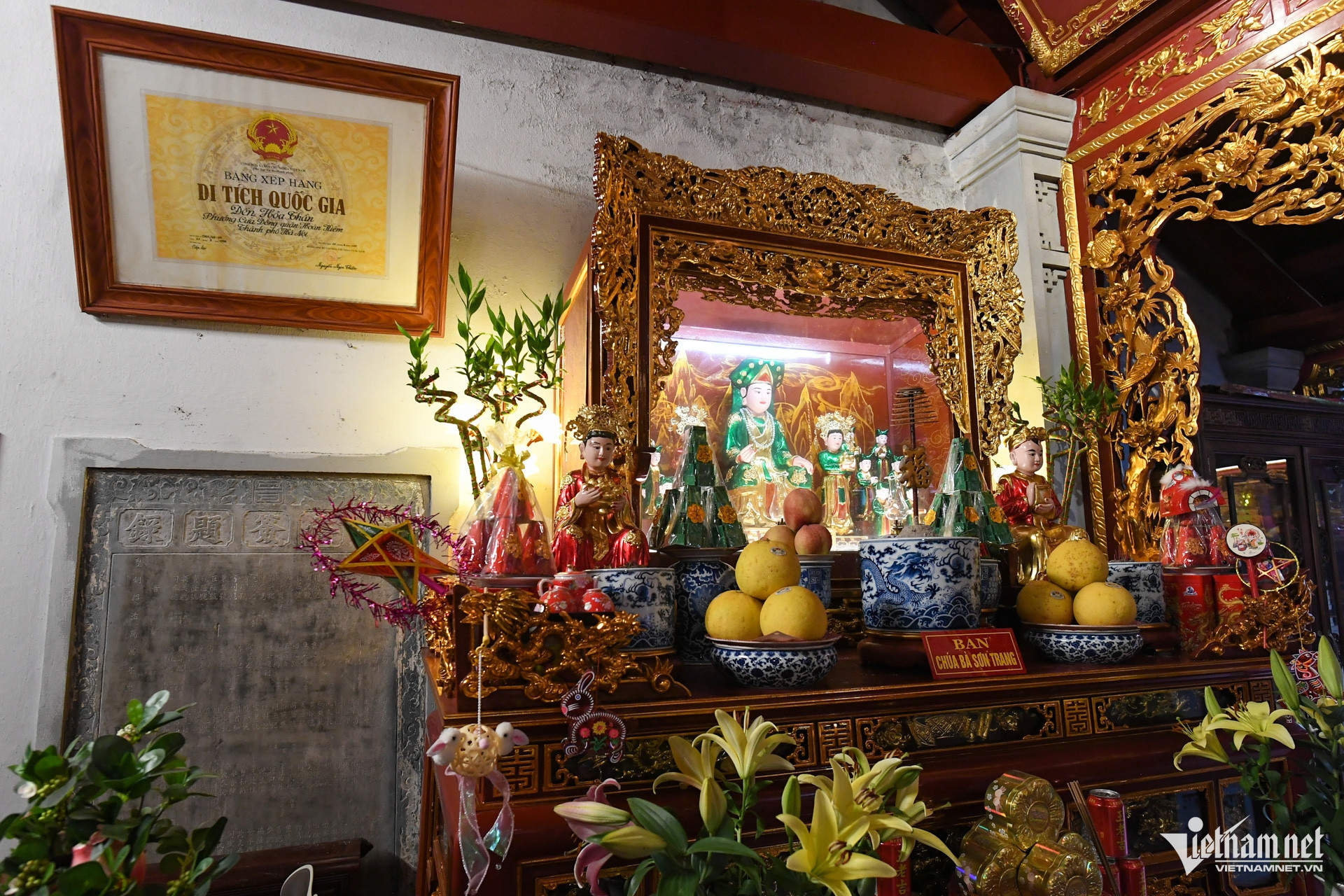
According to records from the Department of Cultural Heritage under the Ministry of Culture, Sports and Tourism, the temple's inner sanctuary houses the principal altar dedicated to Hoa Than.
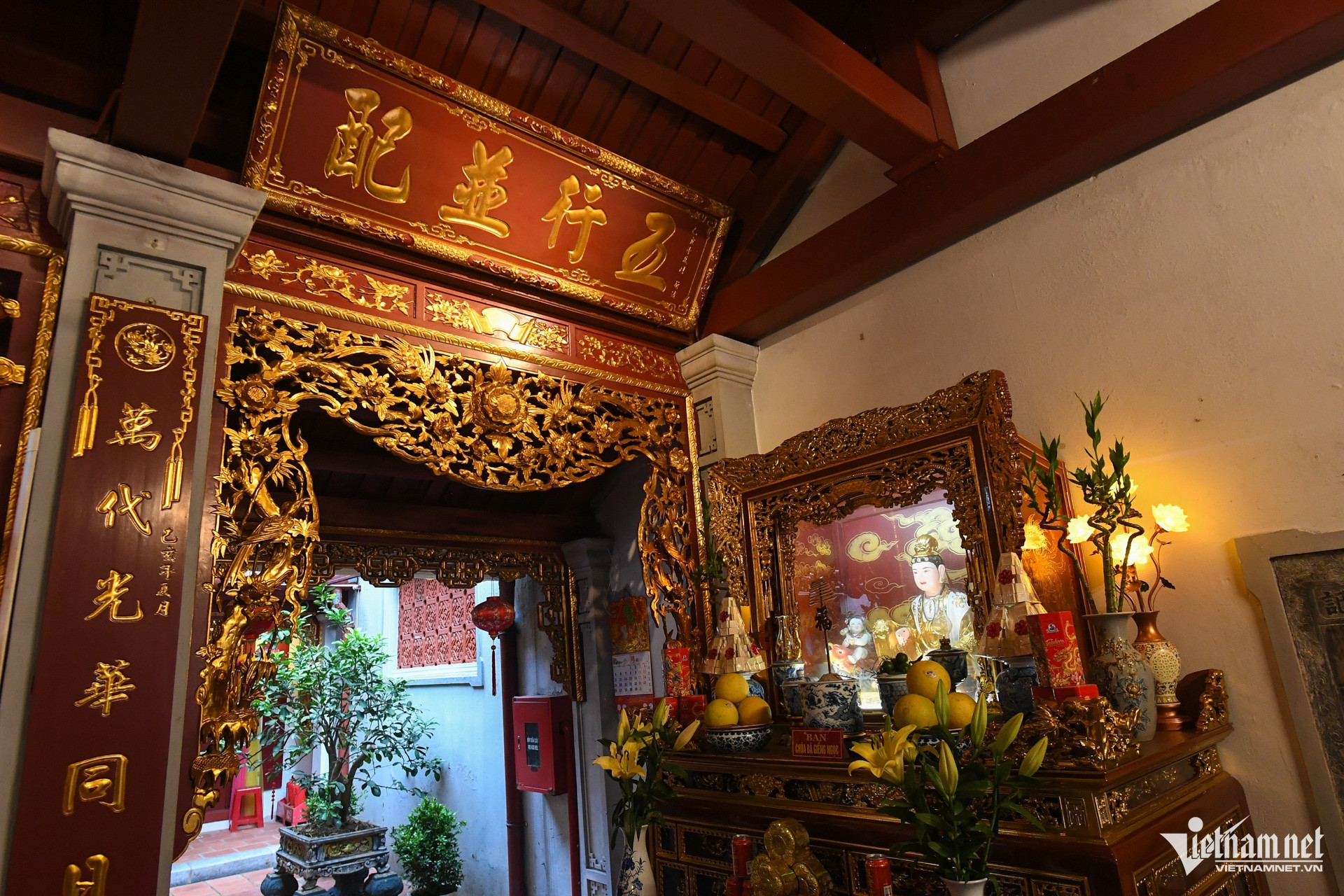
The square pavilion also contains altars dedicated to the Buddha, the Three Holy Mother Goddesses, female attendant deities, Duc Ong and other divine figures.
Notably, these altars were not all installed when the temple was first built.
They were added over the course of its development, reflecting the changing and expanding spiritual needs of the surrounding community.
This coexistence is characteristic of Vietnamese religious life, where a single sacred space can accommodate different forms of worship and respond to diverse hopes for peace, health, family well-being and a secure life.
While Buddhism emphasizes compassion and enlightenment, Mother Goddess worship celebrates protection and nurturing, and devotion to the God of Fire expresses the desire to avoid disaster.
Each tradition retains its distinct identity, yet all can exist together within the broader landscape of Vietnamese folk spirituality.
From divine protection to community responsibility
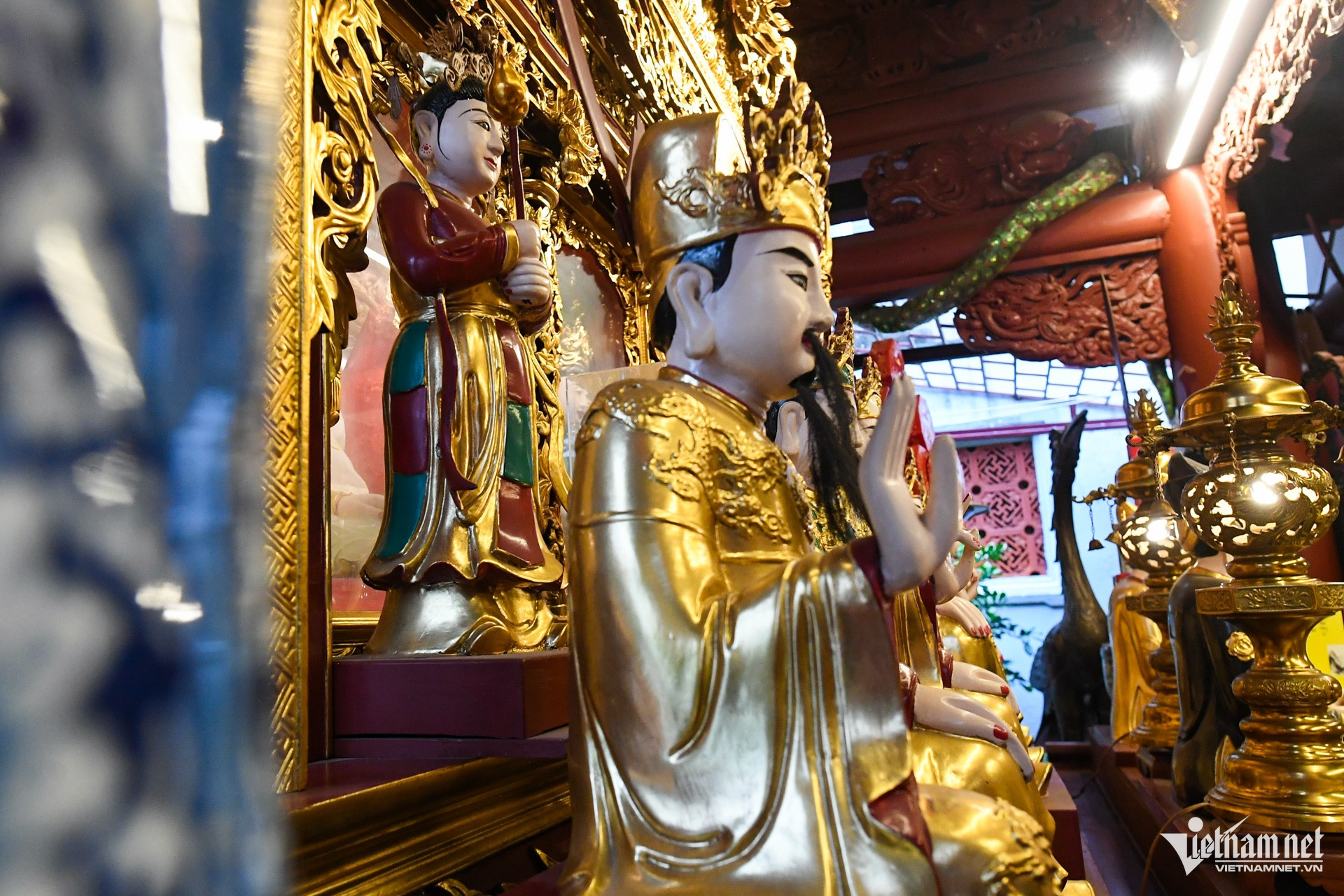
In the temple's inner sanctuary, a statue of the God of Fire occupies a prominent position inside an intricately carved shrine decorated with dragon motifs.
The deity is depicted with a commanding appearance, a full face and an imperial dragon robe.
On either side stand attendant figures commonly identified as Thien Ly Nhan and Thuan Phong Nhi, legendary beings endowed with the supernatural abilities to see across vast distances and hear sounds from far away.
According to a folk account recorded in the book Duong pho Ha Noi (Hanoi Streets), the temple once housed a large bronze bell.
Whenever a fire broke out, residents would ring the bell in the belief that the God of Fire would hear their plea and intervene to avert disaster.
From a religious perspective, the ringing bell represented a prayer addressed to the divine.
Viewed through the lens of community life, however, it also evokes the practical importance of sounding an alarm, alerting neighbors and bringing people together in moments of danger.
Importantly, worship of the God of Fire did not mean that residents relied solely on supernatural intervention.
In her study of deity worship among Thang Long and Hanoi's urban residents, based on historical stone inscriptions, researcher Nguyen Thi Thanh cited an inscription erected at the temple in 1841, the first year of Emperor Thieu Tri's reign.
The inscription emphasized that fires required appropriate response measures and that preventing and managing such disasters was also a matter of administrative responsibility.
Nearly two centuries have passed since Hoa Than Temple was established, and the surrounding city has undergone profound changes.
Hanoi's Old Quarter has become increasingly crowded, with buildings rising close together and the temple gradually disappearing from view amid the rhythm of modern urban life.
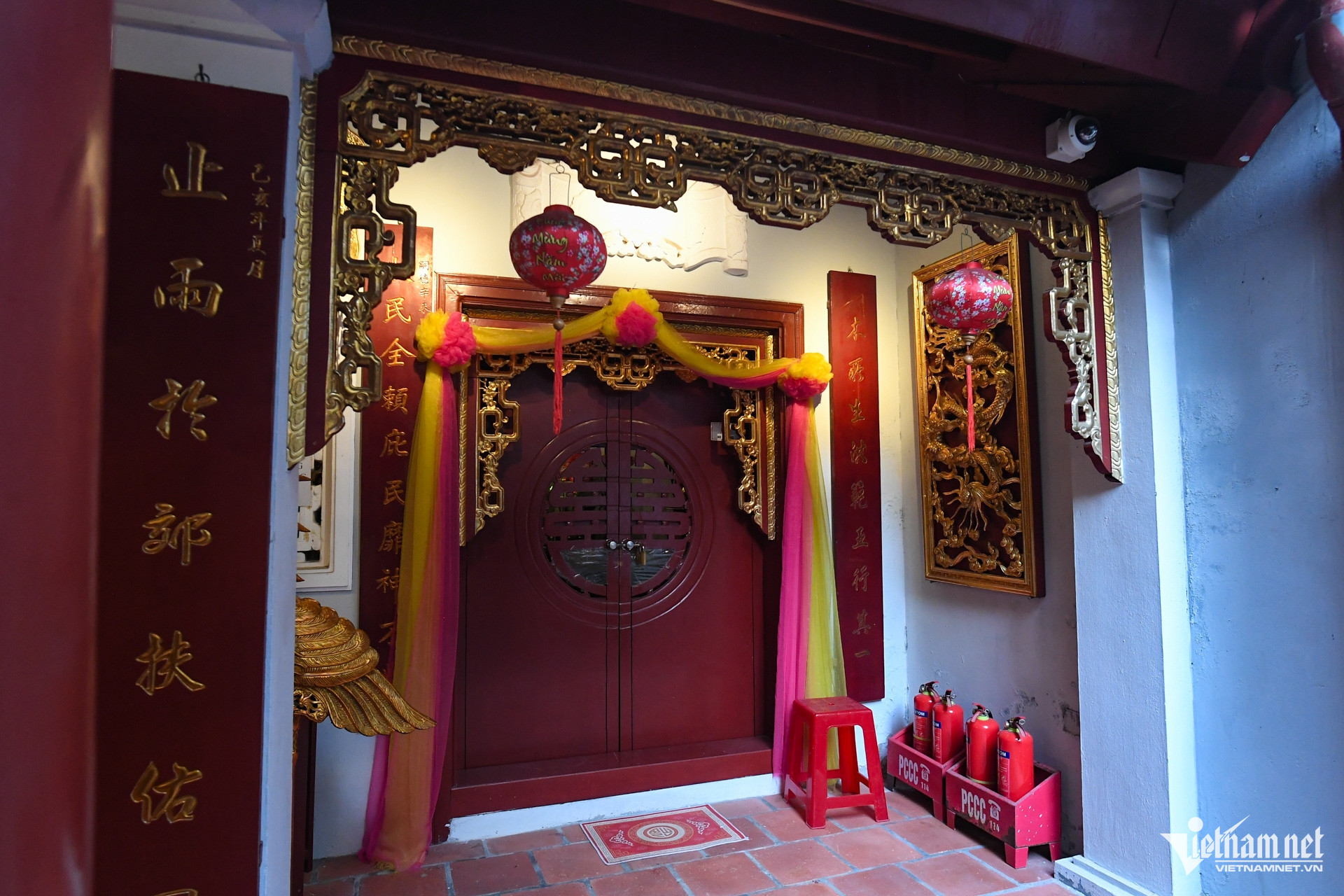
Yet its spiritual traditions and collective memories remain preserved through statues, stone steles, horizontal lacquered boards, parallel inscriptions and royal decrees issued during successive reigns of the Nguyen Dynasty.
In 1996, Hoa Than Temple was officially recognized as a national historical and cultural relic.
The site has since undergone restoration and conservation work, while traditional ceremonies continue to be observed, including a commemoration marking the passing of the God of Fire.
Today, amid the busy streets of Hanoi, Hoa Than Temple remains a quiet link between ancient beliefs and modern awareness.
Beyond the incense smoke and centuries-old legends lies something deeply human: the desire for safety, peace and protection from danger.
It is a hope that has endured through generations and remains just as relevant today.

Thach Thao - Thai An

