 Vietnamnet.vn

 Podcast



Hidden in the heart of Ho Chi Minh City, the Museum of Traditional Vietnamese Medicine draws visitors into an intricate world of carved wood, thousands of medical artifacts and, unexpectedly, an entire house more than 200 years old.
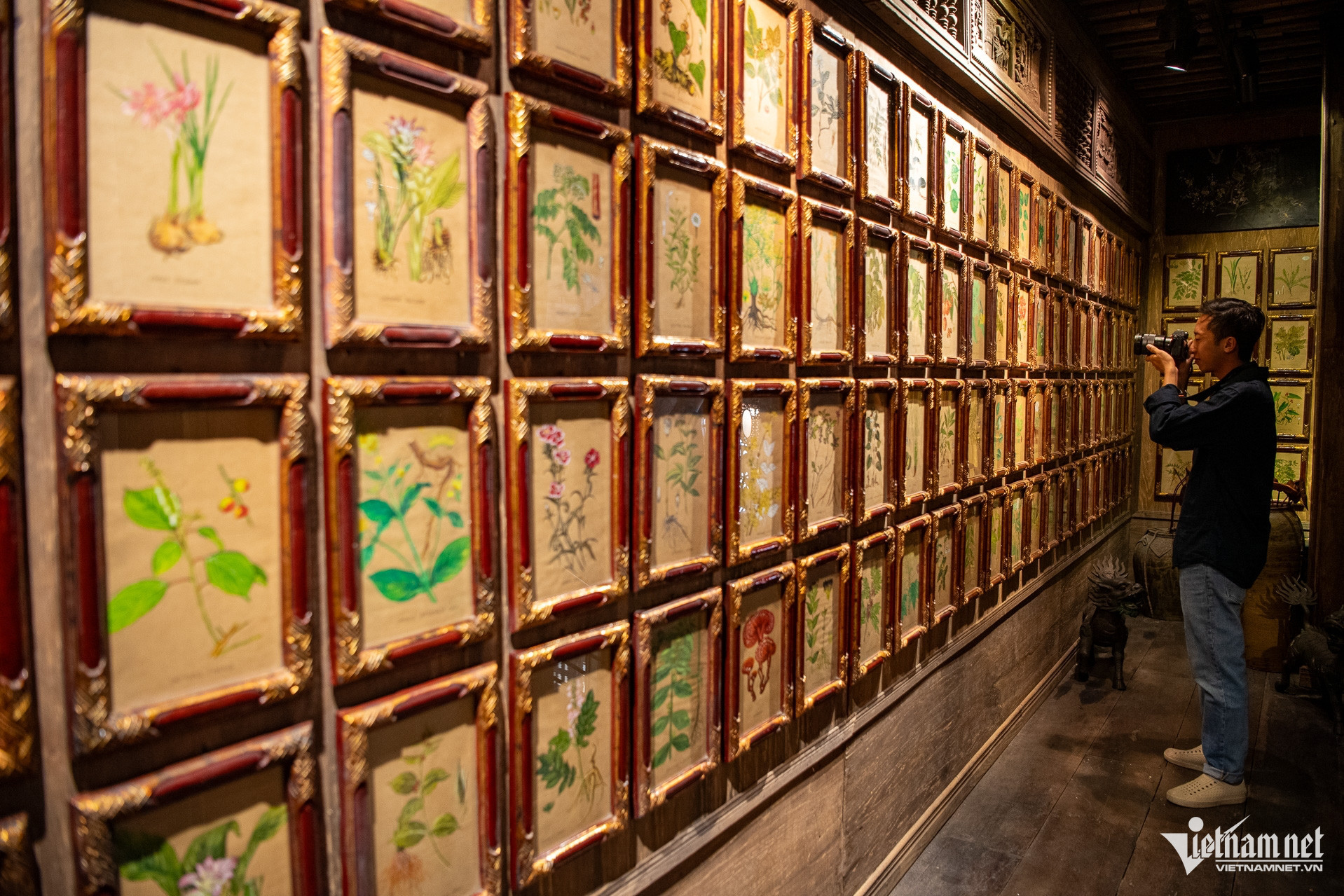
Tucked away on Hoang Du Khuong Street in Hoa Hung Ward, the museum preserves stories of Vietnam’s traditional healing practices in an atmospheric setting that has become particularly popular with Western visitors.
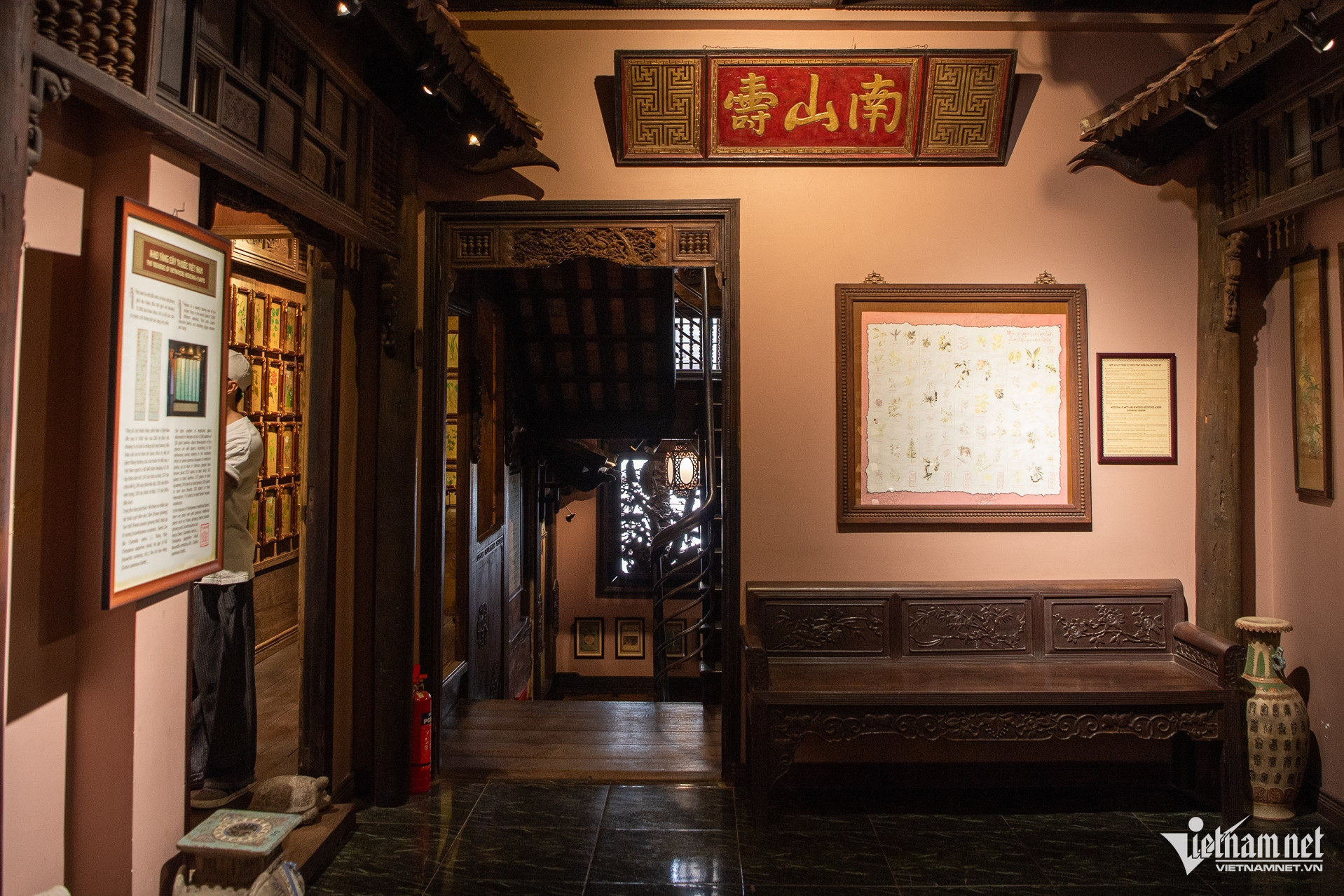
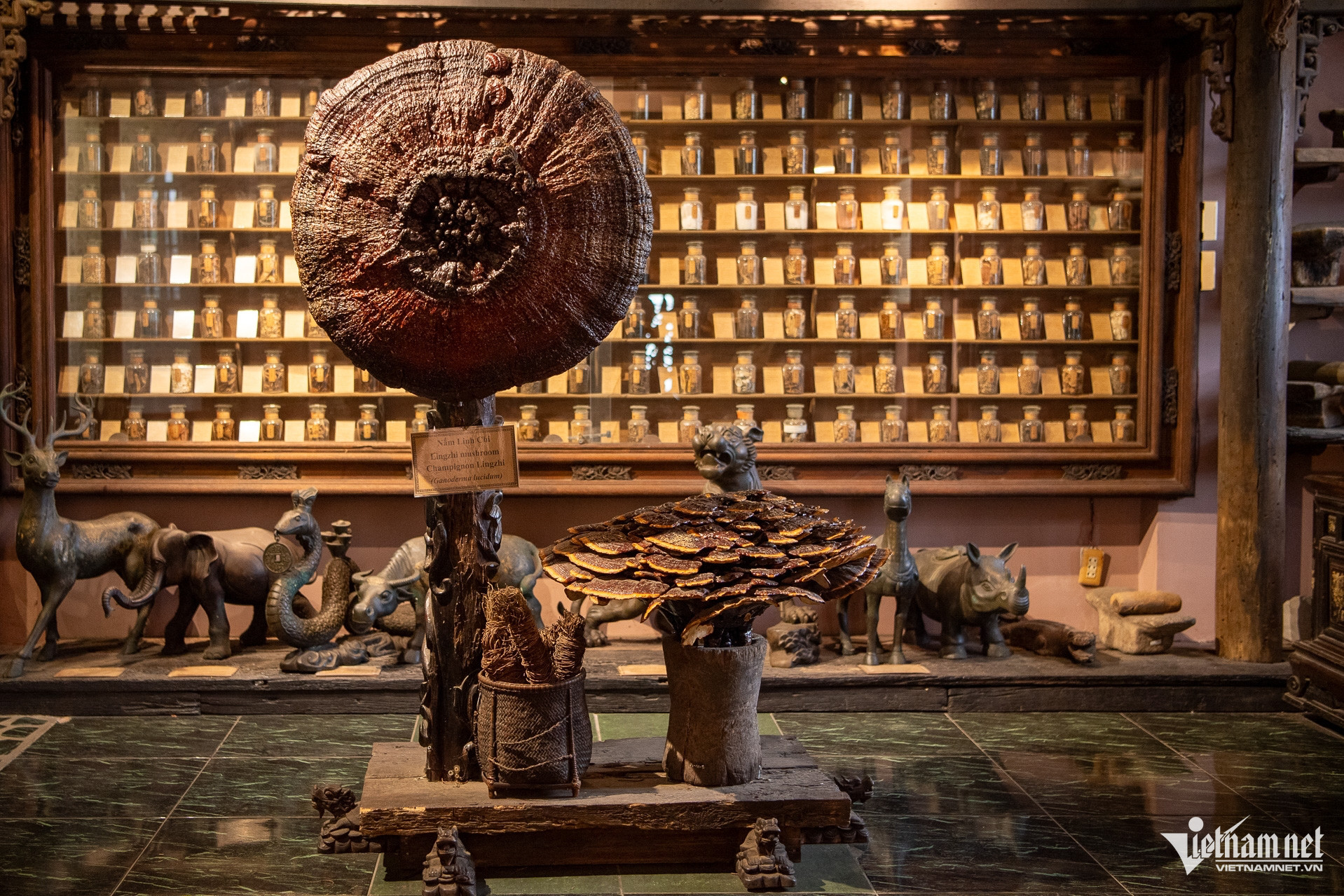
What immediately sets the museum apart is its extensive use of wood and traditional architectural details. Columns, beams, staircases and balustrades are complemented by elaborately carved interior motifs, giving the building an aged, almost timeless character despite its location in the middle of a modern metropolis.
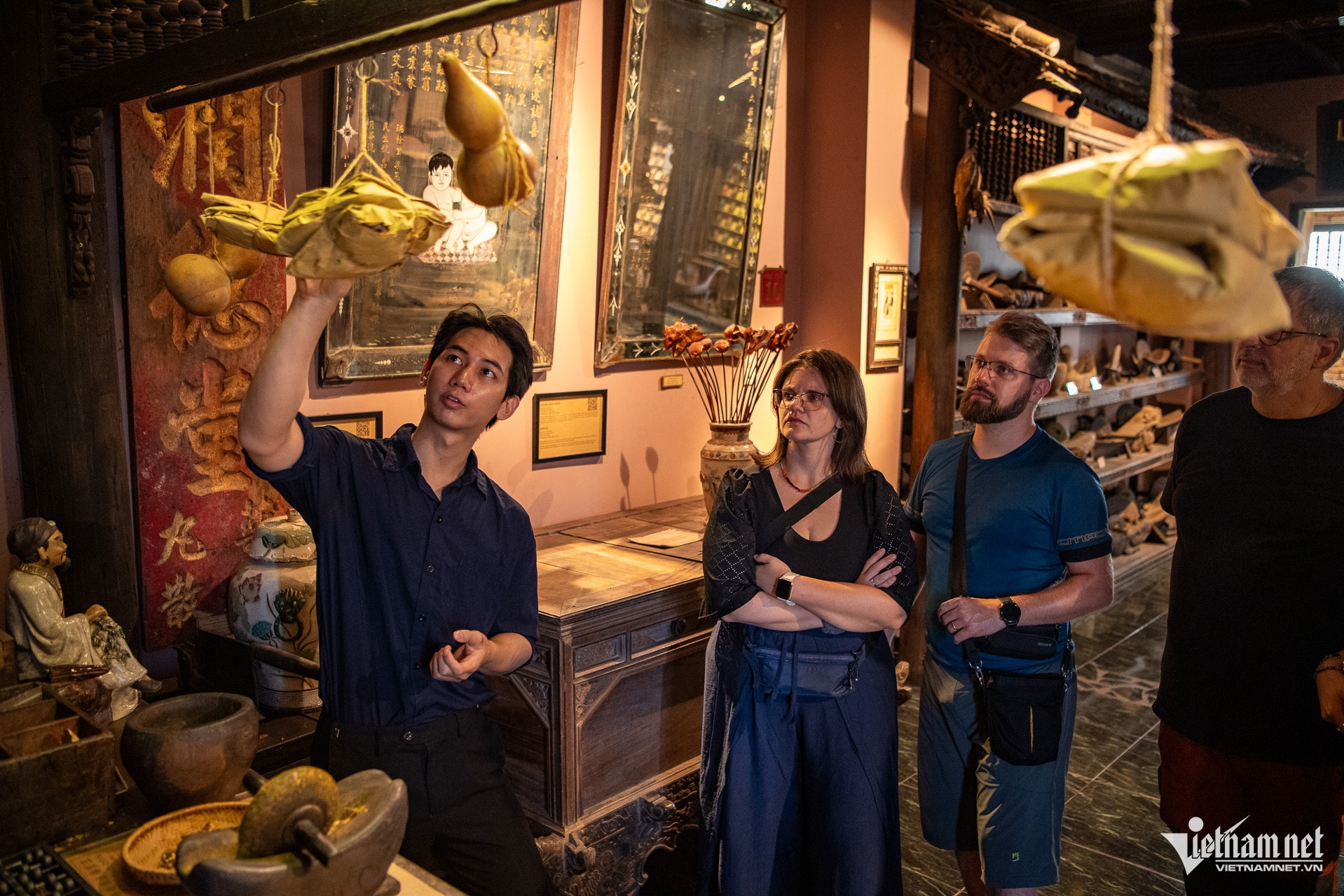
For many international travelers visiting Vietnam for the first time, the architecture itself comes as a surprise. Wooden interiors, openwork carvings and meticulously sculpted details make the building as much a part of the experience as the collection it contains.
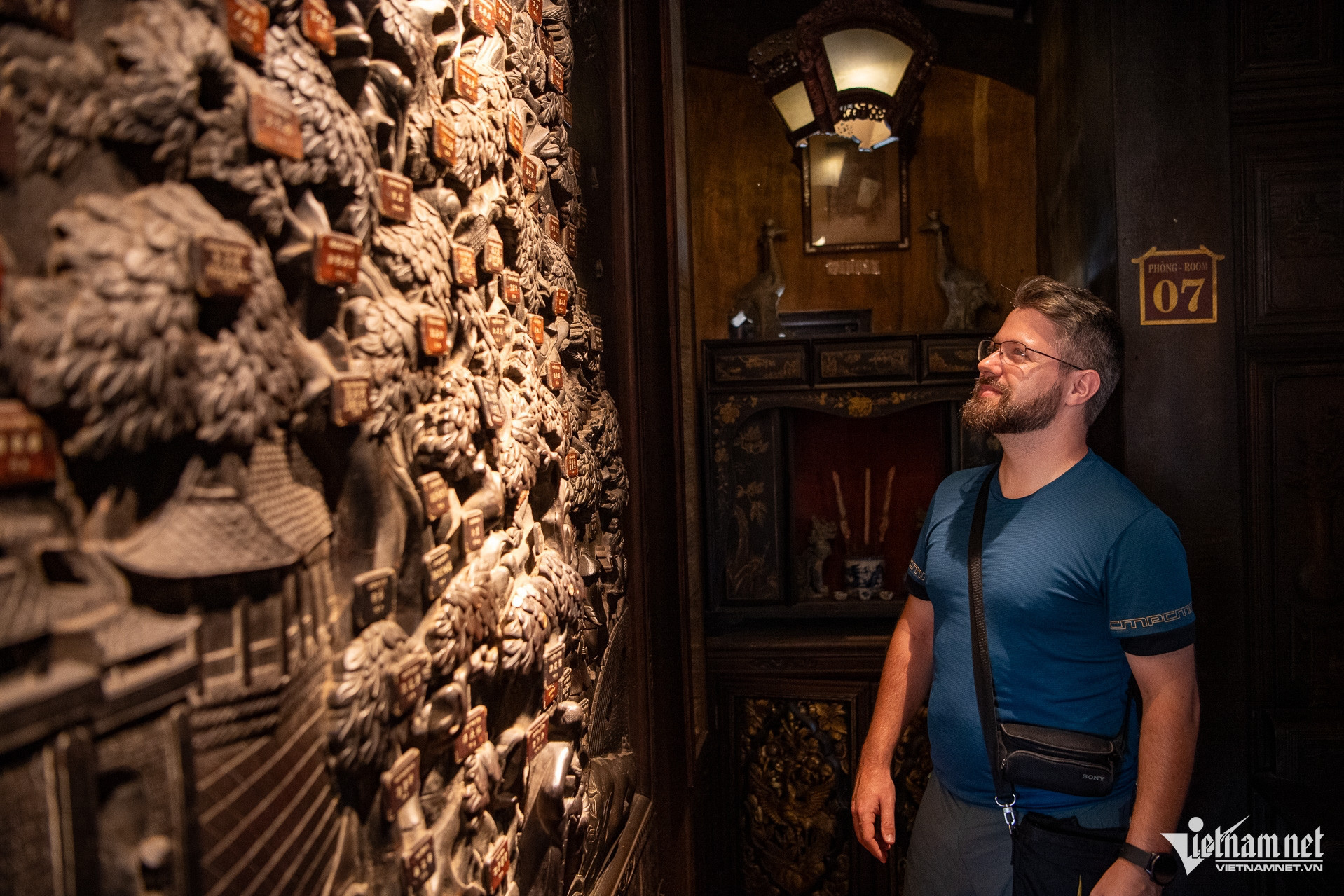
Fiorenzo, a visitor from Italy, said he was particularly impressed by the museum’s wooden architecture. He described the building as carefully constructed, with numerous intricate details that reflected the effort invested in preserving traditional values. He was also fascinated by the way different cultural and architectural influences intersect in buildings across Vietnam.
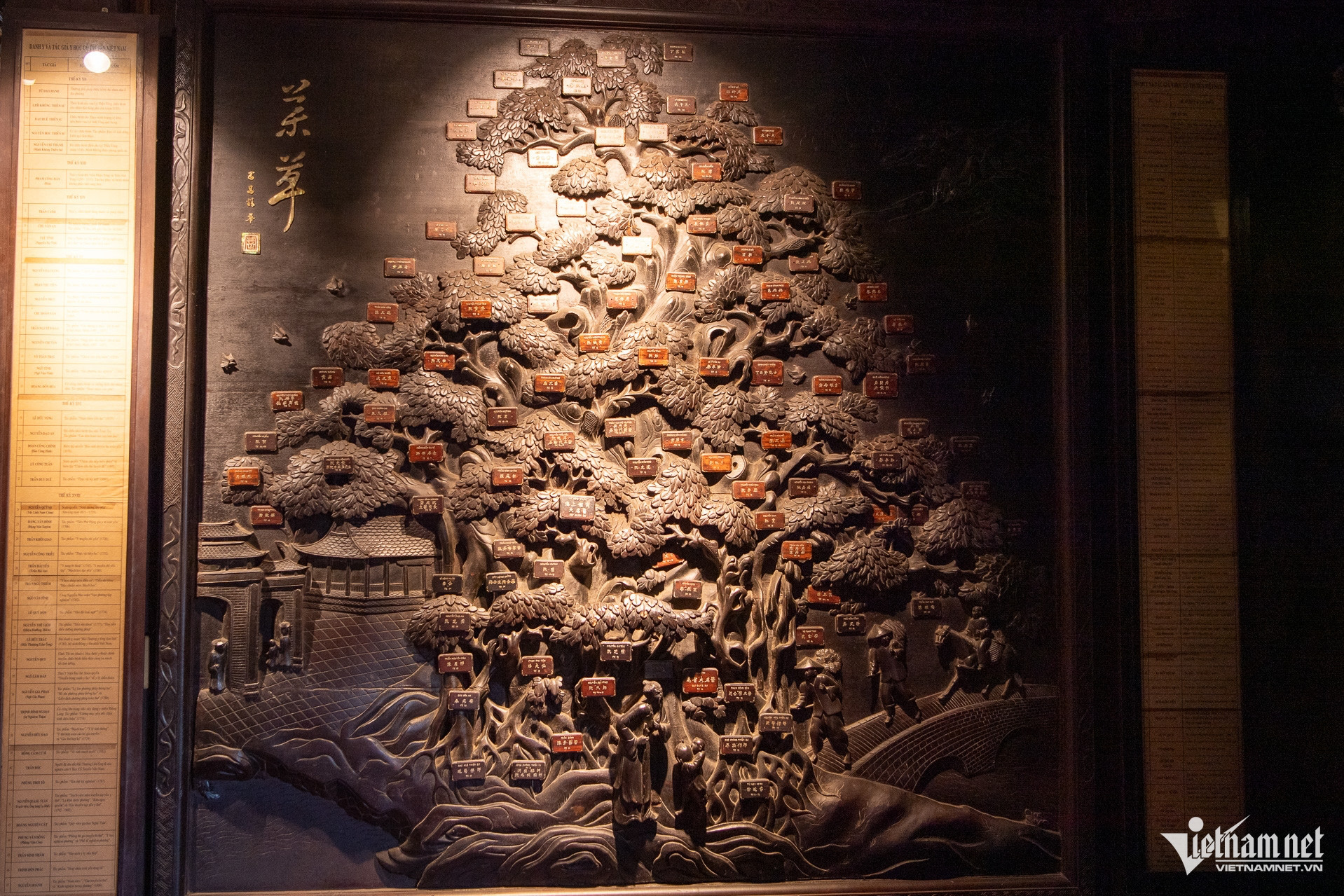
Among the museum’s most striking pieces is a carved wooden panel weighing around 500 kilograms. Made from ironwood, the work depicts 100 renowned physicians and authors who made notable contributions to traditional Vietnamese medicine between the 12th and 20th centuries.
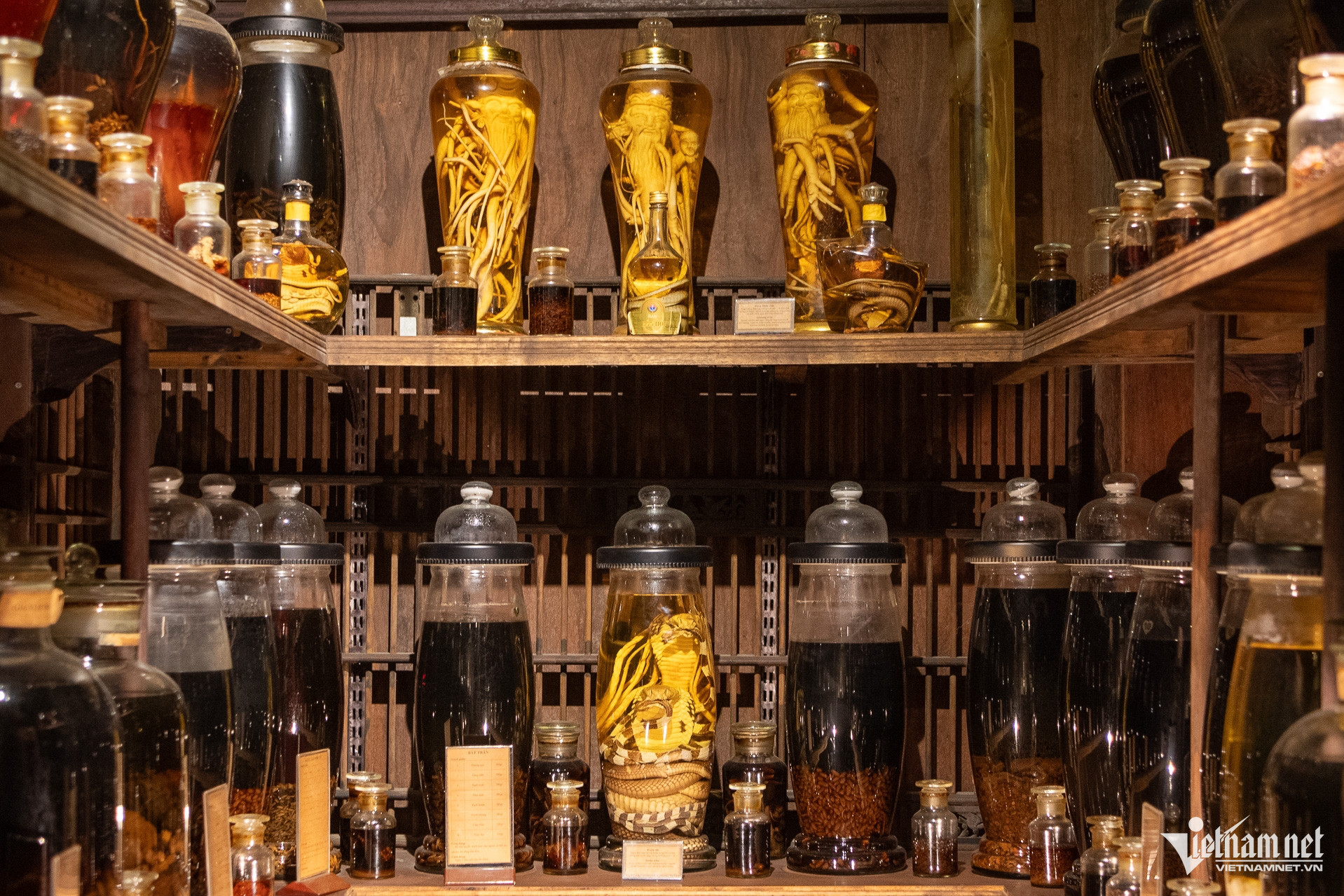
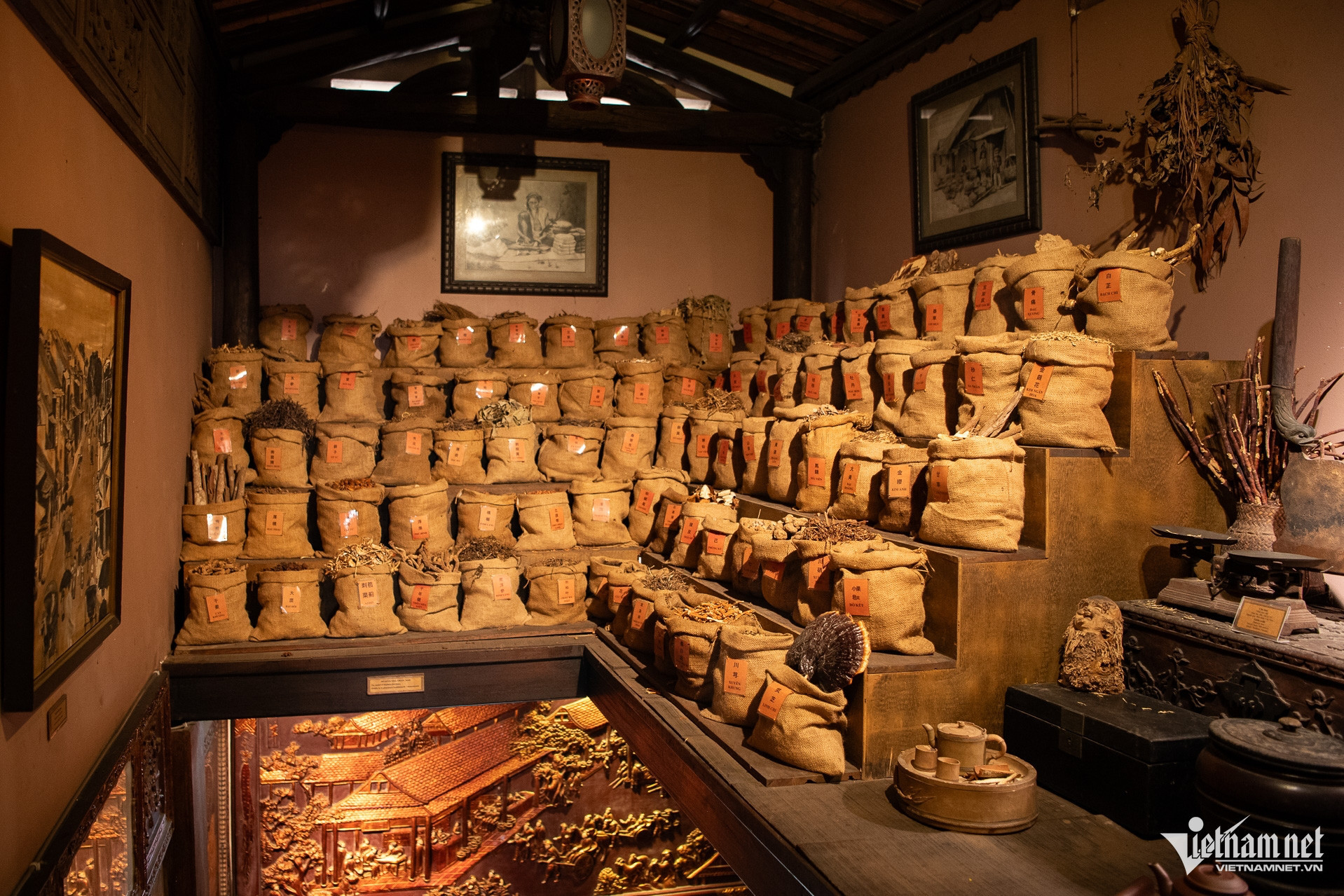
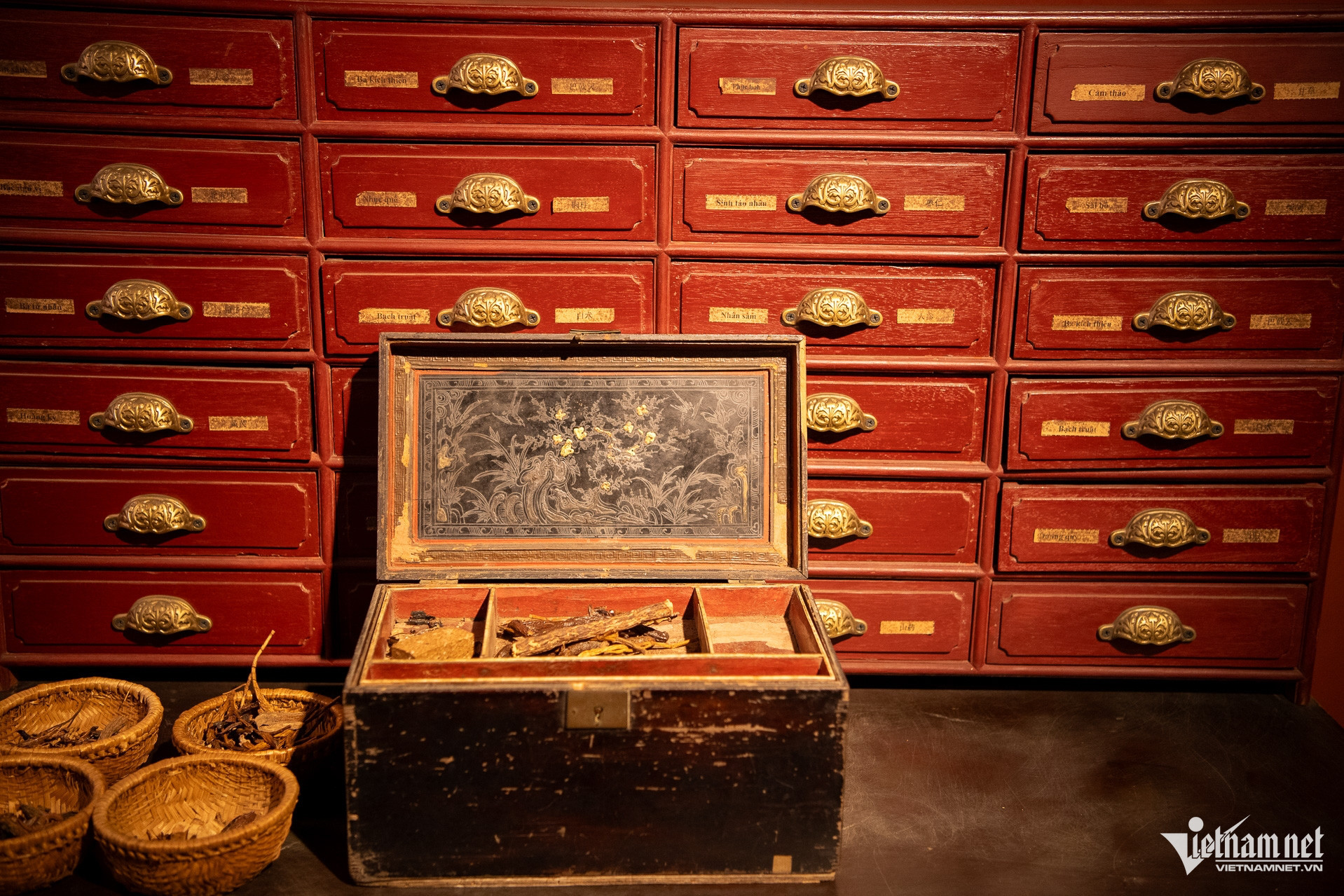
The museum’s collection includes more than 3,000 artifacts, some of which have been identified as dating back thousands of years. Across its galleries, exhibits recreate different periods in the history of traditional medicine, introduce influential physicians and explore characteristic methods of treatment practiced in Vietnam.
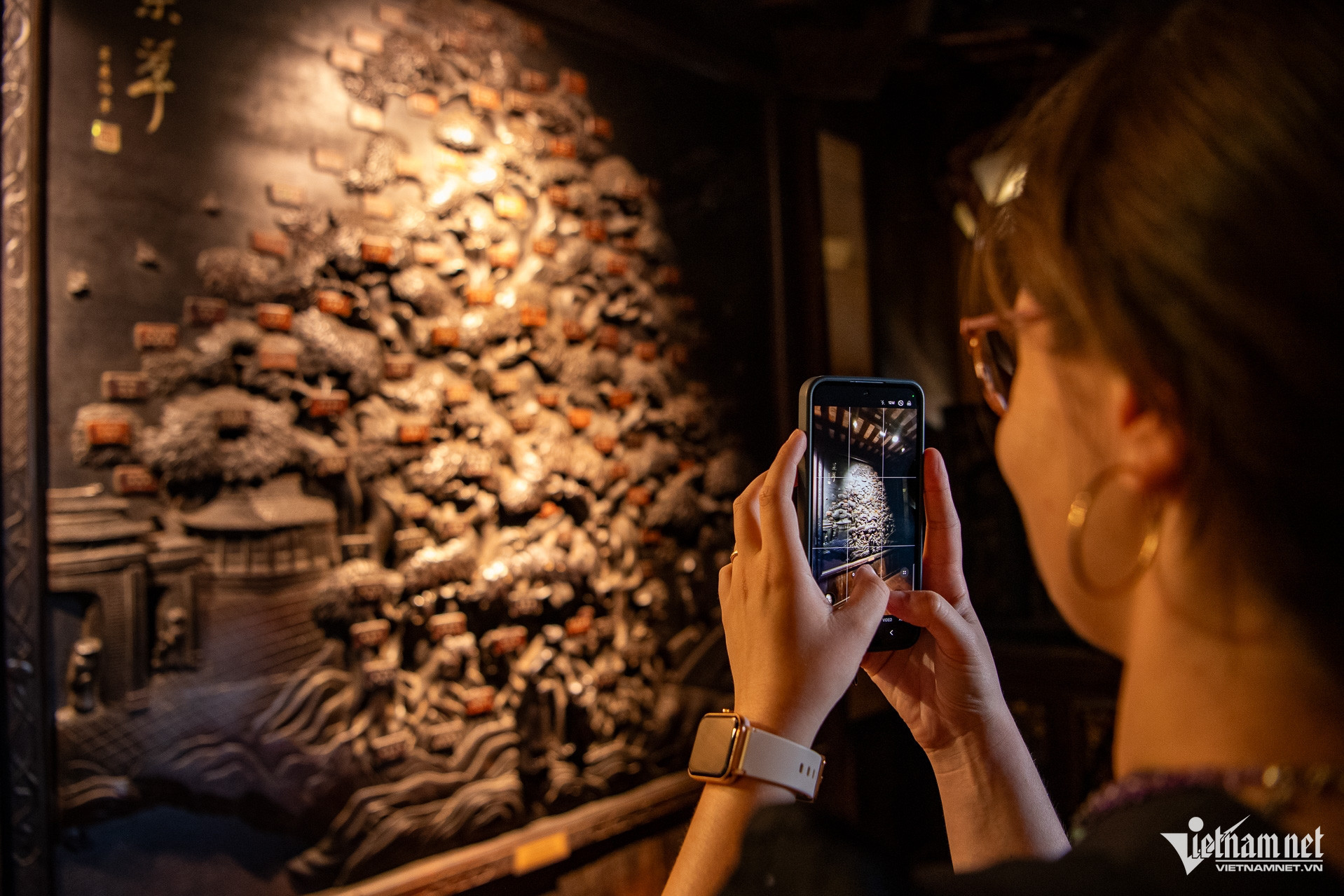
Serena, another visitor from Italy on her first trip to Vietnam, said the museum offered her an opportunity to discover a medical tradition very different from that of the West. She was particularly drawn to the almost entirely wooden interior, the detailed carvings and a style of display deeply influenced by East Asian culture.
“The museum not only helped me understand more about traditional medicine, but also showed the cultural and medical connections between Vietnam and other Eastern countries,” Serena said. “I took lots of photographs and videos to preserve these special experiences from my first visit to Asia.”
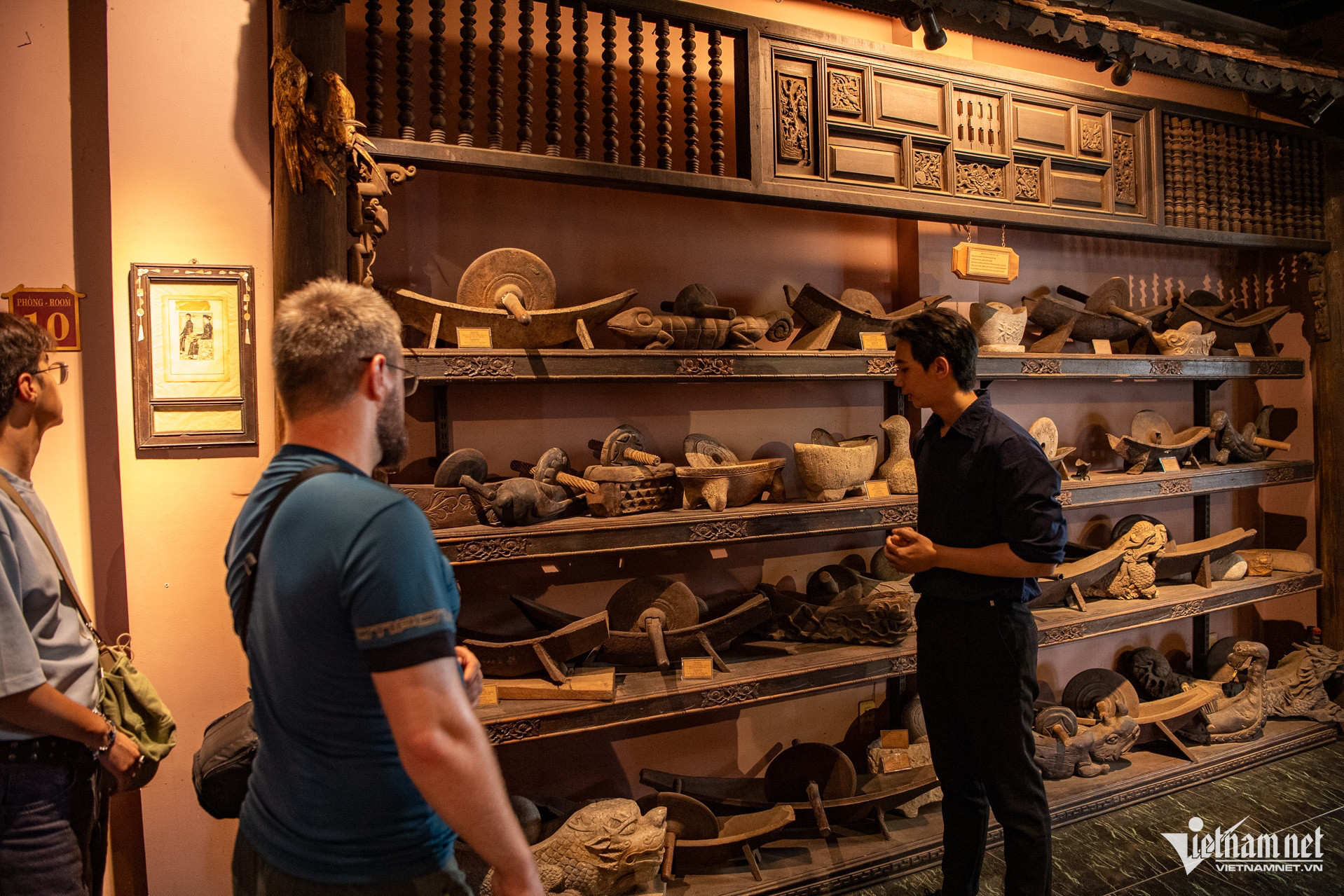
According to museum guide Vu Phi Tung, the museum receives around 30 visitors each day, with Western travelers accounting for approximately 80%. Vietnamese visitors make up the remaining 20% and are primarily medical and pharmacy students, older people and those with an interest in traditional medicine.
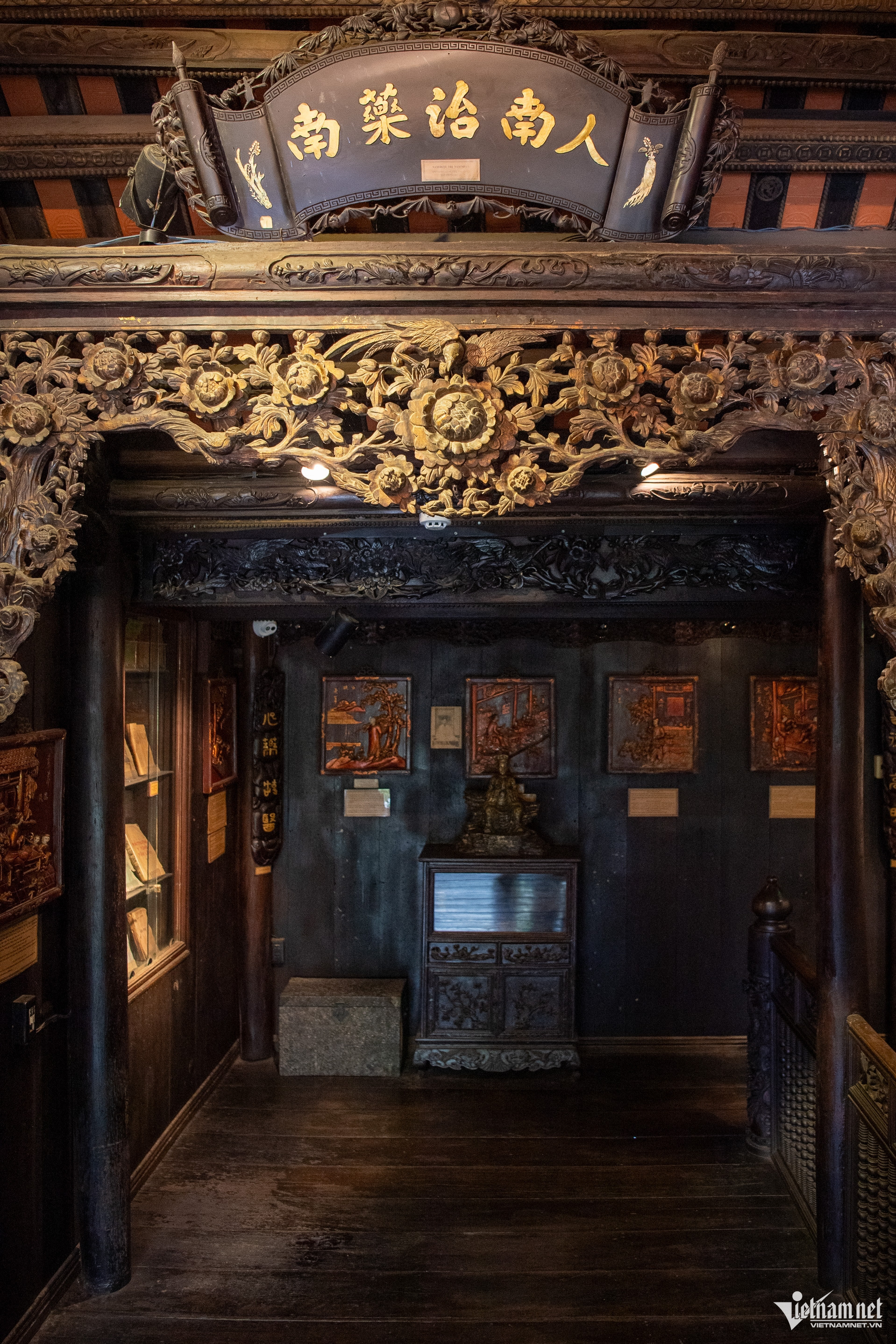
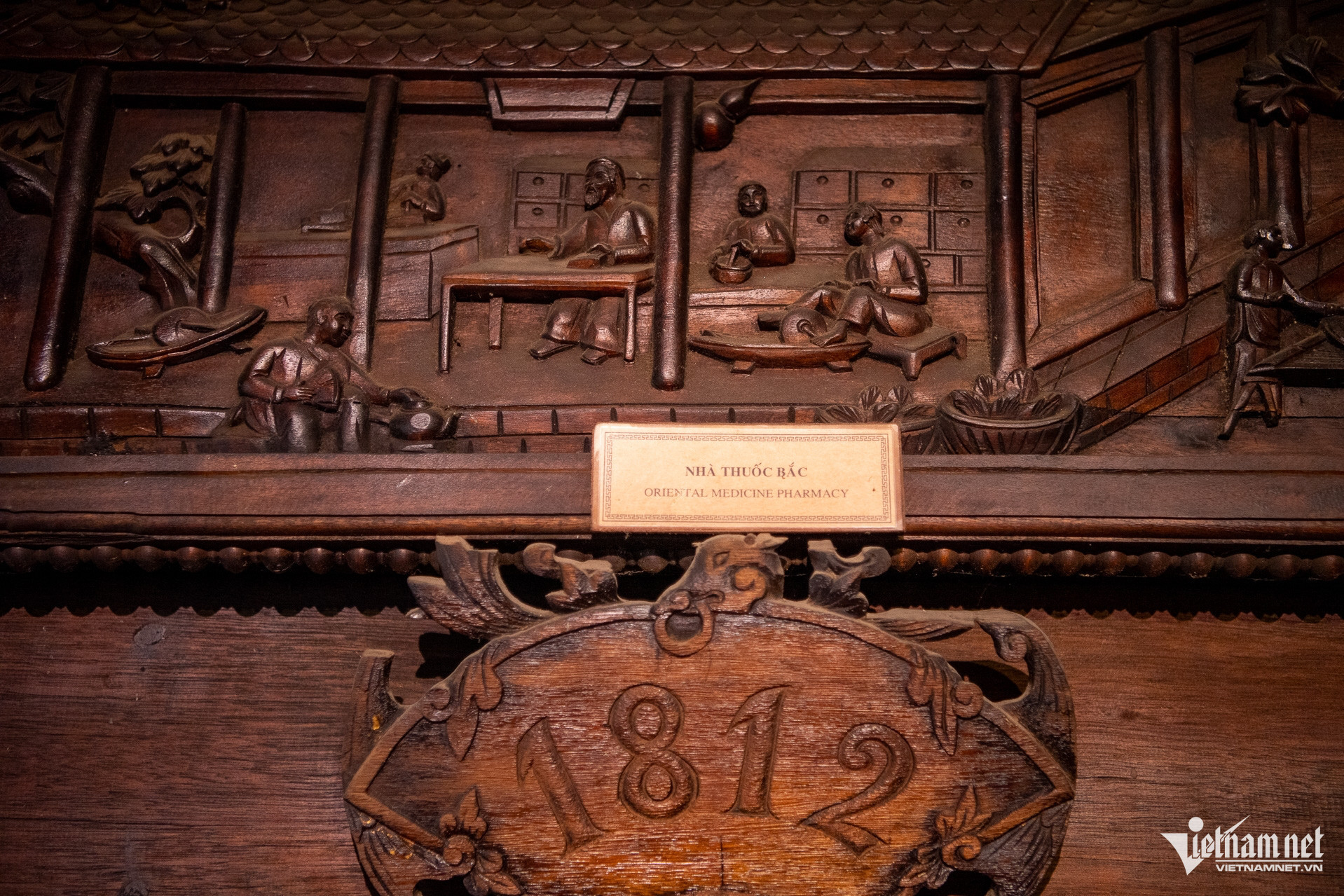
Perhaps the museum’s most unexpected feature is an entire traditional house more than 200 years old. The house once belonged to the family of a traditional medicine practitioner whose family had practiced medicine for four generations in Kieu Ky Commune, formerly part of Gia Lam District in Hanoi. It was donated to the museum by Vu Huu An. Transporting an entire historic house from Hanoi to Ho Chi Minh City required a painstaking process. Each wooden component was carefully numbered before the structure was dismantled. The pieces were then transported south and reassembled inside the museum, preserving the house’s original structure and appearance as closely as possible.
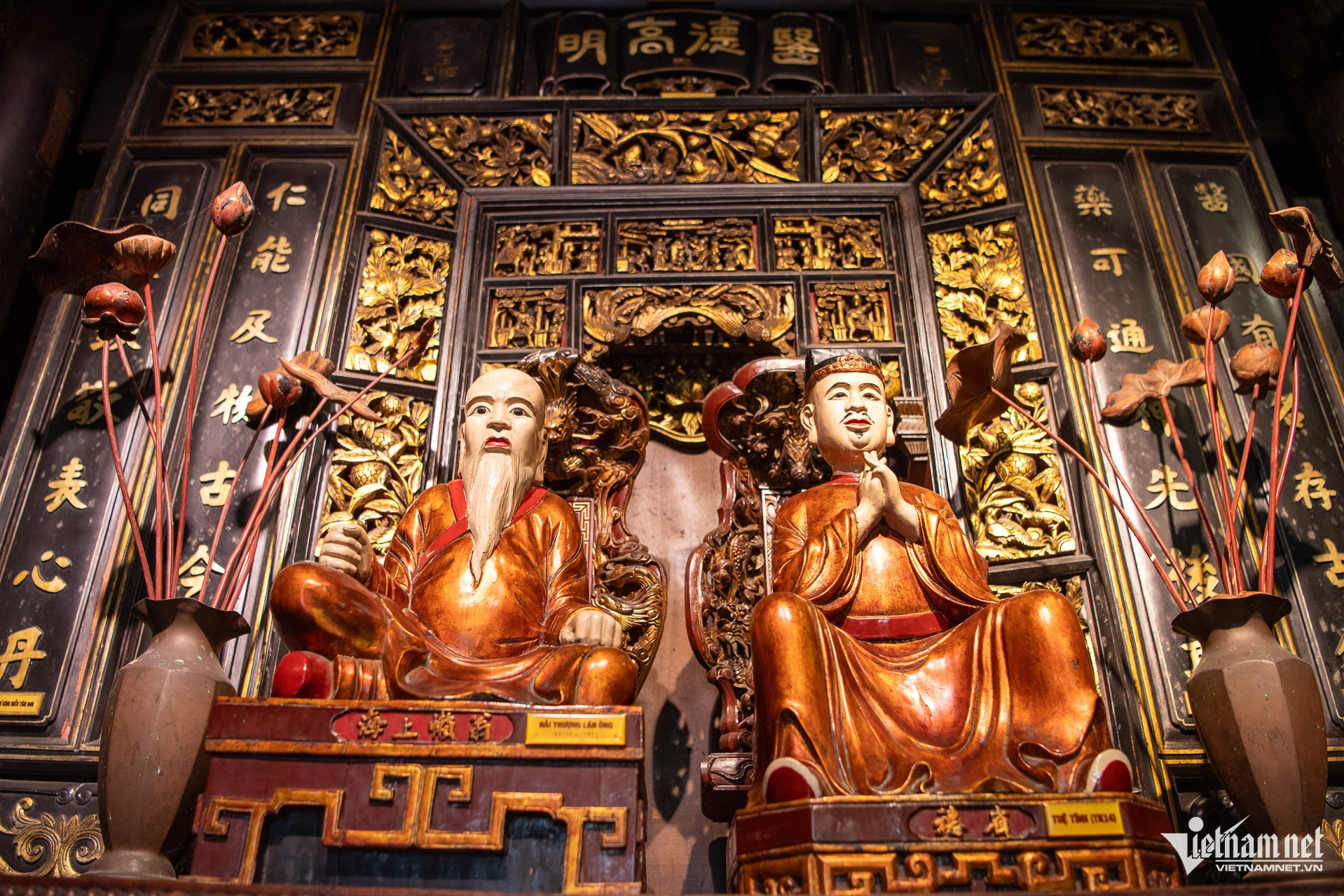
Also prominent within the exhibition space are statues of Tue Tinh and Hai Thuong Lan Ong, two physicians who left a profound mark on the history of traditional Vietnamese medicine. Both played important roles in laying the foundations for and advancing the country’s traditional medical practices.
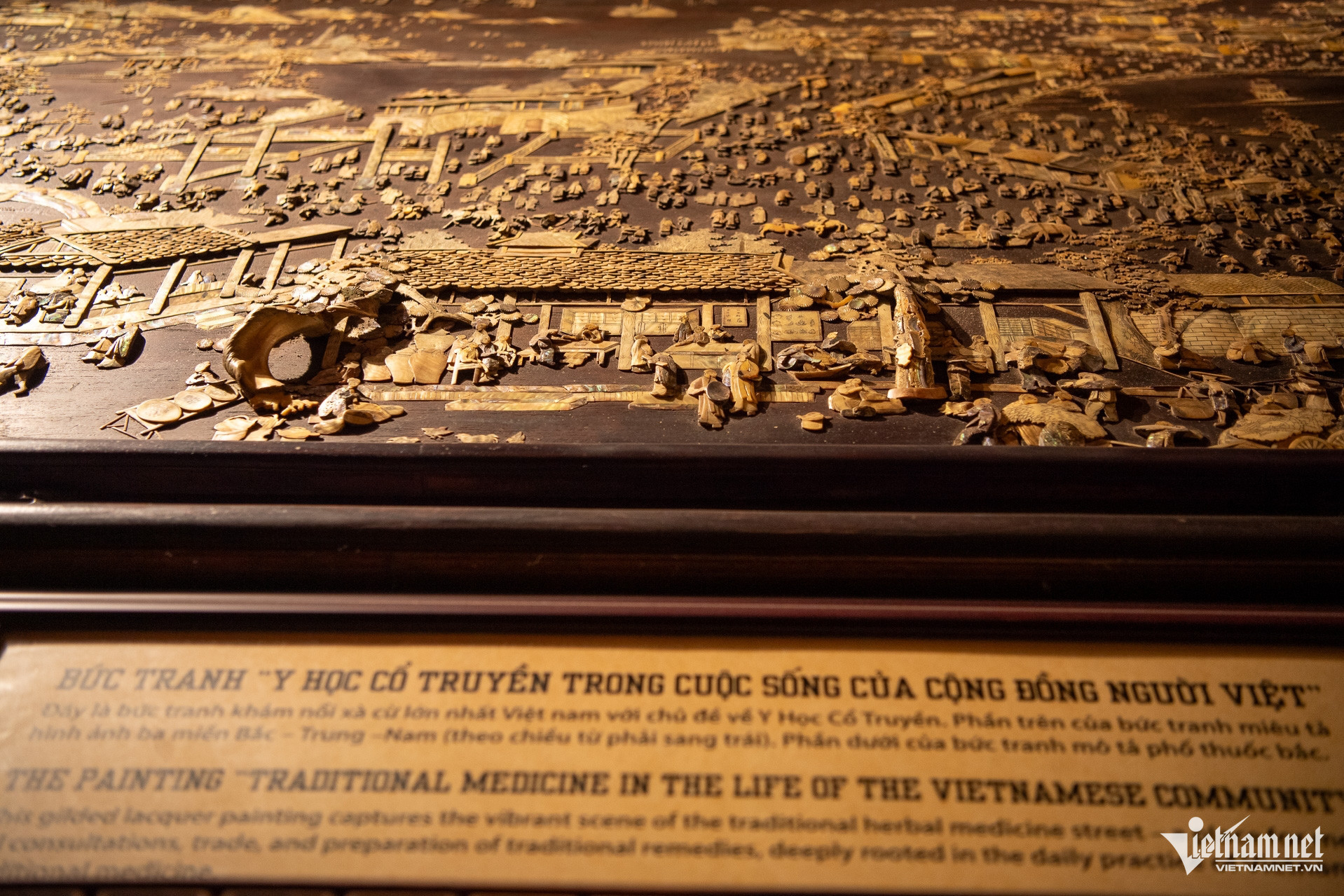
By the time visitors leave, the museum offers more than photographs of an unusual wooden interior. Through its architecture, centuries-old artifacts, historic house and stories of generations of healers, it provides a deeper look at a medical tradition whose knowledge and cultural values have been preserved and passed down through generations in Vietnam.
Tuan Hung
.svg)
