 Vietnamnet.vn

 Podcast



Tao Dat
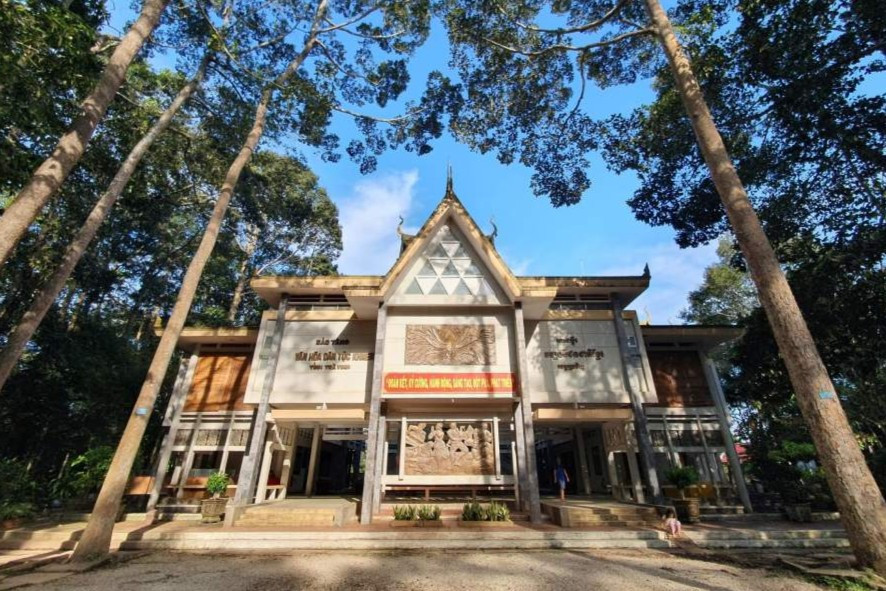
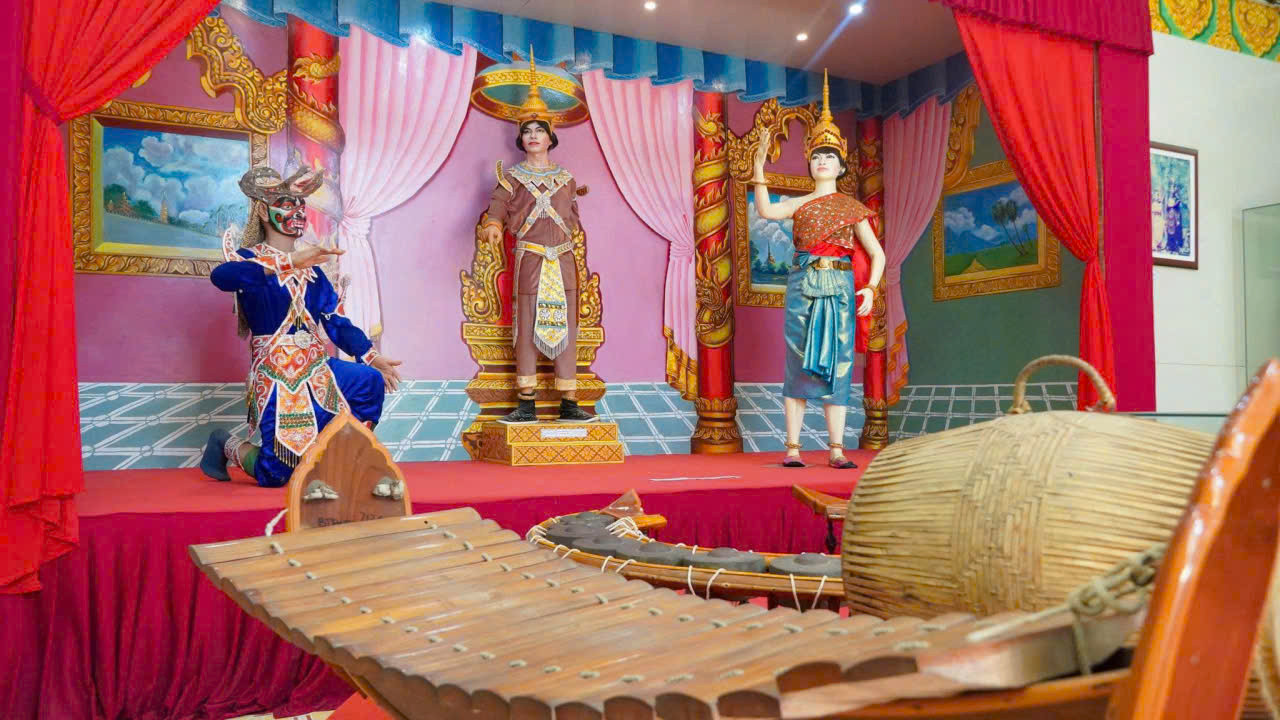
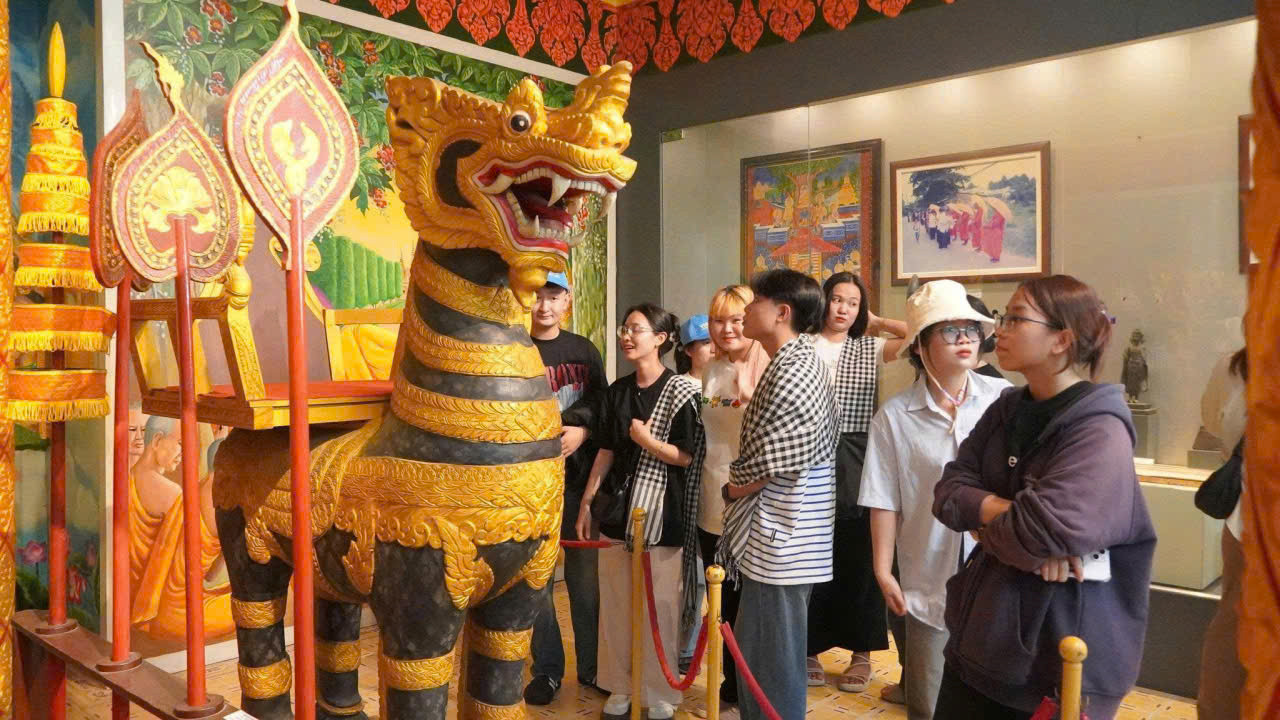
The museum currently preserves and displays more than 800 artifacts, photographs and documents reflecting both the material and spiritual life of the Khmer people, from longstanding traditions to contemporary culture. The main exhibition area occupies the upper floor of the two-story building, where exhibits are arranged systematically by theme to help visitors follow different aspects of Khmer history and daily life.
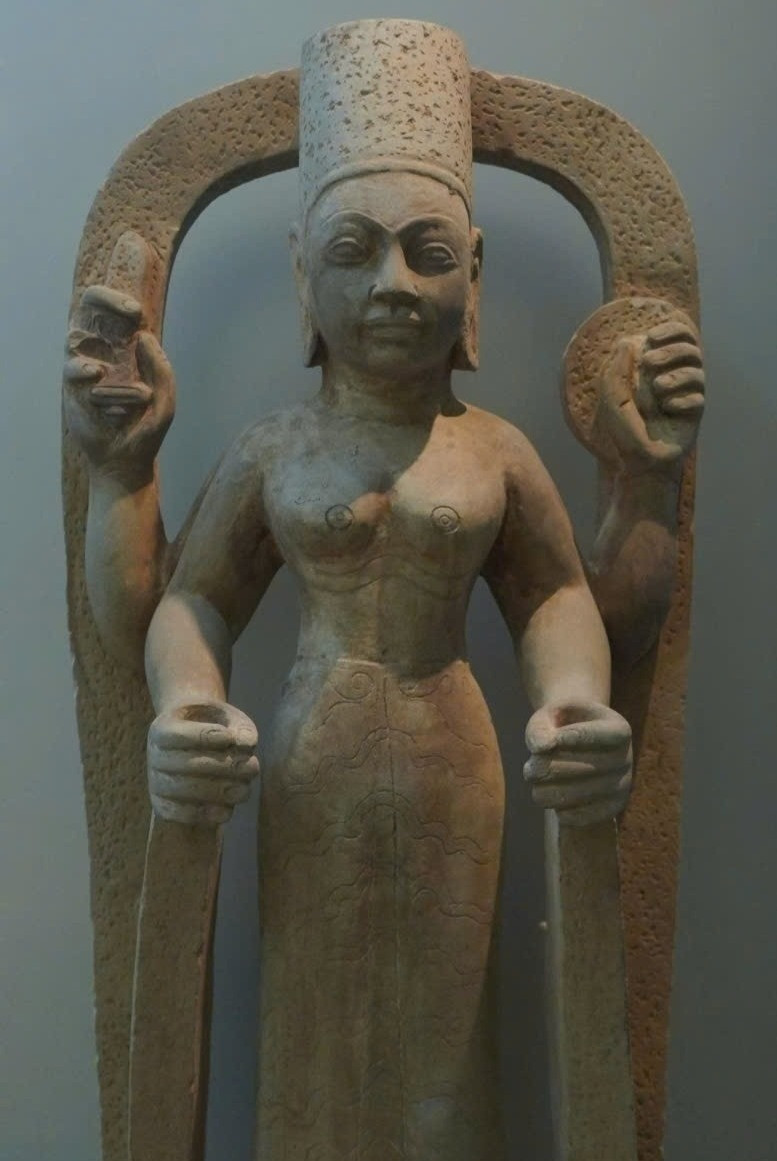
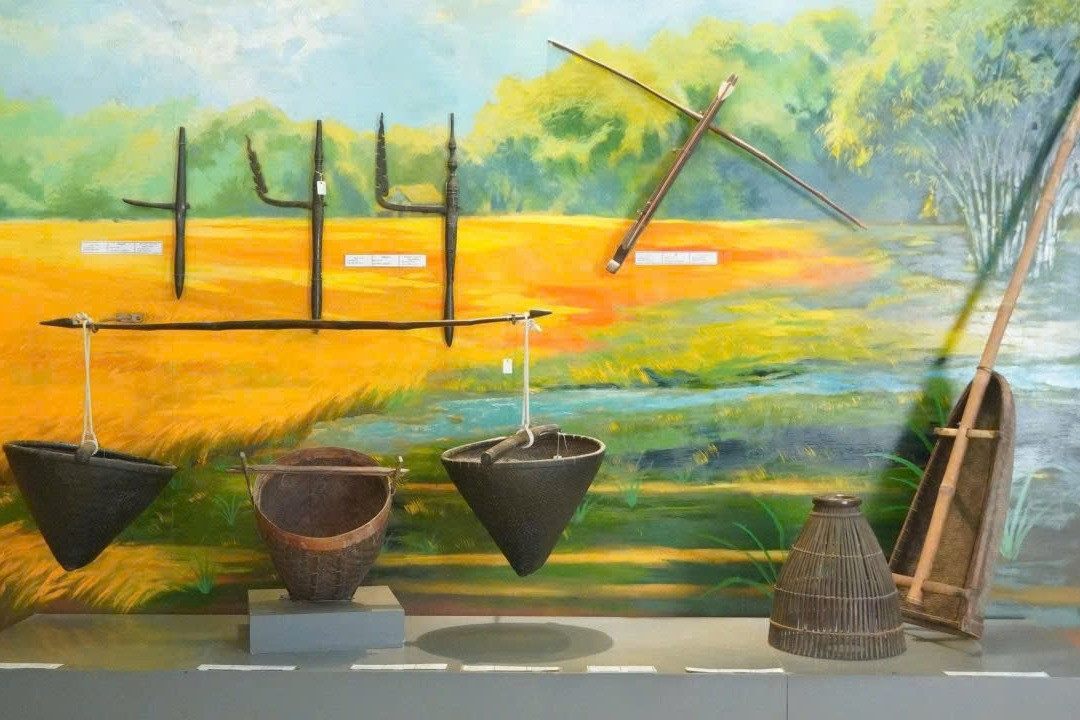
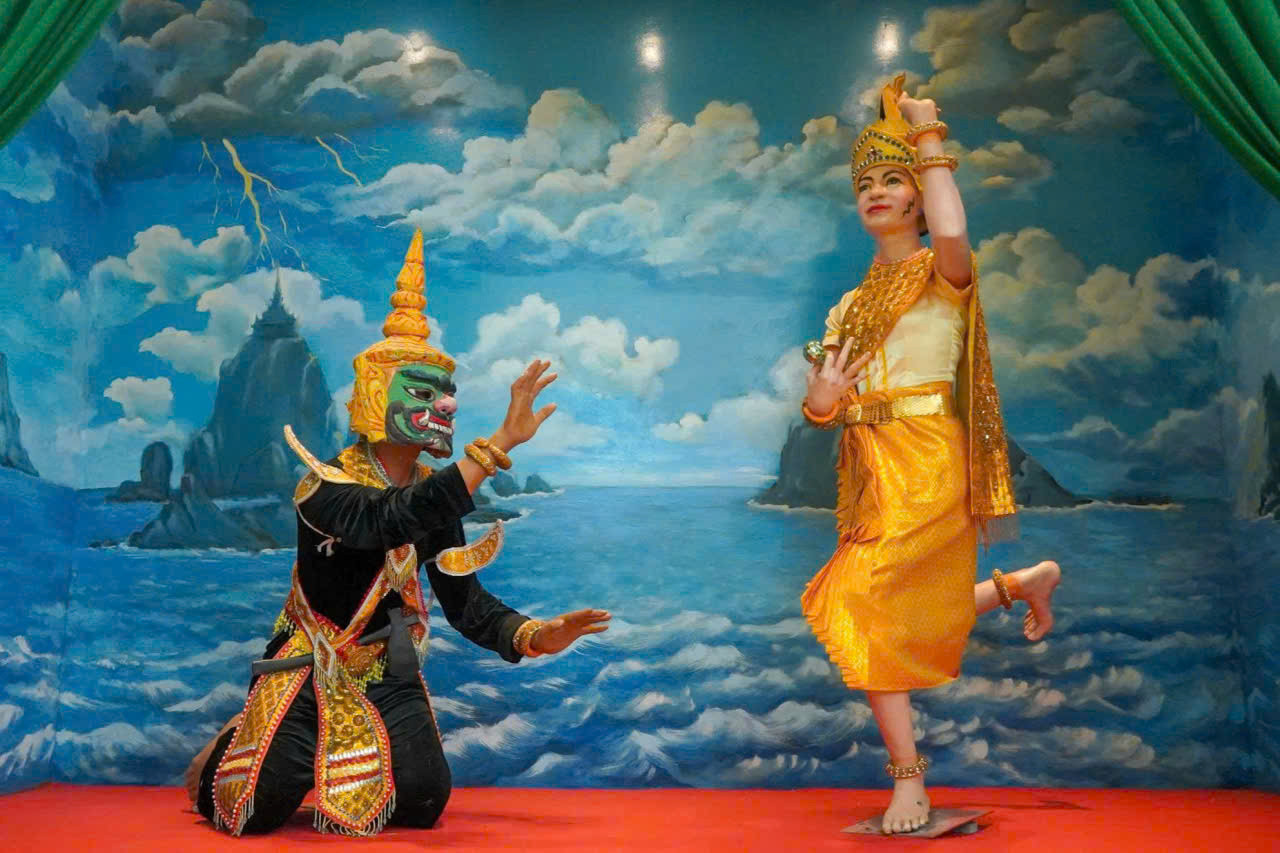
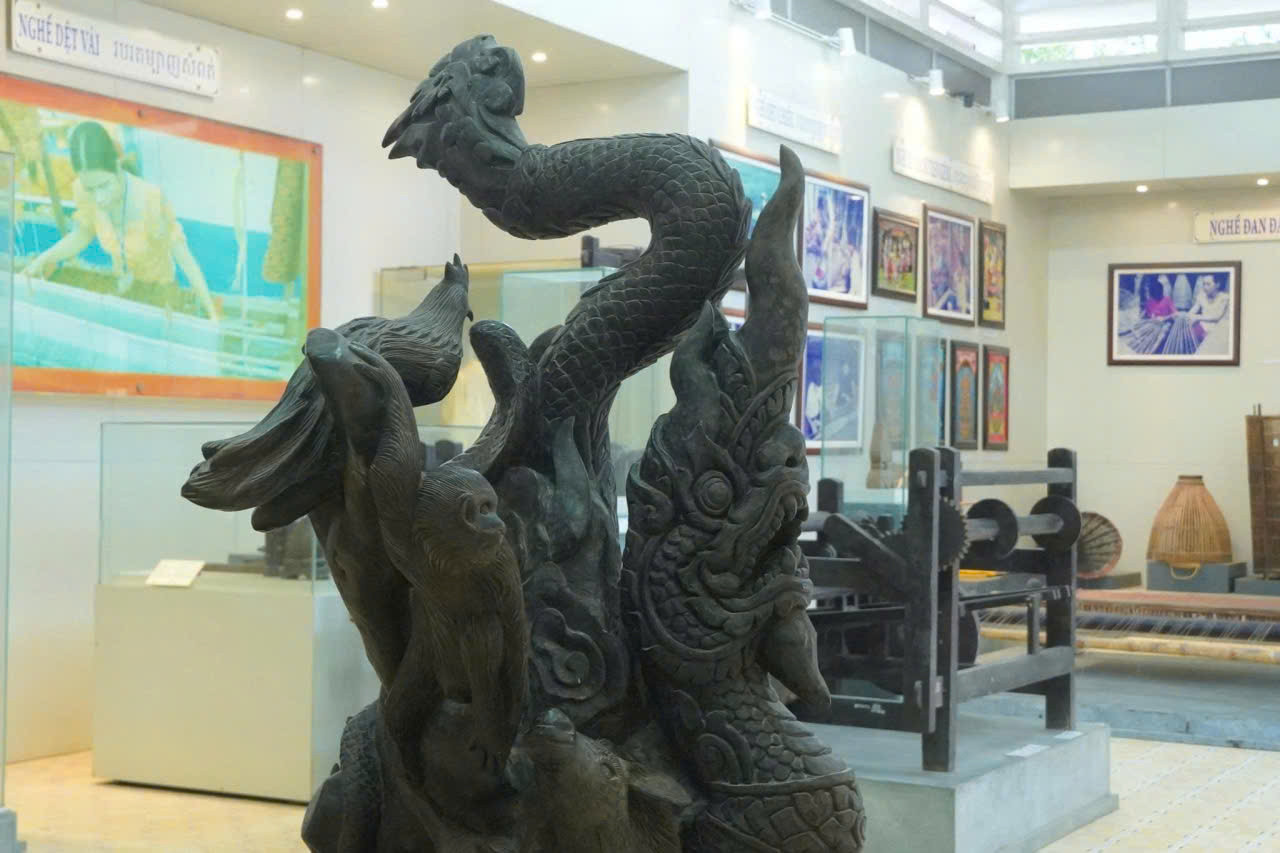
The museum is divided into several themed galleries. Together, they provide a broad picture of Khmer culture, ranging from spiritual practices associated with Khmer Theravada Buddhism to everyday life, agricultural work and traditional crafts. Other sections explore folk and contemporary performing arts, as well as the Khmer community’s participation in revolutionary movements during Vietnam’s two resistance wars between 1930 and 1975.
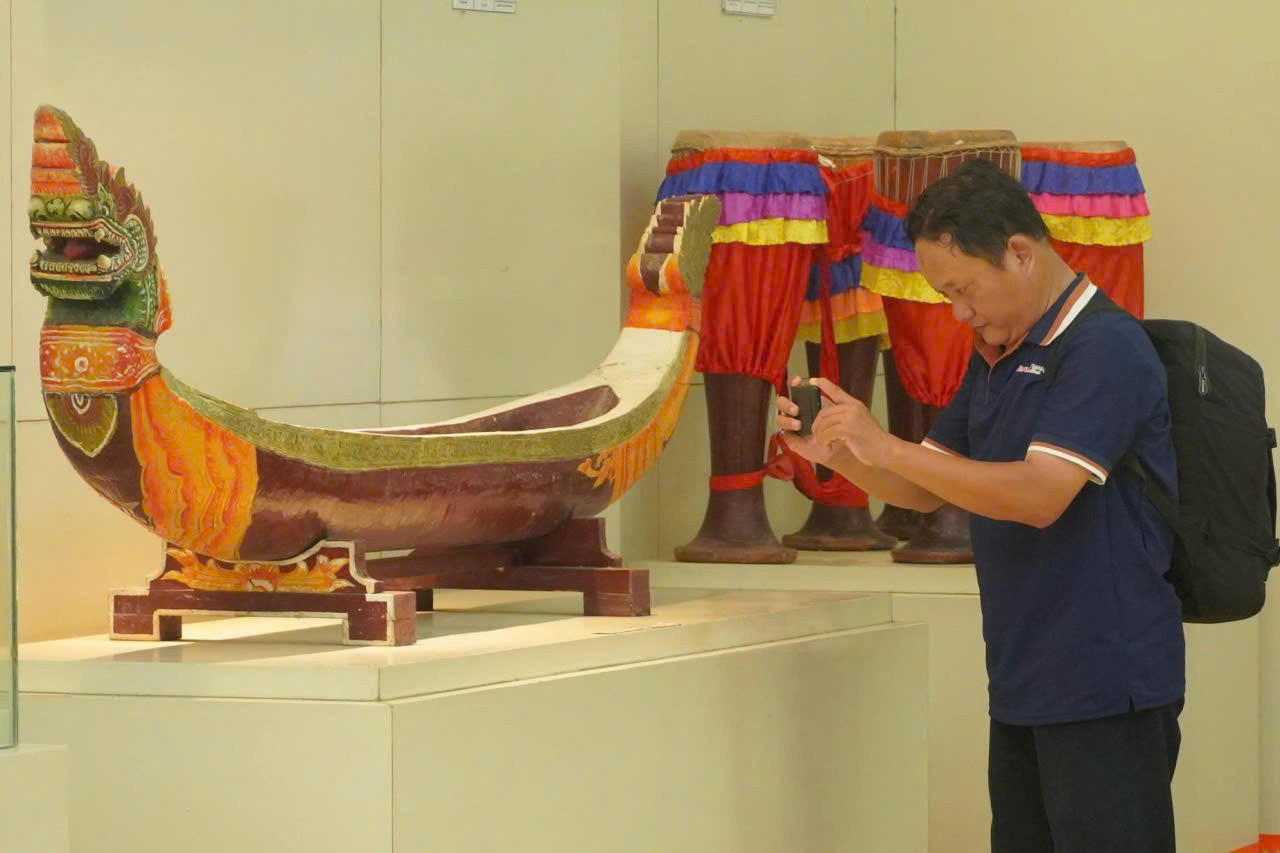
Among the exhibits are miniature wooden boats that evoke the waterways that have shaped generations of Khmer life in the Mekong Delta. Pham Do Minh Trung, a visitor from Cai Khe Ward in Can Tho City, said the miniature wooden boats on display revealed the meticulous craftsmanship and skill of their makers. For him, the models vividly recall the river-based way of life that has long been closely intertwined with the Khmer community.
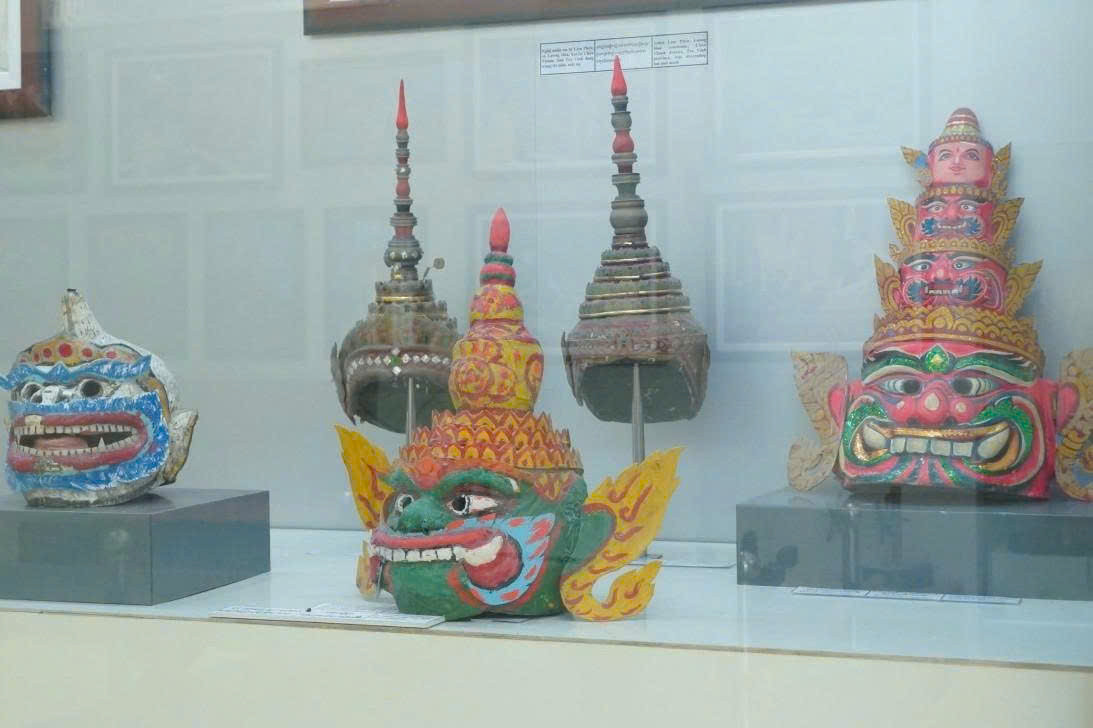
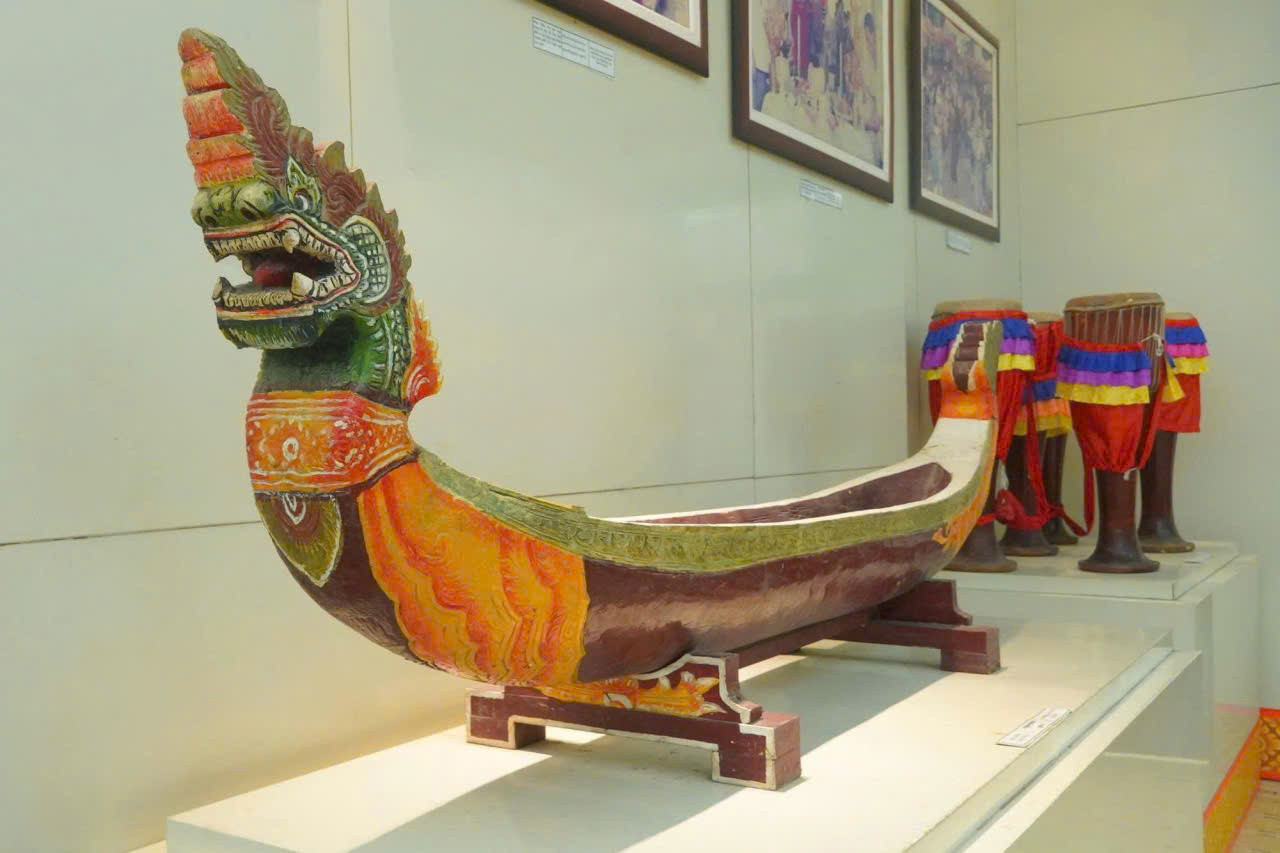
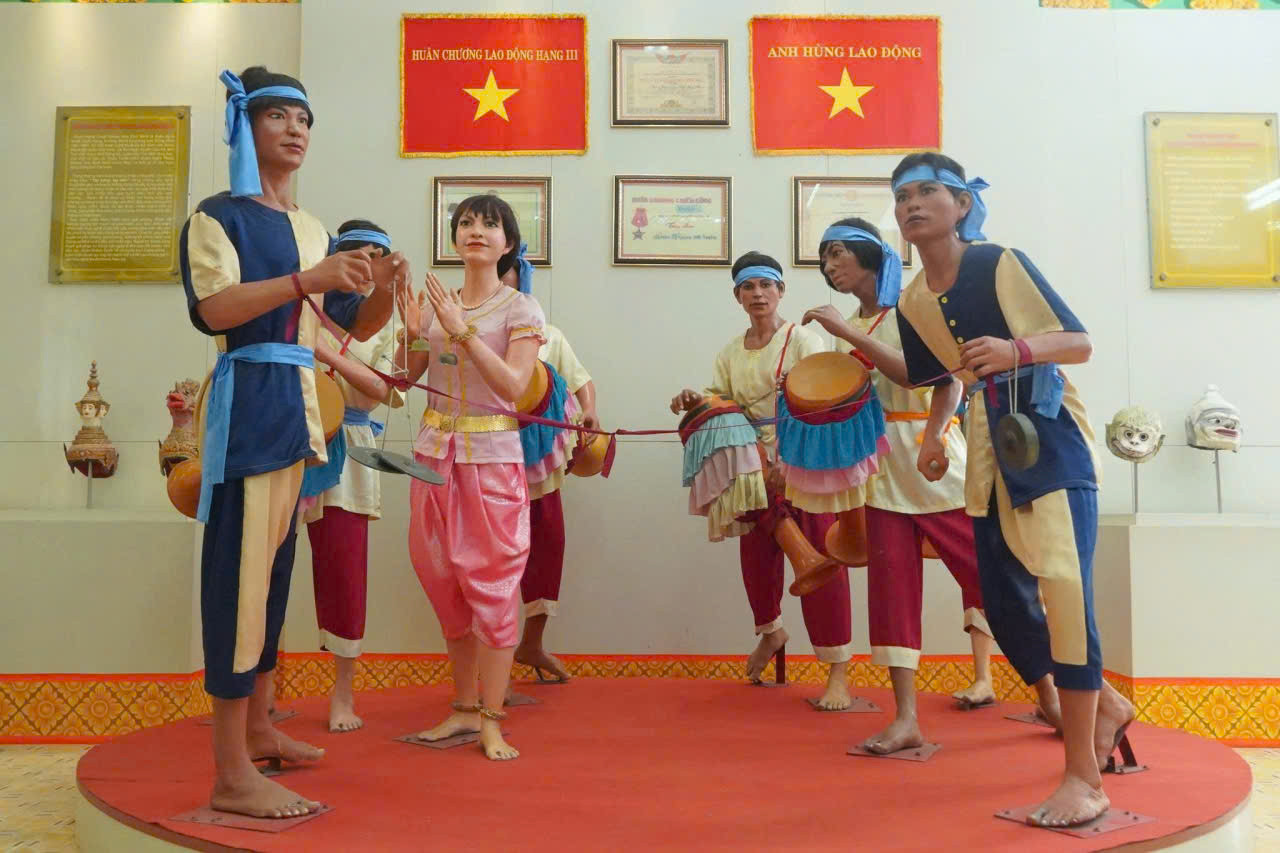
Another exhibition space is devoted to Khmer culture and the arts, introducing visitors to traditional performance forms including Ro-bam dance, Du-ke theater and pinpeat music. Musical instruments, costumes and theatrical masks are presented throughout the gallery, providing a visual introduction to these distinctive art forms and attracting considerable interest from visitors.
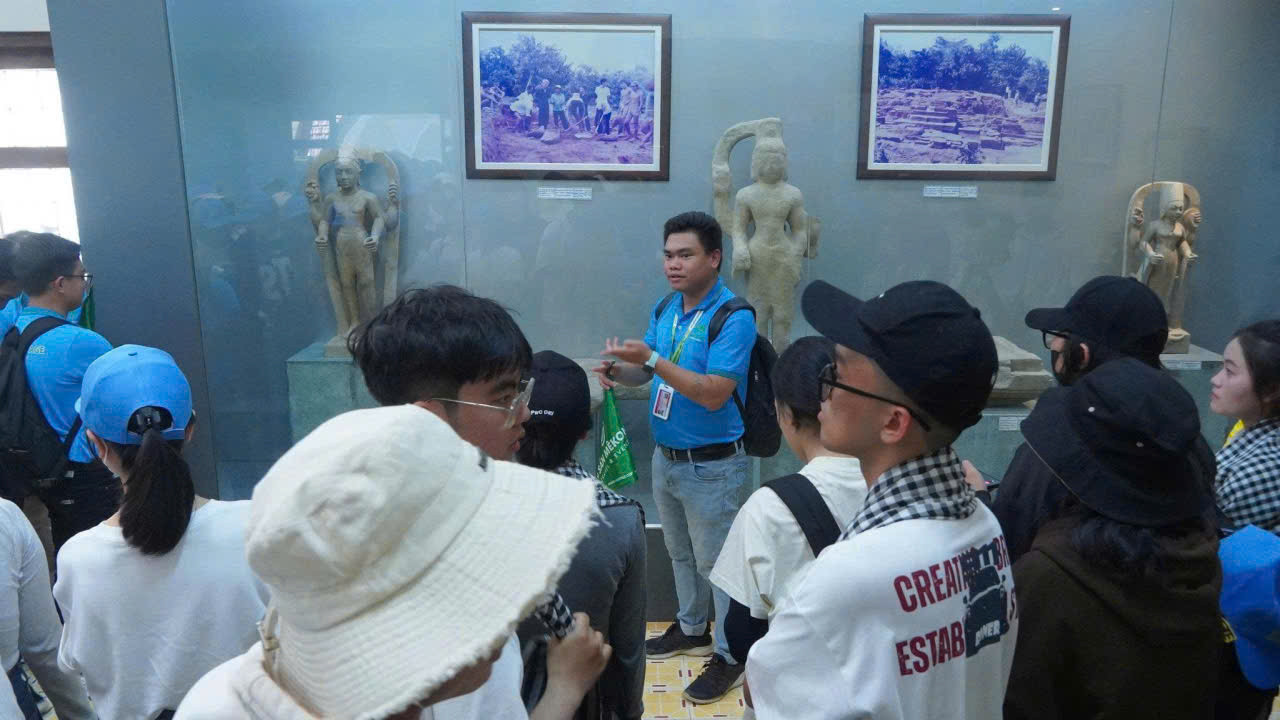
While the museum’s exhibition space is relatively modest, its thematic arrangement gives visitors a broad view of Khmer cultural life, bringing together religion, livelihoods, craftsmanship, performing arts and history within a single cultural space.
.svg)
