 Vietnamnet.vn

 Podcast



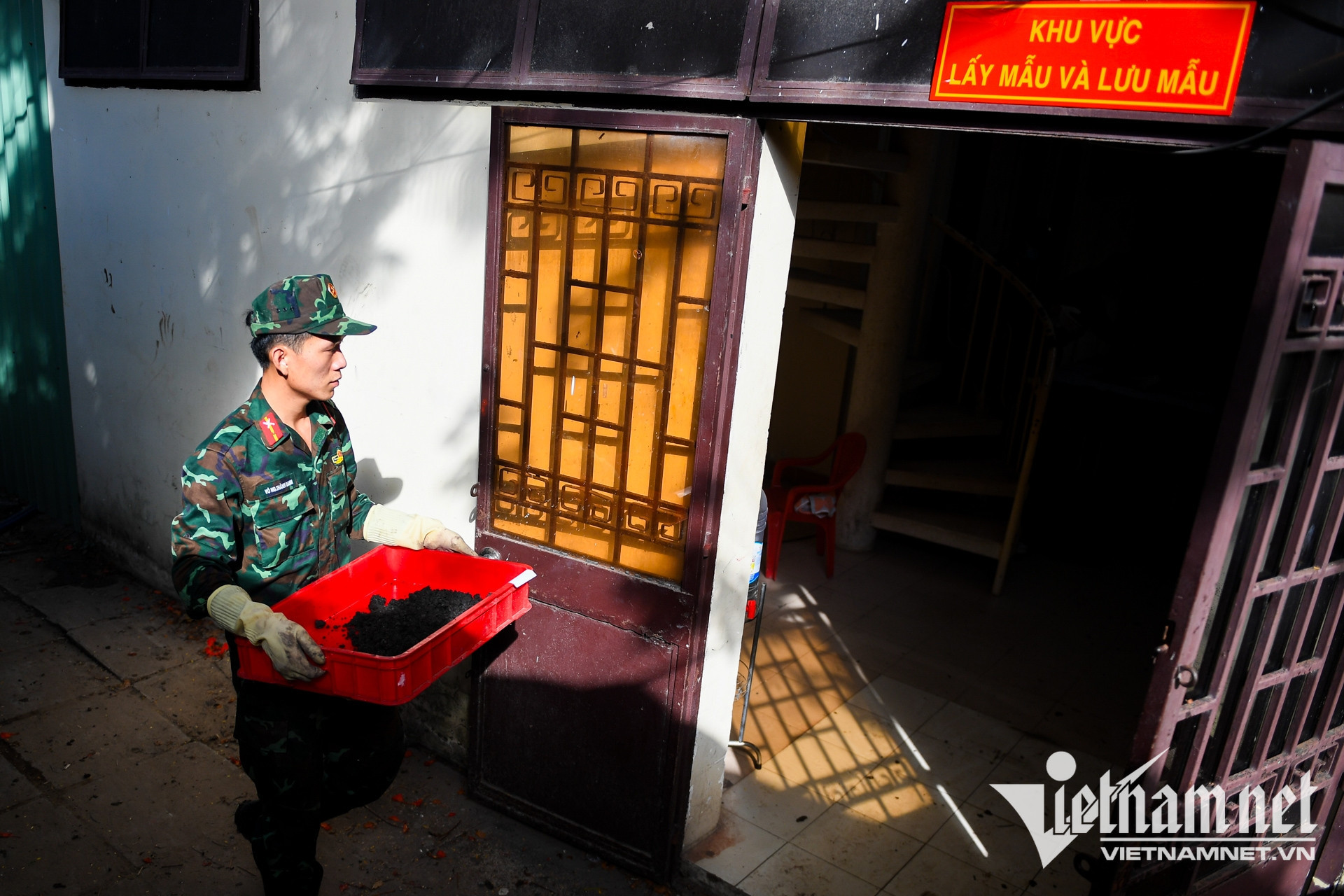
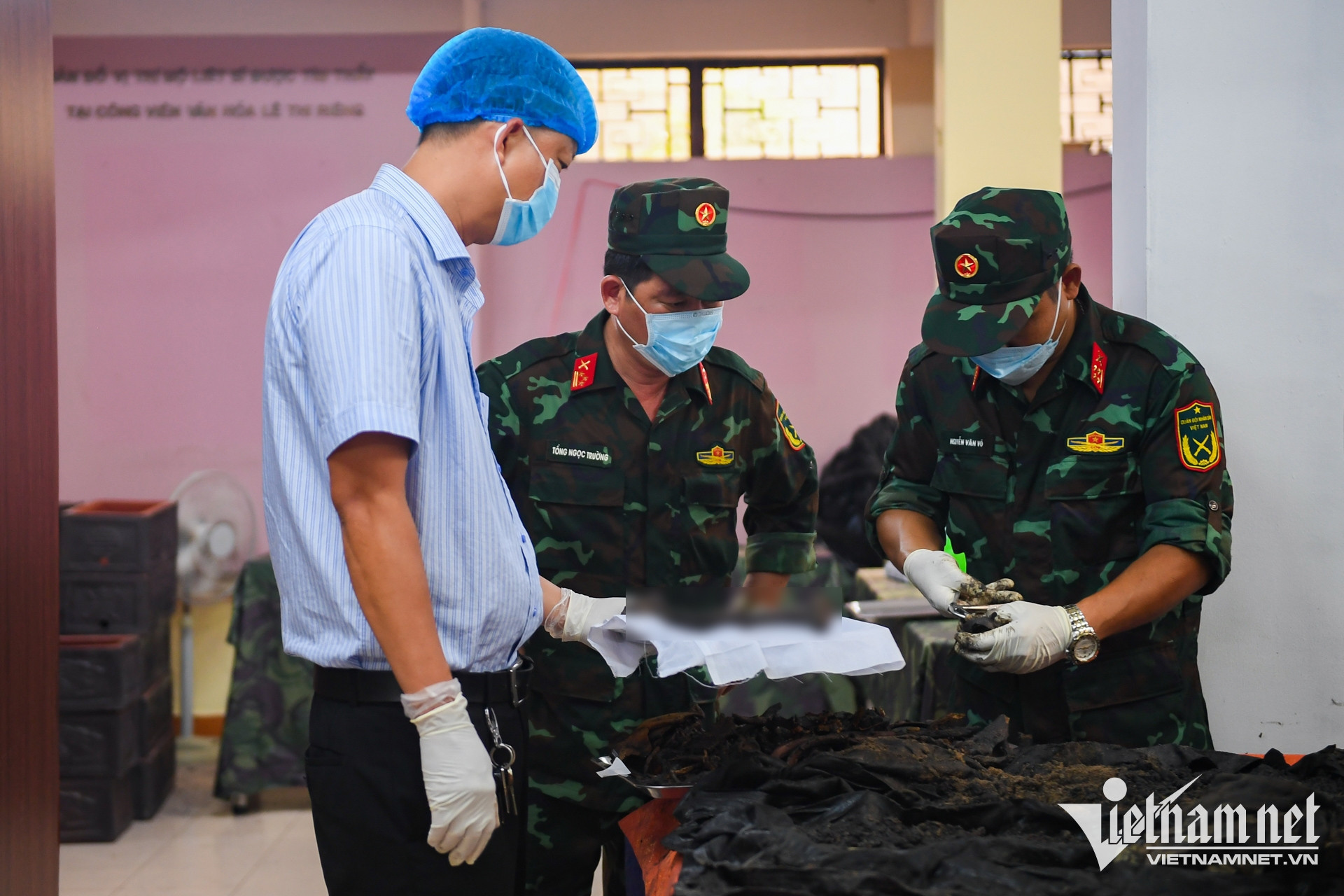
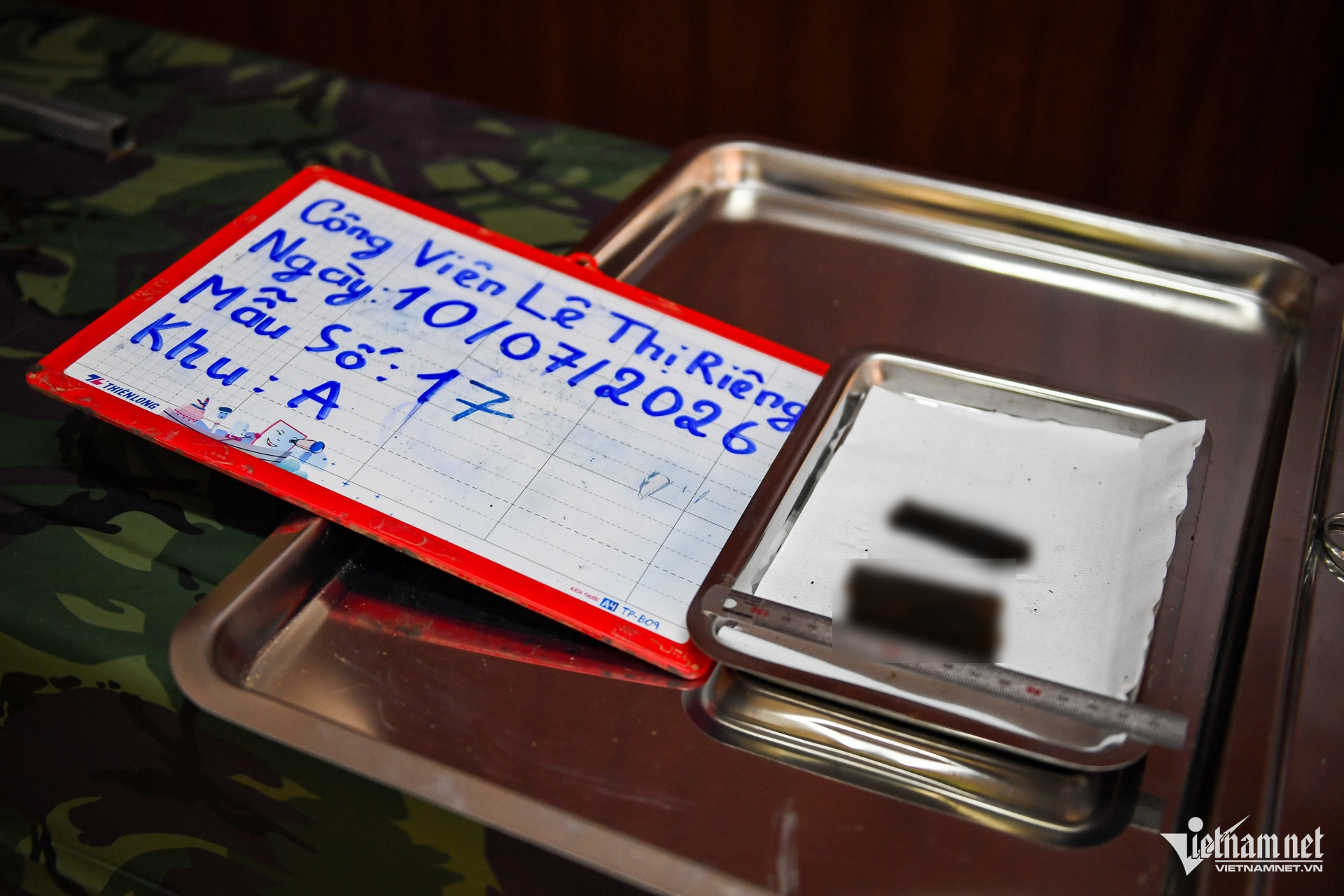
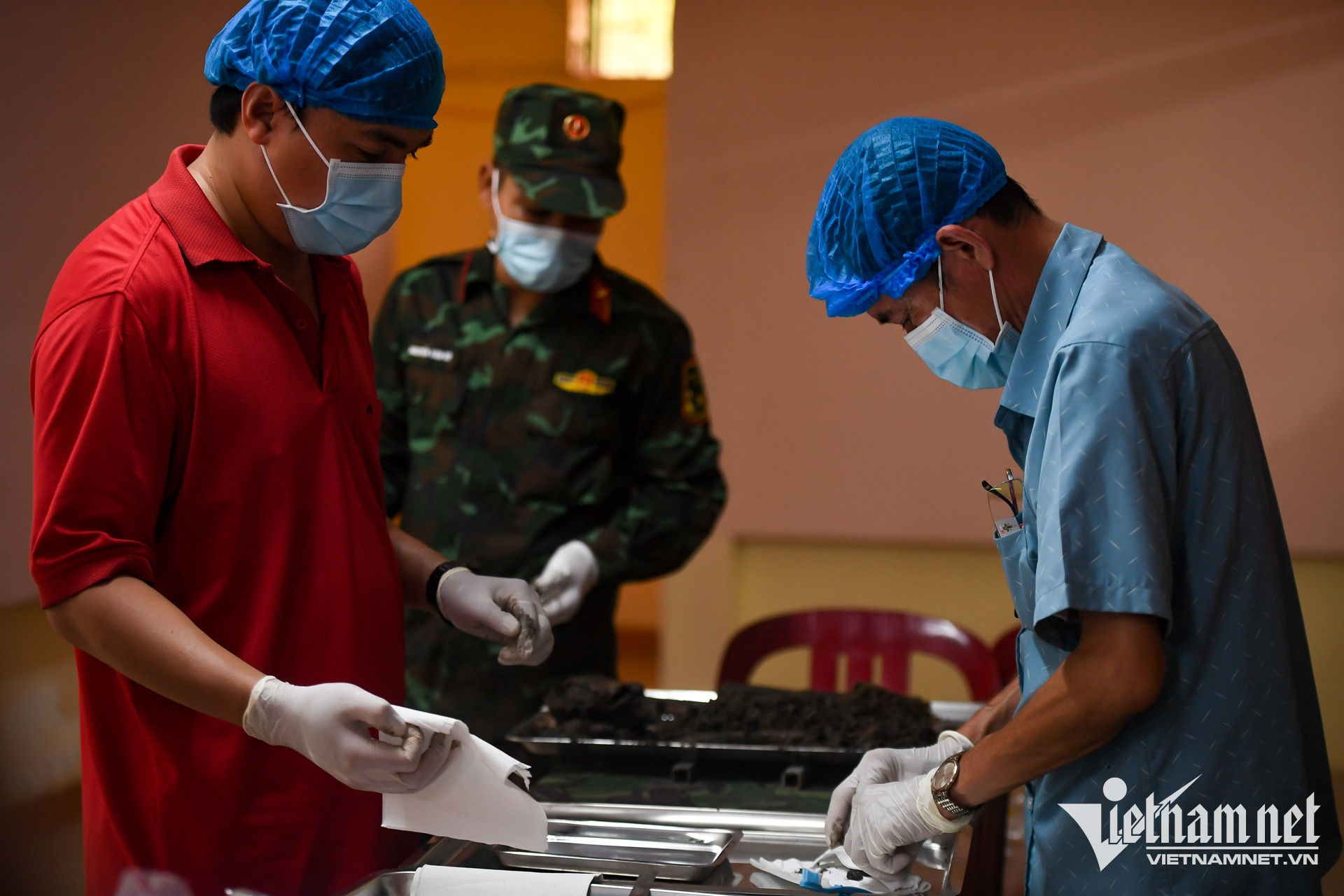
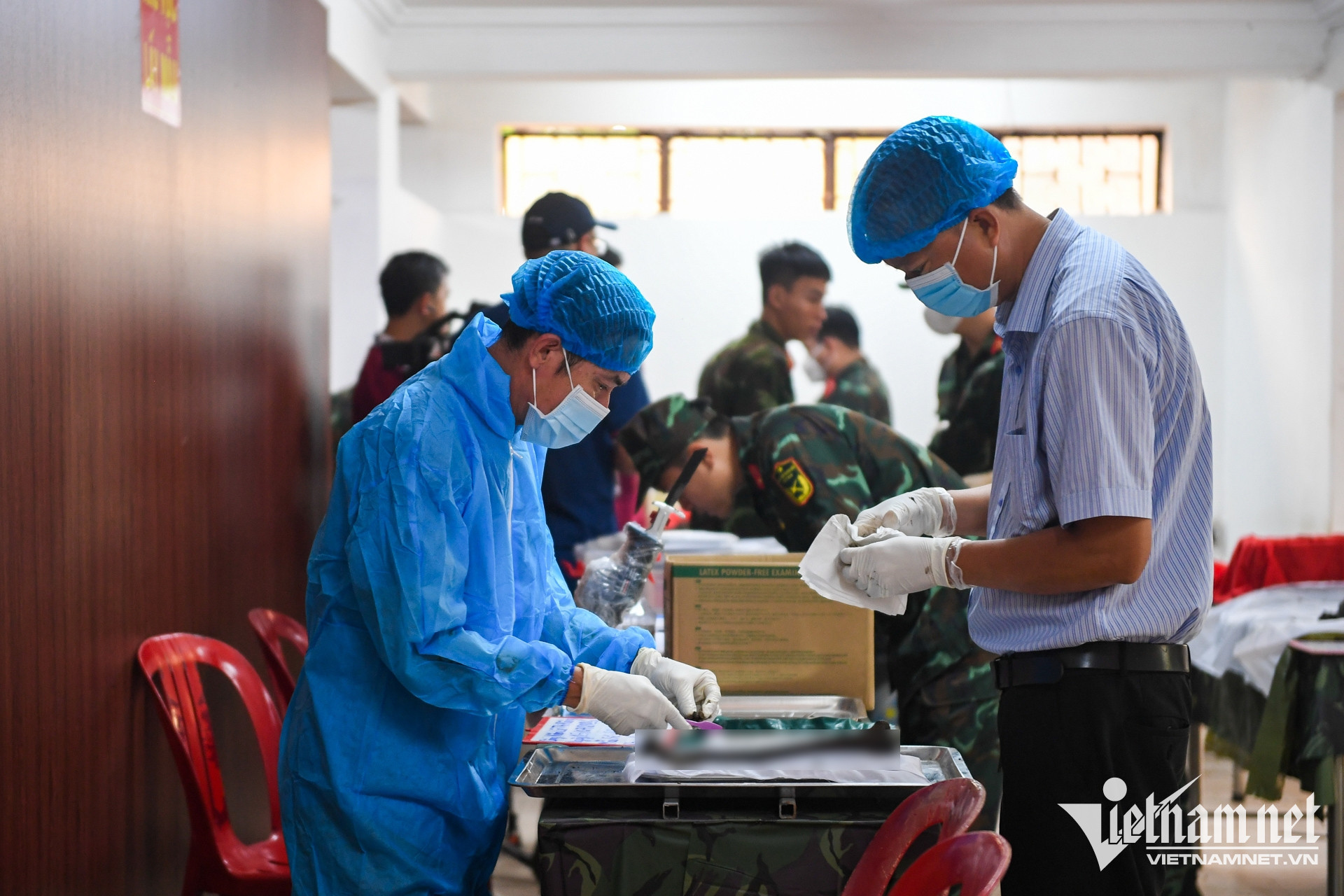
At the sample collection and preservation laboratory beside the excavation site at Le Thi Rieng Park, every bone and tooth recovered from the remains of fallen soldiers undergoes a rigorous processing procedure before being sent for DNA analysis.
The remains recovered from burial trenches at Le Thi Rieng Park are carefully transferred to the sample collection and preservation area.
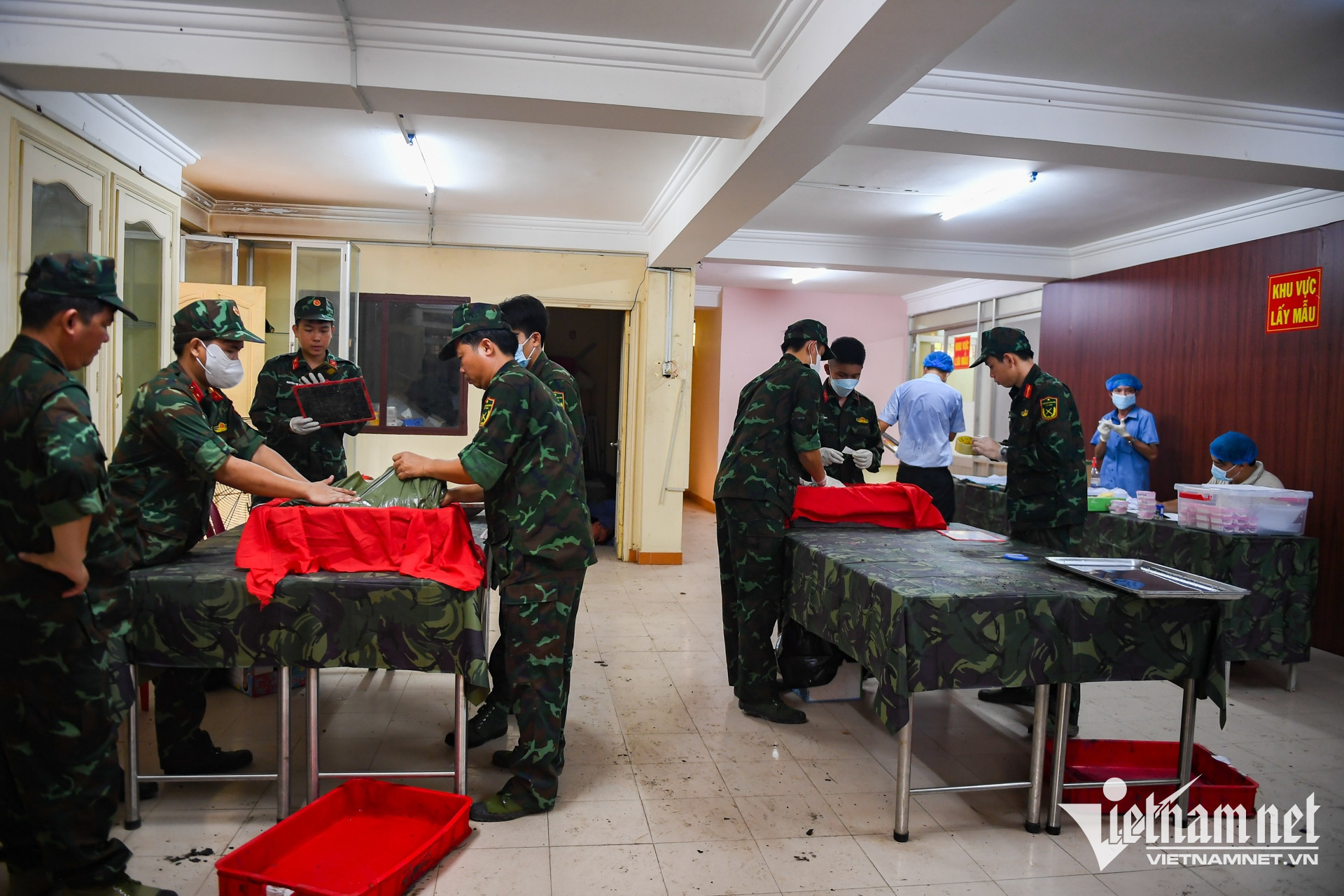
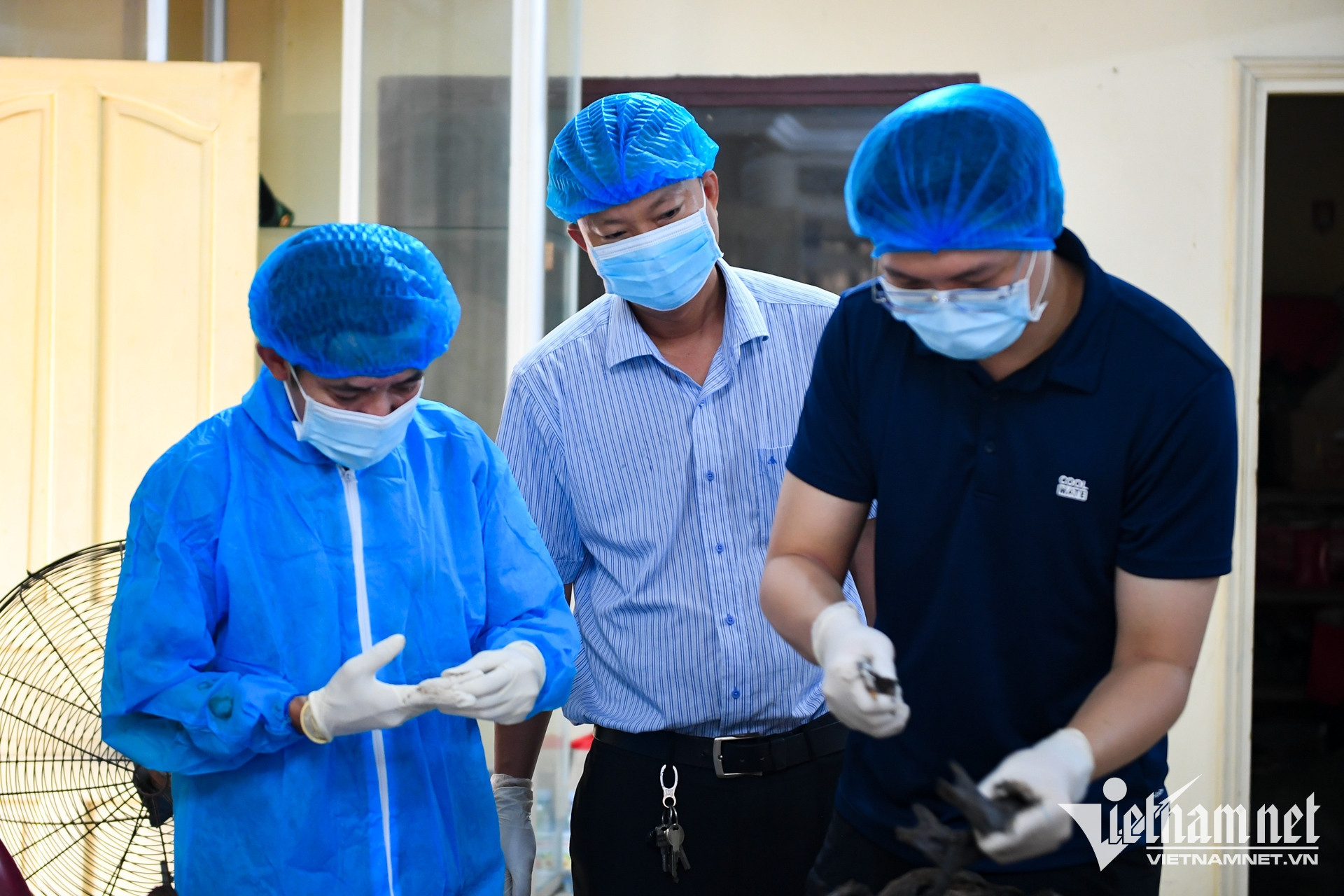
An inter-agency sampling team immediately takes over.
Although they do not work with shovels or excavation tools at the dig site, they play a vital role in the scientific process of identifying the fallen through DNA analysis.
The team is led by Major Dam Van Nhut, Chief Medical Officer of the Ho Chi Minh City High Command, working alongside forensic specialists from the Ho Chi Minh City Forensic Science Center.
Each set of remains entering the laboratory is processed individually under strict protocols to ensure accuracy before DNA testing begins.
According to Major Dam Van Nhut, most of the remains discovered at Le Thi Rieng Park were buried in mass graves.
After nearly 60 years underground, many bones from different individuals have become intertwined.
As a result, excavation teams carefully remove soil layer by layer using a rolling excavation method while simultaneously separating and classifying remains to minimize the risk of mixing individuals.
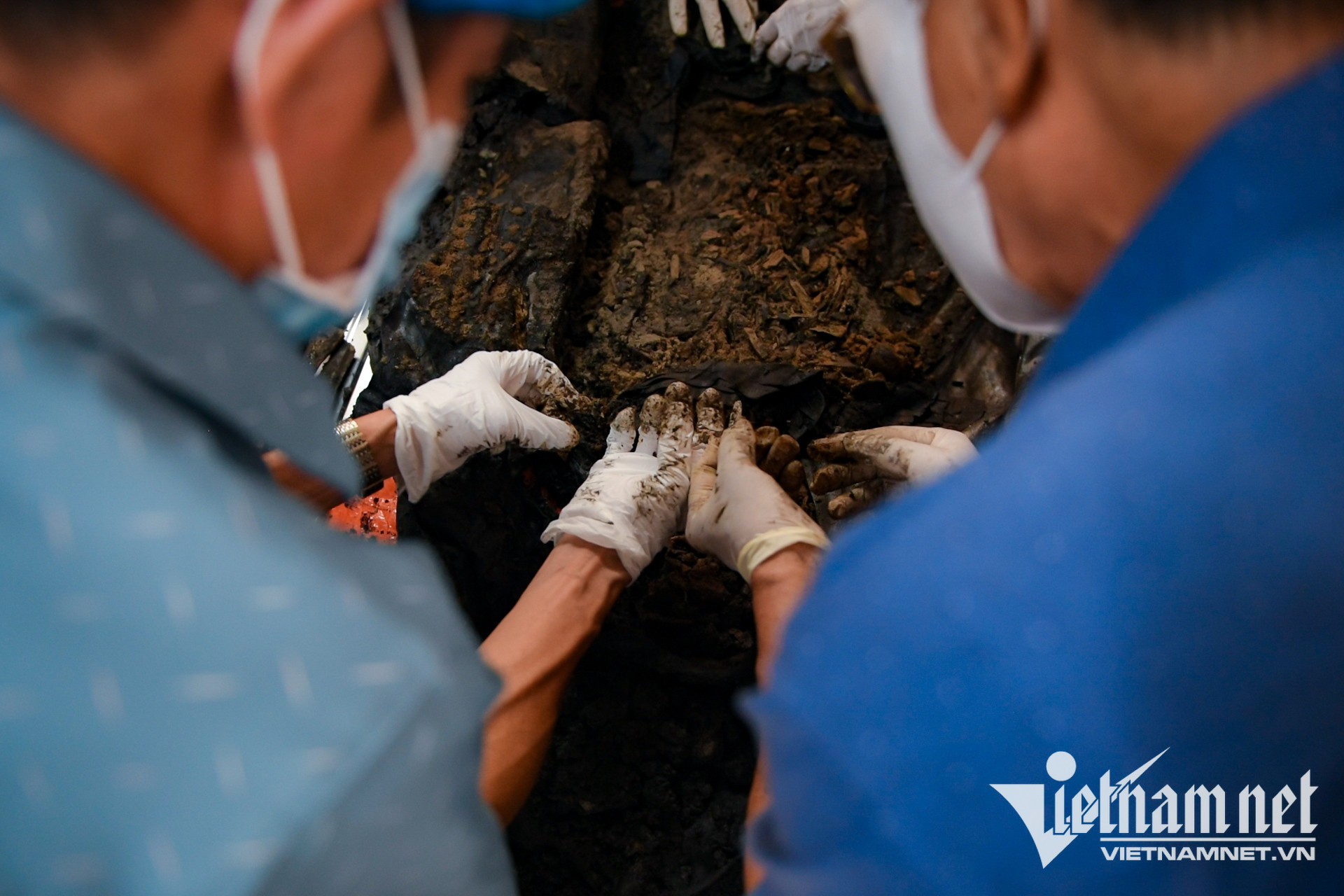
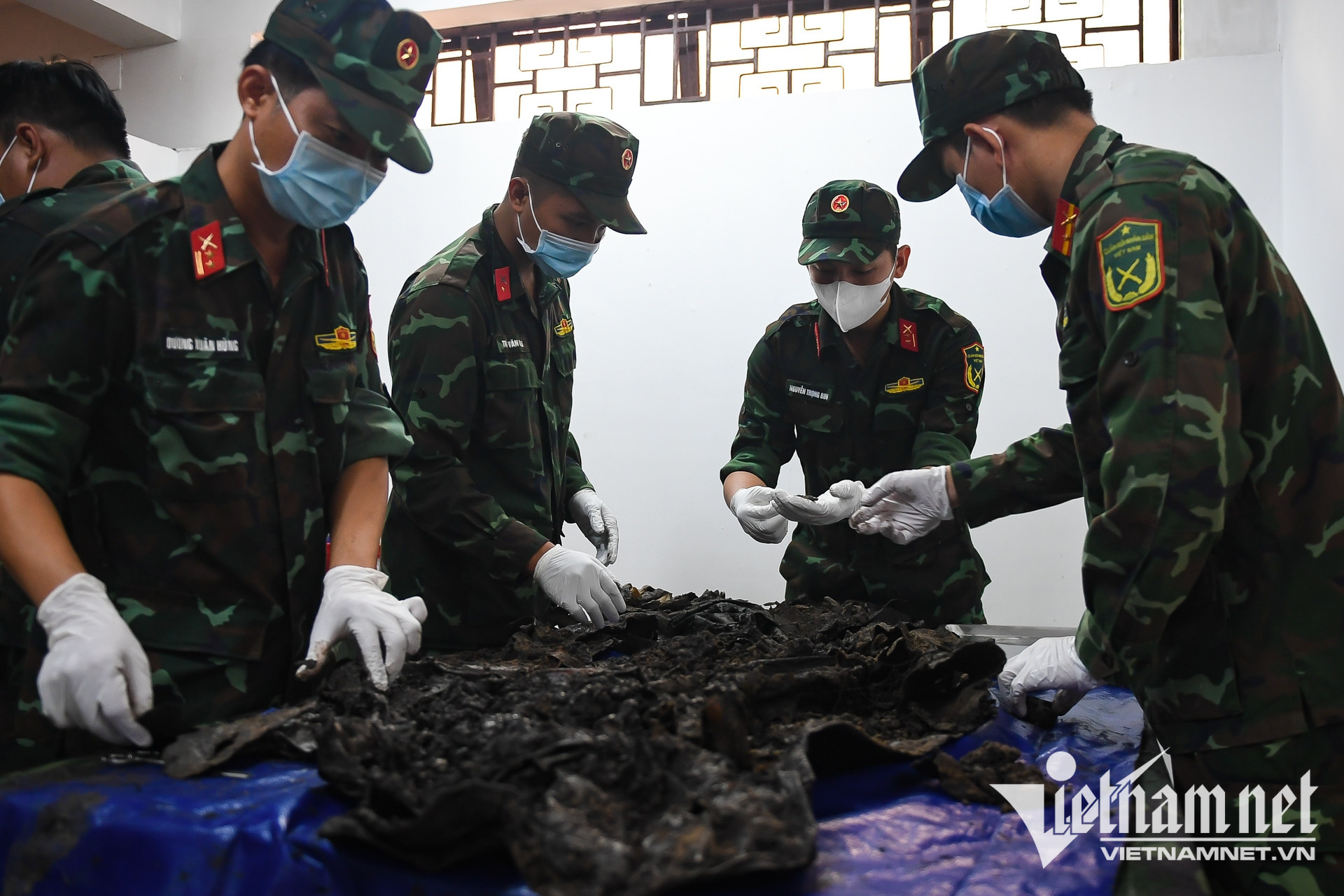
Once inside the laboratory, every set of remains is cleaned and examined before specialists determine the most suitable location for biological sampling.
Experts say even a minor mistake during this stage could contaminate DNA samples between individuals, affecting both forensic analysis and future identification.
Not every bone is selected for testing.
Under forensic protocols, teeth - particularly molars with intact roots - are given the highest priority because they preserve DNA better than any other part of the skeleton.
If no suitable teeth remain, specialists collect a section of the femur measuring approximately 5 to 7 centimeters.
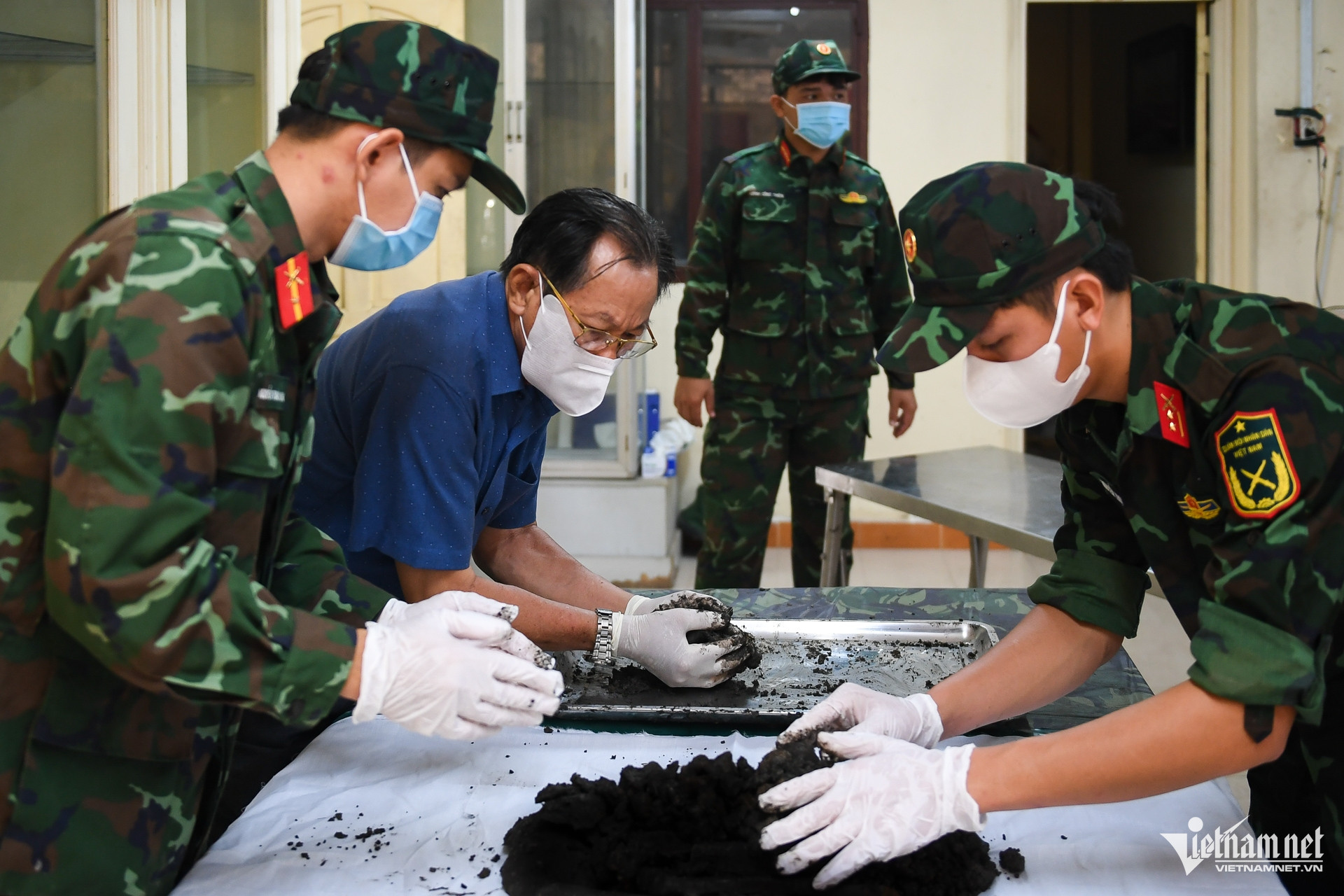
Even remains that have largely decomposed and merged with the surrounding soil are not overlooked.
As long as DNA extraction remains possible, samples are collected in the hope of preserving every opportunity to identify an individual soldier.
Some remains were discovered still wrapped in military ponchos or body bags used by the US military during the war.
After nearly six decades, these coverings helped protect many bones and teeth, leaving them in better condition than initially expected and significantly improving the chances of successful DNA extraction.
To prevent cross-contamination, every set of remains is handled with a separate set of tools.
Disposable items such as brushes are used only once before being discarded, while all metal instruments undergo thorough sterilization before being used on another sample.
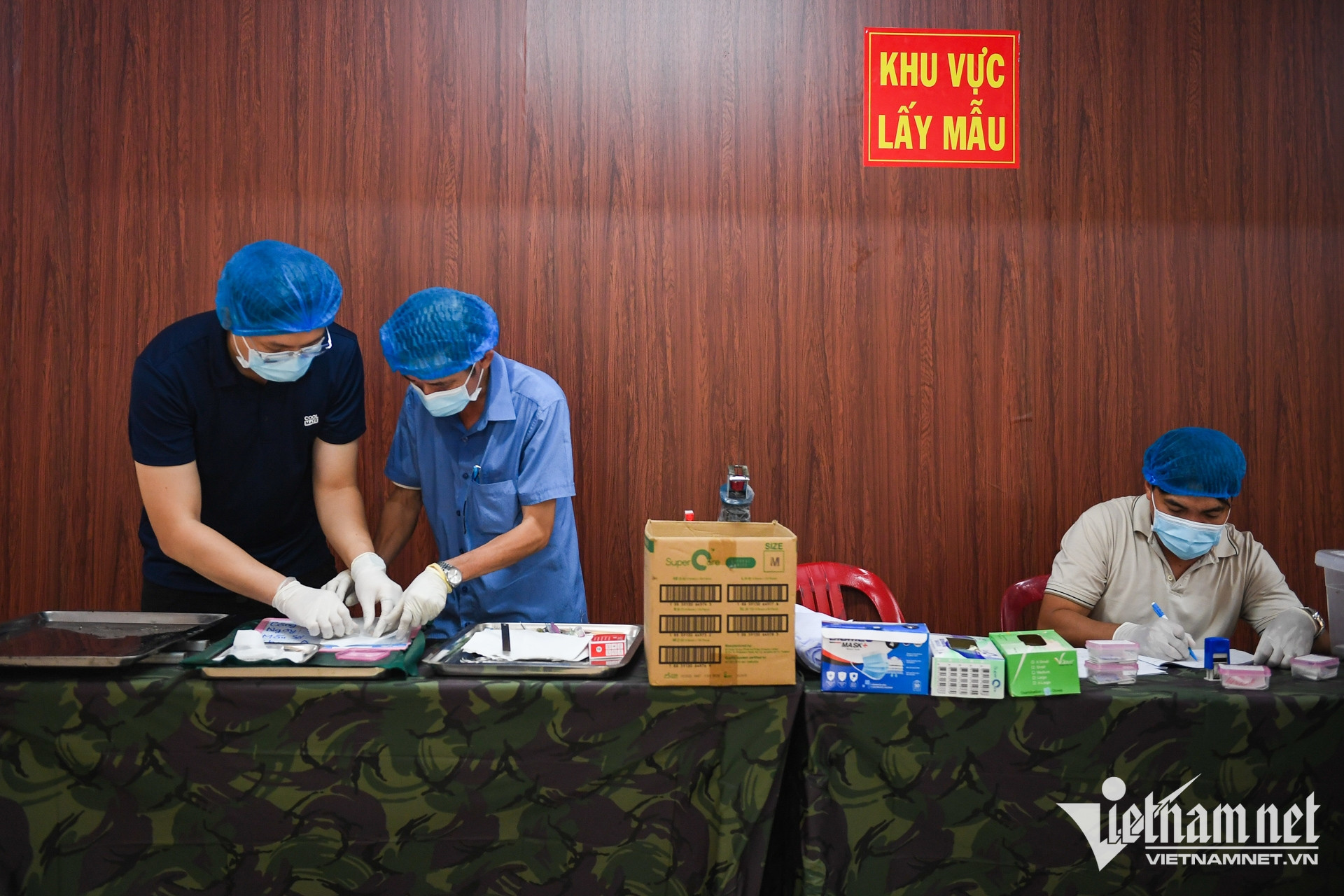
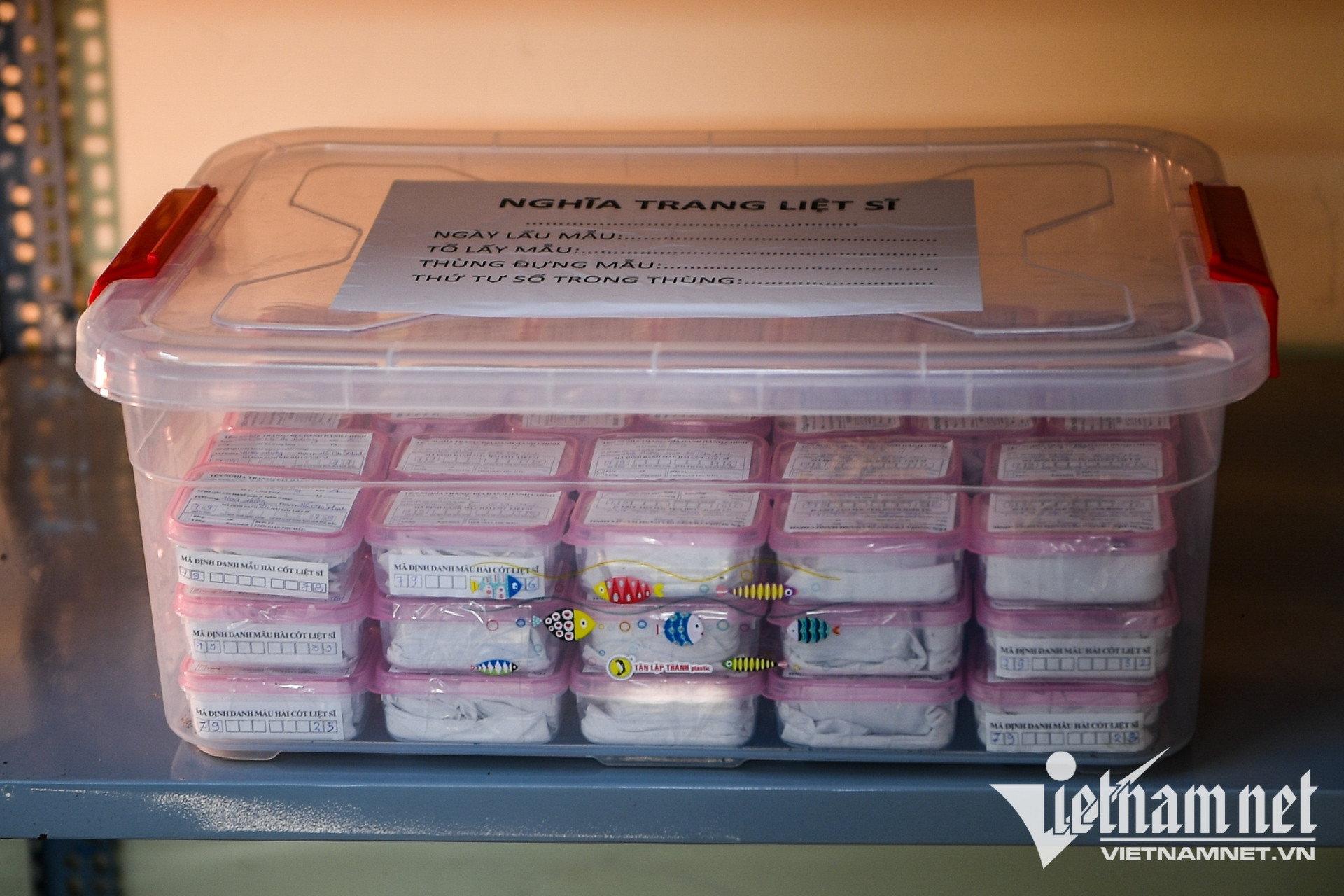
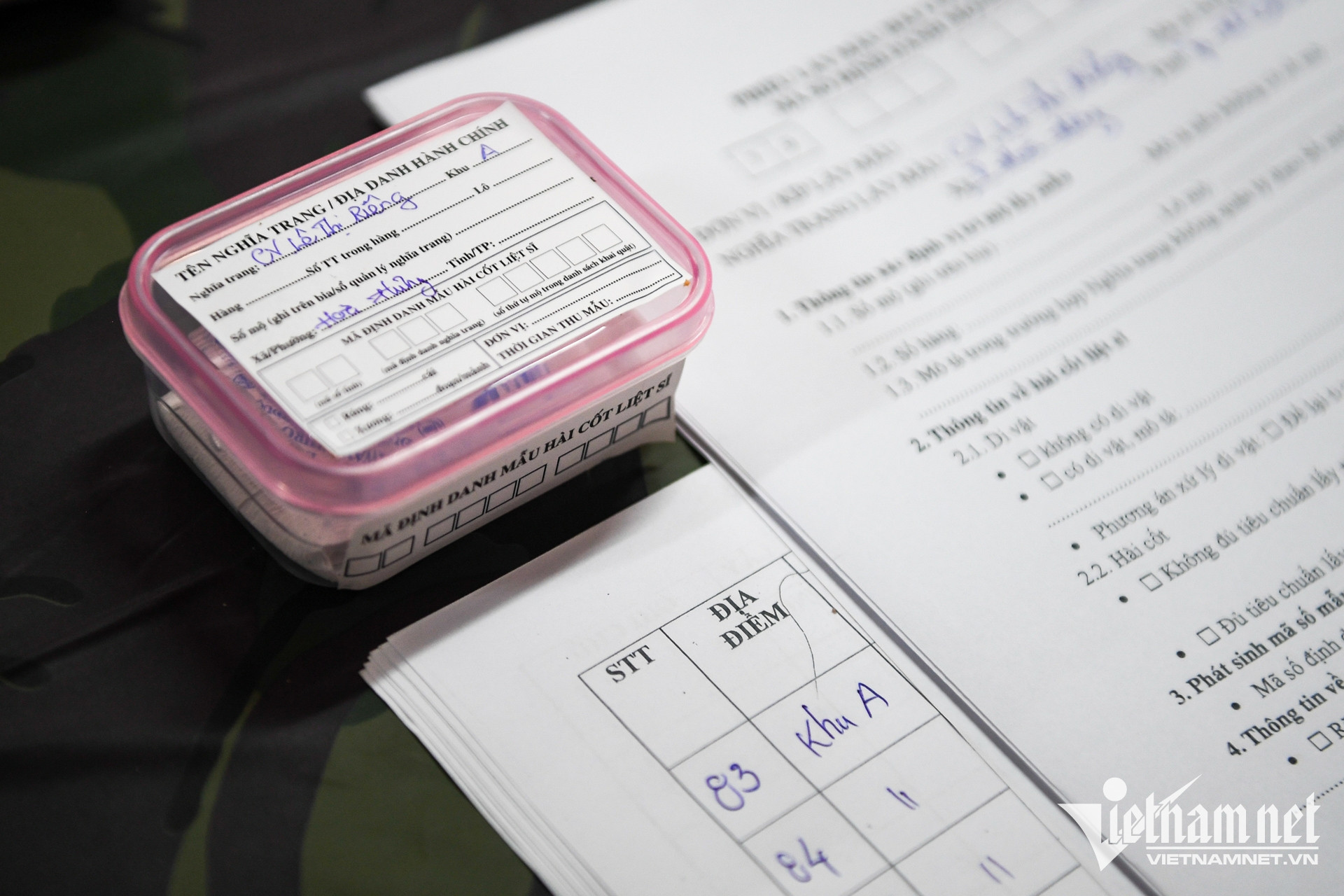
After sampling, each biological specimen is individually packaged, sealed and transferred to a specialized cold-storage facility maintained at temperatures below 20°C.
Samples are then organized according to their excavation locations before being handed over for DNA analysis.
According to Dr. Vuong Gia Bao, a forensic examiner at the Ho Chi Minh City Forensic Science Center, DNA preserved in the remains has deteriorated severely after decades of exposure to time, humidity, bacteria and soil conditions.
Only tiny amounts of highly fragmented DNA remain, making the reconstruction of a complete genetic profile exceptionally challenging.
Once the samples reach the laboratory, the bones and teeth undergo multiple cleaning procedures to remove bacteria, impurities and heavy metals from their surfaces.
The inner core of the bone or the tooth root is then ground into a fine powder before DNA is extracted using specialized chemical processes.
The recovered DNA is amplified repeatedly to generate enough genetic material for analysis.
In particularly challenging cases, scientists also use mitochondrial DNA (mtDNA) sequencing and analysis of ultra-short nuclear DNA fragments to improve the chances of establishing identity and confirming biological relationships.
Dr. Bao says the greatest challenge lies not only in the severe degradation of DNA but also in preventing the accidental mixing of samples from multiple individuals buried together in the same mass grave.
A single error during collection could compromise the entire forensic investigation.
"If a bone from one person is mistakenly matched with a tooth from another, the entire DNA profile becomes inaccurate. That's why every stage must be handled with extreme care, beginning at the excavation site," Dr. Bao said.
For more than a week, the sampling team has worked continuously from morning until late afternoon. For its members, the work is more than a professional assignment. It is both a responsibility and a tribute to those who lost their lives.
"Everyone wants to do this as carefully and accurately as possible so we can identify these fallen heroes and finally bring them home to their country, hometown and families," Major Dam Van Nhut said.
Nguyen Hue - Phuoc Sang
.svg)
