 Vietnamnet.vn

 Podcast



The sound of chieng gongs calling home in the highlands
During every festival season in Tan Lap Ward, Dak Lak Province, the sound of Muong chieng gongs echoes vibrantly through the community.
More than festive music, the sound stirs memories of home for many Muong families living far from their native land.
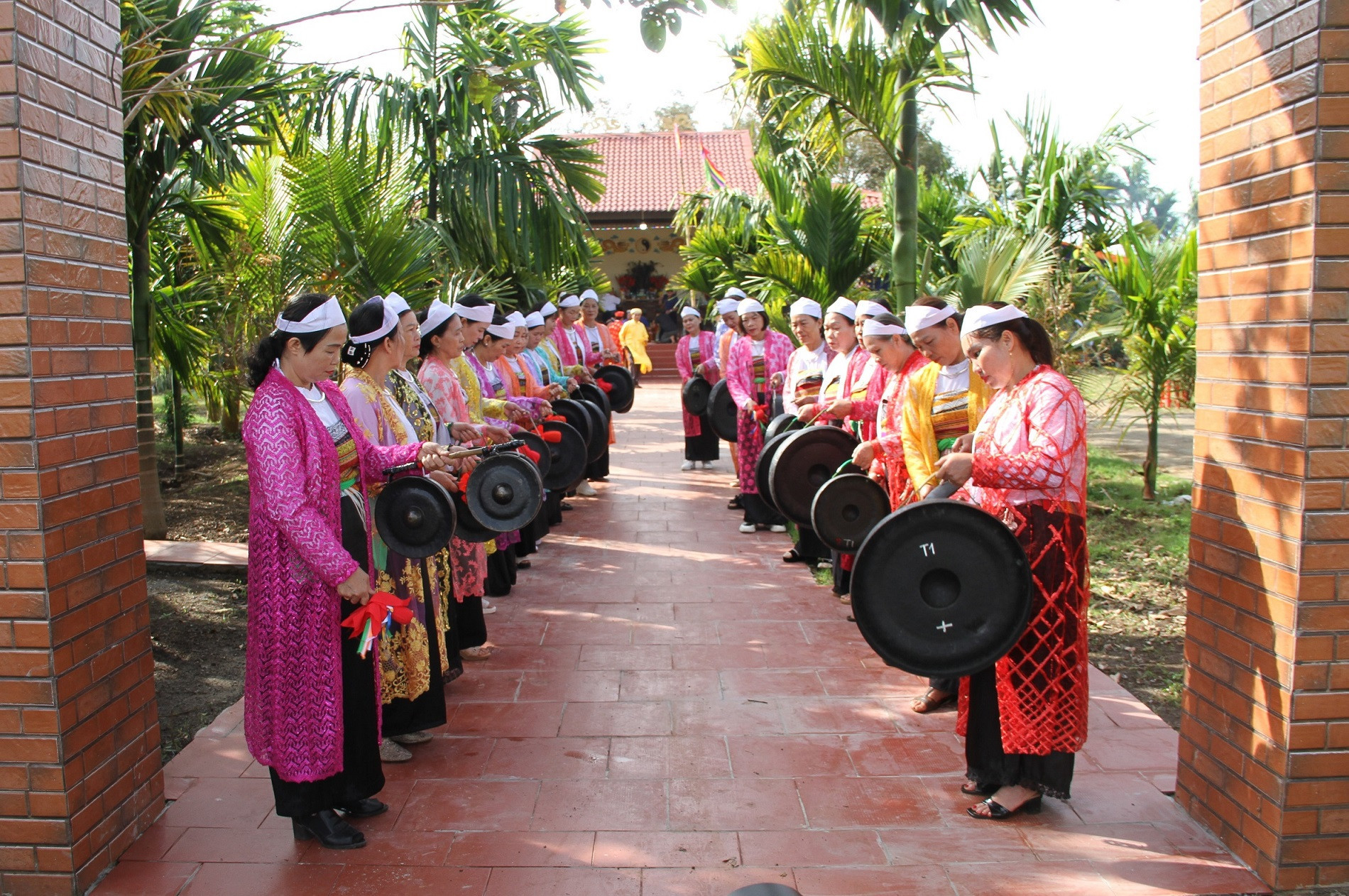
Generations of Muong women preserve the rhythm of chieng gongs in the Dak Lak highlands.
According to village elders, chieng gongs symbolize joy, unity and prosperity in Muong culture.
Joining younger generations in the rhythmic performances, Nguyen Thi Loc from Residential Group 3, Tan Lap Ward, Dak Lak Province, said Muong gongs were once played to welcome kings and royal officials.
Today, they are performed during festivals, community events, ceremonies welcoming Party and State leaders, and major local activities.
“The Muong only play chieng gongs on important occasions. Every time the sound rises, people feel closer to one another, as if embraced once again by the spirit of the old village,” Loc said.
Having spent more than half her life preserving Muong gong traditions in the Central Highlands, Loc said the sound is not simply for performance.
For her, it is the voice and emotional pull of home itself.
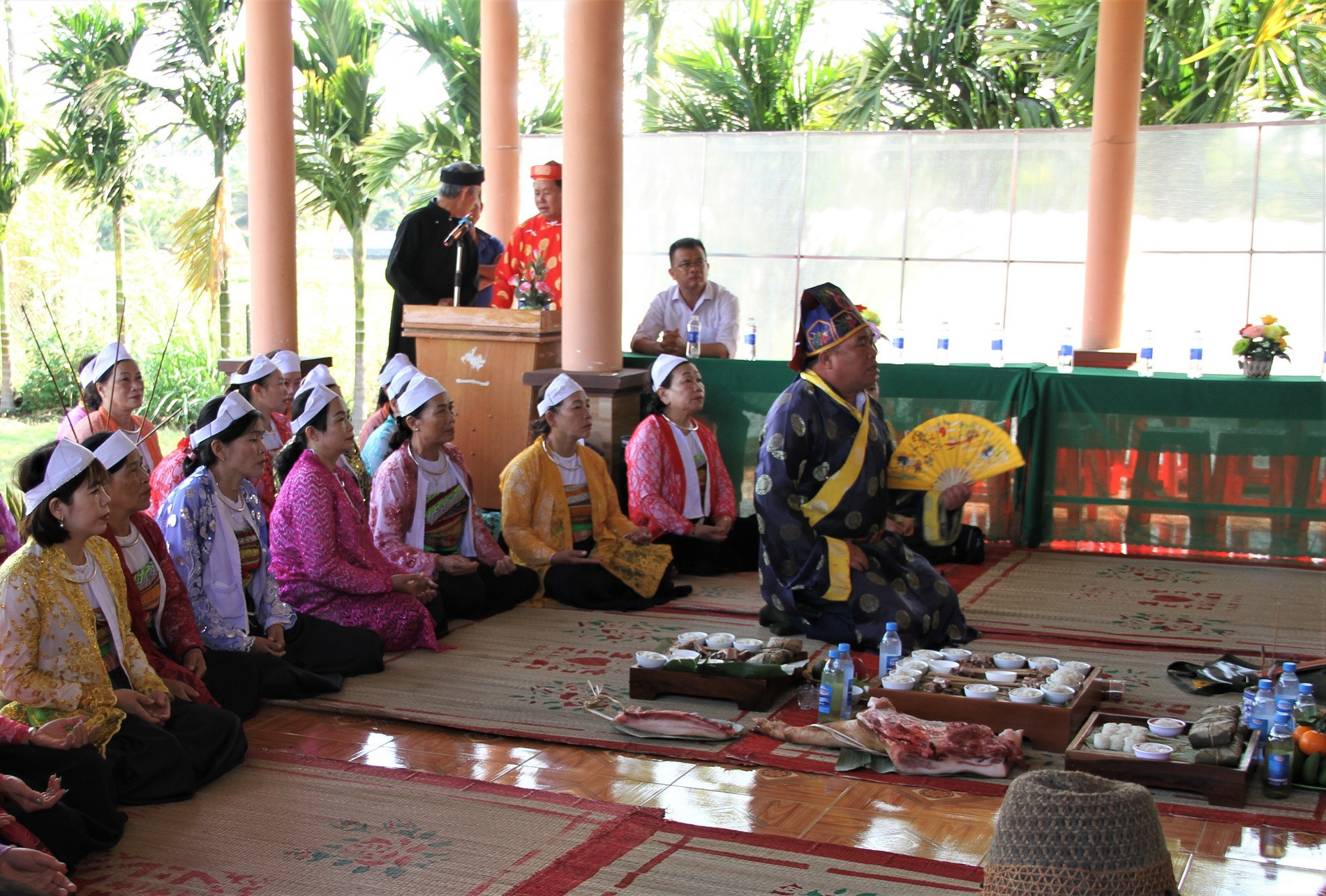
Every year, the Muong community in Tan Lap Ward, Dak Lak Province, holds the ritual ceremony to lower the neu tree - a traditional custom.
Loc recalled that during the early years of migration to the Central Highlands, life was filled with hardship.
Even so, families still safeguarded their gong sets as treasured possessions.
What brings her the greatest joy today is seeing more young people voluntarily learning to play chieng gongs and participating in community festivals.
Beyond cultural performances, the gong tradition has become a powerful thread connecting generations of Muong people on their new land.
According to Nguyen Van Lap, head of Thinh Lang Communal House in Tan Lap Ward, the largest annual celebration of the Muong community in Dak Lak is the Khai Ha festival, held in the first lunar month.
The festival is a time for villagers to worship guardian deities and pray for favorable weather, abundant harvests and peaceful lives.
Holding the ceremony every year also helps preserve Muong cultural identity, maintain traditional customs and strengthen community solidarity.
“The happiest thing is seeing younger generations learn more about the customs of their people after every festival season. As long as the young still love the sound of chieng gongs, Muong culture will continue to resonate,” Lap said.
Preserving the spiritual flow of Mo Muong
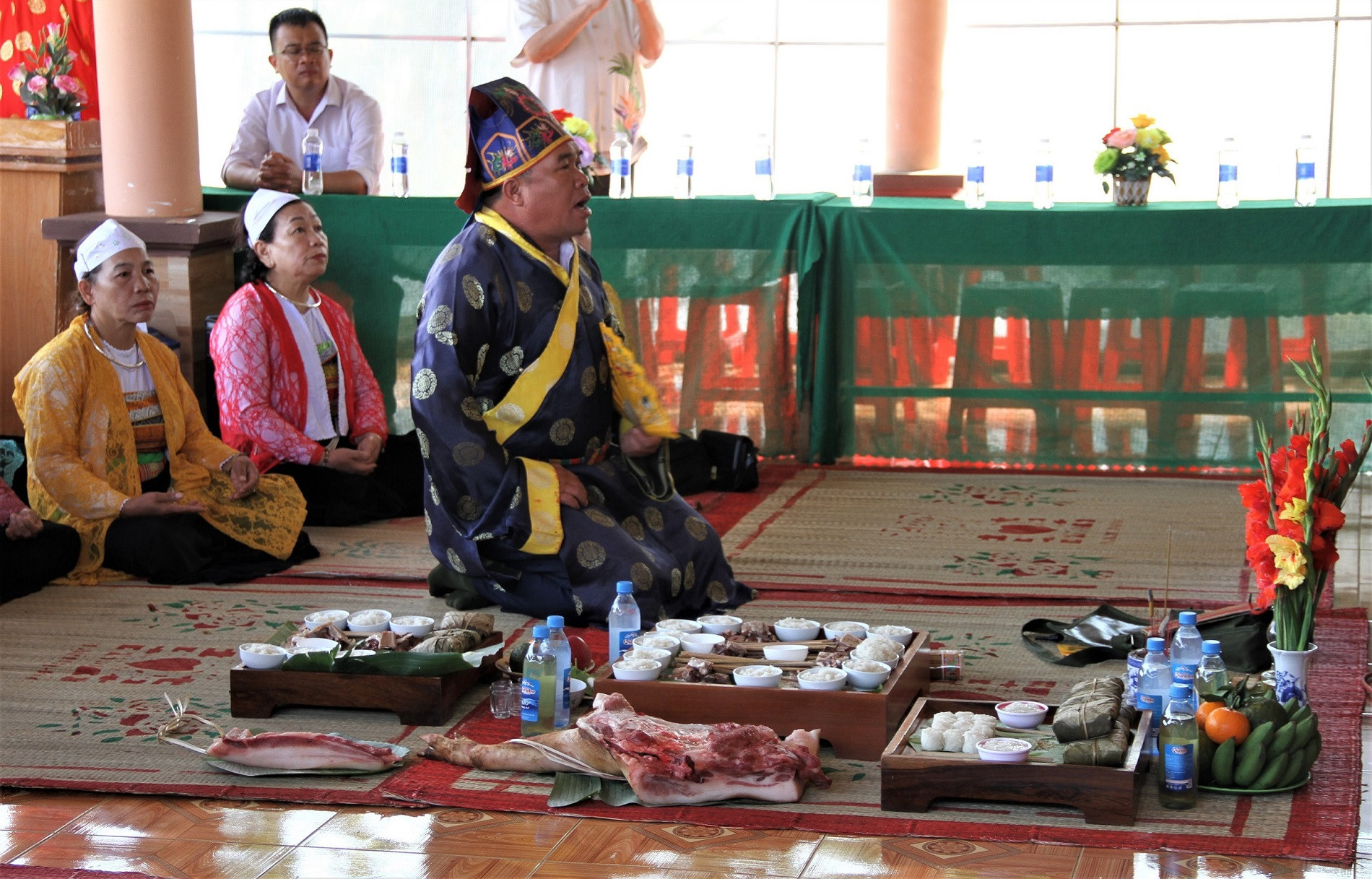
Muong artisan Bui Van Thanh performs the deep, steady chants of Mo rituals beside the ceremonial altar during the Khai Ha festival.
According to elders in the community, Muong people first arrived in Dak Lak in the 1950s.
As life gradually stabilized, villagers built communal houses to serve as places for worship and community gatherings.
Many of these communal houses still carry the names of their old hometowns in Hoa Binh Province before administrative restructuring, preserving memories of their ancestral roots.
One example is Lac Son Communal House in Residential Group 2, Tan Lap Ward, where Muong families from the former Lac Son District gather for spiritual and cultural activities.
The communal house worships the Hung Kings and six founders credited with establishing the village.
It also preserves many important elements of Muong culture, including the sacred Mo Muong ritual tradition.
During the Khai Ha festival, amid drifting incense smoke, artisan Bui Van Thanh chants the deep, rhythmic verses of Mo rituals beside the ceremonial altar.
The sounds of gongs blend with traditional flute melodies, creating an atmosphere that feels both sacred and intimate.
Thanh said Mo Muong is not merely a spiritual ritual but also a repository of folk knowledge, customs and the worldview of the Muong people passed down over generations.
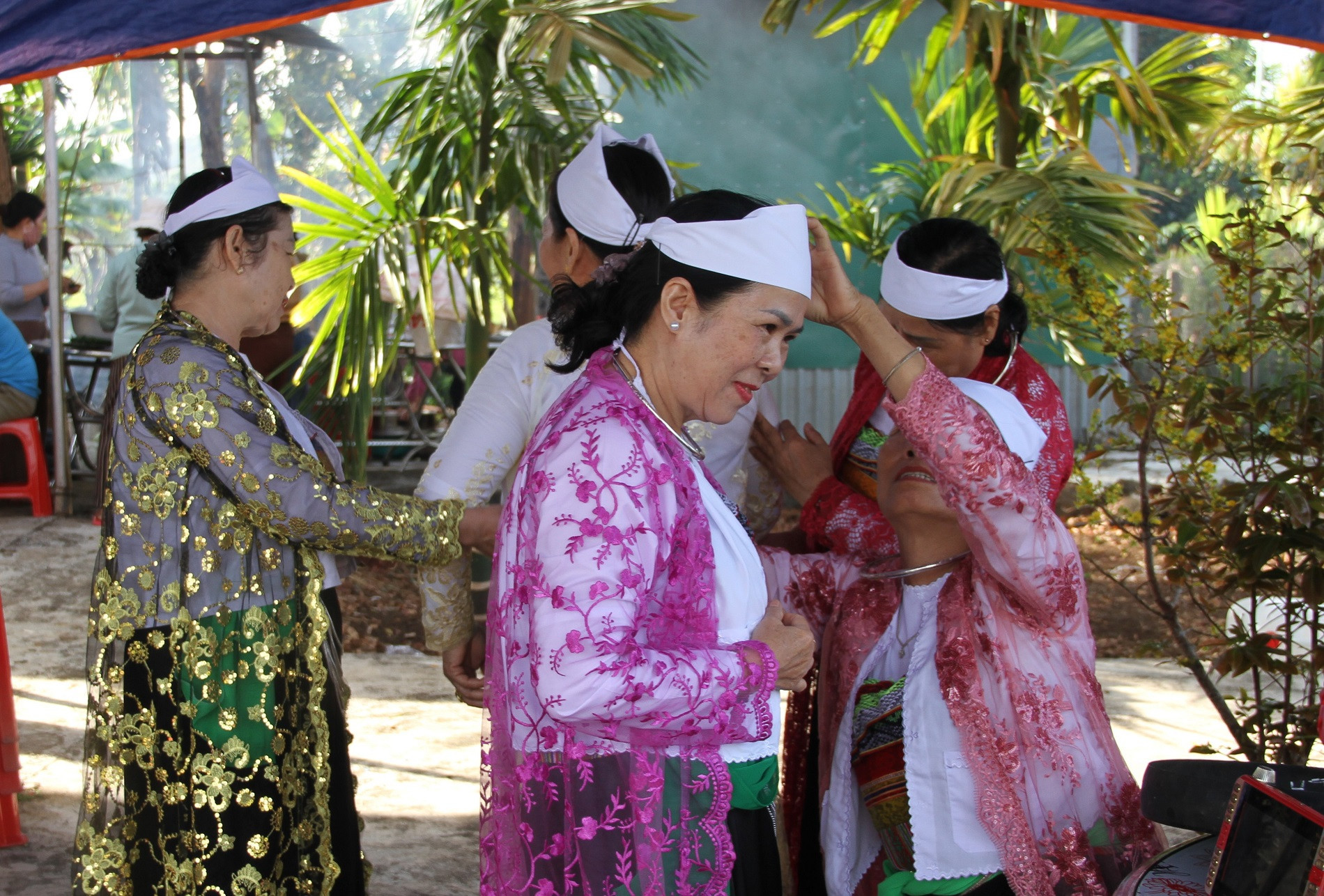
Traditional Muong clothing continues to appear during festivals, Lunar New Year celebrations and village gatherings.
“Since childhood, I followed village elders to learn Mo rituals. Today, very few people still fully understand and practice these ceremonies, so those of us who can still perform them try our best to preserve them,” Thanh said. “I also actively teach younger generations so they can continue protecting the culture of our people.”
The Muong community in Dak Lak currently numbers around 16,000 people.
However, only a handful of artisans are still capable of fully performing traditional Mo rituals.
As a result, Mo masters play an especially important role in the community’s spiritual life.
In 2024, the “Social customs and beliefs of Mo Muong in Dak Lak Province” were officially recognized as part of Vietnam’s National Intangible Cultural Heritage list.
For the Muong community in the mountain city, the recognition is not only a source of pride but also motivation to continue safeguarding the heritage passed down by their ancestors.
Alongside chieng gongs and traditional rituals, ethnic clothing also remains an important part of cultural life for the Muong people in Dak Lak.
The image of Muong women in black skirts, white headscarves and brightly colored garments reflects a deep sense of cultural pride.
Across the red soil of the highlands, the sound of Muong gongs still echoes, and ancient Mo chants continue to rise during early spring festivals.
For every Muong person living far from their homeland, the “Muong soul” endures quietly yet resiliently through generations.
Le Huong
.svg)
