 Vietnamnet.vn

 Podcast


At military collection sites and cemeteries across southern Vietnam, biological samples recovered from the remains of fallen soldiers begin a carefully controlled journey to the Military Institute of Forensic Medicine in Hanoi.
Captain Lai Vu Huy Hoang, an officer with the Military Medical Division under the Logistics and Technical Department of Military Region 9, said the collection, handling and preservation of samples follow strict technical guidelines issued by the Military Medical Department under the General Department of Logistics.
Once collected, samples are temporarily stored at temperatures of 15-20 degrees Celsius and relative humidity of 45-55%. They must be protected from direct sunlight, kept in well-ventilated, dust-free conditions and secured by patrol and guard personnel.
The samples are then transferred to a temporary storage facility within the military area of Can Tho International Airport, where they are counted and sealed.
From there, they are formally handed over to Brigade 918 of the Air Defence - Air Force Service for transport aboard military aircraft to Gia Lam Airport in Hanoi, before being delivered to the Military Institute of Forensic Medicine under the Ministry of National Defence.
More than 80,000 samples preserved under strict conditions
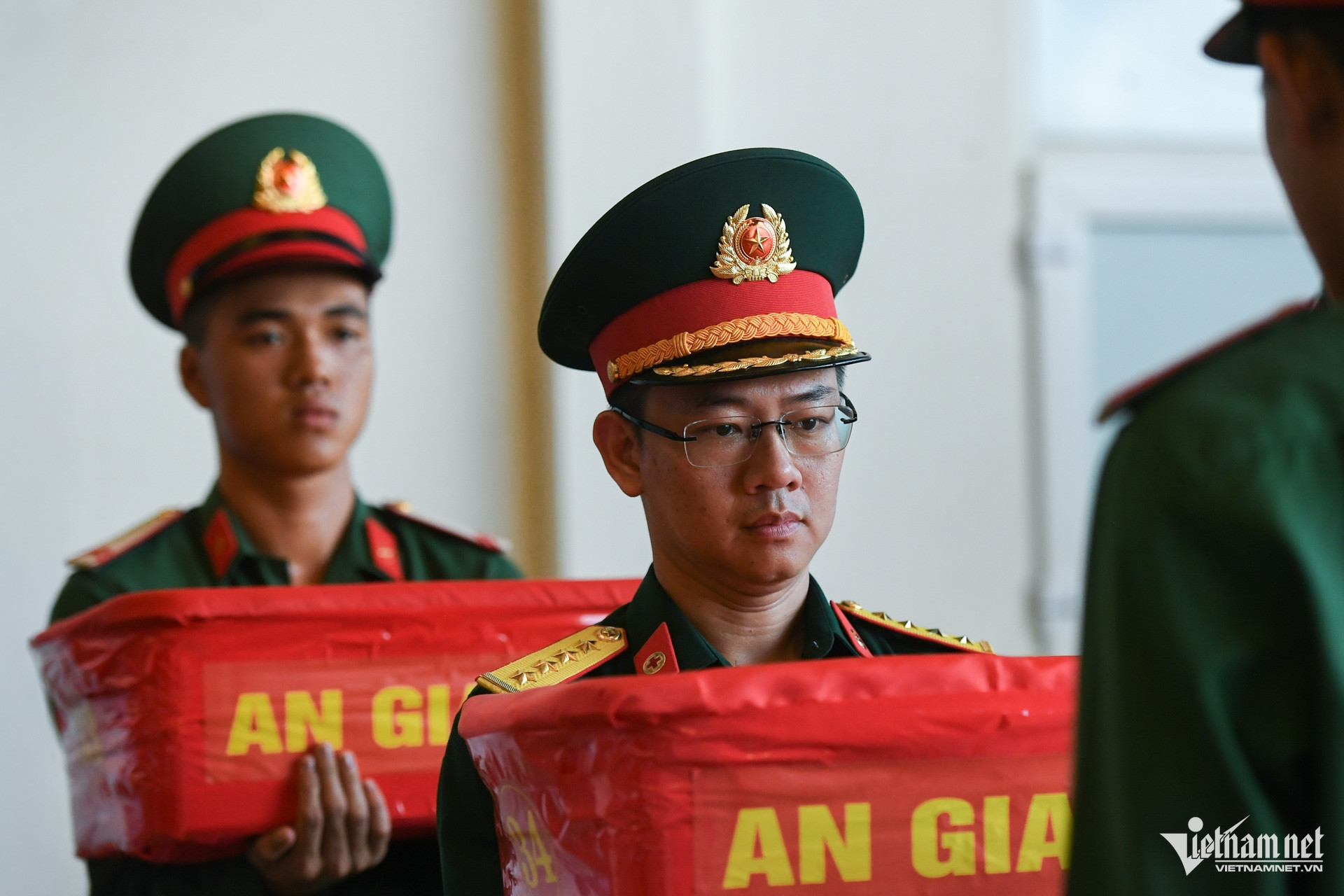
So far, more than 80,000 biological samples recovered from fallen soldiers across Vietnam's 34 provinces and cities have been transported to the Military Institute of Forensic Medicine.
The institute is responsible for storing, preserving and conducting DNA examinations to identify the remains.
Preservation is particularly important because the condition of a sample directly affects the quality of subsequent DNA testing.
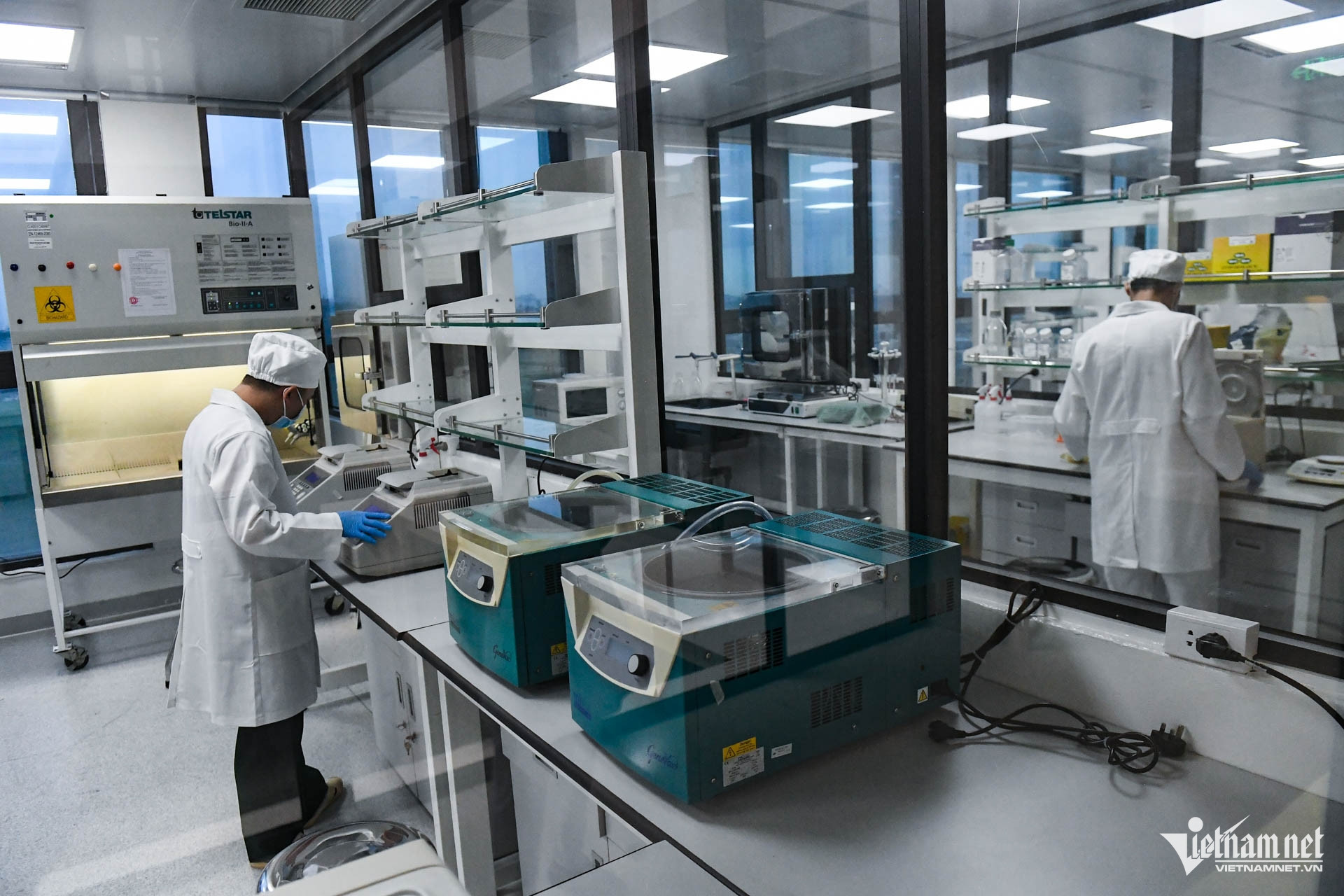
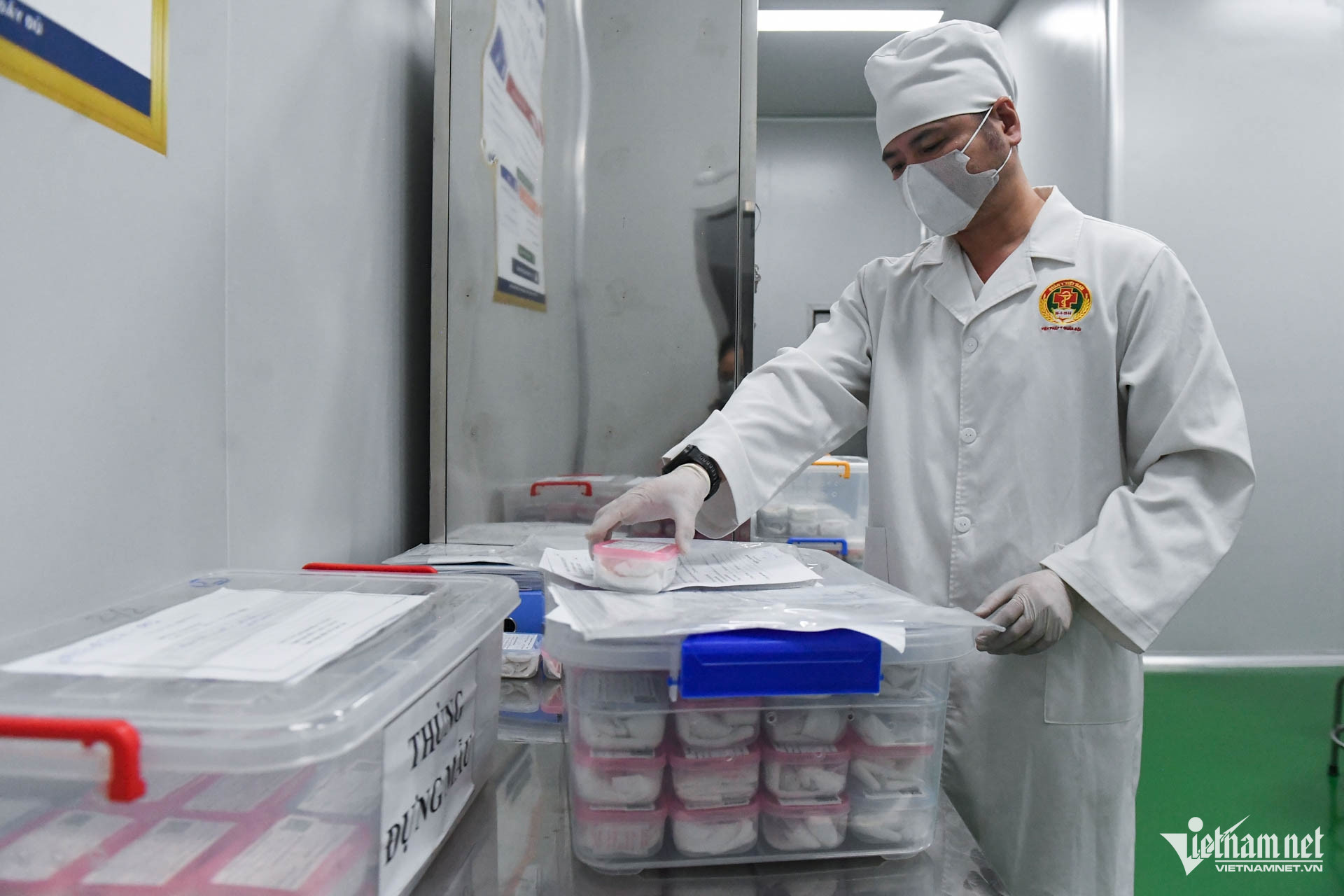
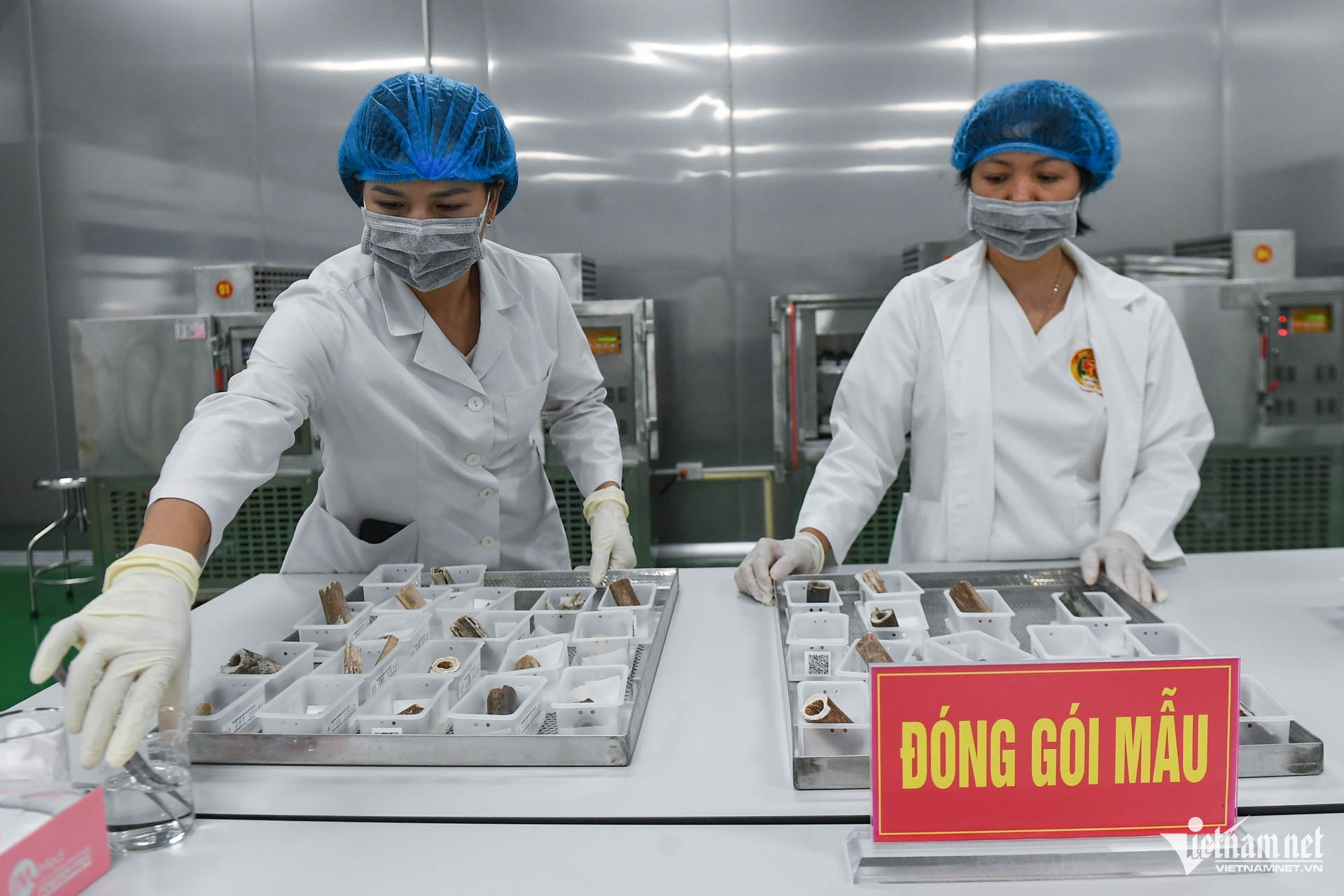
The institute's sample reception team currently has 20 members working across 10 sample-processing chambers, a sorting area and a packaging area.
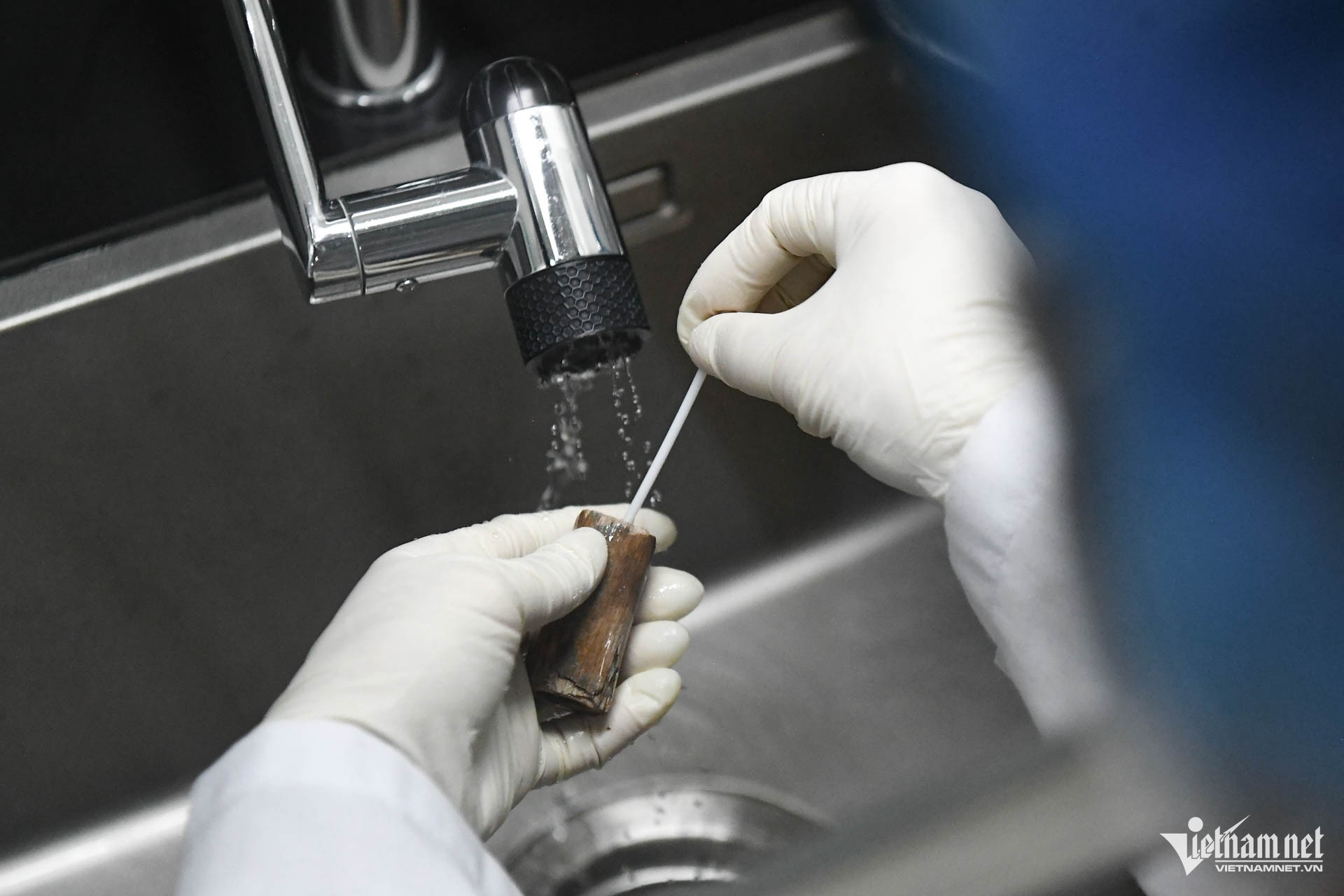
Every stage, from inspection and cleaning to drying, quality assessment and storage coding, is carried out with meticulous care.
Lieutenant Colonel Vu Thi Que, from the Examination Department, said many samples had spent decades underground, with some becoming so fragile and degraded that handling them was extremely difficult.
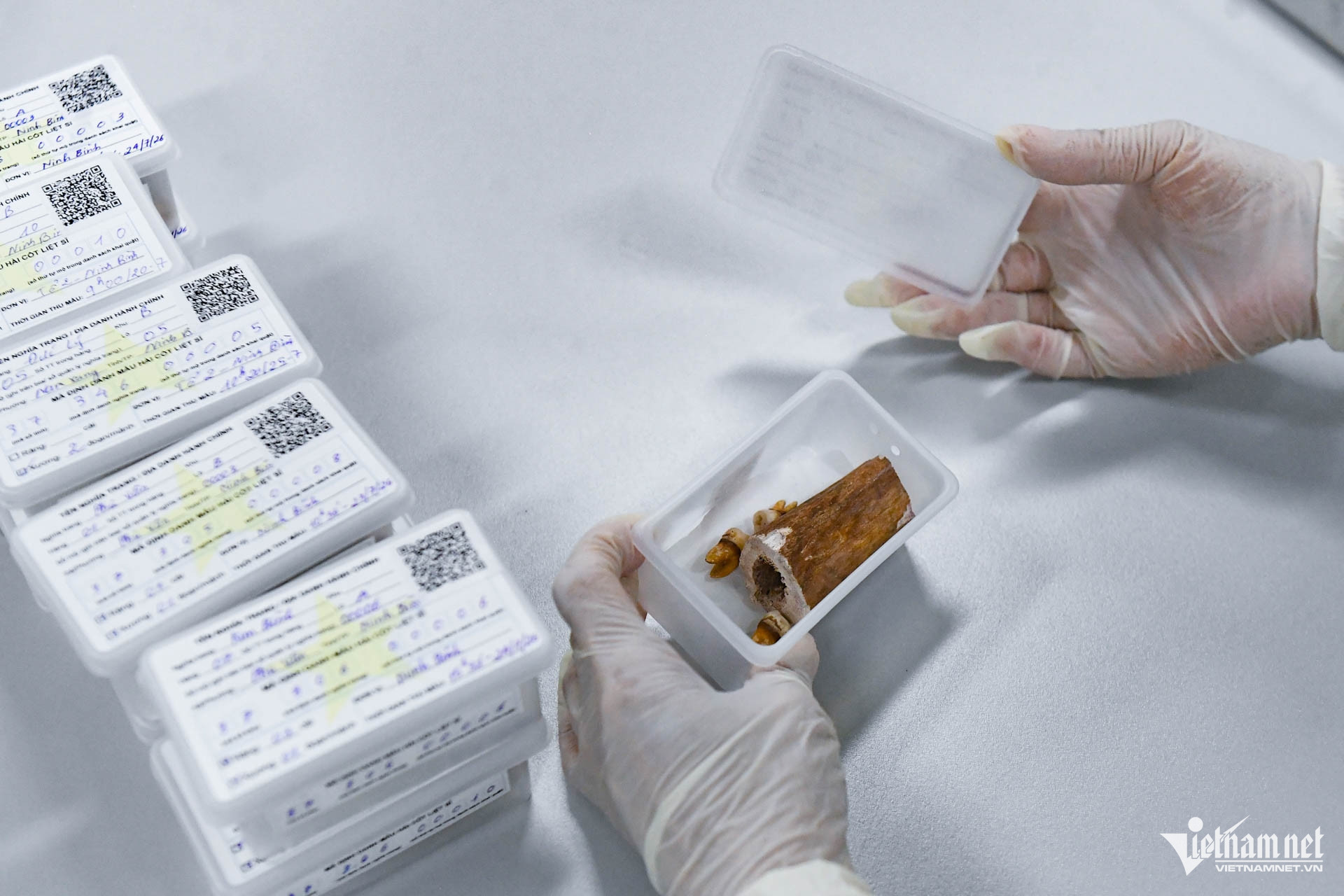
Processing such samples can take hours and requires considerable technical expertise, patience and precision.
"Every sample brought here represents the tremendous effort of those who searched for and recovered the remains in localities and military units. That is why we put our hearts into preserving them under the best possible conditions," Que said.
Each sample container carries a QR code. Scanning it with specialized management software displays information about the recovery location, the unit responsible for handing over the sample, the number of samples and the personnel who processed them.
The institute currently operates two storage areas, one for ultra-low-temperature preservation and another for cool storage.
Together, they can accommodate up to 110,000 samples, with a daily reception and preservation capacity of approximately 350-400 samples.
The entire sample management process has been digitized.
Through a monitoring system, staff can track the quantity and location of individual samples, along with temperature and humidity conditions inside storage facilities.
From storage to the laboratory, every sample passes through rigorous control procedures.
All handovers, transfers and receptions are recorded directly in the system to ensure accuracy, maintain security and prevent mix-ups during identification.
DNA testing offers hope of identifying soldiers lost for decades
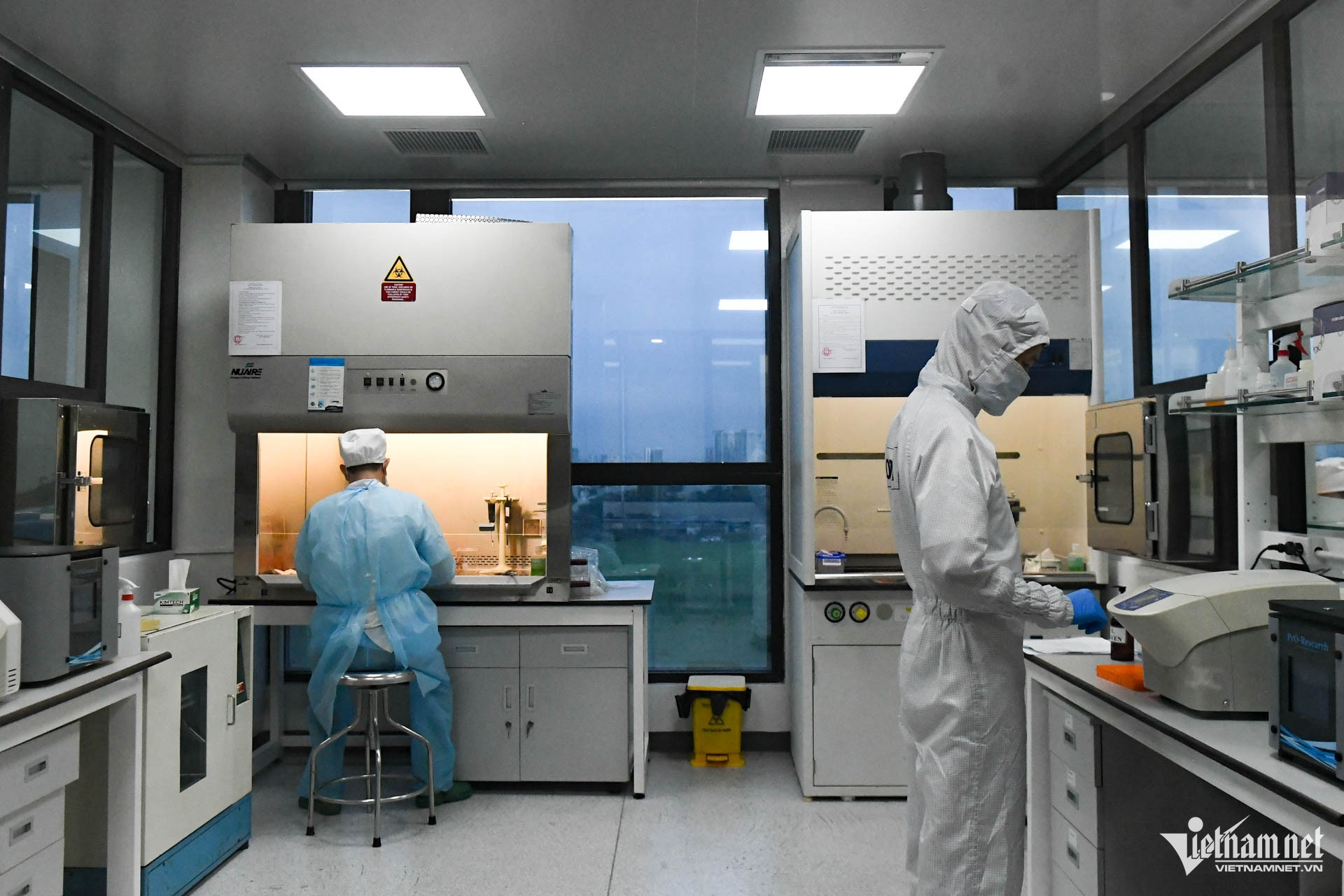
According to Lieutenant Colonel Nguyen Thi Ngoc Anh, head of the institute's Biological Testing Department, specialists currently use mitochondrial DNA analysis with capillary sequencing technology.
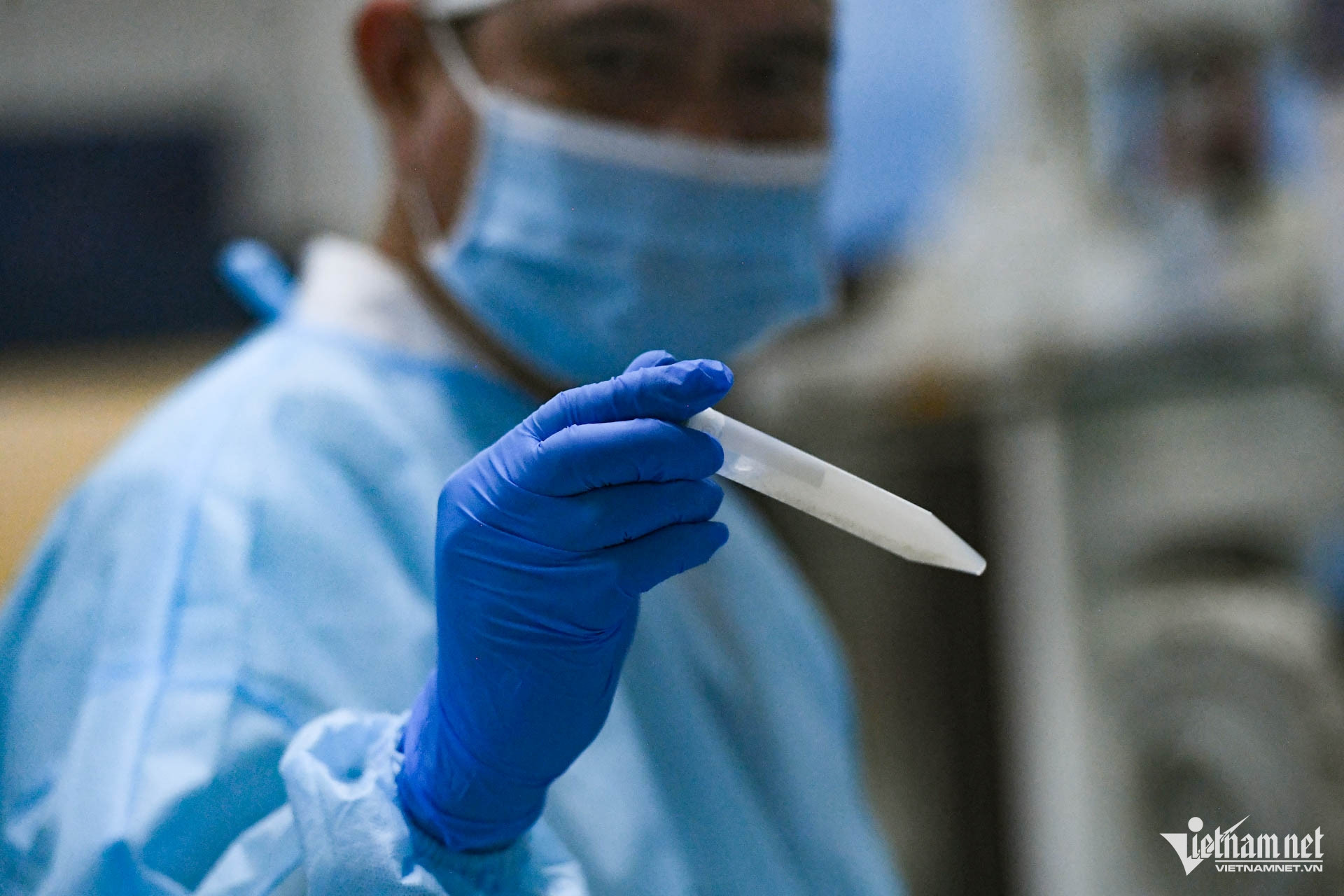
Bone and tooth samples are first ground into fine powder. Chemical reagents are then used to break down the material and extract DNA.
The extracted DNA undergoes amplification to increase the amount of genetic material available for analysis.
Technicians subsequently examine the amplification results, carry out sequencing and analyze the resulting data using specialized software.
Before processing begins, each sample is received and inspected by technicians and forensic examiners, who check its condition and seals.
If a sample fails to meet the required standards, the specialist team documents the issue and handles it in accordance with established procedures.
"Biological samples from fallen soldiers' remains often contain very little DNA and are highly vulnerable to contamination from human sources and the surrounding environment. Everyone involved in the testing process must therefore undergo thorough theoretical and practical training," Anh explained.
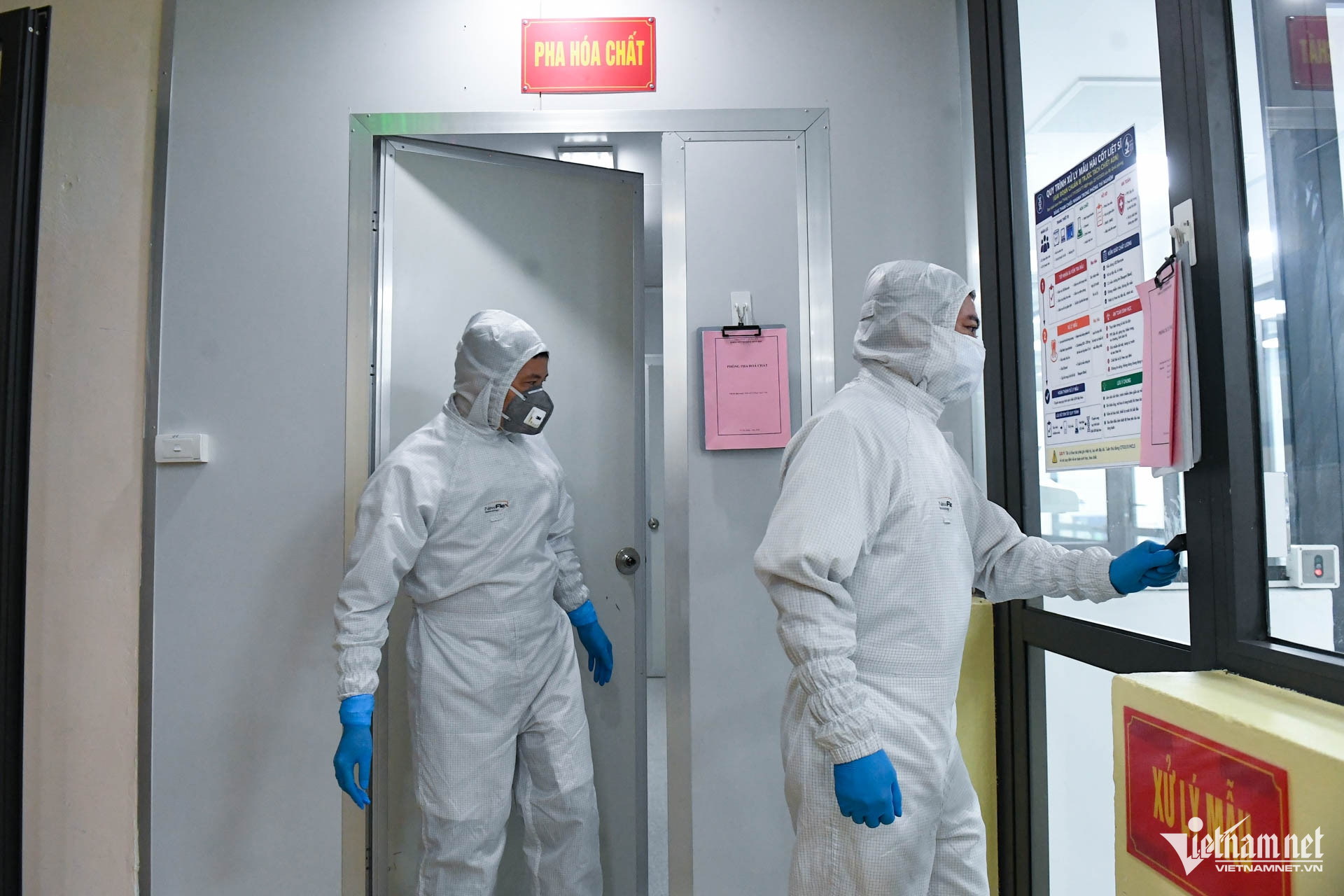
To prevent cross-contamination, the institute's laboratories and functional areas are strictly isolated from the outside environment.
Individual testing chambers are separated, while technicians and forensic examiners must comply with stringent protective clothing requirements.
The laboratory system follows a one-way workflow.
Personnel working in areas with high DNA concentrations are not permitted to move back into areas with lower concentrations, reducing the risk of contaminating sensitive samples.
"For us, simply finding DNA in a sample is already a moment of happiness. When we identify a fallen soldier, it feels as though we have found a missing family member and brought them home," Anh said.
Expanding DNA testing capacity to restore lost identities
Colonel Dr. Nguyen Van Loi, Director of the Military Institute of Forensic Medicine, said additional equipment and personnel from units under the Military Medical Department and the institute's specialist departments have helped increase testing capacity.
Under the 500-day-and-night campaign, annual testing capacity has risen from 400 to more than 800 samples.
The institute is also developing a new storage facility designed to accommodate 300,000-400,000 samples, with completion expected around July 27, 2027.
The facility will incorporate stringent controls over temperature, humidity and microclimatic conditions to ensure long-term preservation and maintain the highest possible sample quality.
Adopting new technologies, including next-generation DNA sequencing, requires highly qualified personnel.
The institute is therefore sending staff for training in Vietnam and abroad while expanding international cooperation to accelerate technology transfer.
Loi said every sample arriving at the institute is precious because it carries the hope of identifying a fallen soldier.
Yet the identification process remains extremely challenging.
Many remains have been buried for decades, resulting in severe deterioration of biological material. Vietnam's weather, climate and soil conditions can further damage DNA quality.
"Some samples have to be tested repeatedly, yet we still cannot obtain a result," Loi said.
These challenges make every successful identification particularly meaningful.
Each result reflects the persistence and dedication of military personnel working to overcome scientific limitations, while offering families renewed hope of learning what happened to their loved ones.
"Whenever DNA bands or sequences appear, we are overjoyed. The feeling is difficult to describe, almost as though we have overcome our own limits," Loi said. "Above all, when we correctly identify a fallen soldier and return the remains to their relatives, we feel an extraordinary sense of happiness and pride."
According to the institute's director, these moments provide the motivation for officers and soldiers to continue working day and night, overcoming technical challenges in their mission to honor those who sacrificed their lives and restore their rightful names.
Thach Thao - Kieu Oanh

