 Vietnamnet.vn

 Podcast


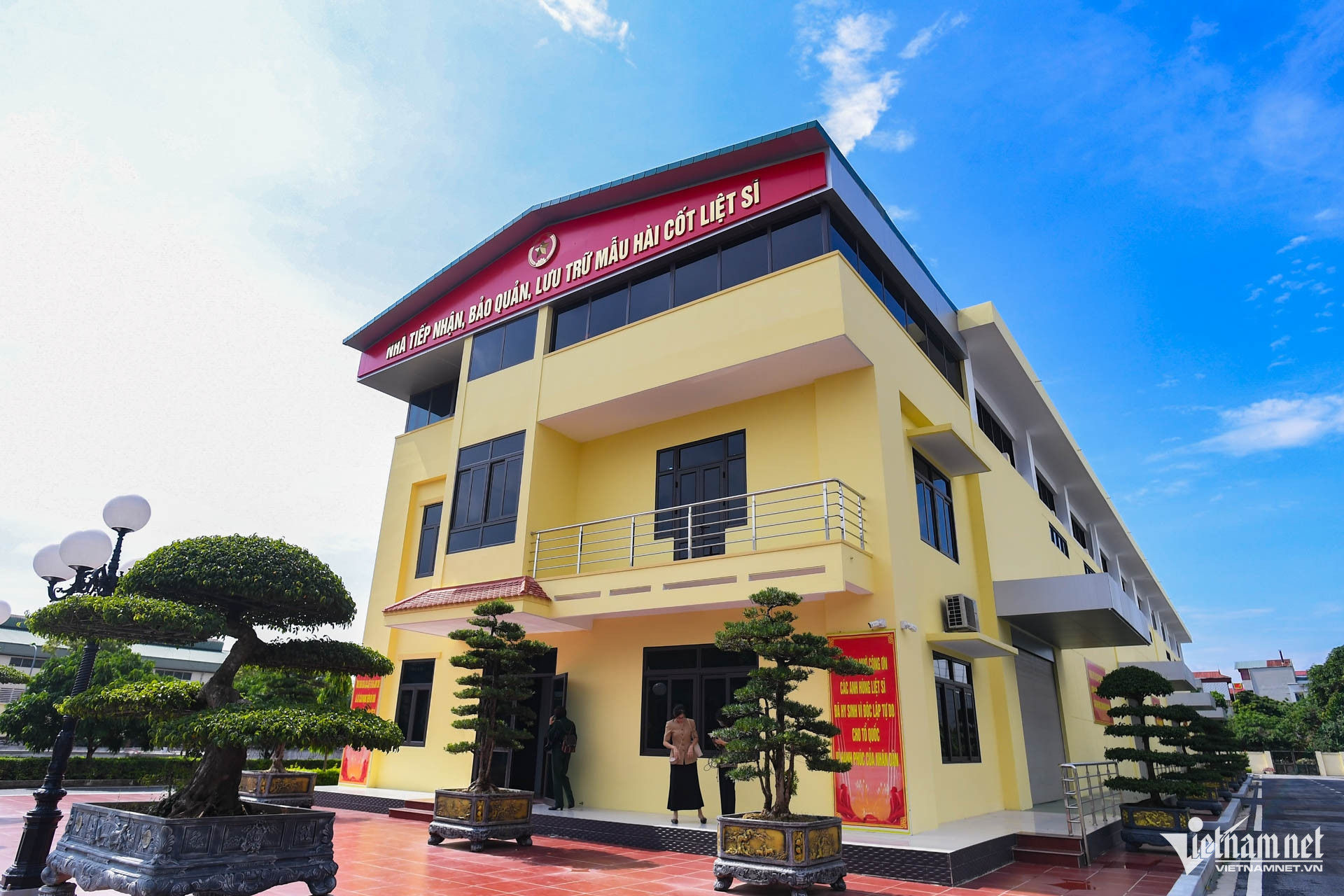
The Military Forensic Institute, under the Military Medical Department of the General Department of Logistics and Technical Services at the Ministry of National Defense, operates the country's largest facility for preserving biological samples collected from the remains of fallen soldiers.
Major Nguyen Tuan Anh, head of the storage team at the institute's Examination Department, said more than 80,000 samples had been received from provinces and cities nationwide. Of these, over 30,000 have been placed in temperature-controlled storage.
The institute currently operates two storage areas, one maintained at ultra-low temperatures and the other at cool temperatures. Together, they have a capacity of up to 110,000 samples, the largest in Vietnam, and can process approximately 350-400 samples daily.
How the remains are prepared for long-term preservation
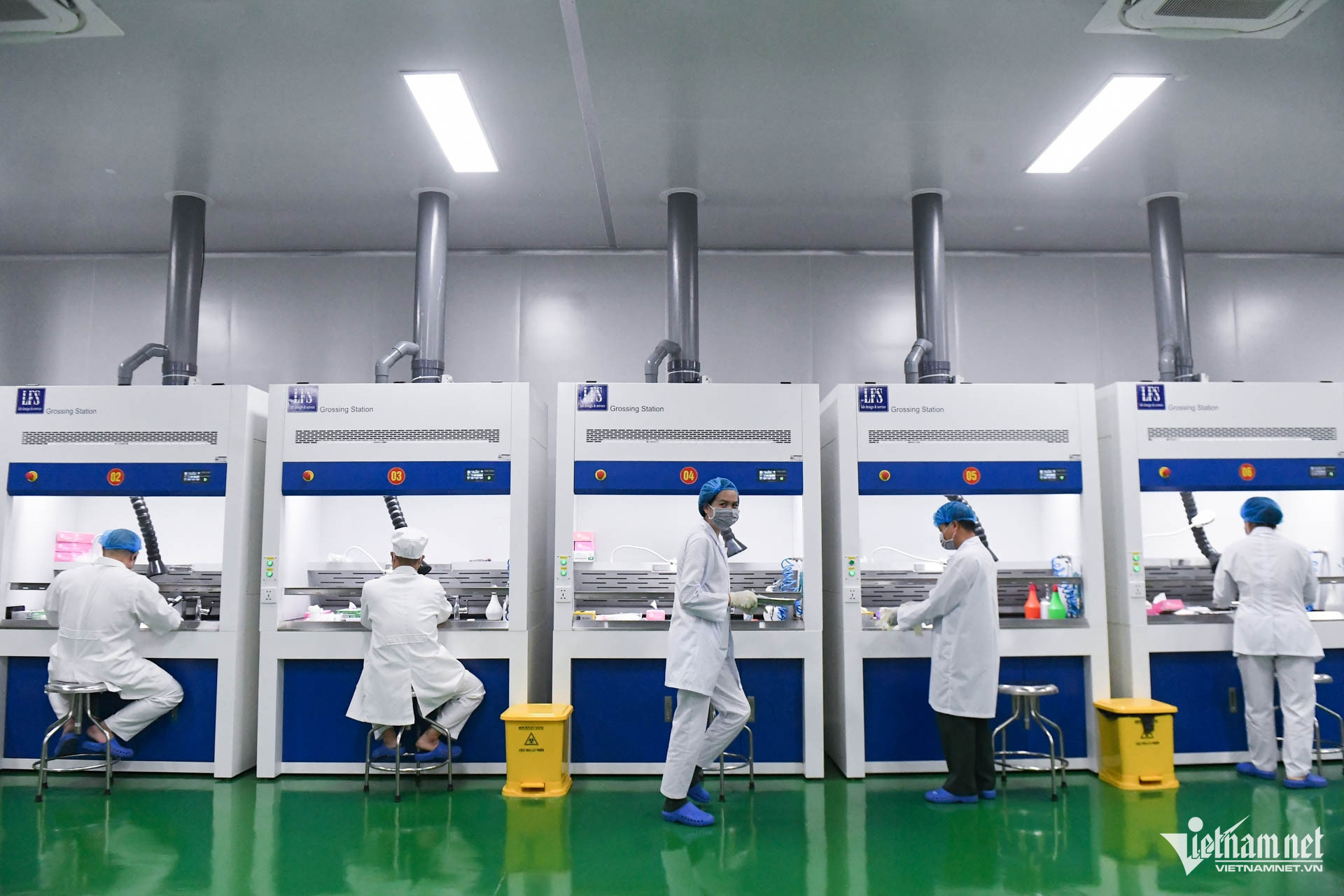
At the sample reception area, biological specimens recovered from fallen soldiers' remains undergo careful treatment before being transferred to storage cabinets.
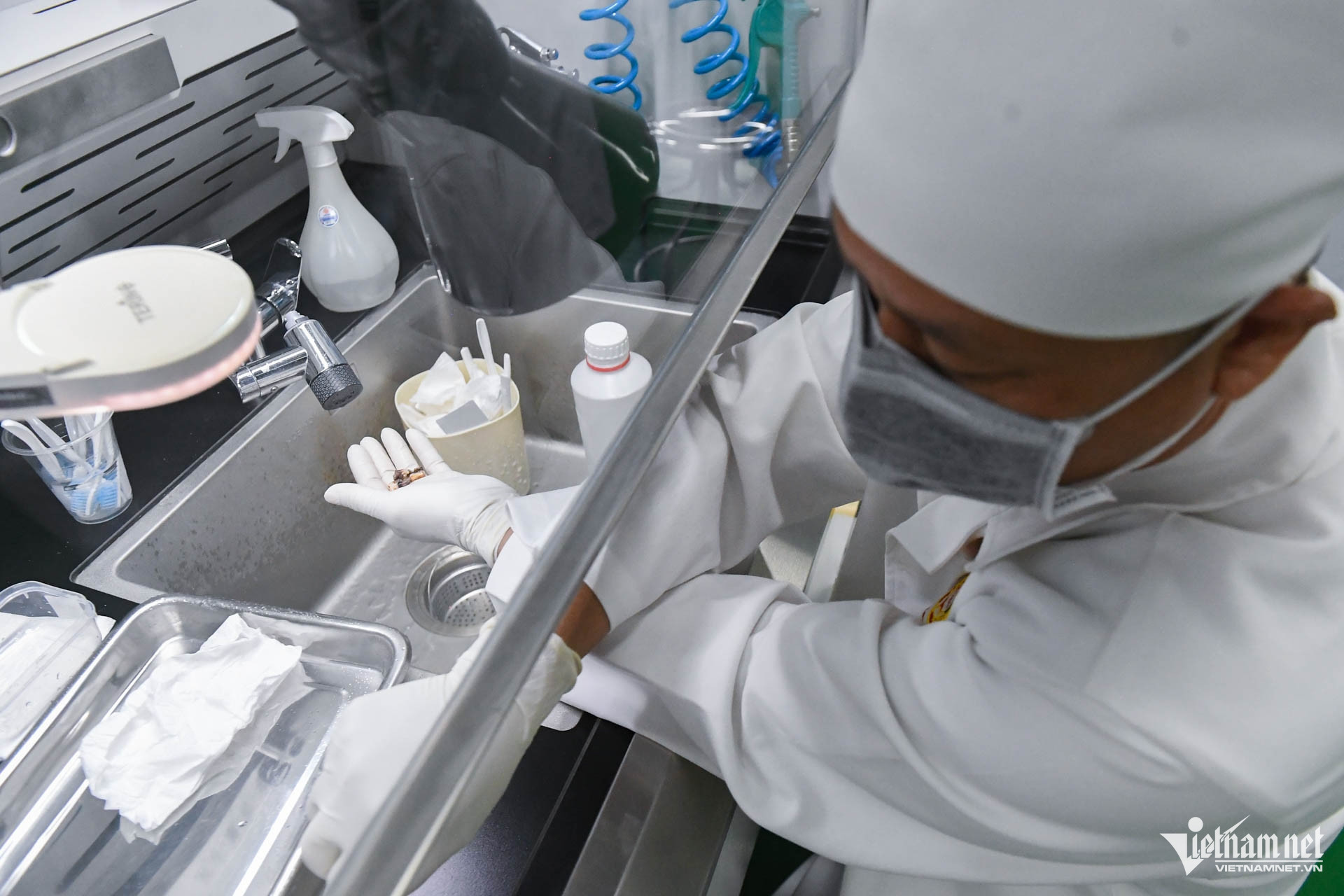
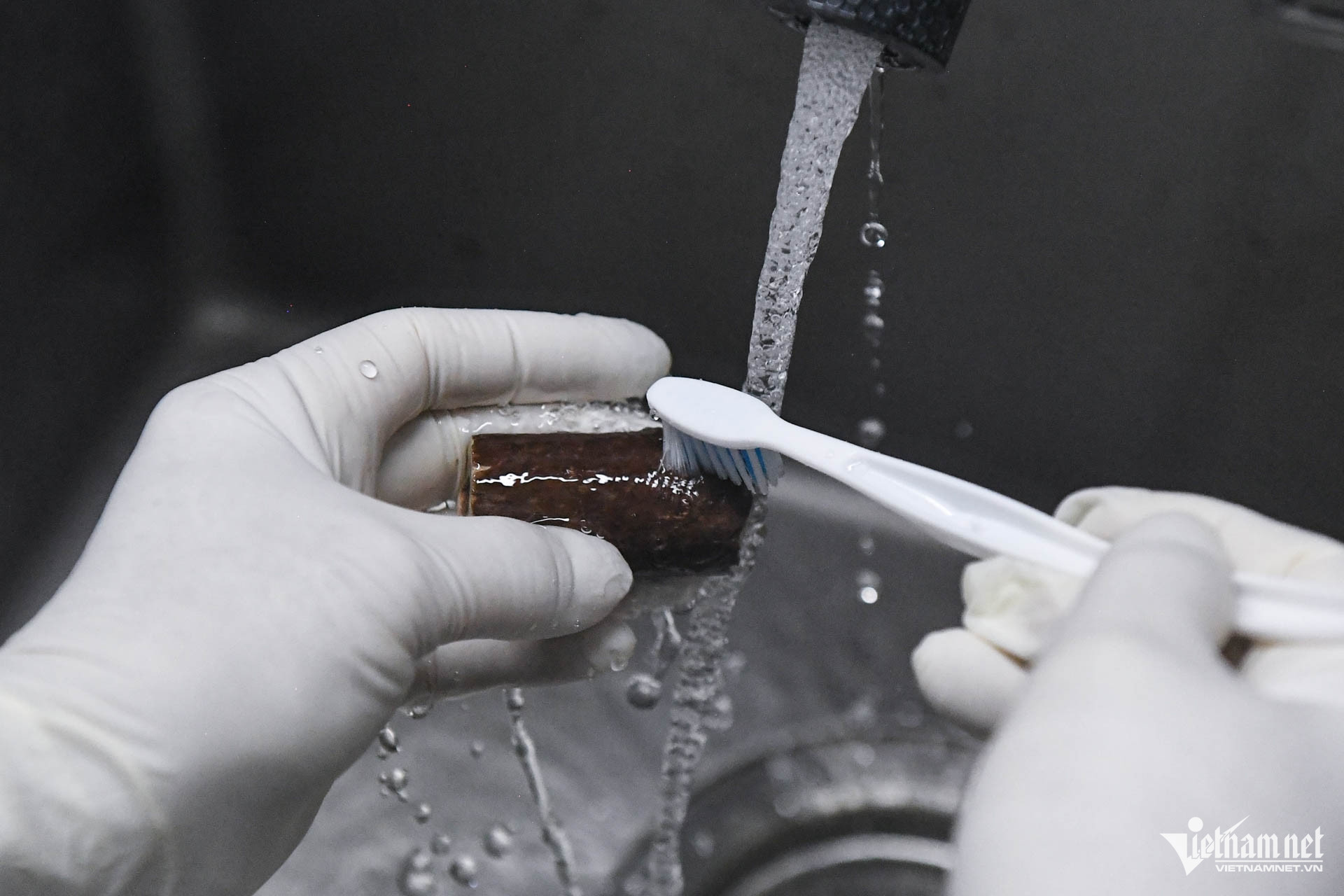
Major Le Thi Huong Lien of the institute's Examination Department explained that the samples are first mechanically cleaned and then soaked in a sodium hypochlorite solution to prevent fungal growth deep within the material and enable long-term preservation.
The specimens are subsequently rinsed with water and alcohol for disinfection.
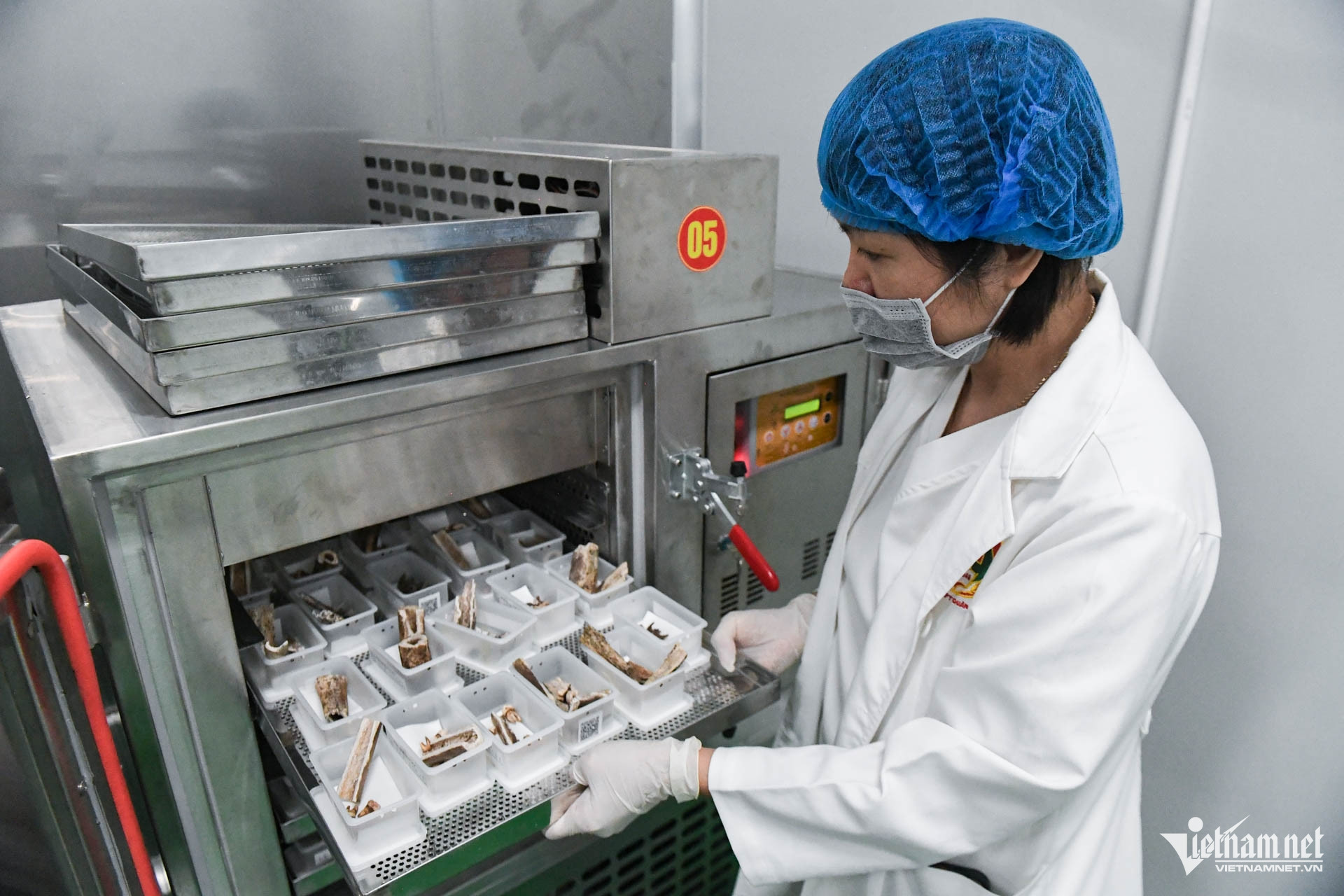
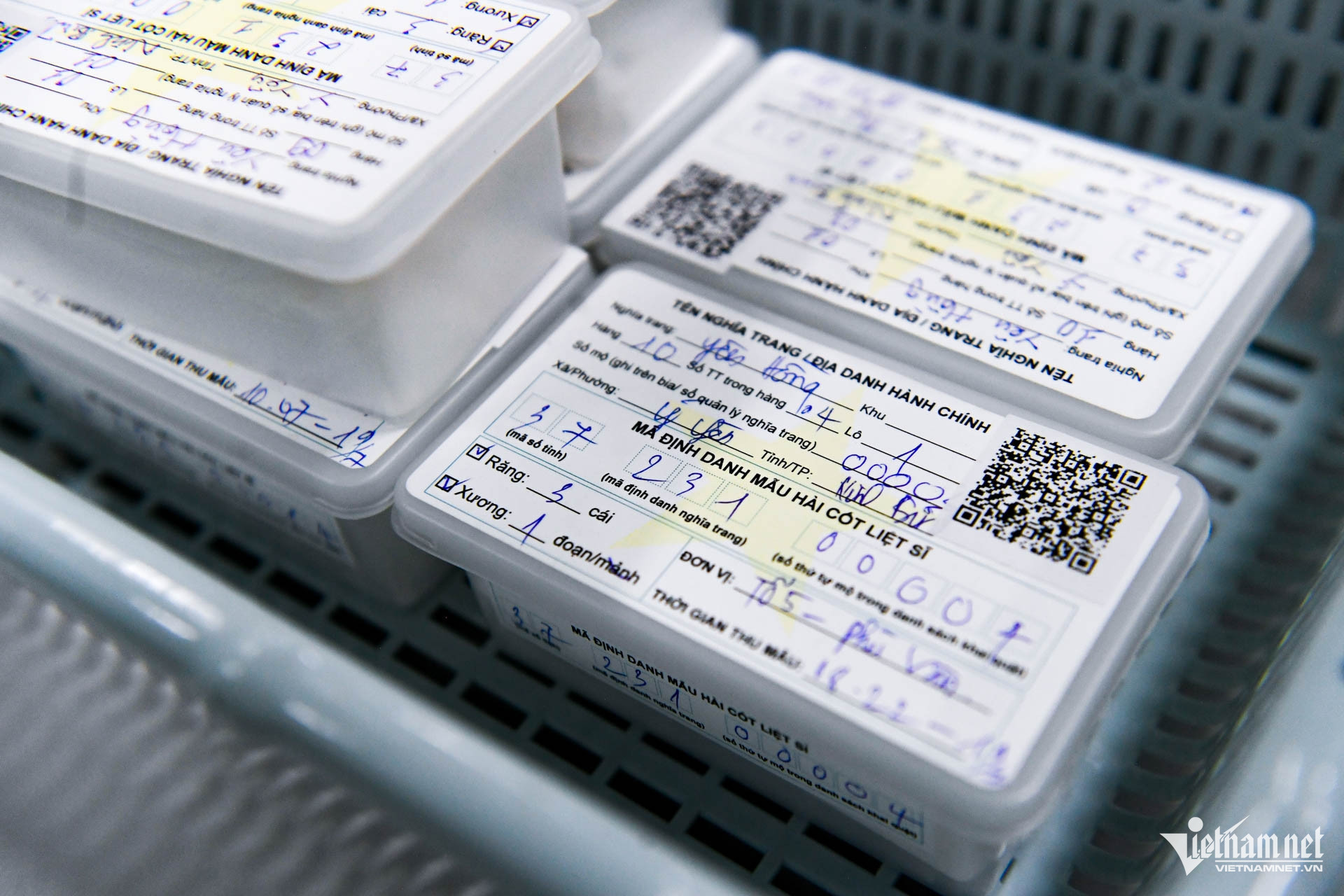
Once treated, they are dried, assessed for quality, packaged, assigned location codes and handed over to the storage facility.
Inside the temperature-controlled storage facility
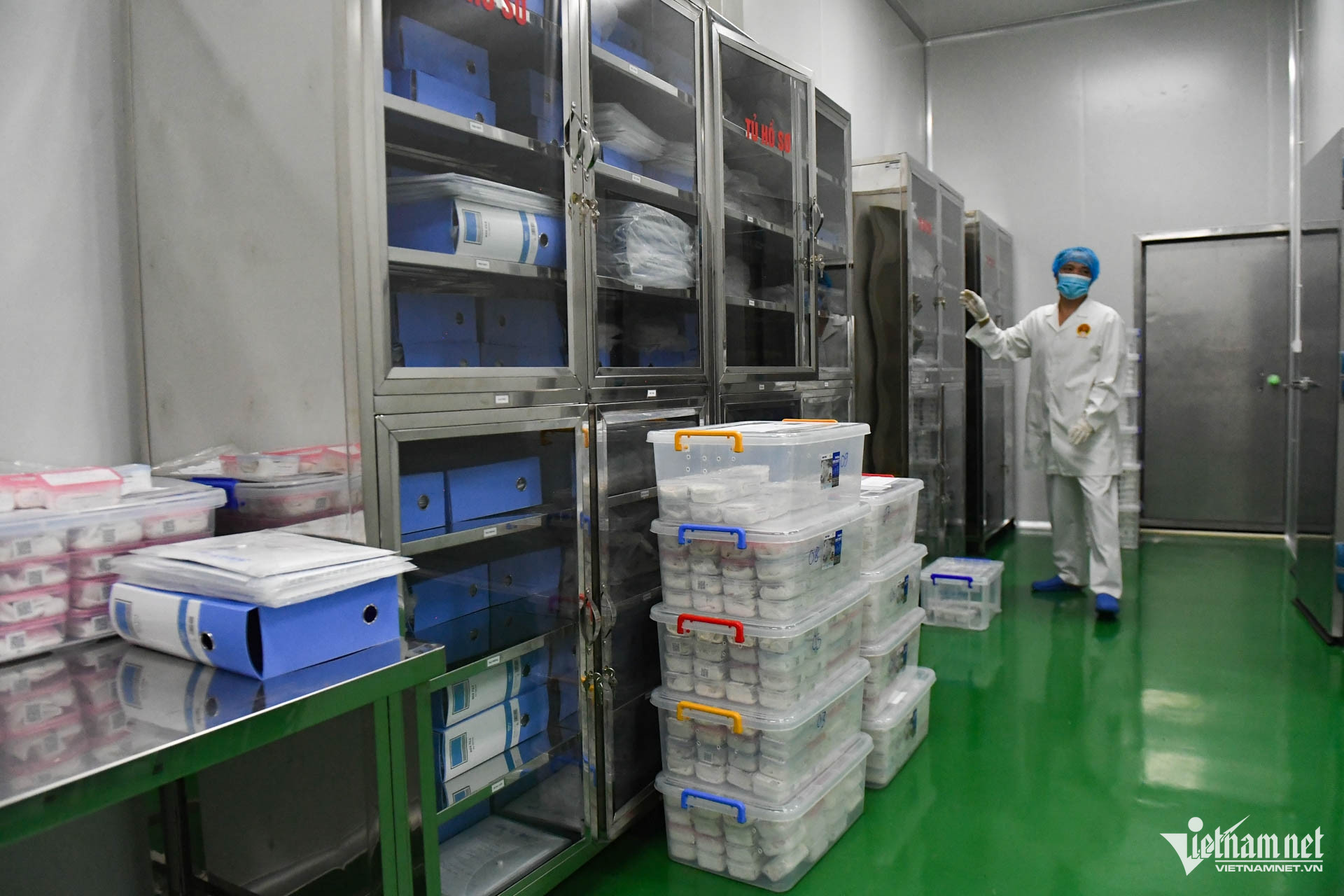
The cool-temperature storage area alone can accommodate approximately 105,000 samples.
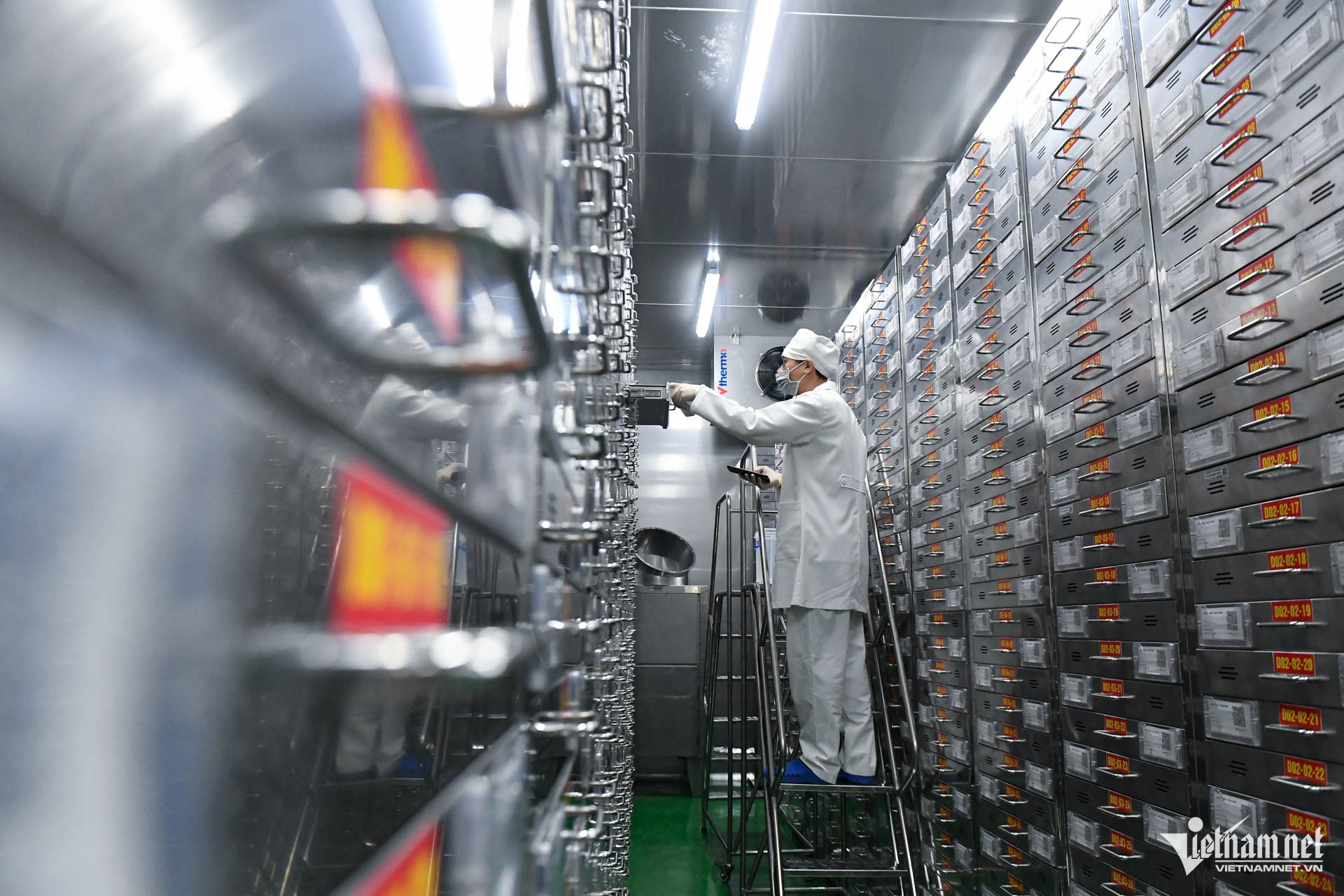
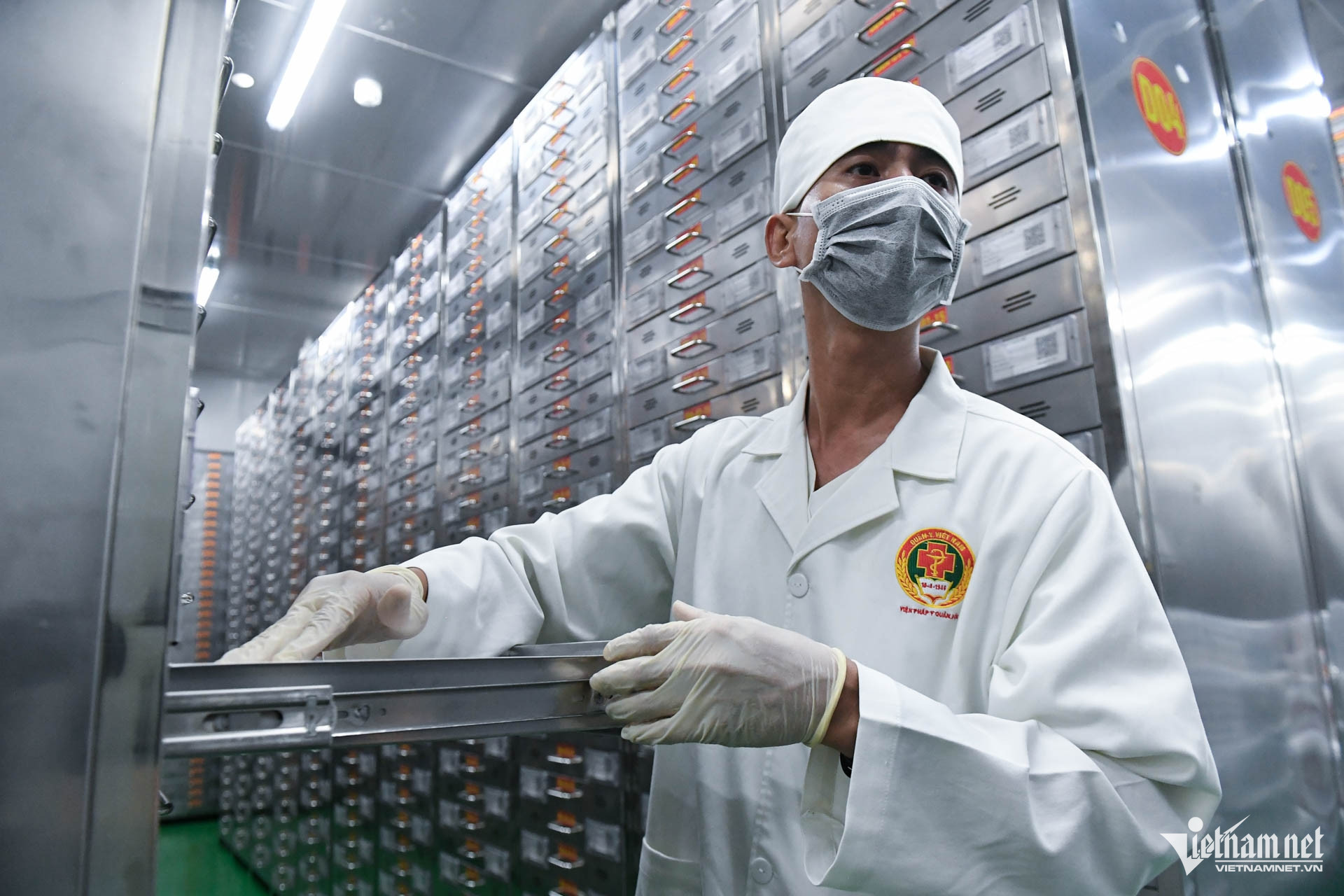
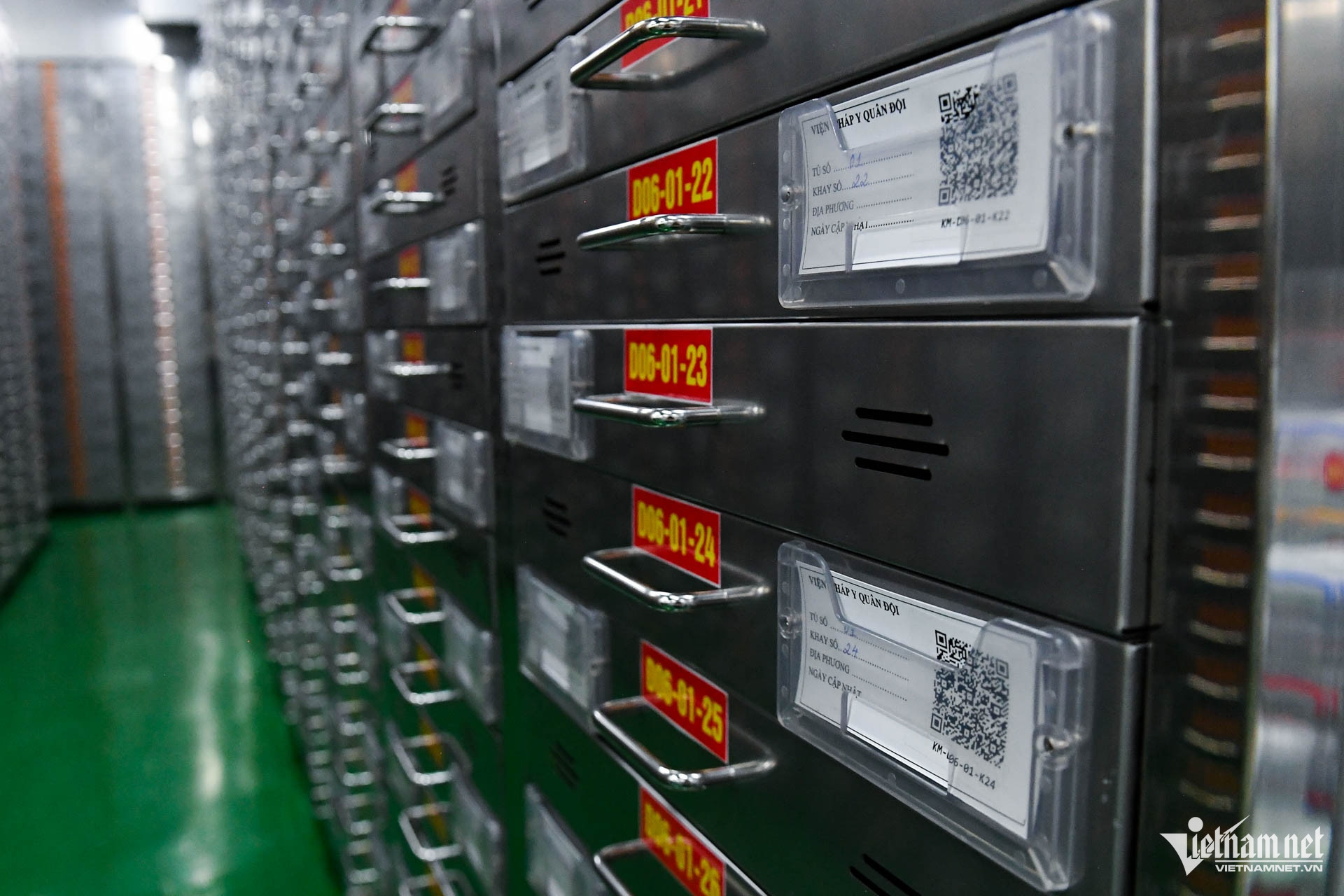
Inside, rows of cabinets rise almost to the ceiling, each numbered and marked with its own QR code.
Biological samples from fallen soldiers' remains are stored in 150 cabinets. Each cabinet contains 35 trays, with 20 compartments per tray, allowing it to hold 700 samples.
The specimens are regularly inspected to ensure they remain in optimal condition before being transferred to laboratories for analysis.
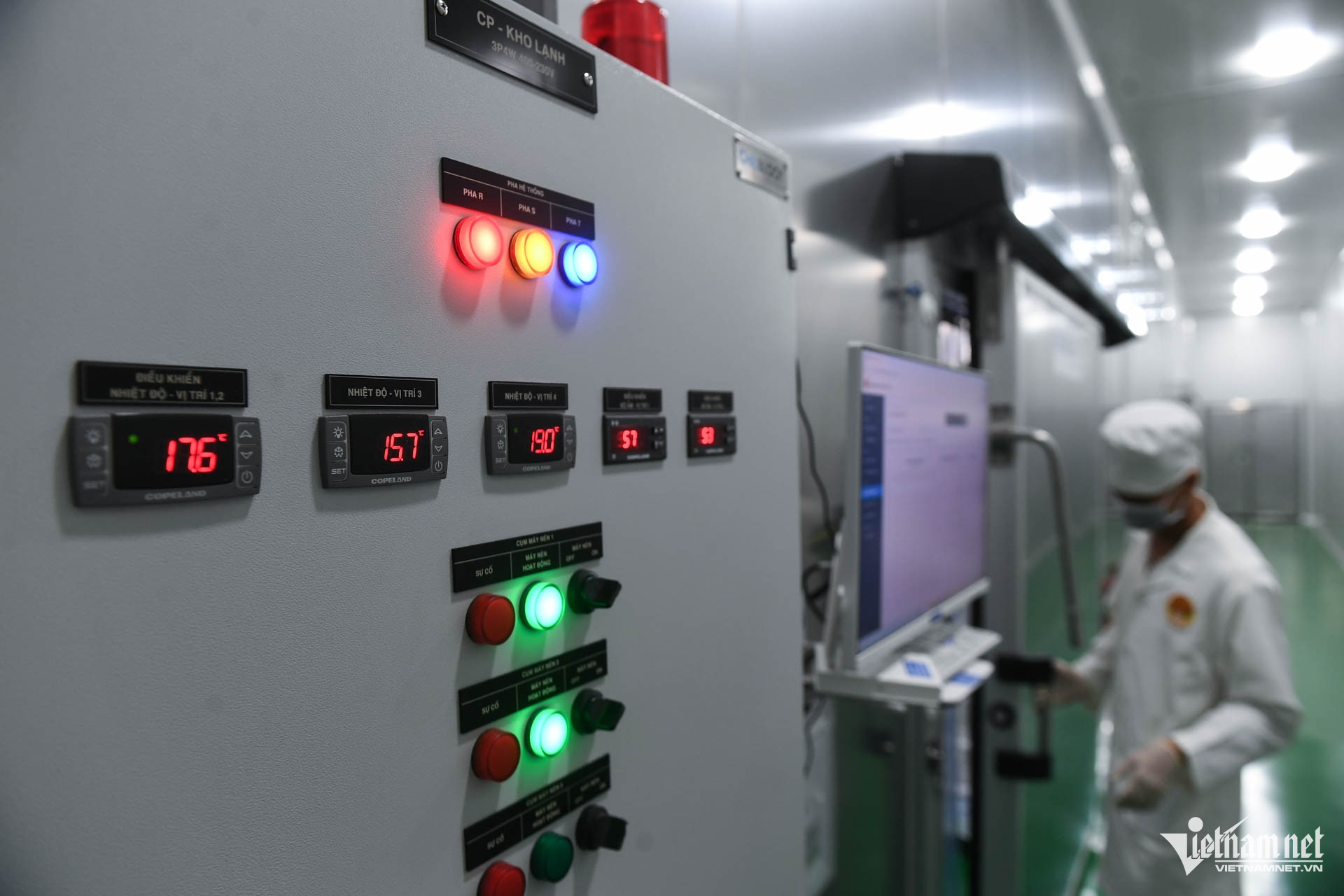
Temperatures are maintained between 15°C and 20°C, while relative humidity is kept at 45-55%.
These environmental conditions are carefully calculated and strictly monitored to prevent mold growth, protect the specimens from deterioration and maximize their preservation period.
Digital tracking ensures every sample is accounted for
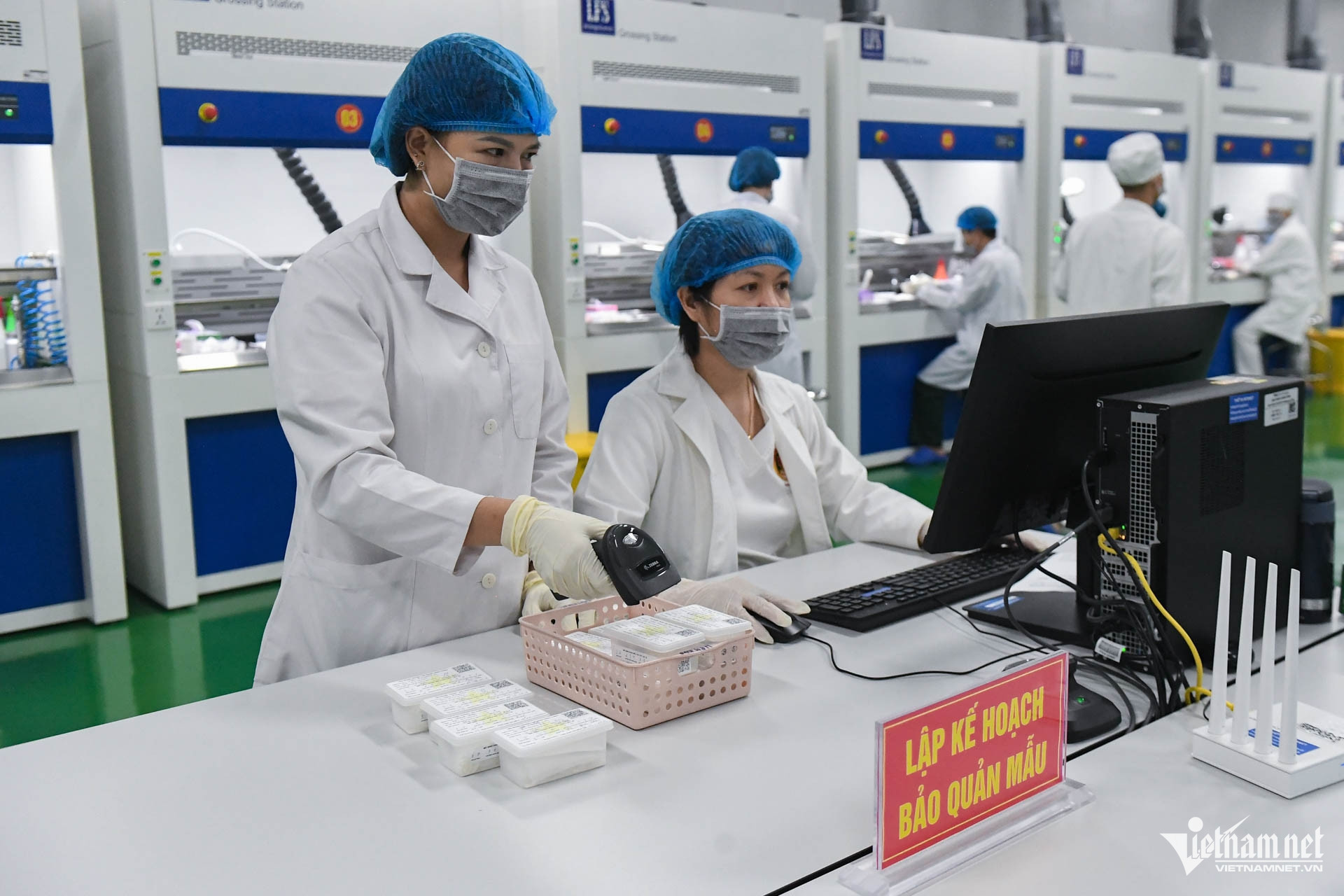
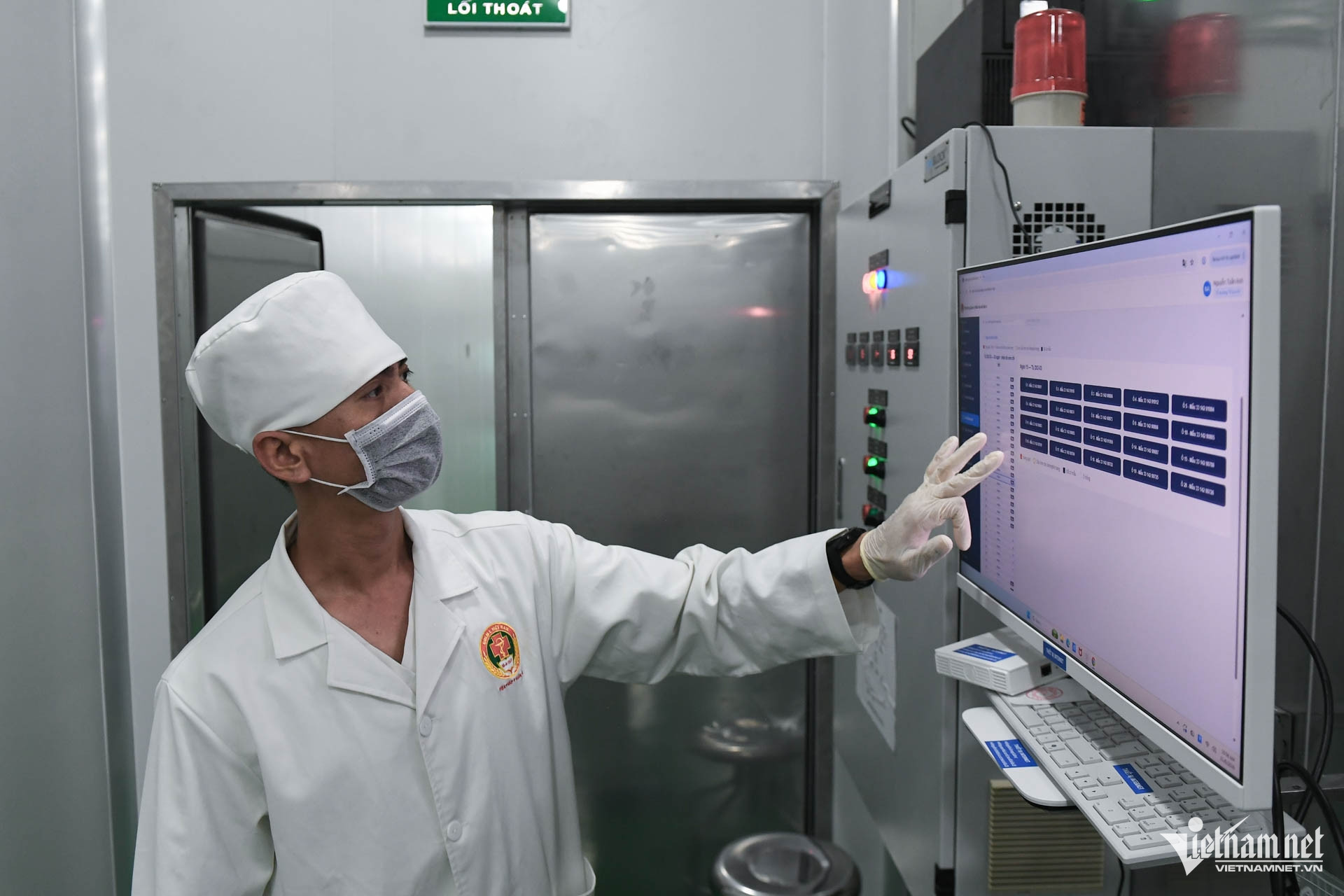
Sample management at the facility is fully digitized.
A large screen outside the storage area displays key information, including the number of samples received, the number currently in storage, daily processing figures, sample quality and temperature readings.
According to Major Nguyen Tuan Anh, every transfer of a specimen from storage to a laboratory must be recorded in the digital system.
Only authorized personnel can carry out these procedures, ensuring that each sample can be monitored, managed and traced throughout the process.
For the military officers and personnel working at the facility, however, the responsibility extends far beyond technical procedures.
Every biological sample arriving for preservation is handled with particular care and respect, reflecting the sacrifice of the soldier whose remains it represents.
"I feel deeply honored and proud to be entrusted with this responsibility. Every time I hold a sample in my hands, I am moved as I think of the heroes who bravely sacrificed their lives," Major Nguyen Tuan Anh said.
Thach Thao - Kieu Oanh

