 Vietnamnet.vn

 Podcast



The Xip Xi festival of the White Thai people in northwestern Vietnam comes just after the season’s main farm work is finished. Behind its rituals lies a folk tale passed down through generations about children who once spent their days tending buffaloes.
Honoring the buffaloes
The White Thai celebrate Xip Xi every year on the 14th day of the seventh lunar month. In the Thai language, “Xip Xi” means the 14th day.
By then, families have completed the main work of the farming season. Work in the fields is briefly set aside, and cattle and buffaloes are given time to rest. Villagers perform a ritual marking the laying aside of plows and harrows, while also honoring the spirits of their buffaloes - animals traditionally regarded as the foundation of a farming household and companions in the hard work of each crop season.
Xip Xi is also a time for the White Thai to look back to their roots, remembering their ancestors, deities and those credited with opening up the mountains and establishing their villages.
The festival therefore bears the unmistakable imprint of a way of life rooted in farming and the rice fields. It arrives at a moment when both people and animals need a pause before preparing for the next stage of the agricultural season.
Xip Xi and the story of the buffalo-herding children
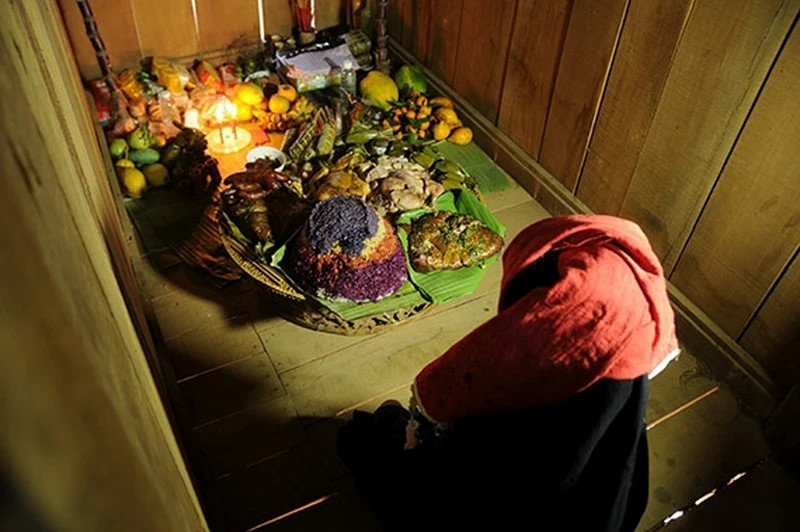
For Xip Xi, families prepare familiar local foods such as duck, grilled fish, banh it uoi - a traditional sticky-rice cake - and five-colored sticky rice as offerings on ancestral altars.
Duck is particularly common on the ceremonial tray. According to folk belief, eating duck helps carry away misfortune. The image of ducks foraging in the fields and feeding on insects is also associated with the hope that crops will be protected.
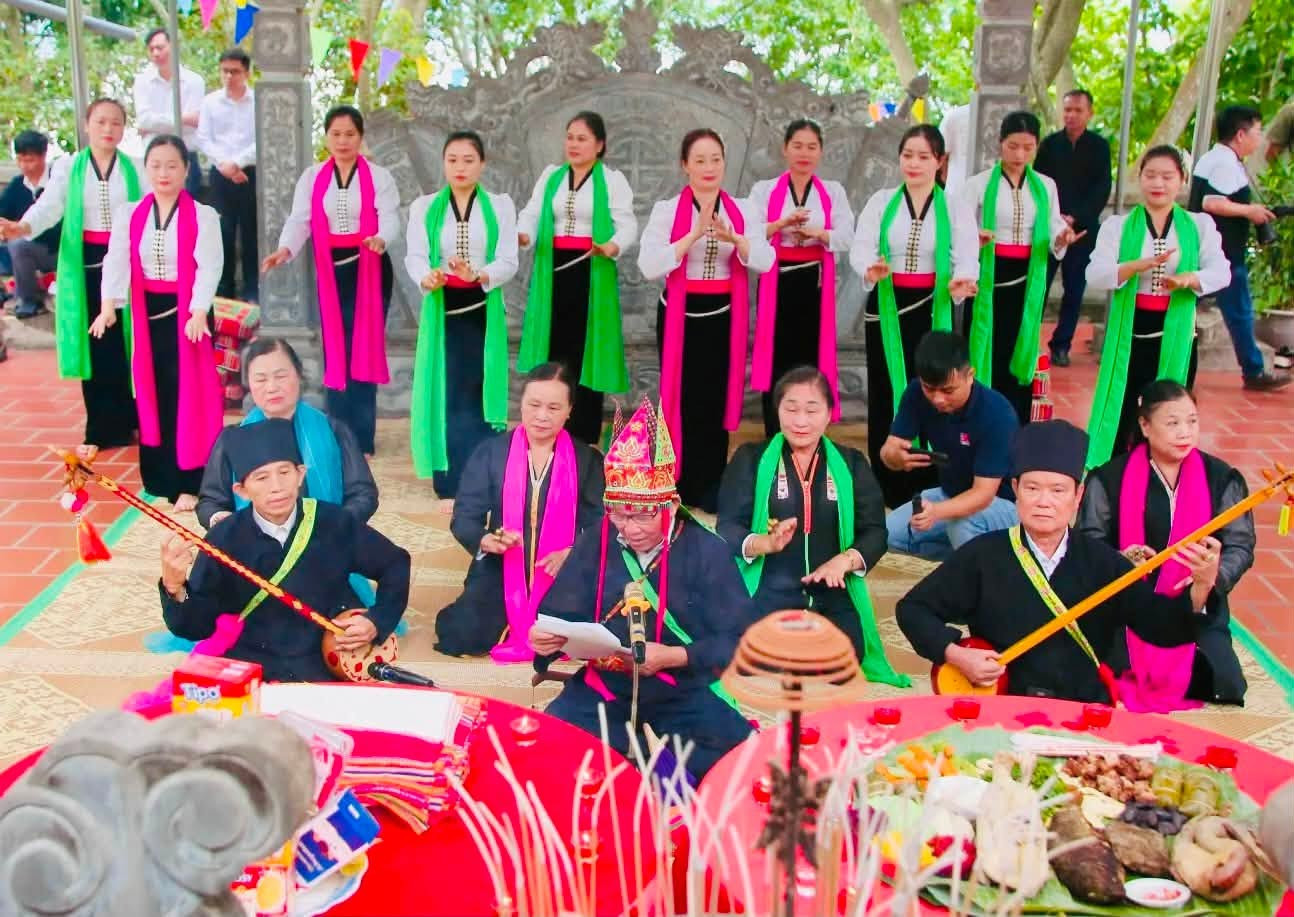
Through these offerings, the White Thai express gratitude to their ancestors and deities while praying for favorable weather, thriving crops free from pests and disease, and a peaceful life.
Beyond the feast and rituals, Xip Xi also evokes a folk story handed down orally by village elders.
Dinh Thi Thu, a resident of Um village in Phu Yen commune, recounts the story.
In the old days, tending buffaloes was usually a job for children. On the 14th day of the seventh lunar month, while adults in the village prepared feasts to celebrate the end of the farming season, the children still had to roam the fields with their buffaloes.
Feeling they were missing out, the children came up with a plan. They gathered vines from the forest and tied the buffaloes’ mouths shut so the animals could not eat.
When the adults saw the hungry buffaloes, they understood the message. They brought sticky rice, chicken and banh it cakes out to the fields to share with the young herders.
From then on, the White Thai developed a custom of buying new clothes for their children and giving them sticky rice and cakes during Xip Xi. The festival became an occasion for adults to show particular affection and care for the younger generation.
It is a simple story, yet one that captures something deeply tender about the festival. After months of hard work, the adults had their celebration, but the children were not forgotten. Those who spent their days following buffaloes across the fields also received their share of sticky rice and cakes, along with new clothes.
Xip Xi, then, is about more than the close of another farming season. It carries gratitude for those who came before, hopes for the crops to come, and a celebration of childhood woven into the life of the community.
Viet Ha
.svg)
