 Vietnamnet.vn

 Podcast



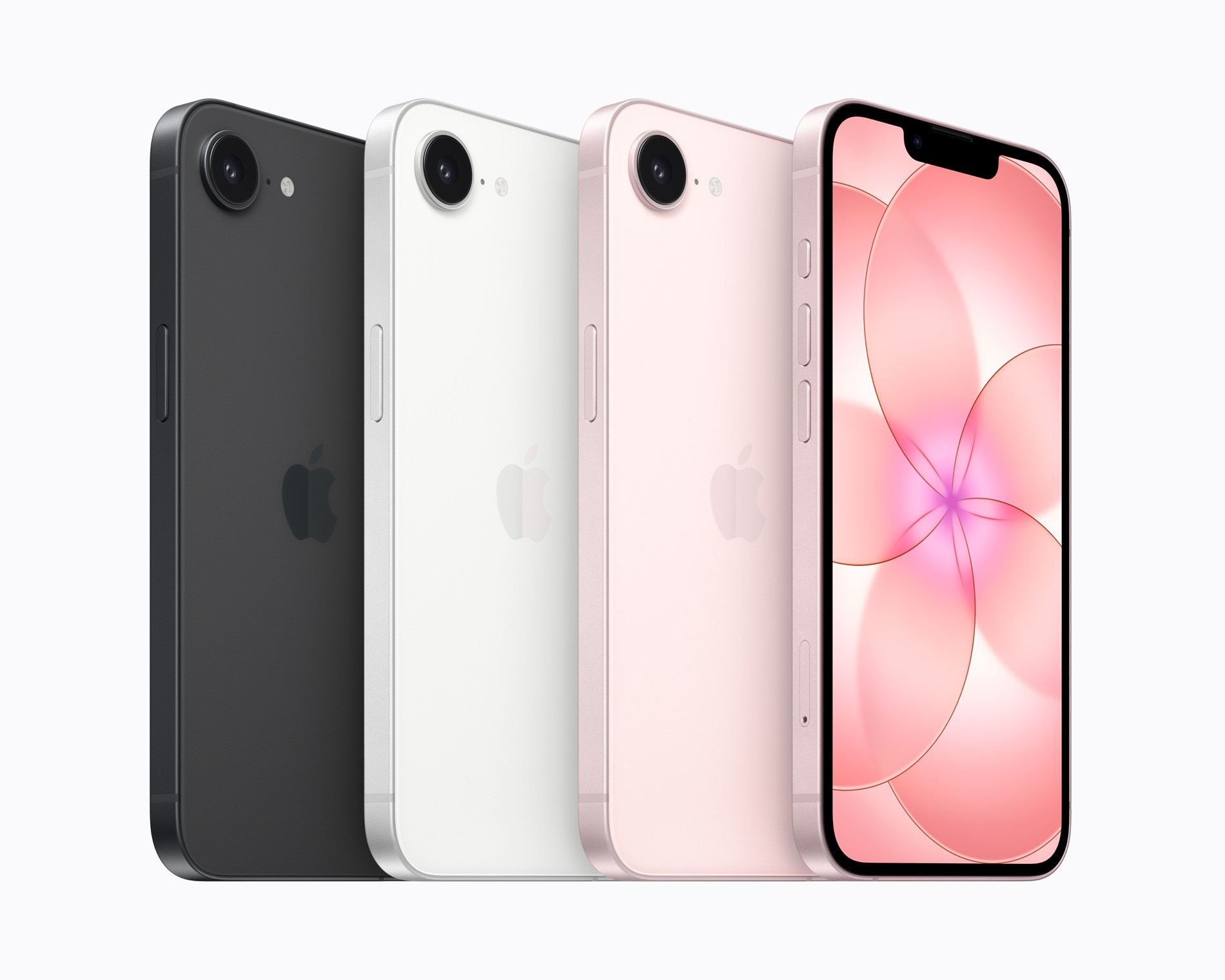
Apple has officially unveiled the iPhone 17e, the successor that appears to address nearly all of the shortcomings of its predecessor, the iPhone 16e.
Notably, the iPhone 17e retains the same starting price of US$599, yet introduces a range of meaningful upgrades that make it one of the most compelling options in the midrange segment. MagSafe, long missing from the lineup, has finally arrived.
Design and size: No change, still premium
In terms of appearance, the iPhone 17e looks almost identical to the iPhone 16e. Apple has not changed the design language or overall dimensions, and in reality, that is not a drawback.
The iPhone 16e already carried the signature iPhone design, offering a premium feel that exceeded expectations for its price without any major aesthetic compromises.
Users will still find a 6.1-inch display, an aluminum frame and glass on both sides. The device remains 7.8mm thin and weighs just 167g. Both models are rated IP68 for water and dust resistance, providing reassurance in everyday use, although intentionally submerging the device is never recommended.
In terms of colors, alongside the familiar black and white options, the iPhone 17e introduces a light pink variant, adding a fresher and more youthful touch to the lineup.
Display: Still 60Hz but significantly more durable
The iPhone 17e continues to use the same 6.1-inch OLED Super Retina XDR display as its predecessor.
ProMotion technology with a higher refresh rate remains exclusive to the more expensive iPhone 17 models, meaning the 17e still operates at 60Hz.
Maximum brightness also remains largely unchanged. Both the iPhone 17e and 16e offer 800 nits of typical brightness, lower than the 1,000 nits found on the standard iPhone 17. Under strong sunlight, the screen may appear slightly dim.
However, a meaningful upgrade lies in the protective glass. The iPhone 17e is equipped with Ceramic Shield 2, replacing the first-generation Ceramic Shield used on the 16e. Apple says the new version is three times more durable.
Early experiences with the iPhone 17 lineup suggest the improved glass noticeably reduces scratches, to the point where some users might even consider skipping a screen protector.
The familiar notch remains on both devices and continues to house the Face ID system for biometric authentication.
Performance and software: A major leap with A19
The biggest difference lies in performance. The iPhone 17e features Apple’s latest A19 chip, the same platform used in the iPhone 17 but with one GPU core disabled.
Specifically, the 17e has four GPU cores instead of the five found in the standard model. Dedicated gamers might notice the difference, but for most everyday users, the performance remains more than sufficient.
The A19 is an extremely powerful chip for a US$600 device, especially in a segment where many Android competitors typically use significantly weaker processors.
The iPhone 17e also integrates Apple’s improved C1X modem, which enhances the energy efficiency of mobile connectivity.
Previously, the iPhone 16e was the first device to feature Apple’s in-house C1 modem.
The new device ships with iOS 26 and its Liquid Glass interface design. Meanwhile, the iPhone 16e has already received the same update.
Given Apple’s long-standing commitment to extended software support, users can expect years of updates for both devices.
Camera: A single lens, but capable
Like its predecessor, the iPhone 17e features a single 48MP rear camera. However, Apple has refined its image processing pipeline and improved portrait photography.
One unusual limitation on the iPhone 16e was that Portrait mode worked only with human subjects and not with pets. That issue has now been fixed, allowing users to capture portrait shots of both people and pets.
Although the device lacks the flexibility of a triple-camera system with advanced zoom capabilities and additional shooting modes, the single camera on the 16e already proved sufficient for everyday use.
With the 17e, photo quality and 4K video recording continue to perform well in typical scenarios.
The selfie camera remains unchanged, which is somewhat disappointing as the device does not include the square sensor used for the Center Stage feature found on the iPhone 17.
In addition, both models lack Cinematic Mode video recording, a feature that still requires upgrading to the standard iPhone 17.
Battery and charging: MagSafe makes a big difference
The battery capacity of the iPhone 17e is likely to remain at 4,005 mAh, the same as the 16e. Apple does not disclose the exact figure but states that video playback can reach up to 26 hours, similar to the previous generation.
With its compact size, the device comfortably lasts through a full day of typical use, though not significantly longer. Previous testing showed that the iPhone 16e achieved around 17.5 hours of web browsing, seven hours of online video streaming and nearly eight hours of 3D gaming.
The most important upgrade lies in MagSafe.
The iPhone 16e supported wireless charging but lacked the magnetic ring on the back, making accessories less convenient to attach.
On the iPhone 17e, MagSafe finally arrives, enabling secure attachment of accessories and doubling wireless charging speed to 15W.
The iPhone 17e is more than a minor upgrade. Increasing the base storage to 256GB while maintaining the US$600 price effectively sets a new standard in the midrange segment, where many competitors still offer only 128GB at the same price.
The powerful A19 chip, MagSafe support and Ceramic Shield 2 are subtle but highly meaningful improvements.
Of course, two compromises remain: the lack of an additional camera and the 60Hz display.
Even so, the overall package suggests the iPhone 17e will place significant pressure on midrange Android smartphones. In that competition, the ultimate beneficiary is the consumer, who gains access to increasingly capable devices at the same price point.
Hai Phong
.svg)
