 Vietnamnet.vn

 Podcast



At its September 2026 event, Apple unveiled only the iPhone 18 Pro, iPhone 18 Pro Max and foldable iPhone Duo. The standard iPhone 18 and iPhone 18e were absent.
Reports now suggest the two less expensive models will arrive in spring 2027.
Apple splits its iPhone launch schedule
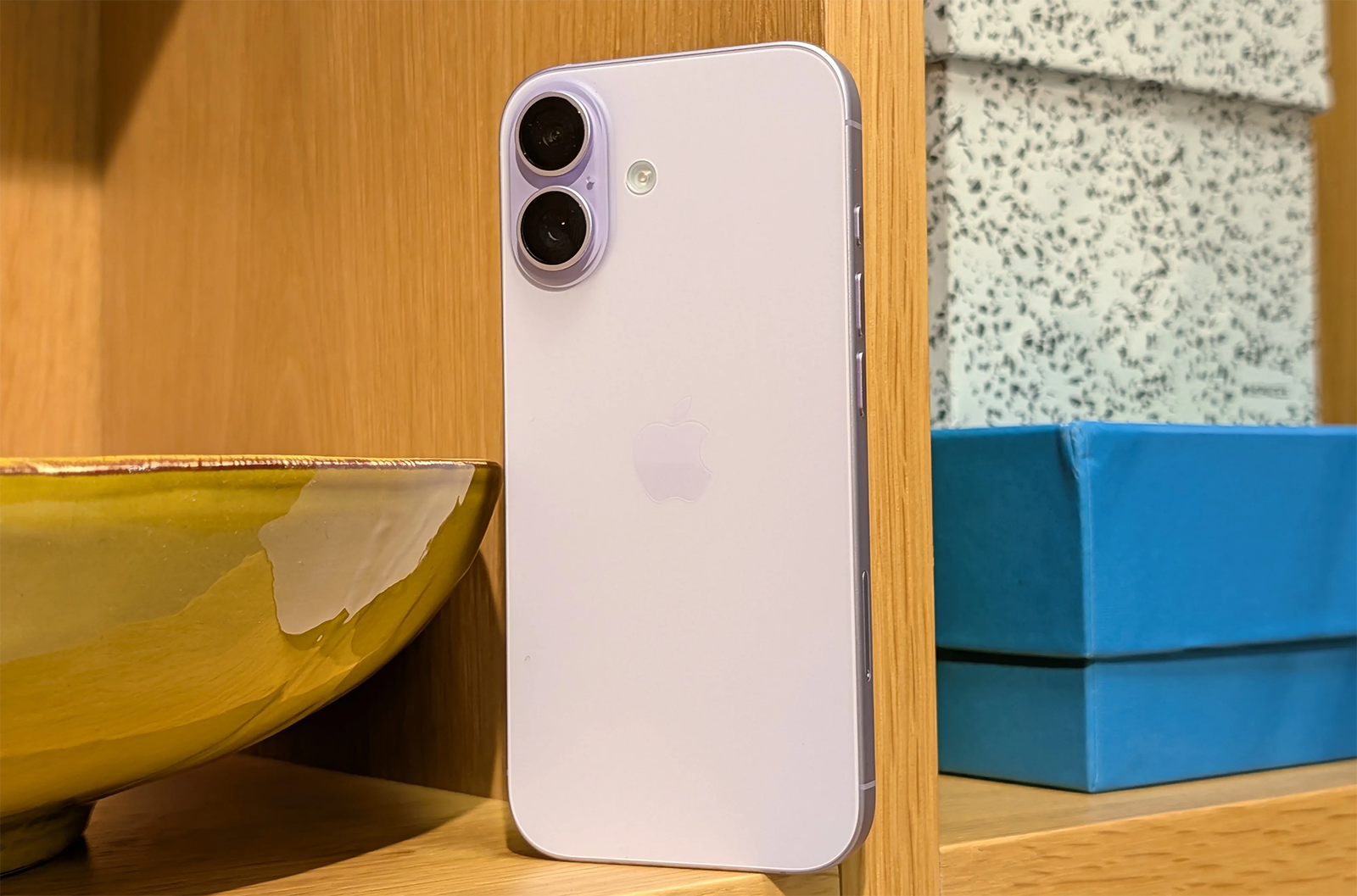
The iPhone 18’s design may not differ substantially from the iPhone 17’s. Photo: Digital Trends
Apple introduced the iPhone 18 Pro, iPhone 18 Pro Max and iPhone Duo at its September 9 event, rather than the iPhone 18 and 18e.
The new approach could ease production pressure as Apple expands its iPhone lineup. Launching premium models first also allows the company to concentrate attention on its higher-priced products during the year-end shopping season.
Spring 2027 could therefore become a second “iPhone season,” with the iPhone 18, iPhone 18e and iPhone Air 2 arriving together.
Another rumor suggests the iPhone 18 and iPhone Air 2 could even be the same device. The Early Apple account on X said Apple was considering using the iPhone 18 name for a model originally developed as the next-generation iPhone Air.
Jon Prosser previously raised the possibility that Apple would streamline its lineup around the iPhone, iPhone Pro and iPhone Duo, with the iPhone Air serving as a transitional model.
A20 chip and a possible RAM boost
Information about the iPhone 18 remains limited. However, the arrival of the A20 Pro in the iPhone 18 Pro has offered some insight into Apple’s new chip generation.
The iPhone 18 and iPhone 18e are expected to use the standard A20. Like the A20 Pro, it could be manufactured using a 2nm process, although Apple has not announced official specifications.
The A20 is expected to retain a six-core CPU, as in the A19, while improving performance and energy efficiency. The iPhone 18 could have a five-core GPU, while Apple may use a less powerful GPU configuration for the iPhone 18e. These are projections based on Apple’s current approach to differentiating its chips, rather than confirmed specifications.
On-device AI processing is also expected to improve substantially. However, the standard A20 is unlikely to match the A20 Pro in every respect, including its Dual 16-core Neural Engine.
RAM capacity is another closely watched detail. The iPhone 17 currently has 8GB, and analyst Jeff Pu predicts that the iPhone 18 will increase this to 12GB. Ming-Chi Kuo has offered a different forecast: 9GB for both the iPhone 18 and iPhone 18e.
Rising memory costs have made the 9GB option appear plausible, but reports remain divided. RAM capacity could also affect access to certain AI and iOS 27 features, although Apple has not specified which features would require particular amounts of memory.
C2 modem and new connectivity hardware
Apple has introduced its C2 modem in the iPhone 18 Pro. According to the company, C2 supports mmWave in the US, delivers faster upload speeds than C1X and consumes 15% less power.
The iPhone 18 and iPhone 18e could also receive C2, but Apple has not confirmed this.
Both models are also expected to use Apple’s N1 wireless connectivity chip, which supports Wi-Fi 7, Bluetooth 6 and Thread. Again, this remains a prediction for devices that have yet to be announced.
A significant camera upgrade?
The front camera is one area Apple may upgrade on the iPhone 18. After introducing an 18MP Center Stage camera with the iPhone 17 generation, the company is reportedly considering a 24MP selfie camera for the iPhone 18.
The higher resolution could produce more detailed selfies while providing greater flexibility for computational photography and cropping.
On the back, the iPhone 18 is likely to retain a dual-camera system comprising 48MP main and ultrawide cameras, similar to the iPhone 17.
The iPhone 18e, meanwhile, could continue with a single 48MP main camera. Its front-camera specifications remain unclear. A J.P. Morgan report from November 2025 suggested the lower-priced model would retain a 12MP front camera.
Apple could also simplify the iPhone 18’s Camera Control button. According to Instant Digital on Weibo, it would retain pressure sensitivity but could lose its current capacitive touch functionality to reduce complexity and manufacturing costs. The iPhone 18e is not expected to have Camera Control.
A 60Hz display limit for the iPhone 18e
The iPhone 18 is expected to have a display similar to the iPhone 17’s, with typical SDR brightness of up to 1,000 nits, peak HDR brightness of 1,600 nits and outdoor brightness of up to 3,000 nits.
The iPhone 18e could see a more noticeable change. The current model uses an older display with modest brightness and a notch rather than Dynamic Island. Some reports suggest Apple could bring Dynamic Island to the iPhone 18e, although that claim remains disputed.
A more likely prospect is that Apple will continue limiting the 18e’s display to a 60Hz refresh rate. According to Digital Chat Station, the phone will use a 60Hz LTPS OLED panel rather than an LTPO panel supporting ProMotion.
That would mean the iPhone 18e could still lack a 120Hz display or Always-On Display, even as those features become increasingly common on other iPhones.
Prices could rise
Pricing will be one of the most closely watched aspects of the iPhone 18 and 18e launches.
Following the iPhone 18 Pro’s September debut, the iPhone 17’s starting price in the US rose from $799 to $899, while the iPhone 17e increased from $599 to $699. The iPhone 18 Pro and 18 Pro Max start at $1,199 and $1,299 respectively, each $100 more than the previous generation.
Higher DRAM and NAND costs are believed to be among the factors putting pressure on iPhone prices, although Apple has not attributed the entire increase to any single cause.
That pressure could persist into 2027. DigiTimes reported that Apple had accepted higher memory prices from Samsung for supplies scheduled for early 2027. If component costs continue rising, holding the starting prices of the iPhone 18 and iPhone 18e steady will become more difficult.
It remains too early, however, to determine whether Apple will raise prices for the two models—and, if so, by how much.
Hai Phong
.svg)
