 Vietnamnet.vn

 Podcast



According to Pu, Apple may streamline its fall iPhone event by focusing on just three premium models, rather than releasing a broader range as seen in recent years.
This would align with Apple’s current direction of concentrating resources on high-margin segments while shifting more affordable or standard models to other points in the year.
Stability outside, performance inside
When it comes to the iPhone 18 Pro and Pro Max, the design is expected to remain largely consistent with the previous generation. Instead, Apple is likely to focus its innovation on internal performance.
Specifically, Pu suggests that Apple will debut a new chipset designed to deliver major improvements in AI capabilities and processing power. This could lead to noticeable gains in speed, multitasking, and battery optimization - areas Apple typically uses to differentiate its Pro line.
Such a strategy also reflects Apple’s broader philosophy: keep the exterior familiar, but continuously refine the internals to stay ahead on performance.
The foldable iPhone begins to take shape
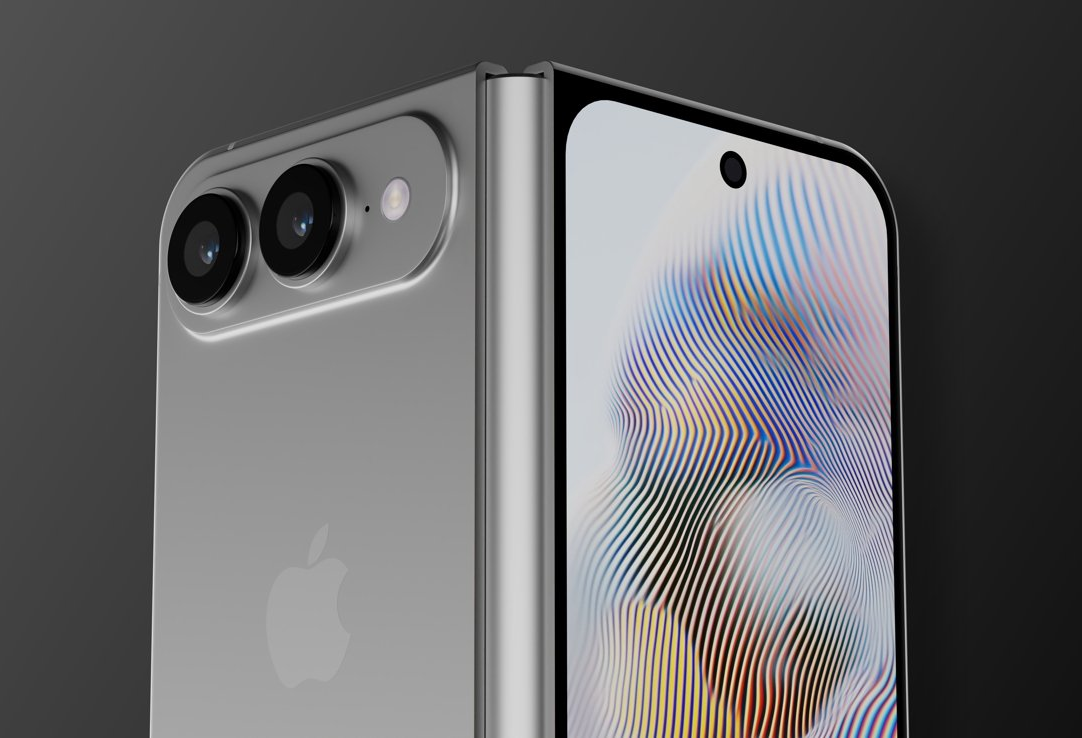
The iPhone Fold, long the subject of speculation, is now believed to be inching closer to reality - possibly with a book-style fold, similar to current foldables from Samsung and others.
According to Pu, the device will feature an external display for quick access to notifications and tasks. Interestingly, the report suggests this model may reintroduce Touch ID, perhaps due to the technical limitations of Face ID on foldable form factors - or as a complementary layer of security.
This marks a significant development, as it hints that Apple is experimenting with alternative approaches to biometric authentication tailored for the unique mechanics of a foldable device.
Apple's market strategy amid global slowdown
The report also touches on Apple’s broader market outlook. While the global smartphone market is expected to shrink by 4% in 2026, Apple is projected to buck the trend with a 2% increase in shipments - reaching around 250 million units and securing a 21% market share.
If accurate, this would reaffirm Apple’s ability to weather broader market downturns by focusing on the strength of its ecosystem and premium positioning.
It also explains why analysts and investors are closely watching Apple’s product strategy - particularly its hardware innovations and timing.
Could Apple shift to biannual iPhone launches?
As Apple finalizes its fall product lineup, attention is also turning to the possibility of a new release cadence. Some rumors suggest Apple may move to a two-tiered release cycle: premium models in the fall, and more affordable variants like the iPhone SE or standard editions in the spring.
Such a move could help Apple maintain visibility throughout the year, better align with global market rhythms, and accommodate more diverse supply chain timelines.
Conclusion: Safe bets, big implications
Jeff Pu’s latest report doesn’t deliver shocking revelations - but its moderate tone may make it all the more reliable. Apple is known for its careful iteration, and even seemingly small upgrades can drive major consumer response.
With the iPhone 18 Pro, iPhone 18 Pro Max, and the potential debut of the iPhone Fold, Apple is positioning itself not just for a product refresh, but for a strategic leap in the fiercely competitive high-end smartphone market.
Hai Phong
.svg)
