 Vietnamnet.vn

 Podcast



Apple’s long-standing ambition to deliver a truly seamless iPhone display may not materialize as soon as expected, as new reports suggest the company is encountering significant technical challenges with the upcoming iPhone 18 Pro Max.
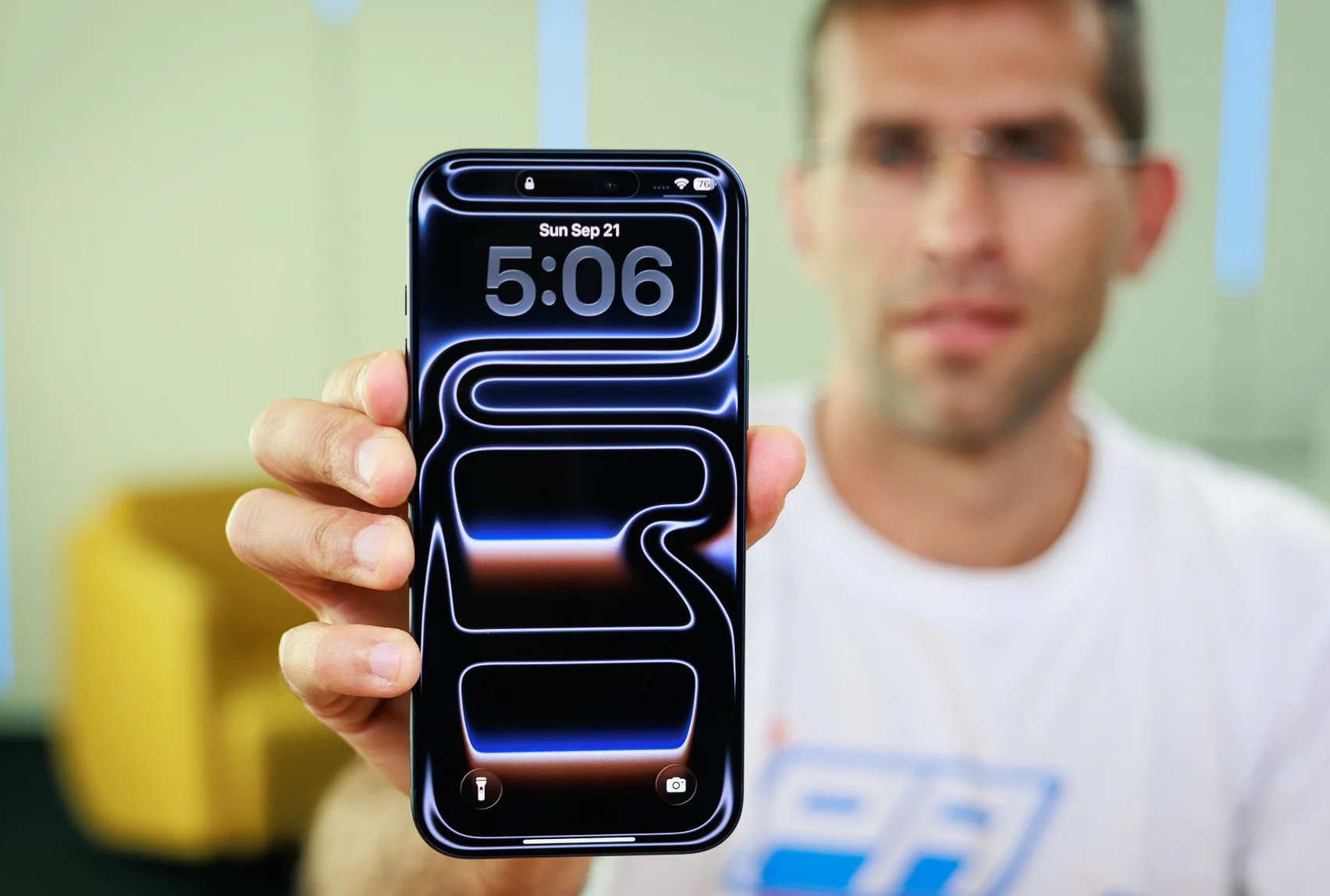
Dynamic Island will only be reduced in size, rather than completely disappearing on the iPhone 18 Pro Max. Photo: PhoneArena
For months, speculation has pointed to a major redesign in which Apple would eliminate the Dynamic Island entirely, replacing it with a small punch-hole camera similar to those found on many Android devices. The move was widely seen as a key step toward a full-screen experience, with sensors and Face ID components hidden beneath the display.
However, recent information indicates that this plan is facing delays.
According to leaks from Fixed Focus Digital on Weibo, Apple is struggling to perfect under-display Face ID technology. Development progress has reportedly fallen behind initial expectations, forcing the company to reconsider its design strategy for the next generation of iPhones.
The main challenge lies in camera performance. When placed beneath the display, the front-facing camera does not yet meet Apple’s strict standards, particularly in complex lighting conditions. This directly affects selfie quality, video calls and the accuracy of facial recognition. Consistent with its philosophy of not releasing unfinished technology, Apple is believed to have postponed the full transition.
Instead of a radical redesign, the company may adopt a more gradual approach. In this scenario, the existing Face ID module would be refined and reduced in size, making the Dynamic Island smaller rather than eliminating it altogether.
This aligns with previous reports suggesting that while some components could be placed under the display, a complete transition remains out of reach for now. Well-known leaker Digital Chat Station has also indicated that Apple may reuse many components from the iPhone 17 Pro Max, delaying more transformative design changes to future models.
The iPhone 18 Pro and iPhone 18 Pro Max are still expected to launch next autumn, possibly alongside Apple’s first foldable iPhone. If accurate, this could further stretch the company’s development resources, making it even harder to achieve a breakthrough display redesign within the same timeframe.
In this context, delaying major changes may not necessarily be a drawback. When Apple first introduced the Dynamic Island, it was seen by some as a compromise after the removal of the traditional notch. Over time, however, the company transformed it into a functional interface element, supporting notifications, music controls, calls, navigation and more.
As a result, Dynamic Island has evolved from a perceived design flaw into a defining feature of the iPhone experience. Many users have grown accustomed to it, even considering it an essential part of modern iPhones.
This raises an important point: removing Dynamic Island entirely would require a replacement that is equally useful and intuitive. Without that, Apple risks losing a feature that has become both practical and recognizable.
Looking ahead, Apple’s vision of a completely uninterrupted display remains intact, but the timeline appears to be extending. Under-display camera and sensor technologies still face limitations, especially when measured against the company’s high standards for image quality and security.
For now, the iPhone 18 Pro Max is likely to represent a transitional step rather than a revolutionary leap. True to Apple’s approach, meaningful changes may arrive later, once the technology is fully refined and ready for mass adoption.
Until then, the Dynamic Island is expected to remain a defining feature of the iPhone for at least another generation.
Hai Phong
.svg)
