 Vietnamnet.vn

 Podcast



Although the calendar still reads February, for technology enthusiasts September seems to have arrived early, the traditional stage for Apple’s biggest iPhone announcements.
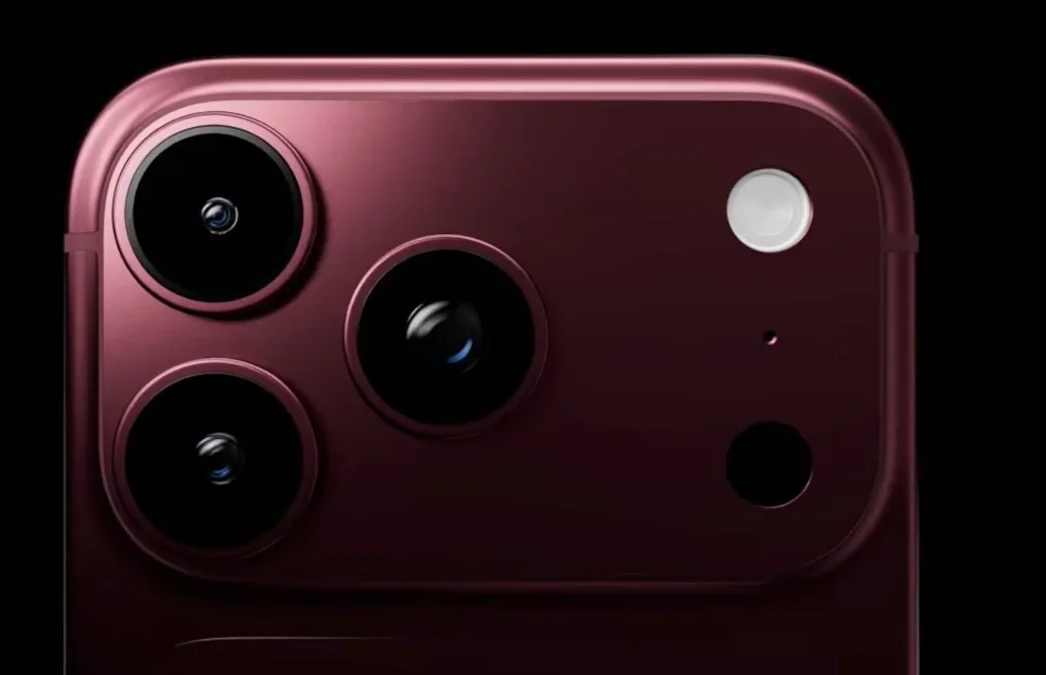
Apple begins trial production of the iPhone 18 Pro lineup. Photo: Fpt.
The buzz was sparked by a Weibo post from leaker Fixed Focus Digital, claiming Apple has moved the two iPhone 18 Pro models into “trial mass production,” a critical milestone in the manufacturing chain before devices officially reach store shelves.
Trial production and testing of three entirely new internal components
In Apple’s product development cycle, February typically marks the transition from the Design Validation Test (DVT) phase to the Production Validation Test (PVT). This stage involves running part of the assembly line to evaluate yield rates and quality control processes, without yet operating at full capacity.
The entry of iPhone 18 Pro and 18 Pro Max into PVT suggests Apple remains on track for a September launch. Meanwhile, the standard iPhone 18 is reportedly being pushed back to March 2027, rather than debuting alongside the Pro models as in previous years.
Notably, this PVT phase will examine three completely new internal components, the most significant being the A20 Pro processor.
A20 Pro is expected to become Apple’s first chip built on a 2nm process, promising a major leap in performance and energy efficiency. If delivered on schedule, it would be the first commercial 2nm chip featured in an Apple device, marking a significant milestone in the global semiconductor race.
Alongside the new processor, Apple is also testing a mechanical variable aperture camera system, a noteworthy hardware upgrade for the 2026 Pro lineup. This technology demands extremely precise assembly calibration to ensure the moving parts function smoothly and durably.
A variable aperture operates much like the human eye’s pupil. In low light conditions, it widens to allow more light to reach the sensor, improving overall brightness. In bright environments, it narrows to prevent overexposure and enhance sharpness.
Unlike artificial background blur generated by software, a physical aperture can produce more natural bokeh effects. When shooting group photos, users can adjust the aperture so both foreground and background subjects remain sharp, something difficult to achieve with a fixed aperture lens. A smaller aperture can also improve detail in close up macro shots.
These developments indicate Apple continues to prioritize mobile photography as a central pillar of its Pro upgrades.
Beyond the new chip, the iPhone 18 Pro duo is expected to feature Apple’s second generation in house 5G modem, manufactured by TSMC. The earlier C1 modem debuted on the more affordable iPhone 16e and supported Sub 6GHz bands.
The new C2 modem is said to handle both Sub 6GHz and high speed mmWave bands. This would allow the devices to fully leverage 5G infrastructure in developed markets where mmWave deployment is expanding. The move also reflects Apple’s gradual effort to reduce reliance on external modem suppliers and move closer to a fully self controlled hardware ecosystem.
First foldable iPhone may debut
Apple’s 2026 iPhone lineup may not stop at the Pro models. Recent rumors suggest the company could introduce its first foldable device, tentatively named iPhone Fold. With an estimated price between US$2,000 and US$2,500, it would target premium customers eager to experience cutting edge innovation.
Apple is reportedly working to eliminate the visible crease that has drawn criticism toward many foldable smartphones currently on the market. If successful, this could become a major competitive advantage in a segment already populated by established rivals.
More than half a year remains before Apple officially reveals its 2026 generation. Between now and then, the industry will almost certainly see additional renders, specification leaks and in depth analyses.
However, the fact that iPhone 18 Pro and iPhone 18 Pro Max have already entered trial production suggests the launch roadmap is progressing as planned. Barring major supply chain disruptions, September will once again serve as Apple’s stage to showcase advances in semiconductor design, mobile imaging and next generation connectivity - elements that continue to shape the future of premium smartphones in the post 5G era.
Hai Phong
.svg)
