 Vietnamnet.vn

 Podcast



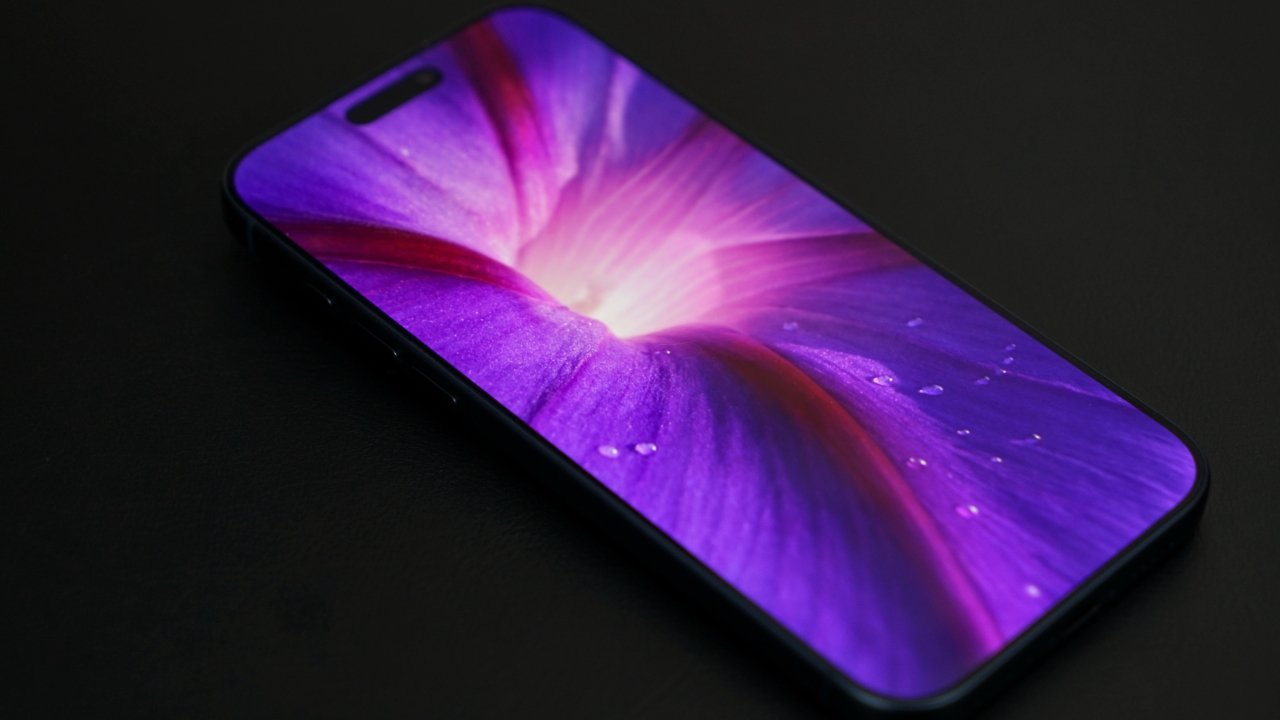
According to the latest leaks, the iPhone 20 Pro Max, expected to appear next year, could feature a display measuring as much as 7 inches, the largest ever used on an iPhone.
If the rumors prove accurate, the change would represent more than a hardware upgrade. It could also mark a new chapter in Apple's smartphone design strategy.
The information was shared by well-known leaker Digital Chat Station on Weibo and cited by MacRumors. According to the report, Apple is testing a 7-inch display panel for its 20th-anniversary iPhone.
The device is also rumored to adopt a "quad-curved" design, meaning the display curves along all four edges, alongside a range of exterior changes intended to create a significantly different experience from current iPhone generations.
A 7-inch display could offer more screen space without a much larger body
If the information is accurate, the new iPhone's display would be about 0.1 inch larger than that of the iPhone 16 Pro Max, which drew attention when Apple increased the screen size from 6.7 inches to 6.9 inches in 2024.
In practical terms, the difference amounts to only about 3 mm, making it unlikely to create a dramatic change in everyday use.
The more important point, however, may not be the 7-inch figure itself, but how Apple is reportedly planning to optimize the overall design.
Sources say the display bezels could be reduced significantly, increasing usable screen space without making the phone's body much larger.
That could allow users to get a larger display on the iPhone 20 Pro Max while maintaining a familiar feel in the hand.
Although the real-world difference may be modest, analysts believe Apple would almost certainly make the size increase a major part of its marketing campaign.
The claim of offering "the largest iPhone display ever" has long been a powerful message for consumers.
Apple reportedly preparing biggest overhaul in a decade
What is striking is that, despite the phone still being more than a year away from launch, leaks have already become relatively frequent.
Most reports agree that Apple is preparing a major redesign to celebrate the iPhone's 20th anniversary, similar to the turning point created by the iPhone X for the product's 10th anniversary in 2017.
According to reports, the iPhone 20 Pro Max would not simply increase screen size. It could also lay the foundation for Apple's design direction over the next decade.
The model is being viewed as a symbolic product that could mark another transition for the iPhone as the smartphone market becomes increasingly competitive and saturated.
Several sources suggest Apple wants to create a device with a nearly true "all-screen" appearance.
The front could feature ultra-thin bezels, a display curving evenly around all four edges and only a small hole for the front-facing camera instead of the current Dynamic Island.
If realized, the design would represent a significant step toward Apple's longer-term goal of hiding all sensors and cameras entirely beneath the display.
New design and camera upgrades also rumored
The iPhone 20 Pro Max is also rumored to feature several other notable changes beyond the display.
One possibility is that Apple could switch to pressure-sensitive haptic buttons, replacing traditional mechanical buttons entirely.
The technology would allow users to retain the sensation of pressing a button through vibration feedback from the Taptic Engine, while reducing the number of moving components inside the device.
That could improve durability, enhance water resistance and free up more internal space for other components.
The camera system is also expected to receive significant upgrades to meet growing demand for higher-quality photography and video.
Although there are few concrete details yet on sensors or resolution, experts expect Apple to integrate more AI-based image-processing technologies to further improve mobile photography.
Looking back, Apple created a major milestone in 2017 when it introduced the iPhone X to mark the 10th anniversary of the iPhone.
At the time, the company removed the physical Home button that had defined the iPhone for a decade, expanded the display to 5.8 inches and introduced the notch for the first time, housing the TrueDepth camera system and Face ID facial recognition technology.
That bold change quickly influenced the broader smartphone industry. Within a few years, edge-to-edge displays and facial unlocking had become standard features on many premium smartphones.
Interestingly, the original iPhone X was offered in only one version with a 5.8-inch display. Larger-screen models appeared only in later generations.
If Apple follows a similar strategy with its 20th-anniversary model, the iPhone 20 Pro Max could become the starting point for an entirely new design language that shapes the appearance of iPhones for years to come.
Hai Phong
.svg)
