 Vietnamnet.vn

 Podcast



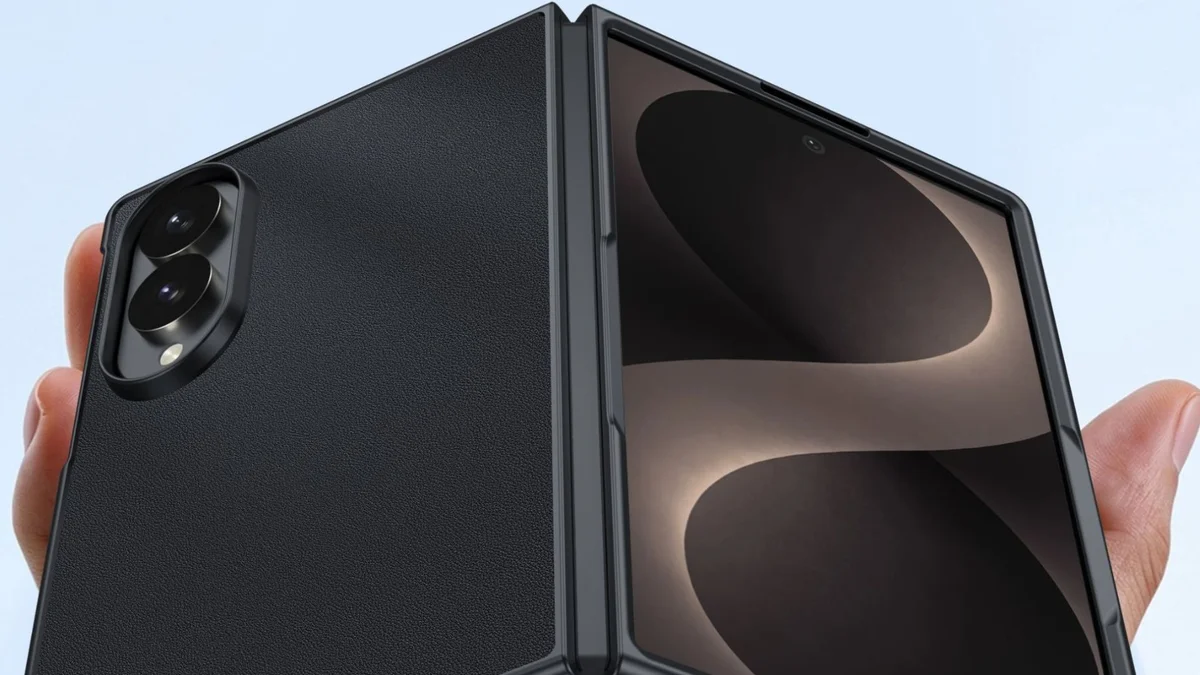
Image believed to show the upcoming Galaxy Z Fold Wide. Photo: OnLeaks/Android Headlines
According to recent rumors, the two biggest names in the smartphone industry are getting ready to launch large-format foldable devices in the near future, most commonly referred to as the Galaxy Z Fold Wide and the iPhone Fold, though some sources also call Apple’s device the iPhone Ultra.
What is drawing even more attention, however, is that they may not be entering the market alone.
Vivo and Honor reportedly preparing to join the race
New reports suggest that Chinese smartphone giants Vivo and Honor are also developing their own wide-screen foldable devices.
Although there is still limited information regarding specifications or exact launch dates, industry insiders believe these products could arrive by late 2026 or sometime in 2027.
The timing suggests Vivo and Honor may be closely watching market reactions to Samsung and Apple’s upcoming products before officially entering the segment.
If the Galaxy Z Fold Wide and iPhone Fold generate strong consumer demand, the market could quickly see a wave of similar foldable devices from other manufacturers.
This strategy is common in the technology industry: allowing major companies to open the market first before launching more refined or competitively priced alternatives.
Why are companies pursuing wider foldables?
The simplest explanation may be that current foldable smartphones are still far from perfect.
Most existing foldable devices, including Samsung’s Galaxy Z Fold lineup and several Chinese models, use inner displays with nearly square aspect ratios.
While this design makes the devices more compact when folded, it also creates several practical drawbacks during everyday use.
The biggest issue is media consumption.
Most modern video content is produced in 16:9 or even 21:9 formats.
On near-square displays, users often end up with large black bars at the top and bottom of the screen, reducing the benefits of having a larger display.
A wider foldable phone could address this problem.
When unfolded, the device would function more like a compact tablet, offering a more immersive viewing experience for movies, YouTube and gaming without excessive cropping or distracting black borders.
Wider screens could also significantly improve multitasking, one of the most important advantages of foldable smartphones.
Users would be able to run two or even three applications simultaneously with a more spacious interface that feels closer to a desktop computing experience.
In other words, wider foldable devices may represent more than a cosmetic design change.
They could become a major leap forward in real-world smartphone usability.
Could this become another failed trend?
Despite the excitement, nobody can guarantee that wide-screen foldable phones will succeed.
The technology industry has repeatedly witnessed heavily promoted trends that eventually faded away.
One recent example is the ultra-thin smartphone trend, which generated significant attention but struggled to maintain long-term appeal.
Devices such as the rumored Galaxy S25 Edge and iPhone Air reportedly failed to meet sales expectations last year.
Wide-screen foldables could face similar risks.
Prices will almost certainly remain extremely high.
Larger designs may also result in heavier devices that are more difficult to hold comfortably and require more complex hinge systems.
In addition, not every consumer wants a smartphone that feels close to carrying a small tablet in their pocket.
If the Galaxy Z Fold Wide or iPhone Fold underperform, the entire category could lose momentum quickly.
Still, if rumors surrounding Vivo and Honor prove accurate, it suggests the industry is willing to invest seriously in the concept regardless of the early success or failure of Samsung and Apple.
Perhaps the most fascinating part of this race is that the eventual winner may not be the company that arrives first.
Hai Phong
.svg)
