 Vietnamnet.vn

 Podcast


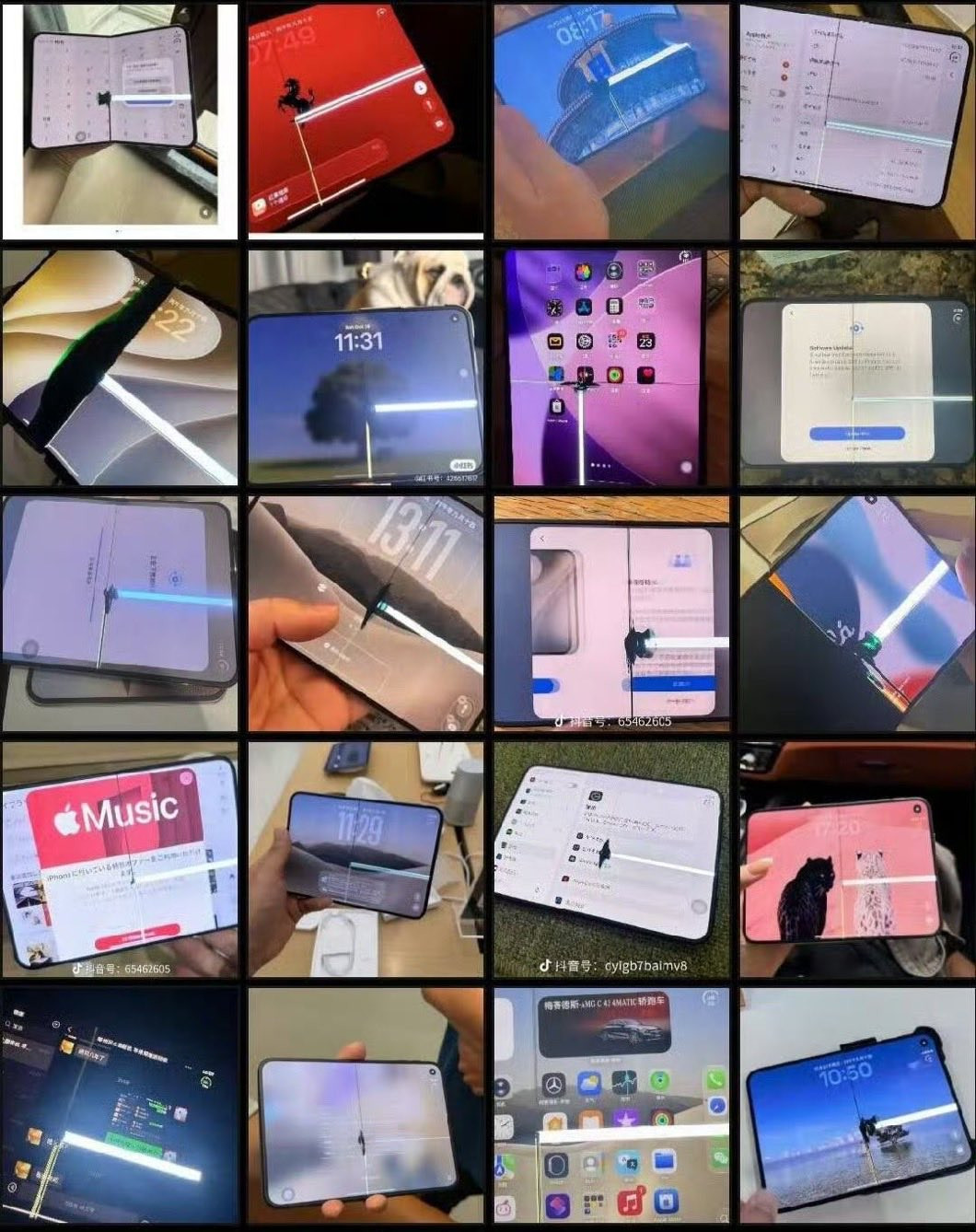
Users divided over the future of iPhone Duo
Will the iPhone Duo become an iconic Apple product or go down in history as one of the company's most disappointing failures?
And is "Crackgate," the nickname users have given to reports of cracked displays, really as serious as the growing number of complaints suggests?
A recent survey offered a surprising picture of consumer sentiment, revealing an almost even split between those who believe the device will overcome its problems and those who expect it to fail.
Specifically, 40.80% of respondents believe the iPhone Duo will ultimately succeed, while 38.99% predict it will become a major failure in Apple's history.
The remaining 20.20% have yet to decide what the future holds for the device.
Despite the controversy surrounding its hardware quality, Apple's first foldable iPhone still retains the confidence of nearly 41% of survey participants.
That suggests not all consumers are ready to abandon the device.
Nevertheless, the situation remains concerning.
Reports of cracked inner displays, misaligned screen panels and unusual purple lines appearing on iPhone Duo screens continue to emerge.
According to PhoneArena, the next two to three months could prove decisive for the product's future.
If defects continue to surface and more customers report problems, the iPhone Duo risks developing a lasting reputation as a failed product.
Conversely, if Apple manages to bring Crackgate under control quickly, consumers may eventually move past the controversy and turn their attention to newer devices.
The smartphone industry has experienced similarly serious product crises before.
About a decade ago, Samsung faced a major scandal involving smartphones that caught fire or exploded.
Although the incidents attracted worldwide attention at the time, they are no longer a frequent topic of discussion.
The episode demonstrates that even a severe product crisis can fade from public memory if a company manages the consequences effectively and restores consumer confidence.
CEO John Ternus faces a major paradox after foldable iPhone launch
The current situation is unlikely to be comfortable for Apple CEO John Ternus.
He has recently taken charge of the world's most valuable company, with Nvidia occupying second place at a considerable distance, while also overseeing the launch of one of Apple's most anticipated products.
That product is the iPhone Duo, the company's first foldable iPhone.
Initially, everything appeared to be going according to plan.
The iPhone Duo attracted enormous preorder demand, exceeding Apple's production capacity.
Even when the company could not immediately supply enough devices to meet demand, the shortage did not appear particularly damaging.
Customers were prepared to wait.
After all, Apple had entered the foldable smartphone market roughly seven years behind its competitors.
For consumers who had already waited that long, another eight weeks before receiving their devices seemed unlikely to be a major obstacle.
However, the situation changed rapidly when Crackgate emerged.
Within hours and days of the iPhone Duo reaching stores, numerous owners began sharing disappointing experiences.
According to their accounts, they had neither dropped their phones nor used them improperly or subjected them to unusual conditions.
Nevertheless, serious cracks appeared near the bottom-right corner of the inner foldable display.
Nearly two weeks after the launch, additional reports of similar problems continued to surface.
Instead of celebrating the success of a highly anticipated new product, Apple and Ternus now face mounting pressure over the device's durability.
The paradox is that the iPhone Duo is both a product consumers have eagerly awaited and a potential early test of Apple's leadership under Ternus.
Some customers choose refunds rather than replacement devices
Not every customer experiencing problems wants a replacement iPhone Duo.
For users who genuinely enjoy the device, exchanging a defective unit for another may seem reasonable.
They can only hope that the replacement will not develop the same screen-cracking problem.
Other customers, however, are unwilling to risk further inconvenience.
Rather than waiting or requesting another unit, they have decided to return their iPhone Duo and switch to other Apple products.
One case attracting attention online involved a customer who requested a refund for the iPhone Duo and subsequently purchased an iPhone 18 Pro Max and an iPad mini.
The customer reportedly said they would consider buying another foldable iPhone only when Apple releases the second-generation Duo 2 or possibly even the Duo 3.
That is not an encouraging signal for Apple.
Beyond the immediate financial impact of returns and replacements, the more serious concern is that potential buyers may postpone purchases until later generations demonstrate better durability and reliability.
For a premium-priced device such as the iPhone Duo, customer confidence is particularly important.
Consumers are paying not only for a foldable design and new technologies but also for a device they expect to operate reliably for years.
If Apple manages to contain Crackgate in the coming months, the iPhone Duo could still recover its standing.
But if the defects persist, its initial sales success could quickly be overshadowed by a crisis of confidence that may take the company considerable time to overcome.
Hai Phong

