 Vietnamnet.vn

 Podcast



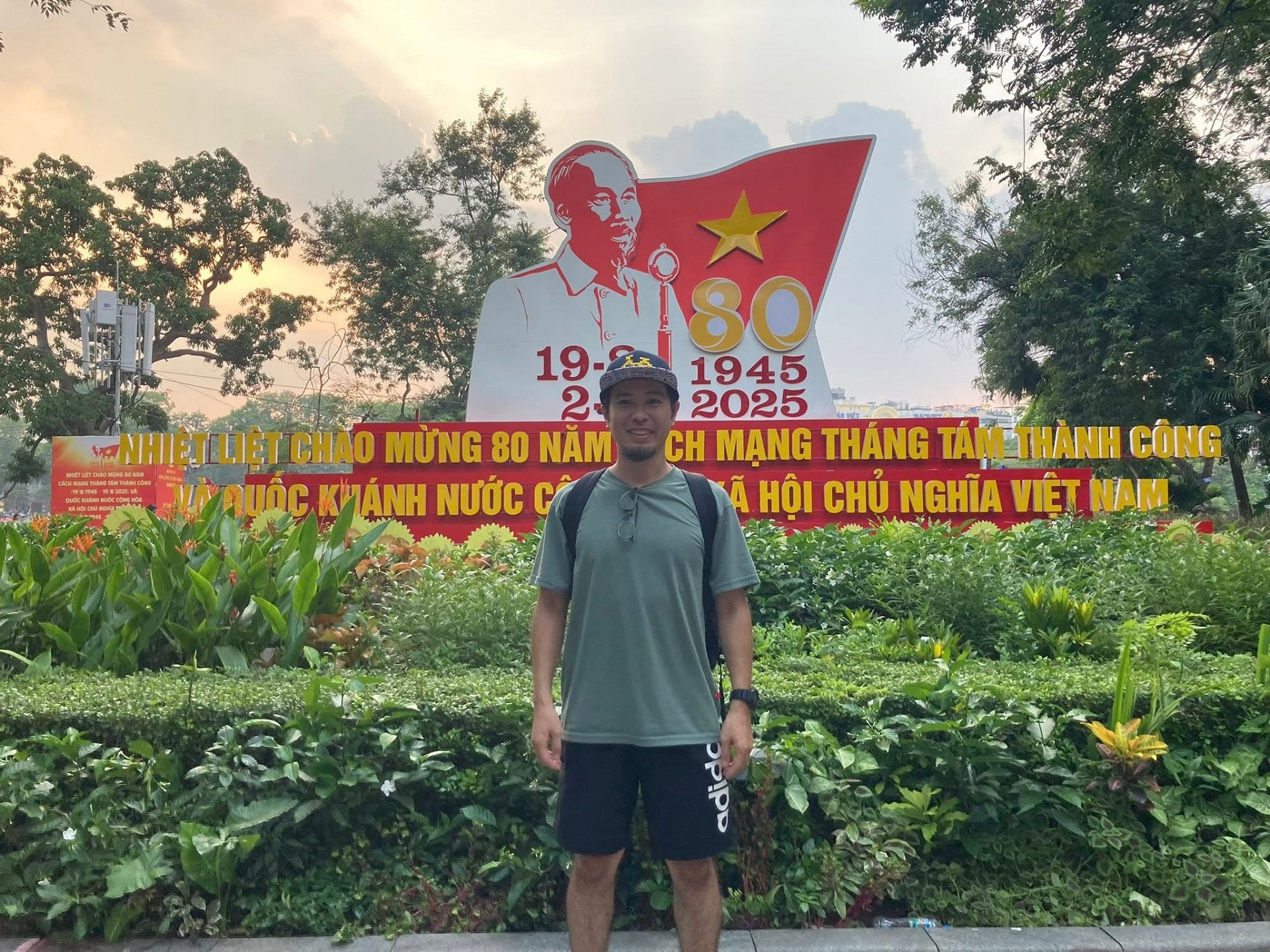
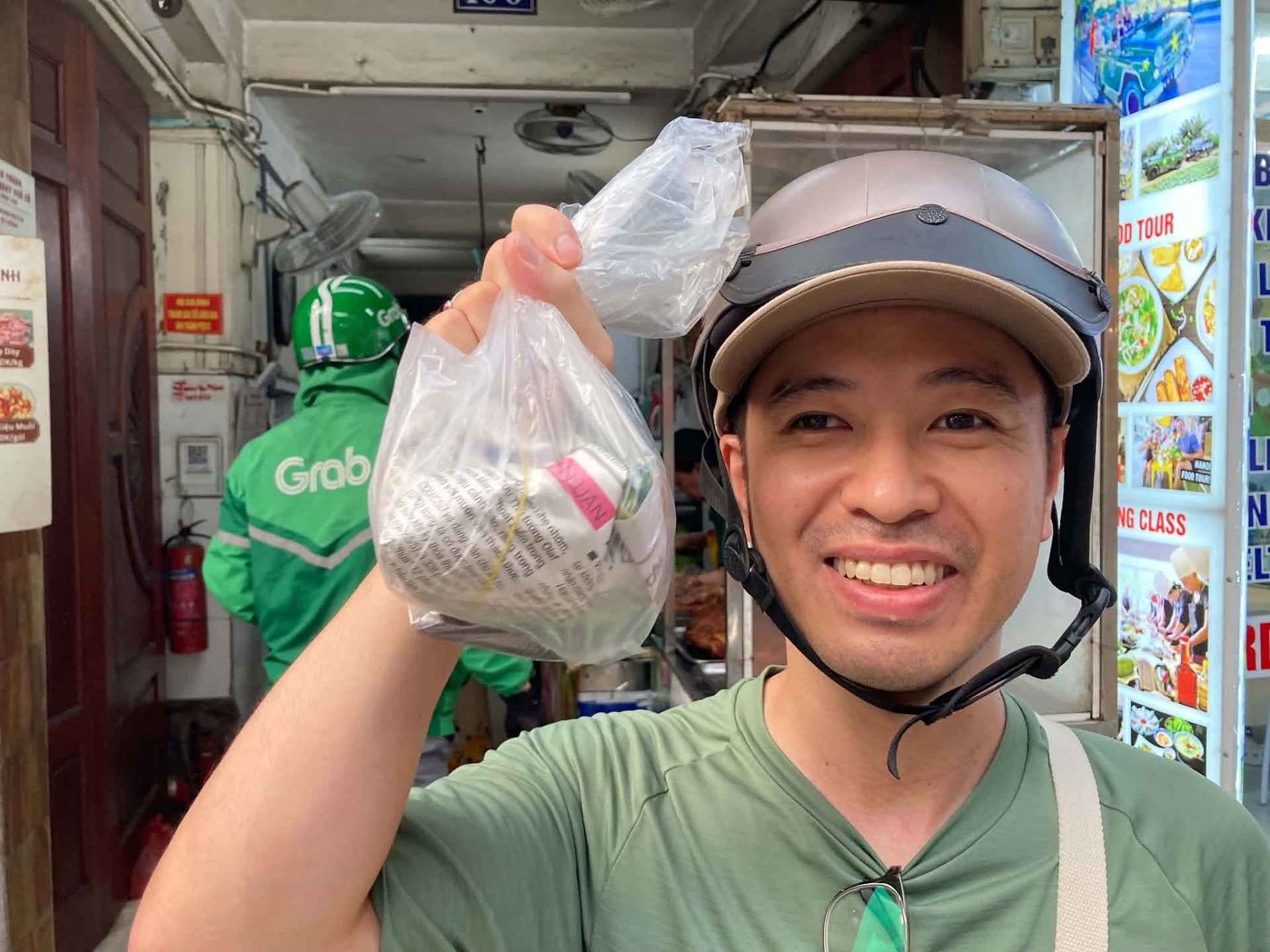
After three years of living and working in Hanoi, Hitoshi describes the city as a genuine “street-food paradise.” Almost anywhere he goes, he says, he can stumble across something delicious.
Of the many dishes he has tried, xoi xeo has left one of the strongest impressions.
On workdays, a Vietnamese friend would often buy him a serving for around VND15,000, or about 60 cents. The simple breakfast dish combines golden, chewy sticky rice with smooth mung bean, crisp fried shallots and their rich aroma.
“It isn’t an elaborate dish, but it made those rushed mornings before work with my colleagues feel warmer and more intimate,” Hitoshi recalled.
In Japan, he said, glutinous rice is commonly associated with foods such as mochi but is not eaten in as many ways as it is in Vietnam.
“It was only after coming to Vietnam that I realized just how delicious glutinous rice and xoi could be,” he said.
Choosing the best food in Hanoi is difficult, he added, simply because the city offers so much variety. Some dishes he initially thought he would dislike ended up becoming foods he wanted to eat again and again.
Bun rieu, a Vietnamese rice-noodle soup traditionally served with a tomato-based broth and crab, is one example.
“I used to dislike cooked tomatoes. But after trying bun rieu at a restaurant in Hanoi, I completely changed my mind,” he said.
The bowl brought together the tanginess of its tomato-red broth, rich crab, soft rice noodles, fresh herbs and seasonings to create layers of flavor. Hitoshi was surprised by both the gentle sourness and depth of the broth.
His discovery of bun rieu led him to explore many more of Hanoi’s rice-noodle dishes, including bun moc, typically served with pork meatballs; noodles with goose, duck or fish; and even bun oc nguoi, Hanoi’s distinctive cold snail noodles.
The late Vietnamese writer Vu Bang once praised bun oc nguoi in his book Mieng ngon Ha Noi for embodying the artistry of Hanoi’s cuisine.
A serving typically comes with rice noodles and herbs alongside a separate bowl of snails in a light, tangy broth made with fermented rice vinegar. Its appeal comes from the sweet crunch of fresh snails, the gentle acidity of the broth and a touch of fiery chili.
Despite its long history in Hanoi, bun oc nguoi can be an acquired taste not only for international visitors but even for Vietnamese diners unfamiliar with it.
On a hot day, Hitoshi happened upon a small eatery on Bui Thi Xuan Street and ordered the dish.
It was the first time he had encountered noodles served this way, with pressed rice noodles, snails and broth presented separately. He was immediately struck by the noodles’ chewy texture, the delicate broth and the large, crunchy snails. There is nothing quite like it in Japan, he said.
“I wasn’t even hungry, but I finished the whole bowl,” he recalled.
After Hitoshi posted several videos about Hanoi food, viewers began recommending well-known eateries popular with local diners. On his days off, he now roams the city in search of dishes such as mixed pho, fish porridge and chao long, a traditional rice porridge served with pork offal.
His curiosity about Hanoi extends beyond food. Hitoshi has also spent time exploring the city’s history and culture. He has watched traditional Vietnamese water puppetry more than 10 times and visited sites associated with the historic Four Sacred Temples of Thang Long, as well as the Vietnam National Fine Arts Museum and Vietnam National Museum of History.
Linh Trang - Khanh Linh Pham
.svg)
