 Vietnamnet.vn

 Podcast


On November 21, 2026, during its second session, Vietnam’s 16th National Assembly officially passed the revised Housing Law, with 467 out of 485 lawmakers voting in favor.
The legislation comprises 13 chapters and 129 articles and will take effect on July 1, 2027.
Protecting apartment owners’ property rights
One of the major concerns in Vietnam’s real estate market in recent years has been the fear among apartment owners of losing their entire property when their buildings reach the end of their designated service life.
To address this issue, the revised Housing Law explicitly stipulates that the service life of an apartment building does not determine when apartment ownership rights expire.
Instead, the service life serves as a technical benchmark based on design documentation and actual building safety assessments.
When an apartment building reaches the end of its designed service life, competent state authorities will conduct a structural quality assessment. If the building remains safe, residents may continue using it in accordance with construction regulations.
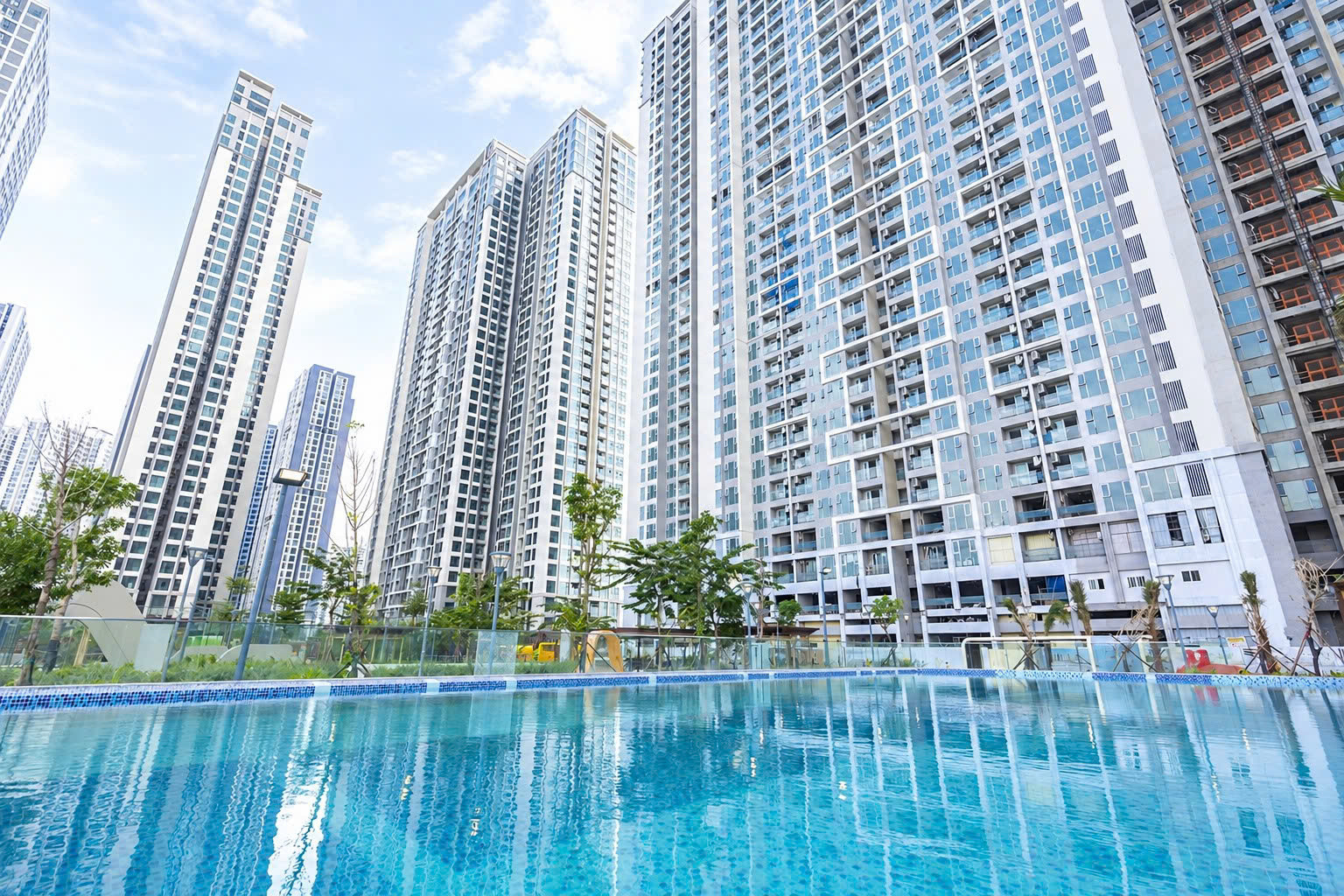
If a building is severely deteriorated, structurally unsafe and beyond reinforcement or repair, it must be demolished.
However, the demolition of the building does not extinguish the legitimate property rights of apartment owners. Their rights remain associated with the land use rights of the development.
Based on these land use rights, apartment owners may contribute funds to renovate or reconstruct the building and continue exercising their rights as land users.
Throughout this process, fundamental civil transaction rights relating to housing, including sale, lease, donation, mortgage and inheritance, remain protected by law.
Foreign homeownership limits under the revised Housing Law
Alongside protecting residents’ interests, the revised Housing Law establishes detailed regulations governing housing ownership by foreign organizations and individuals in Vietnam.
These provisions aim to attract foreign investment while imposing strict limits to safeguard national security and prevent excessive concentration of property ownership.
Under the law, eligible foreign organizations and individuals may own commercial housing in Vietnam.
Foreign individuals permitted to enter Vietnam and foreign organizations legally operating in the country, including foreign-invested enterprises, branches and representative offices, may acquire apartments through purchase, lease-purchase, donation or inheritance.
However, provincial-level People’s Committees must consult the Ministry of National Defense and the Ministry of Public Security during the developer selection process to identify and publicly disclose projects located outside areas requiring national defense and security protection.
Only apartments in projects included on these publicly disclosed lists may be sold to foreign organizations and individuals.
Regarding ownership limits, foreign organizations and individuals may collectively own no more than 30% of the total apartments in a condominium building.
For developments comprising multiple residential towers, the 30% ownership cap applies separately to each building.
The law also establishes different ownership periods for foreign individuals and organizations.
For foreign individuals, the ownership period is determined by the terms of the transaction but may not exceed 50 years from the date the ownership certificate is issued. An extension may be granted once for a maximum of another 50 years.
For foreign organizations, the housing ownership period corresponds to the duration of their operations specified in their investment certificates or business registration documents in Vietnam, including any approved extensions.
The legislation also introduces flexibility for foreign individuals married to Vietnamese citizens residing in Vietnam.
In such cases, the apartment is recognized as jointly owned marital property, and the foreign spouse enjoys full ownership rights equivalent to those of Vietnamese citizens.
Social housing and short-term apartment rentals
For the social housing segment, the revised Housing Law adjusts resale regulations to improve transparency and better reflect actual market needs.
Within five years of fully paying for a social housing unit, owners wishing to resell their property may transfer it to the project developer or another eligible social housing buyer.
The resale price must not exceed the original purchase price specified in the signed contract.
Regarding condominium operations, the legislation explicitly permits apartments to be rented out for residential or accommodation purposes.
By removing restrictions relating to short-term rental periods, the law accommodates increasingly flexible rental arrangements and brings sharing-economy accommodation models within the legal regulatory framework.
Such activities remain subject to building management requirements, accommodation registration procedures, and fire prevention and safety regulations.
Also on November 21, 2026, the National Assembly passed the revised Law on Real Estate Business, comprising 10 chapters and 63 articles. It will also take effect on July 1, 2027.
The legislation introduces stricter transaction requirements for off-plan housing to reduce financial risks for homebuyers and improve transparency in the real estate market.
Manh Cuong

