 Vietnamnet.vn

 Podcast



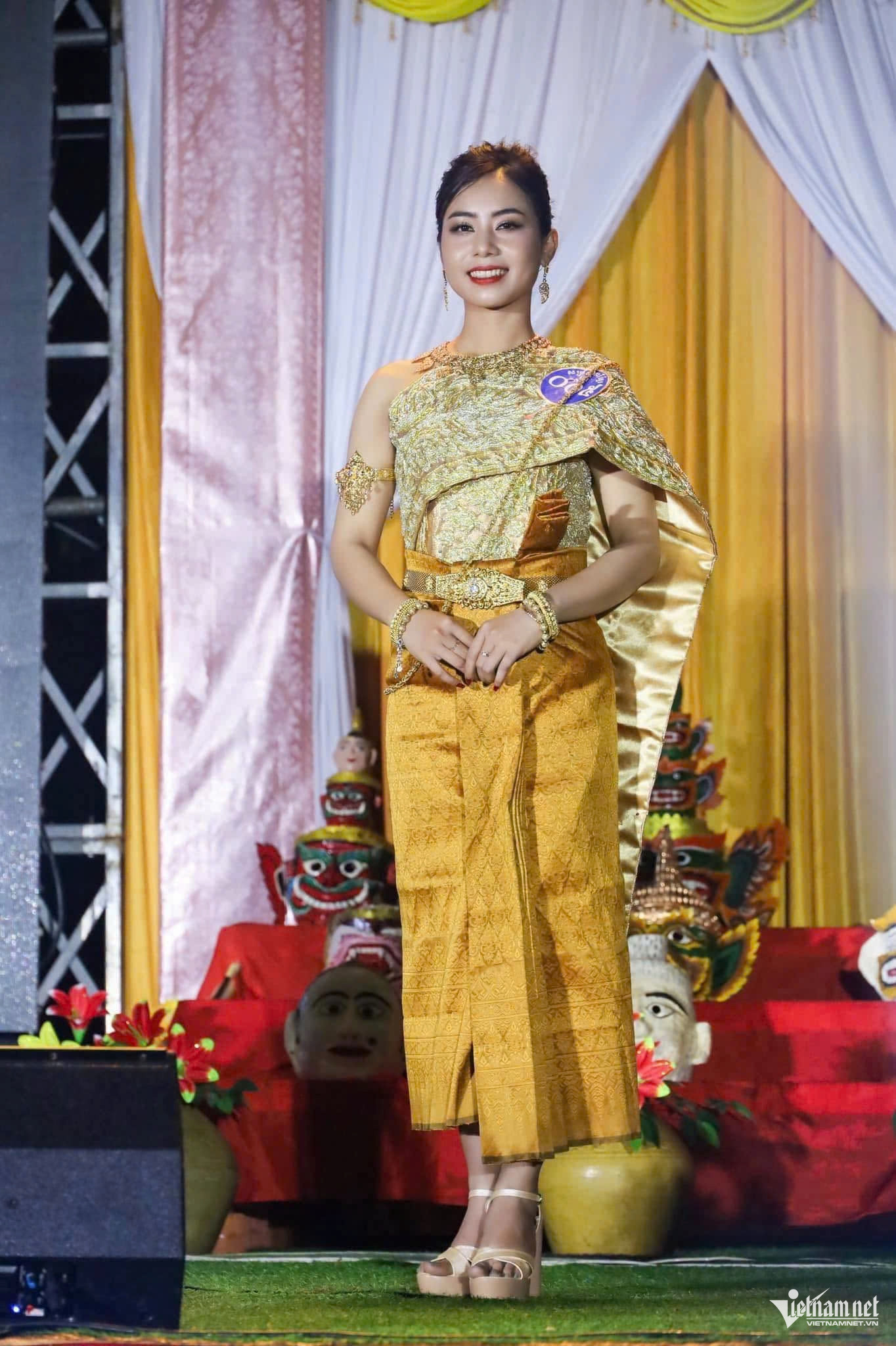
Hau, 30, was born and raised in a Khmer family. Since childhood, her life has been closely associated with temple roofs and bustling festivals in the Khmer hamlets. She keeps memories of following her mother to the temple to hear five-tone musical ensemble (Pinn Peat).
Hau's first and deepest memory of art is the days of tagging along with her family to watch festivals. Amid the bustling sounds of five-tone orchestra, the image of women gracefully wearing traditional costumes strongly inspired her back then.
Hau, who was patiently taught her first dance steps by predecessor teachers, became passionate for art over the years.
To this day, despite many changes in life, traditional Khmer dance remains an inseparable part of her life.
“To me, my homeland is a place closely bound to my childhood, to Khmer temples, traditional festivals, and cultural values that I always cherish," she said.
The temple roofs and bustling festivals in the Khmer hamlets are the very cradle that nurtured the love of art and the first dance steps of Lam Thi Hau.
In 2025, the area of Tan Hung commune (Long Phu district, former Soc Trang province) was officially merged and renamed Tan Thanh commune (Can Tho city). The change in administrative boundaries and the powerful wave of urbanization left her with worries about how to preserve her ethnic group's cultural identity.
Hau chose to act. She became a public employee at the Tan Thanh Commune General Service Center, while spending all her free time acting as a cultural "ambassador."
Overcoming difficulties
Desiring to spread her cultural beauty closer to the community, Hau, along with a few passionate dancers, founded a Khmer dance group and established a traditional costume rental model.
In the early days, she faced numerous barriers, the largest of which was funding.
“Each Khmer costume is elaborately sewn and beaded, and its value is very high. Finding young people willing to patiently pursue this passion nowadays is not easy at all,” Hau said.
Undeterred, Hau chose the "reinvesting short-term gains" approach, taking slow but steady steps. While performing her professional duties well at her agency, she saved every dong of her salary to buy costumes and accessories.
After each performance or rental, Hau meticulously washed, dried, checked every stitch, and carefully arranged them to keep the pleats and fabric in their best condition.
Spreading traditional culture via tech
As a sharp-minded young person, Hau does not limit her teaching space to face-to-face meetings. She turns social networks like Facebook and TikTok into open lecture halls. She currently runs several social media platforms with tens of thousands of followers.
After each dance class, Hau takes the opportunity to record, edit, and produce short clips instructing each hand gesture and basic step to share online. She also frequently posts videos explaining the meaning of each pattern and accessory on the costumes, so that tourists from all over the world can understand and appreciate them more.
"I always remind young people that learning dance is not just about learning beautiful movements, but also about learning about our roots, traditions, and the fine values that our ancestors have preserved through generations.
“I hope that in the future, more and more young people will be passionate enough to continue teaching, becoming core individuals who spread Khmer culture in the community."
Besides teaching dance movements, Hau also integrates storytelling so that her young students can deeply understand and feel prouder of their ethnic roots.
Alongside cultural activities, this Khmer girl also actively participates in local charity activities.
Now, in the southern city of Can Tho city, the Khmer dance is still being extended by quiet and enthusiastic people like Hau.
Tuan Ninh
.svg)
