 Vietnamnet.vn

 Podcast



In the eighth lunar month, as the first cool autumn breezes begin to sweep across northern Vietnam, the sunlight softens over the hills and the Luc Dau River takes on a more contemplative hue, many Vietnamese turn their thoughts toward Kiep Bac.
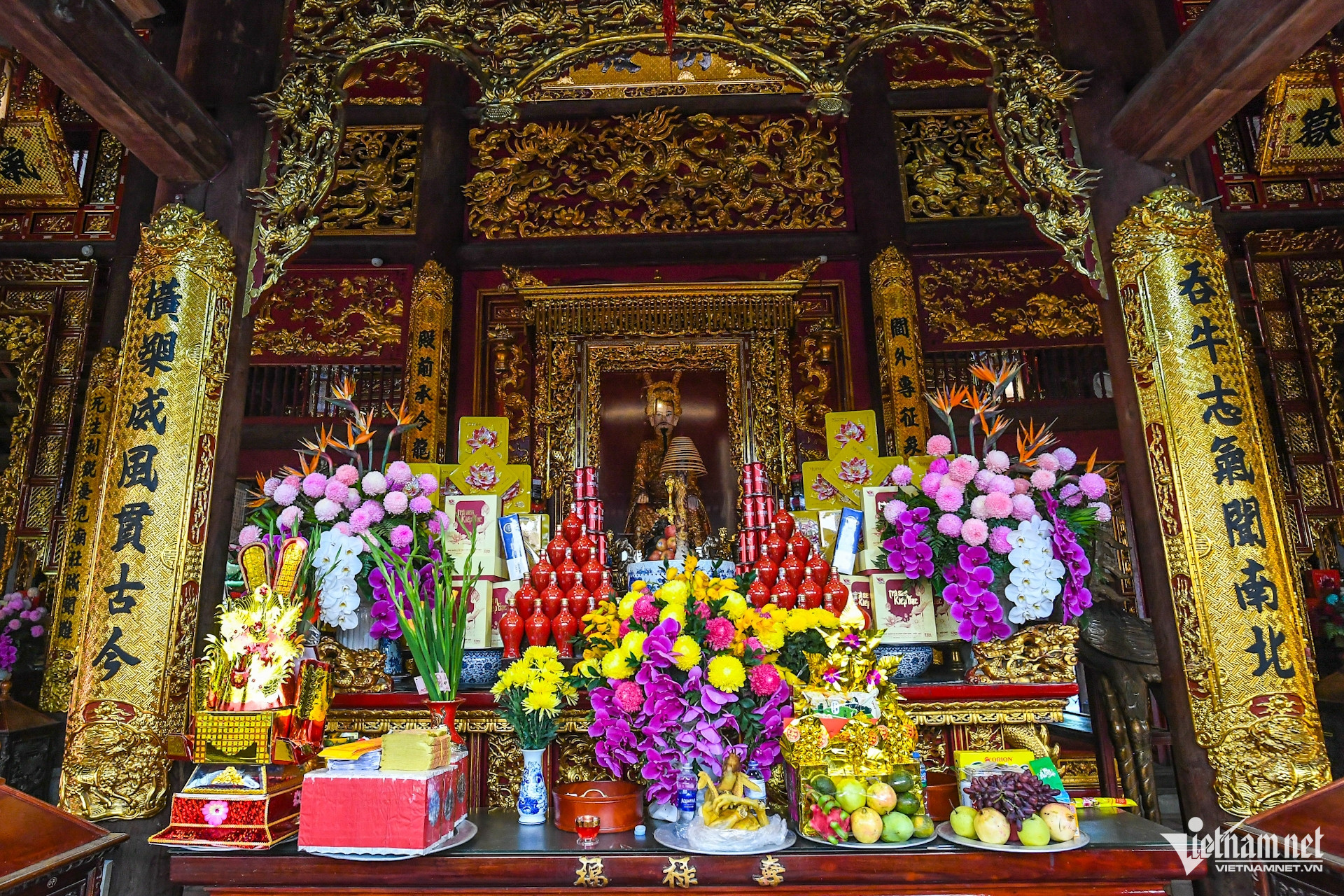
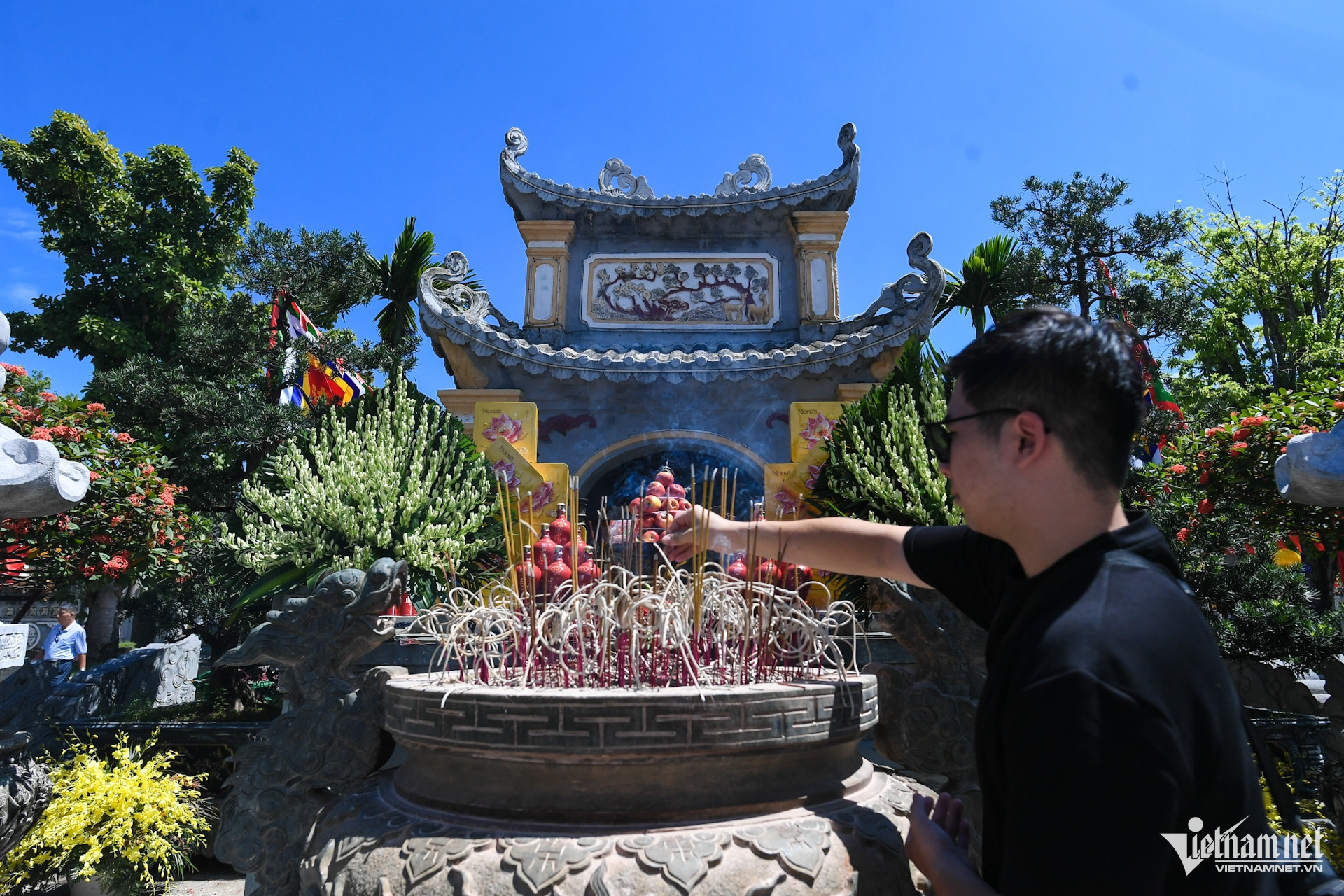
It is the season associated with a folk tradition commonly known as “the Father’s festival in the eighth lunar month,” when people offer incense in memory of Saint Tran - Hung Dao Dai Vuong Tran Quoc Tuan - the national hero who devoted his life to defending the country.
But Kiep Bac is more than a pilgrimage destination. It is also a repository of national memory, where mountains and rivers carry stories of the era remembered in Vietnam as the heroic spirit of Dong A, a term closely associated with the Tran dynasty.
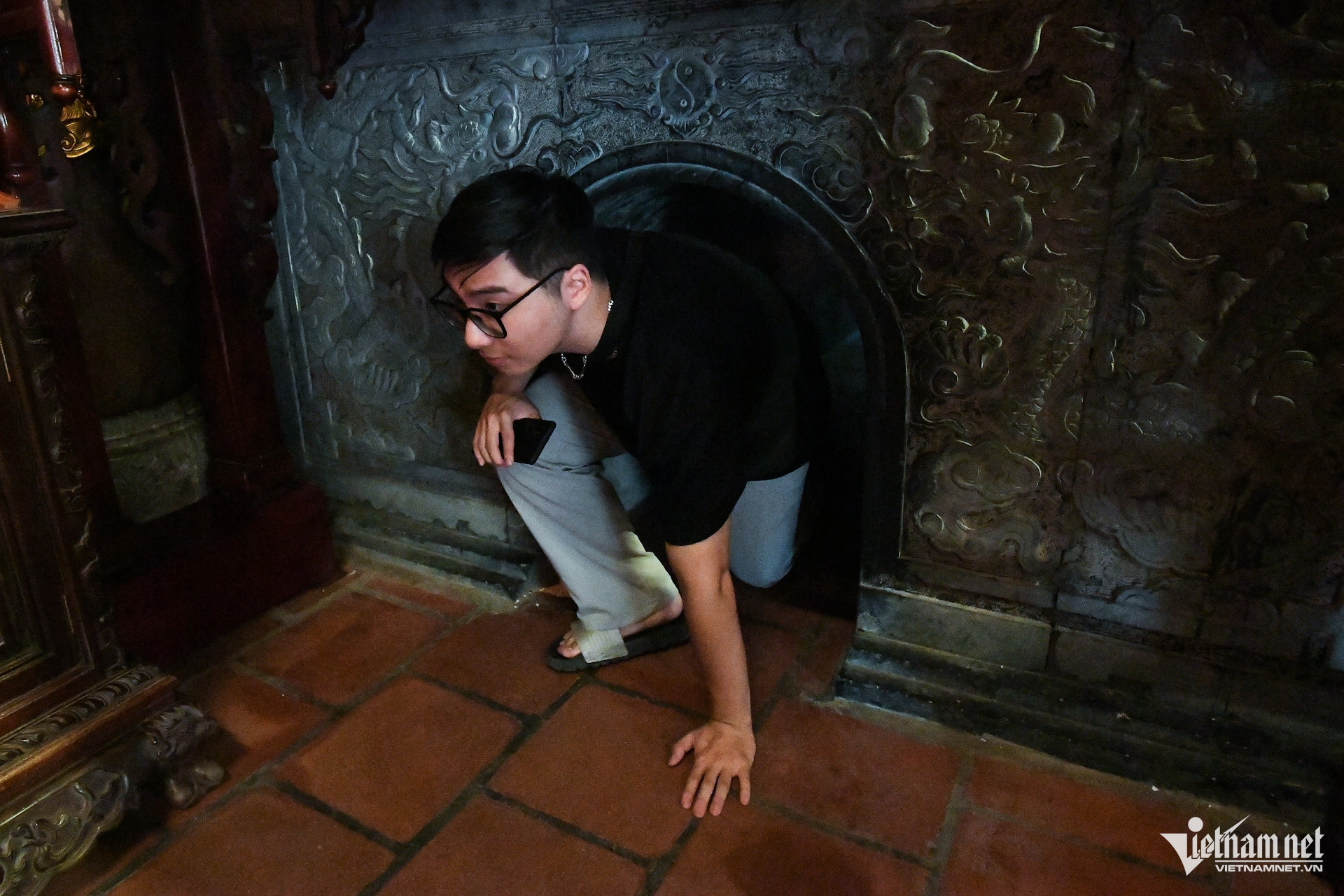
‘Enter through the Father’s gate, leave through the Mother’s’
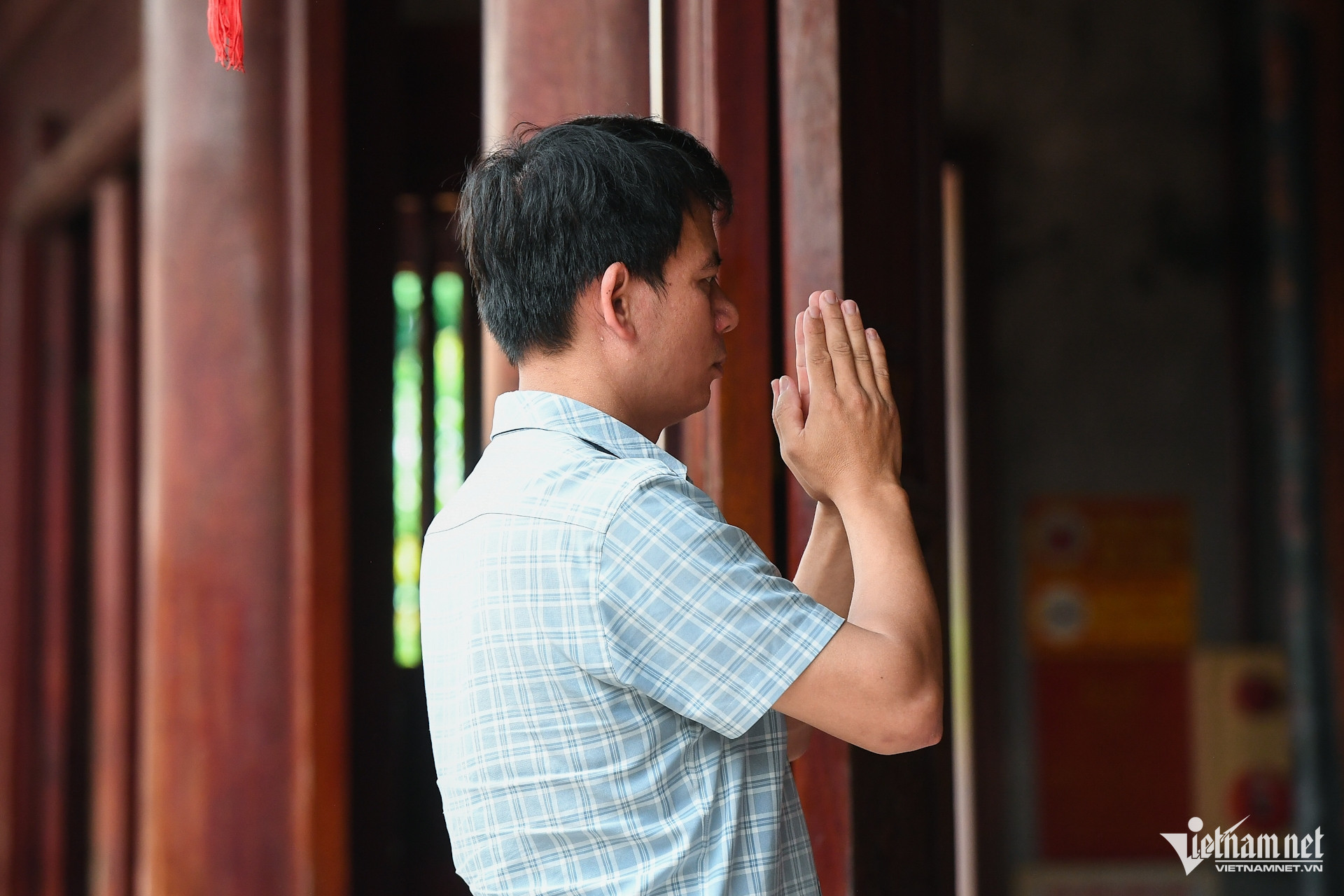
In Vietnamese folk belief, the familiar spiritual saying “enter through the Father’s gate, leave through the Mother’s” refers to the ritual order followed by worshippers as they pass altars or statues dedicated to Saint Tran and the Holy Mother, or National Mother.
The “Father” is Saint Tran - Hung Dao Dai Vuong Tran Quoc Tuan - revered not only for his military brilliance but also for the character of a man remembered for his loyalty and patriotism.
He was the general who led the Tran dynasty’s forces in resisting three Mongol-Yuan invasions in the 13th century, helping preserve the independence of Dai Viet, as Vietnam was then known, during one of the most challenging periods in its history.
In Vietnamese folk belief, Hung Dao Dai Vuong transcended his role as a historical figure to become a spiritual symbol. People call him “Father” with the reverence accorded to an ancestor who protected the country and its people.
For many visitors, a journey to Kiep Bac is therefore not simply about praying for peace and good fortune. Above all, it is a way of remembering a man who placed the fate of his country above his own interests.
Where the Luc Dau River carries echoes of the Tran dynasty
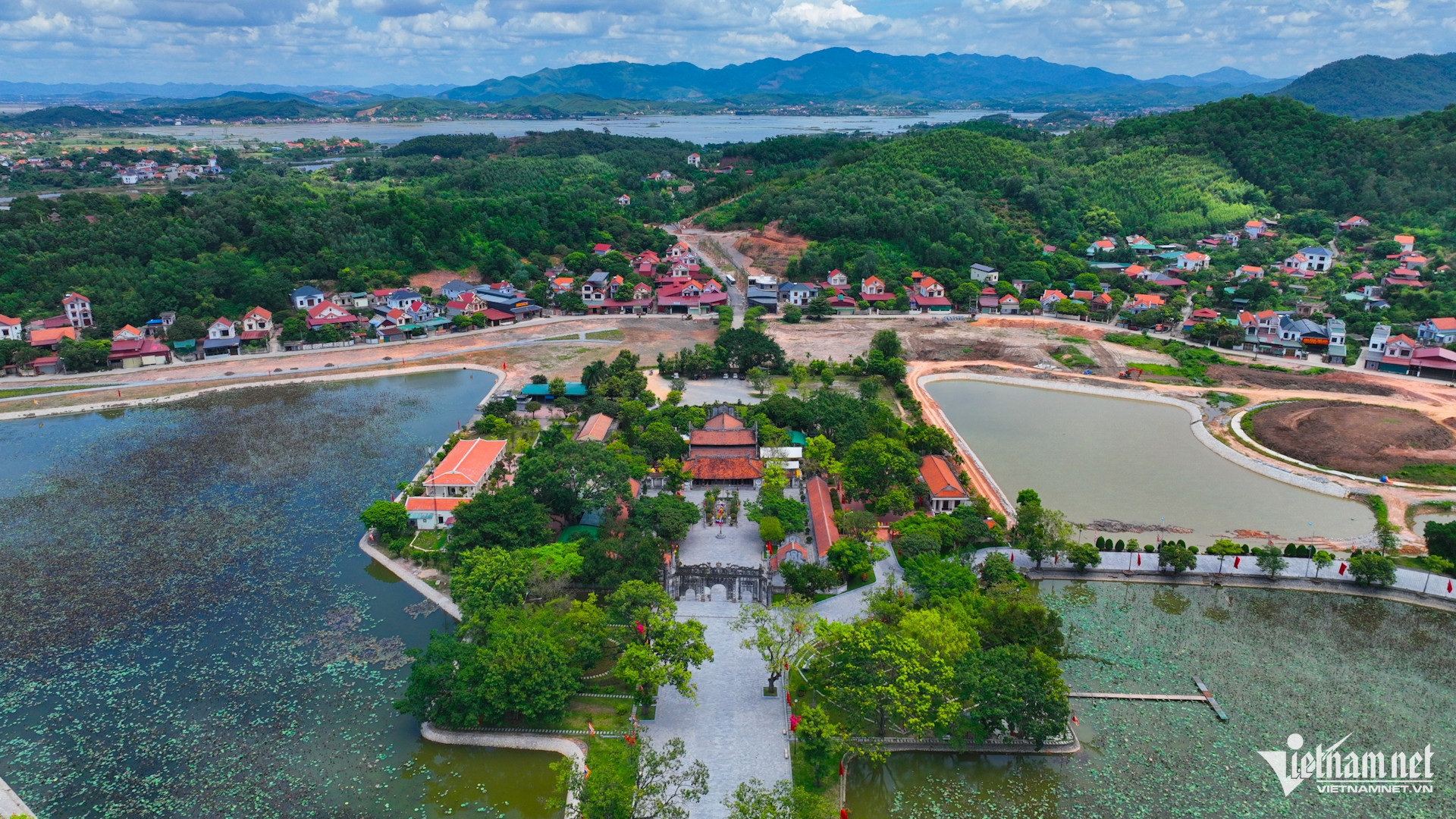
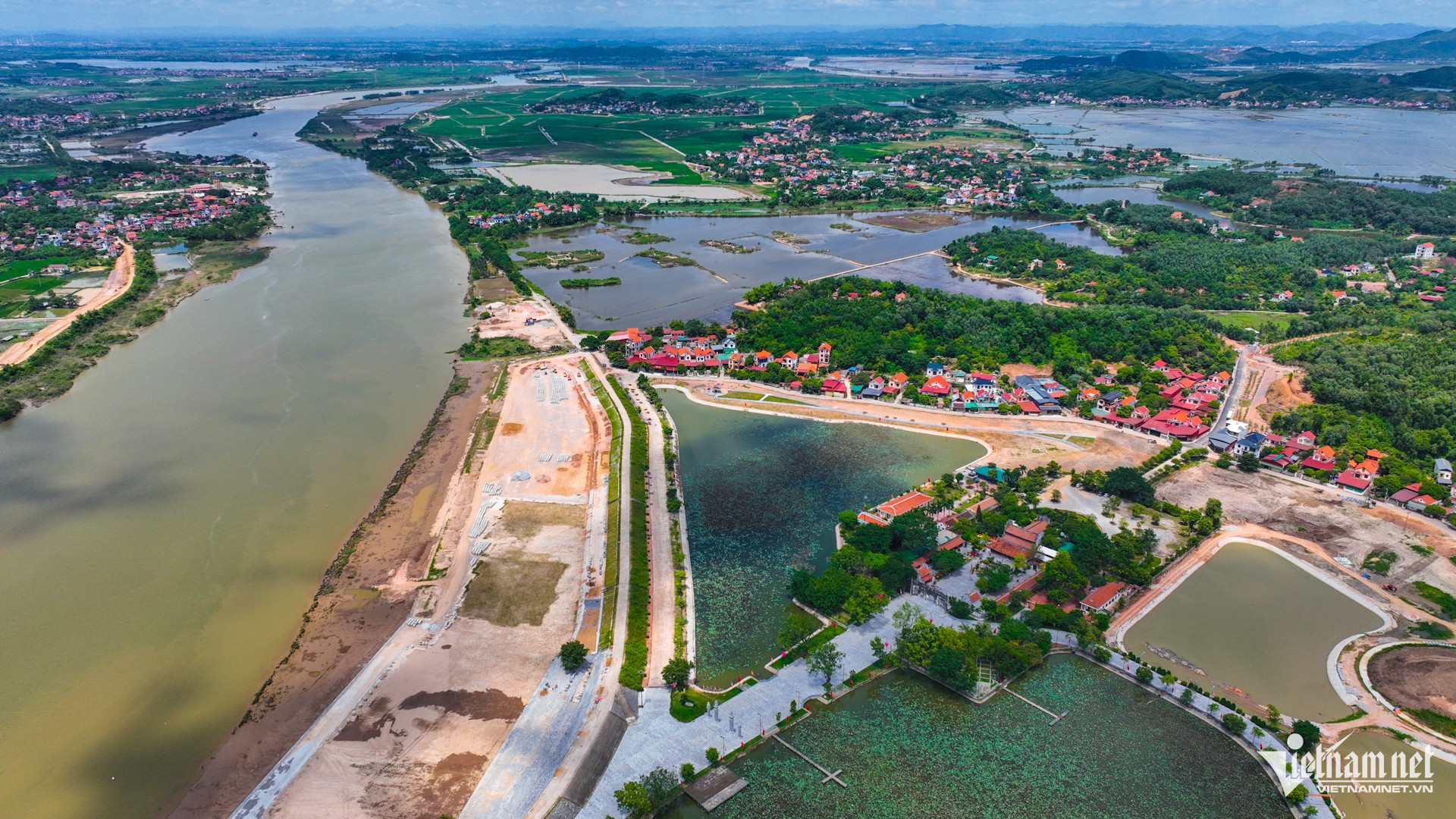
In front of Kiep Bac Temple lies the Luc Dau River confluence, where six major waterways meet: the Cau, Thuong, Luc Nam, Duong, Kinh Thay and Thai Binh rivers.
The area was once strategically important during the Tran dynasty’s wars against the Mongol-Yuan forces. Historical records recount how Hung Dao Dai Vuong Tran Quoc Tuan trained troops and prepared forces here for decisive battles to defend the kingdom.
Today, the rivers flow peacefully past villages. But in historical memory, this landscape once echoed with the beating of war drums and the cries of soldiers.
Among the defining victories of the era was the Battle of Bach Dang in 1288, one of the most celebrated military triumphs in Vietnamese history, associated with the strategic leadership of Hung Dao Dai Vuong and the forces of the Tran dynasty.
The rivers of northeastern Vietnam are therefore more than natural features. They are also living chapters of history.
Standing before the Luc Dau River today, visitors see more than flowing water. They encounter the depth of a landscape that witnessed moments when the fate of the country hung in the balance.
A spiritual tradition rooted in responsibility to the country
The worship of Saint Tran occupies a distinctive place in Vietnamese folk belief. From a historical figure, Hung Dao Dai Vuong became a cultural and moral symbol embodying patriotism.
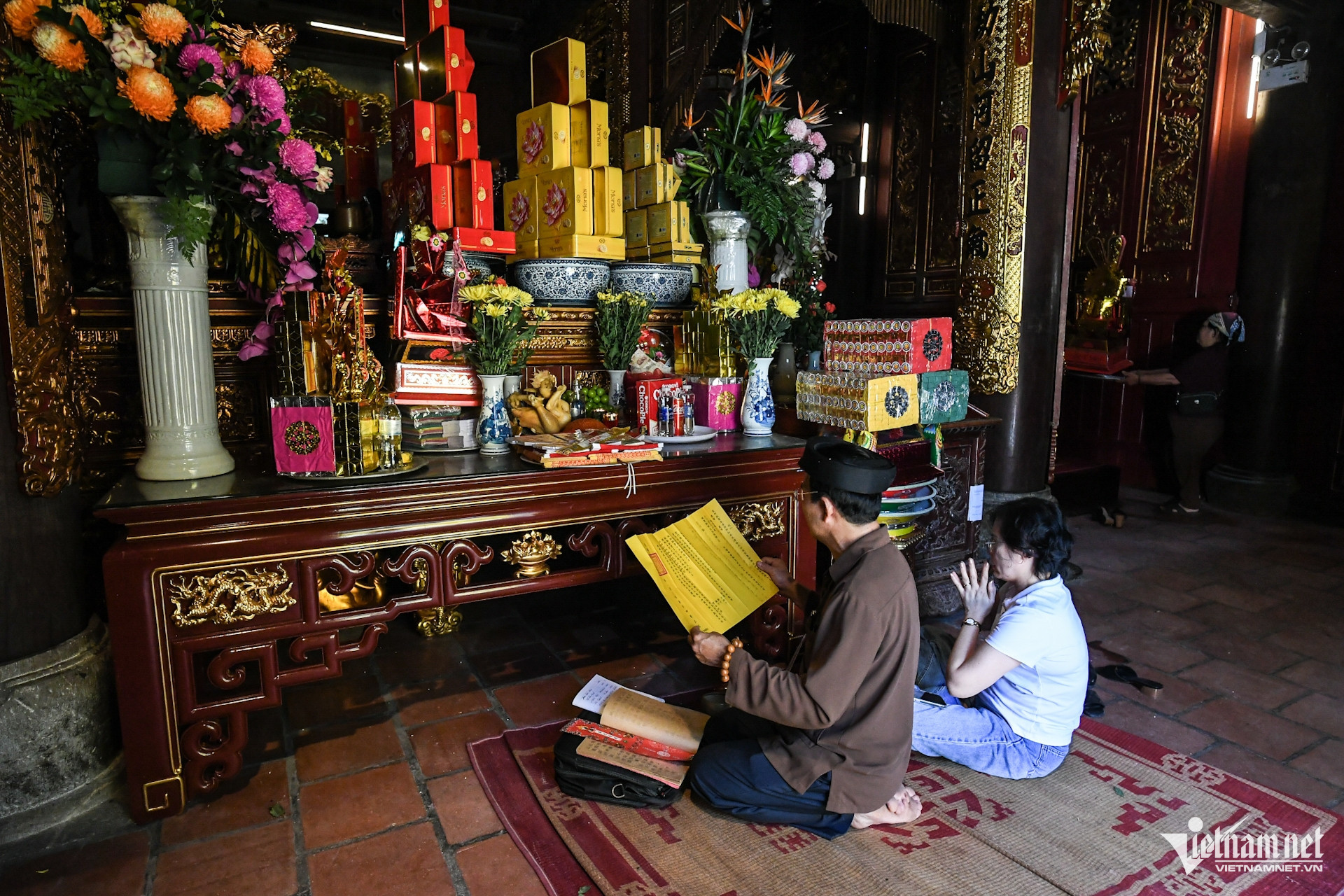
People arrive at Kiep Bac with deeply personal hopes: good health, peace, family harmony and success in their work.
Yet behind those prayers lies another layer of meaning - gratitude toward those who sacrificed for the country and a reminder of values larger than oneself: loyalty, responsibility and sacrifice for the community.
An incense stick offered at the temple is therefore more than a spiritual ritual. It can also become a moment of encounter with history, a reminder that the peace enjoyed today came at the cost of the hardship, sacrifice and blood of earlier generations.
Over time, Kiep Bac has become a bridge between past and present. Within the temple grounds, history does not remain confined to books. It lives through rituals, stories handed down through generations and the reverence of those who continue to make the journey here.
Preserving a place of memory for future generations
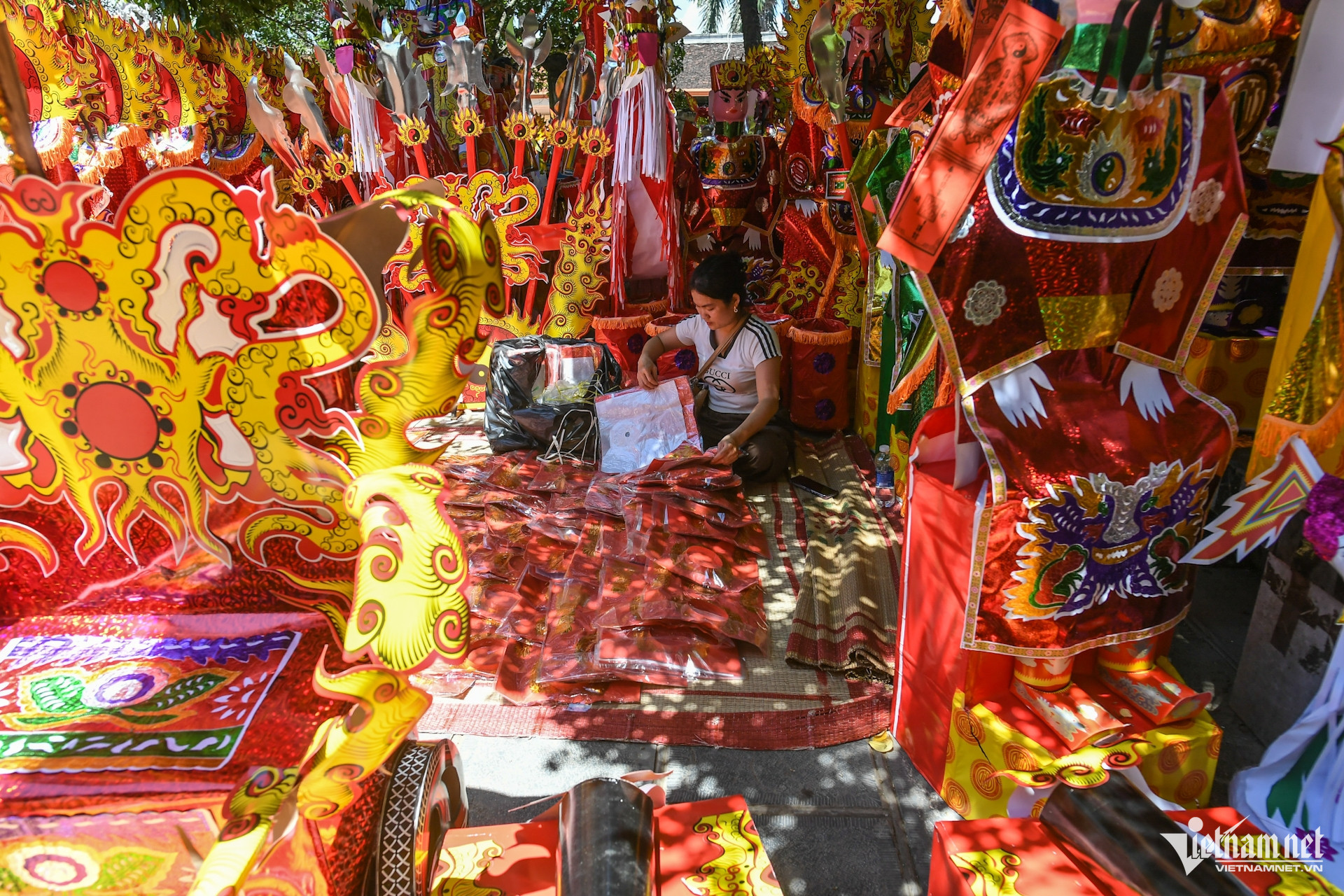
Every year during the eighth lunar month, large numbers of pilgrims and visitors return to Kiep Bac.
Some come to attend ceremonies, burn incense and seek peace in their spiritual lives. Others simply stand beside the Luc Dau River, looking across a landscape associated with historic victories and contemplating the depth of the past.
Kiep Bac’s significance therefore lies not only in the temple itself, but also in its role in sustaining collective memory.
A nation develops not only through what it builds anew, but also through its ability to remember its origins and honor those who laid the foundations for the present.
Beside the Luc Dau River, Kiep Bac Temple remains a witness to the passage of time.
Amid the rhythms of modern life, as material values assume an increasingly prominent place, spaces such as Kiep Bac take on particular significance. Here, people can slow down, listen to the echoes of history and reflect more deeply on the meaning of peace.
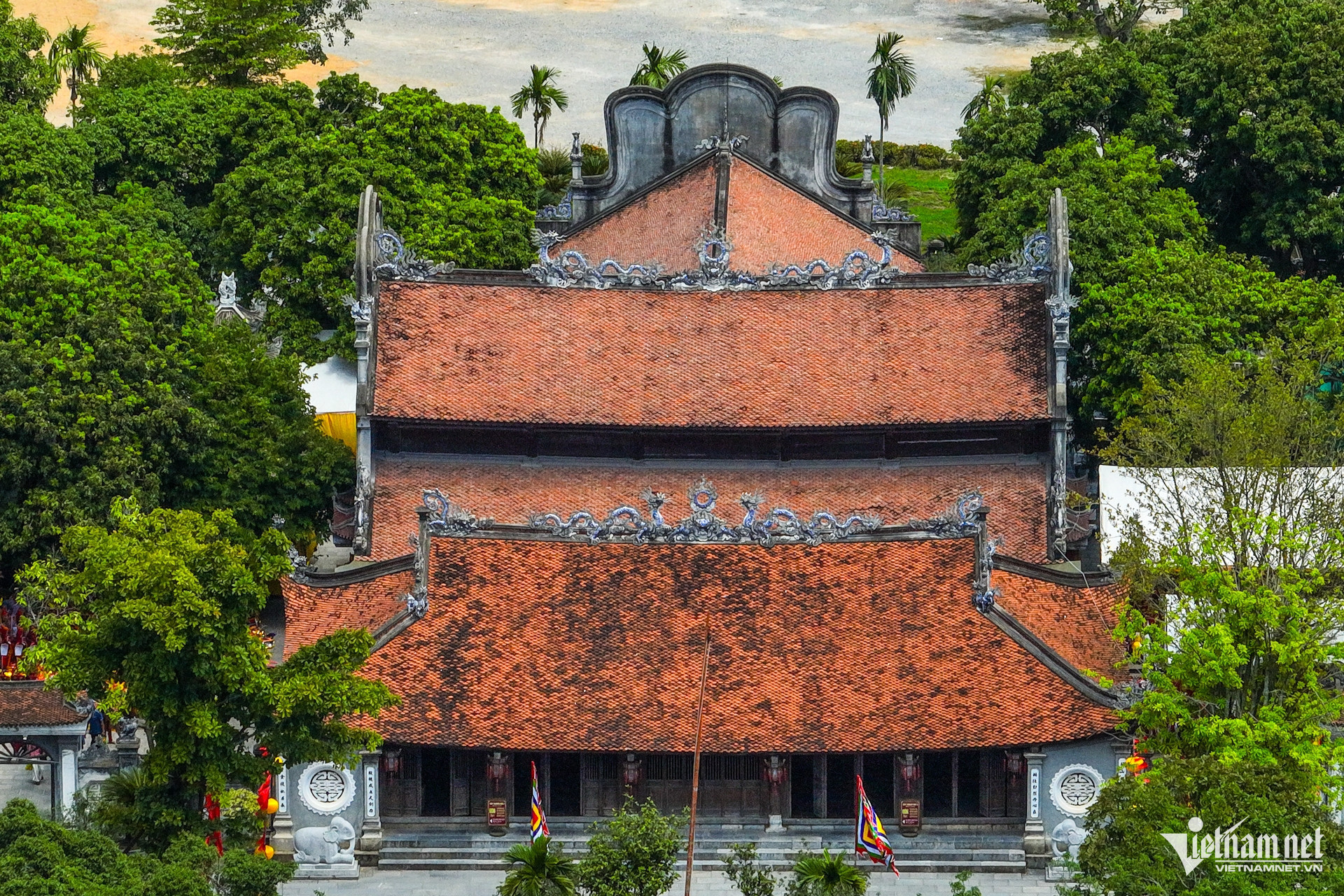
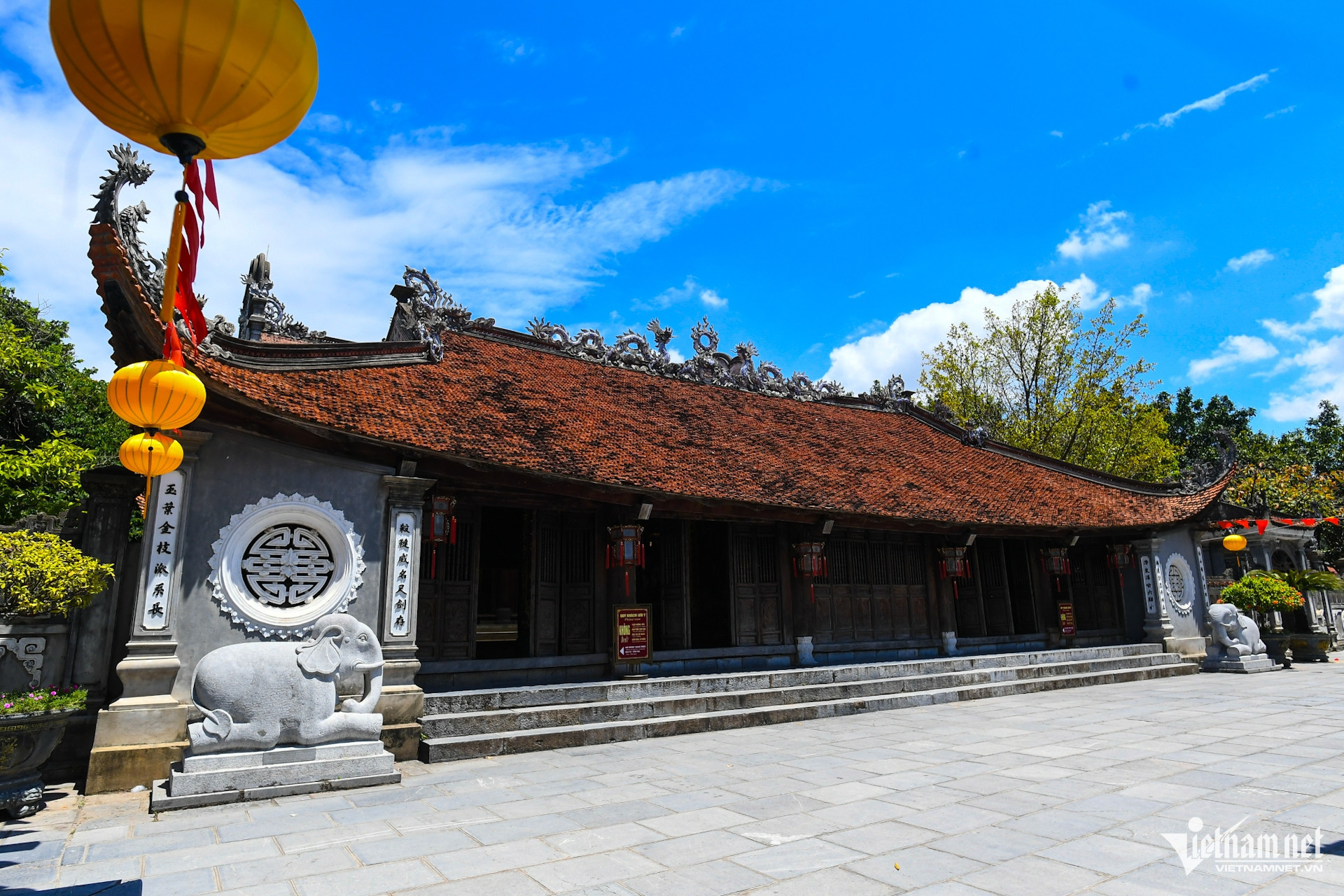
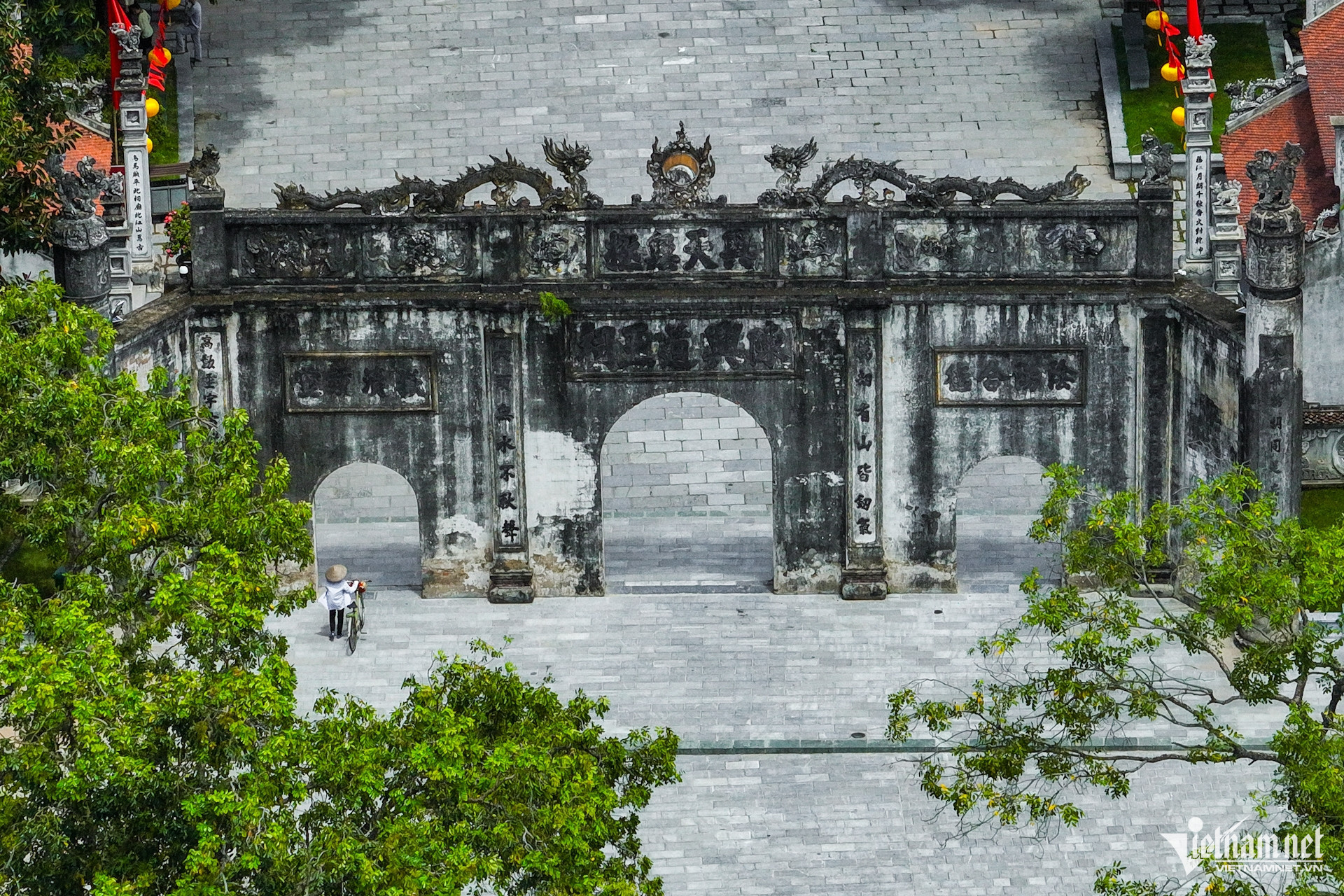
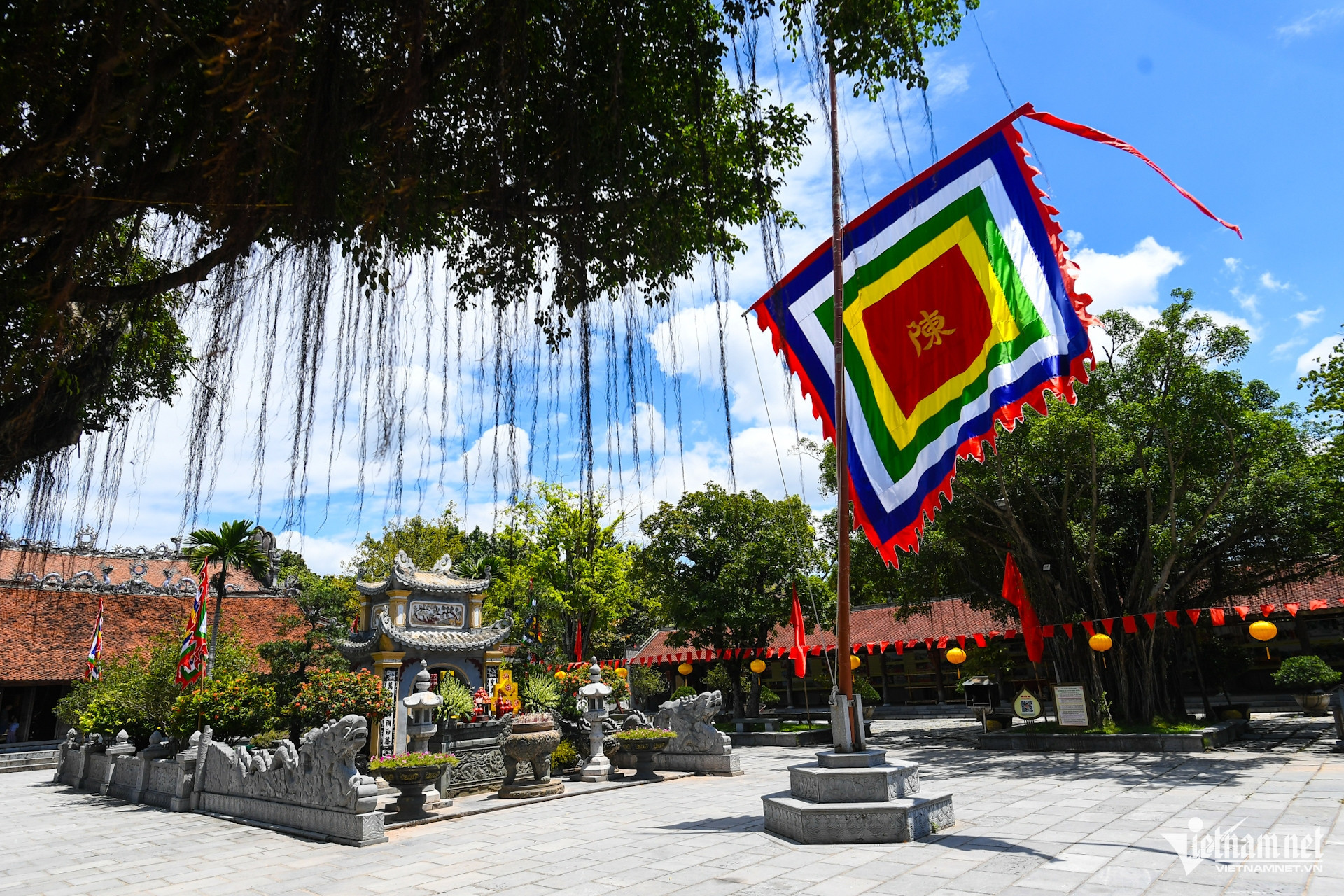
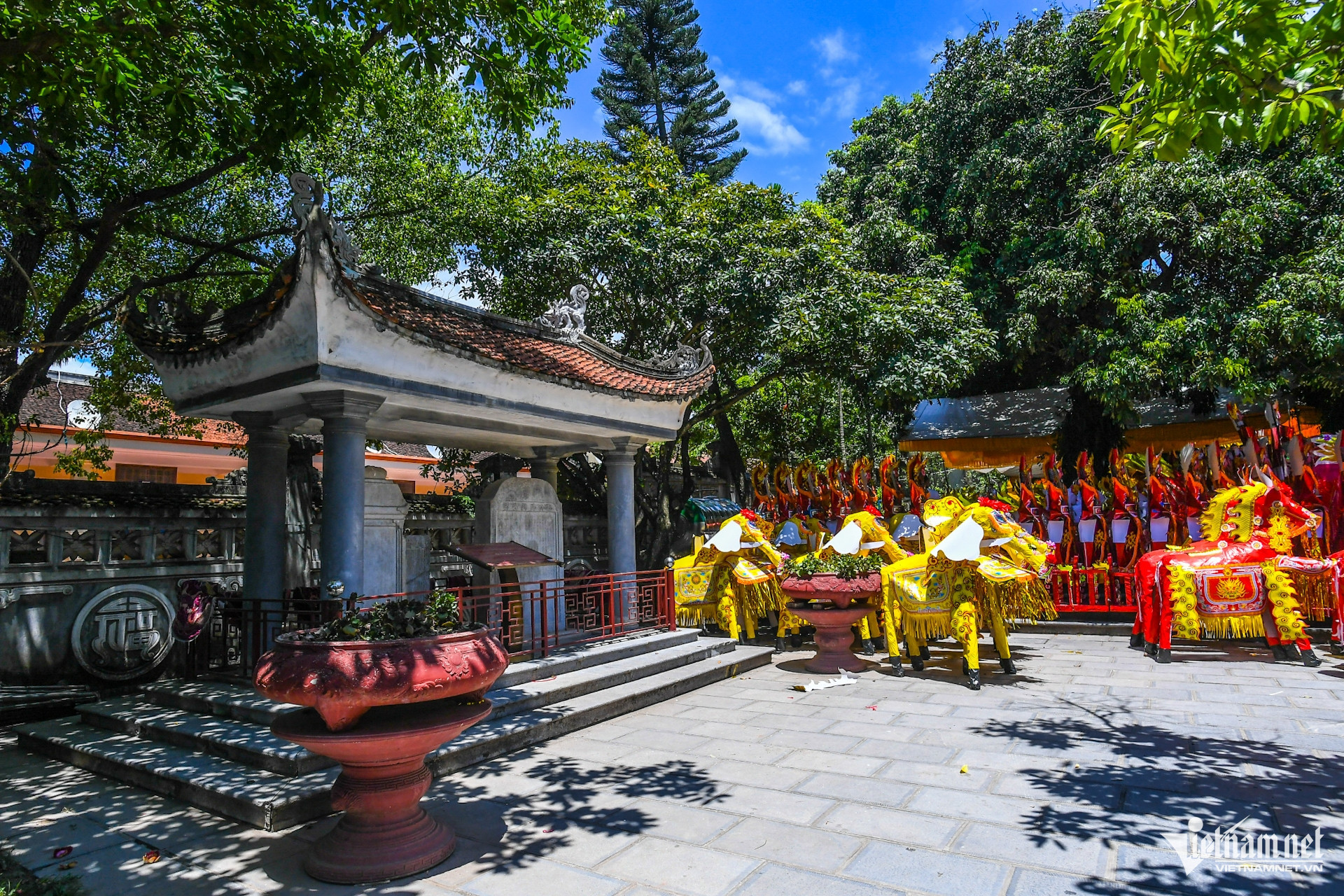
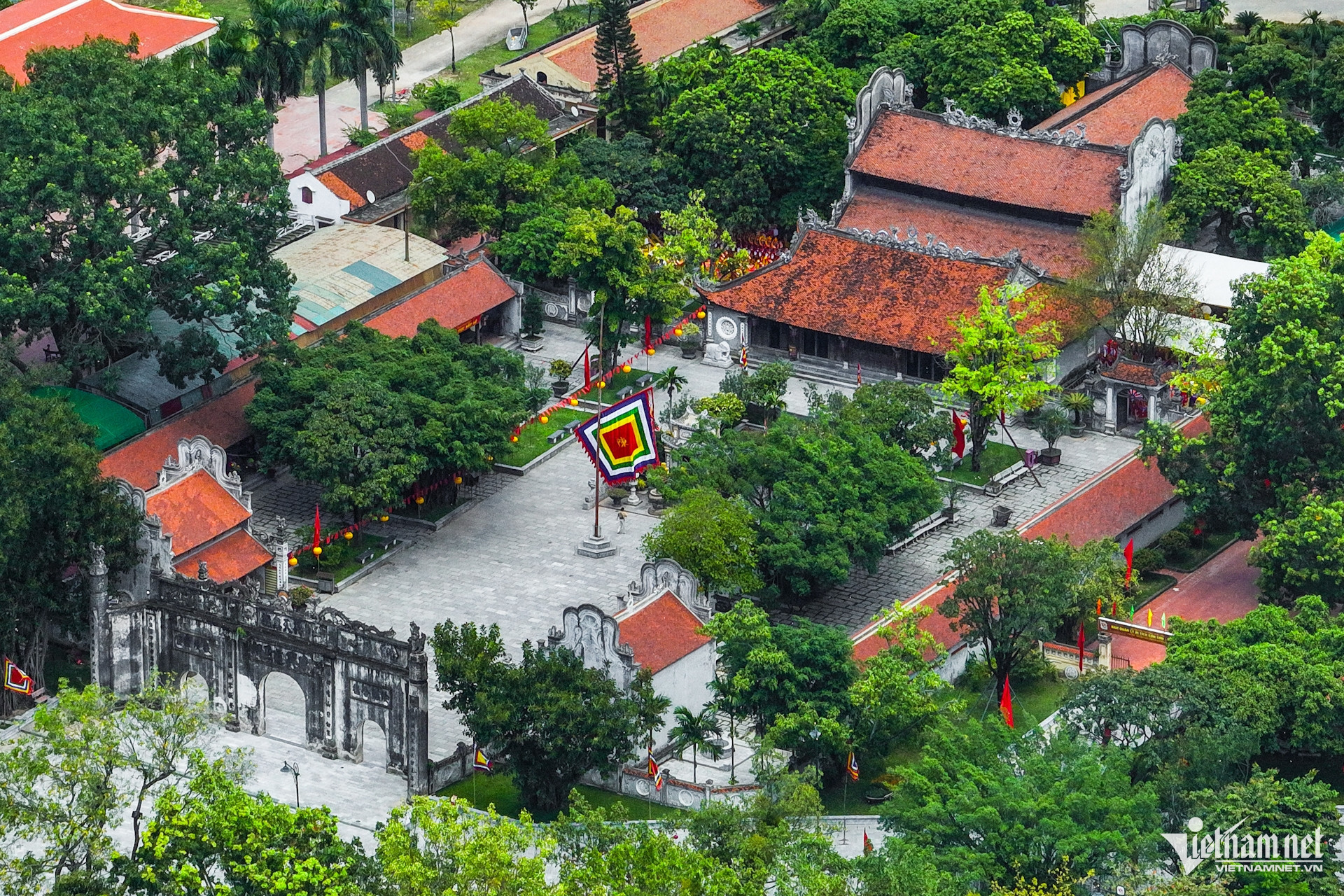
Kiep Bac Temple, in Tran Hung Dao Ward in Hai Phong, stands within the historic Van Kiep area, where Hung Dao Dai Vuong established a base, built his forces and commanded the Tran dynasty’s army in defense of Dai Viet.
After his death in 1300, local people built a temple here to commemorate the achievements of the military commander who had served as the dynasty’s supreme commander.
Over more than 700 years, Kiep Bac Temple has become one of Vietnam’s most important centers for the worship of Saint Tran.
The temple lies between Rong Mountain and the Luc Dau River confluence, where six rivers meet, in a landscape associated with numerous victories by the Tran dynasty’s forces.
At 1:02 p.m. Paris time on July 12, 2025, during the 47th session of UNESCO’s World Heritage Committee, held in the French capital from July 6-16, session chair Professor Nikolay Nenov of Bulgaria brought down the gavel to formally inscribe the Yen Tu-Vinh Nghiem-Con Son, Kiep Bac Complex of Monuments and Landscapes, spanning Quang Ninh and Bac Ninh provinces and Hai Phong, as a World Cultural Heritage site.
It became Vietnam’s ninth UNESCO World Heritage property and the country’s second interprovincial World Heritage site, after Ha Long Bay-Cat Ba Archipelago, which spans Quang Ninh and Hai Phong.
Thach Thao - Thai An
.svg)
