 Vietnamnet.vn

 Podcast



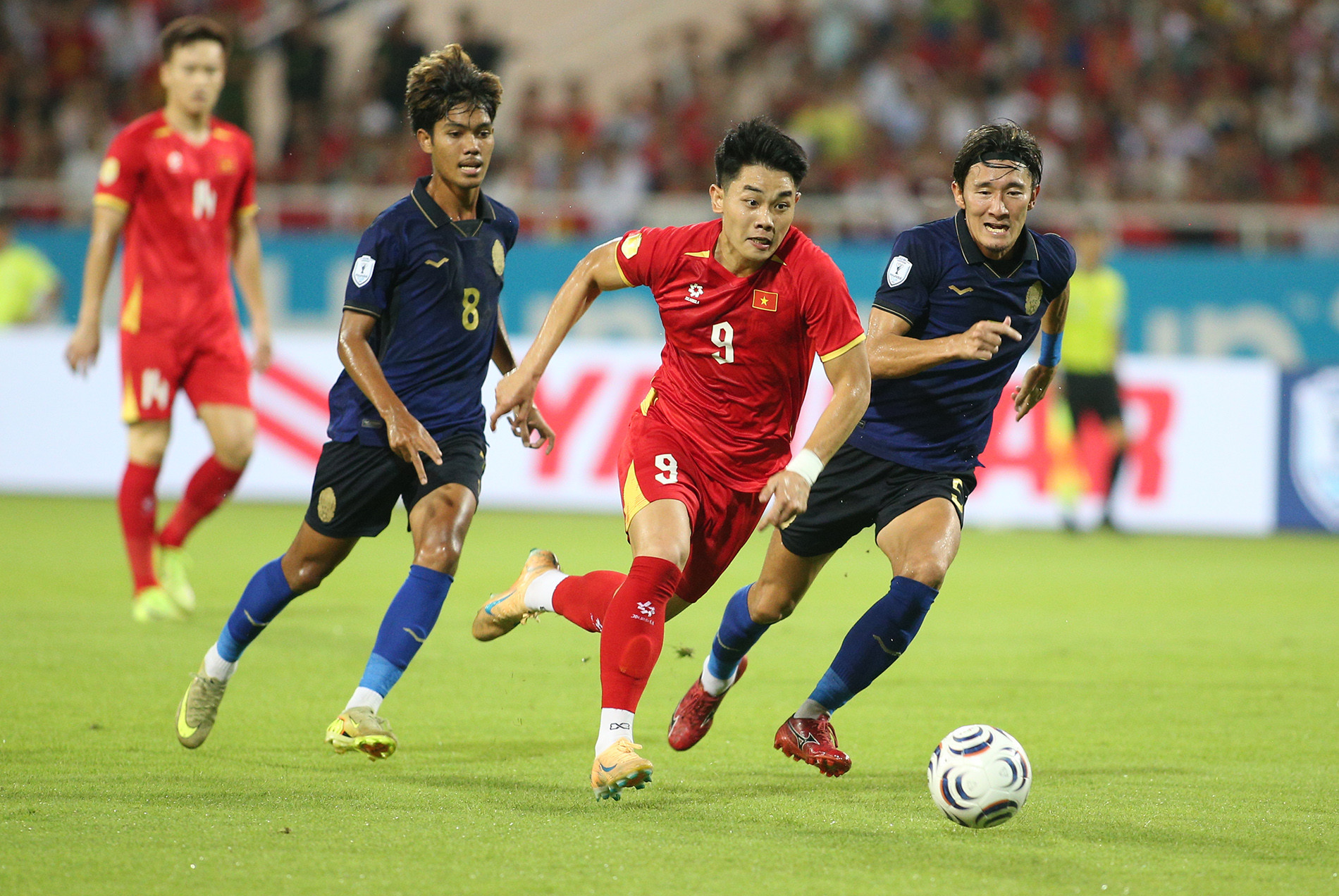
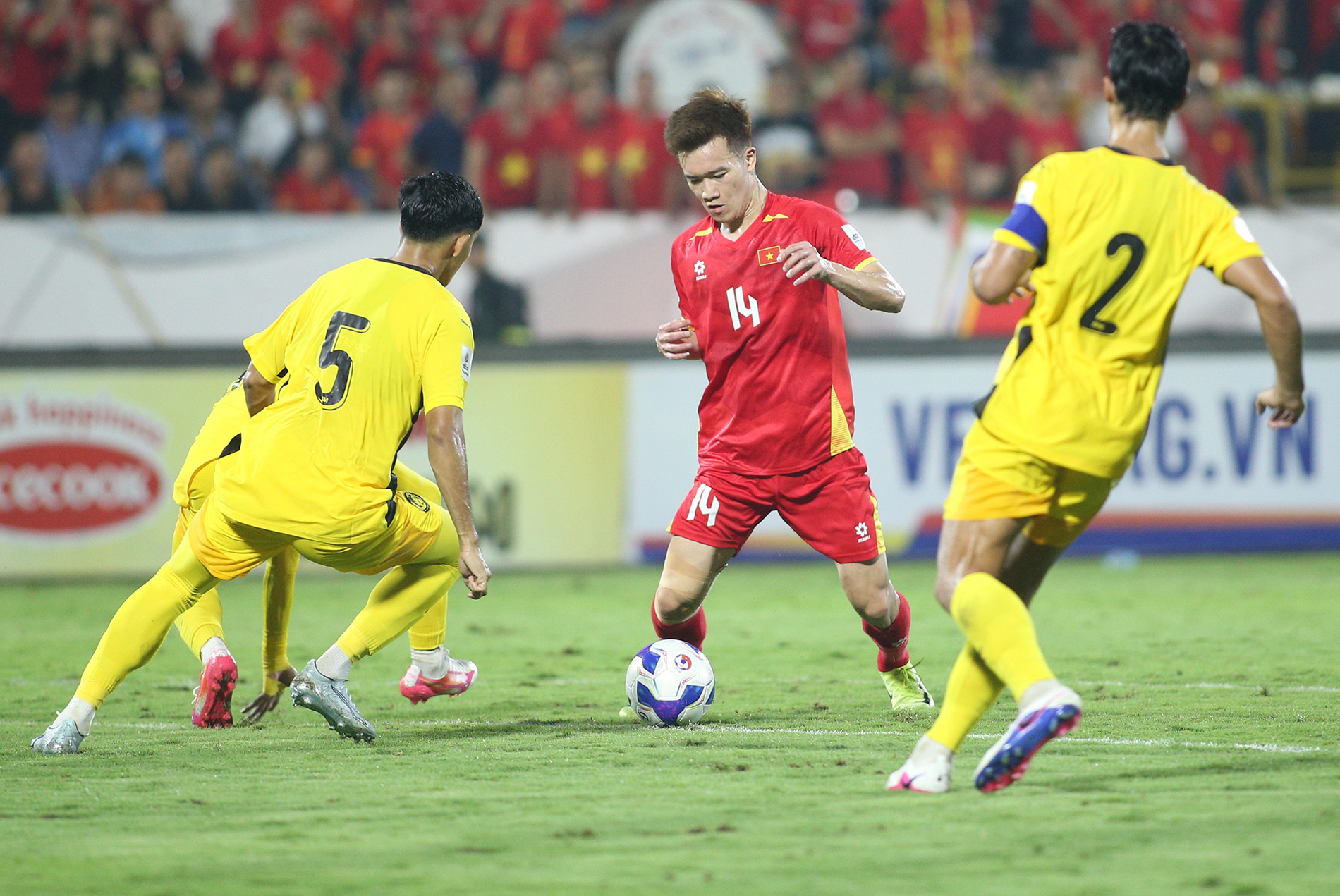
After settling into their accommodation, Vietnam held their first training session in Malaysia on the afternoon of August 14.
Kim and his players trained at Kelab Aman, around six kilometers from the team hotel.
A Vietnam Football Federation advance team had already inspected the facility to ensure suitable training conditions.
One detail, however, stands out: the training ground uses cow grass, a surface with characteristics different from the natural-grass pitches Vietnam’s players are accustomed to training and competing on at home.
That matters because the first leg will not be played at the 80,000-seat Bukit Jalil Stadium.
Instead, the Football Association of Malaysia has chosen Kuala Lumpur Stadium, which has only around a quarter of Bukit Jalil’s capacity.
The venue nevertheless offers Malaysia certain potential advantages, including its cow-grass playing surface.
The grass can slow the movement of the ball, requiring players to adjust their positioning and potentially rely more heavily on long passes and aerial play.
Kuala Lumpur Stadium also offers a more compact playing environment than Bukit Jalil, another factor that could influence Vietnam’s attempts to build their attacks.
Adapting quickly to the conditions has therefore become part of Kim’s preparations.
“We have to play on cow grass and on a smaller pitch,” defender Tien Anh said. “But I hope the whole team can adapt well and earn a positive result from this away match.”
Vietnam and Malaysia meet in the first leg at 8 p.m. on August 16 before facing each other again at My Dinh Stadium at 8 p.m. on August 19.
Malaysia lose key players but remain confident
If Vietnam’s challenge is adapting to unfamiliar conditions, Malaysia’s more immediate concern is personnel.
The hosts have been hit by a series of absences ahead of the semifinal, recalling the difficulties Tan Cheng Hoe experienced at the 2021 tournament, when Covid-19 and injuries deprived him of several important players while the competition was being held in Singapore.
Malaysia now have only around 18 players available for the first leg against Vietnam.
Midfielder Wan Kuzain Wan has returned to the United States after being recalled by his club, Sporting JAX.
Kuzain had emerged as one of Malaysia’s discoveries at the ASEAN Cup 2026.
The 27-year-old, who was born in the United States, initially came off the bench as he settled into the national team after making his debut at the tournament.
He then impressed after being handed a starting role in the decisive group match against the Philippines, setting up Pavithran Gunalan for the only goal as Malaysia secured their place in the semifinals.
Malaysia also have injury concerns surrounding midfielders Endrick and Aliff Haiqal, who missed training with knee and hamstring problems respectively.
Malaysian media reported that Mohamadou Sumareh and Engku Nur Shakir were also carrying minor injuries, although the exact nature of their problems had yet to be established.
Tan, however, remains composed.
If both Endrick and Aliff Haiqal are ruled out, uncapped center-back Aysar Hadi and striker Paulo Josue could potentially be deployed in midfield against Vietnam.
“I don’t think about what happened in the past,” Tan said when asked about the memories of 2021 and his latest personnel problems. My focus is on the present, when we have to face Vietnam, who are certainly not an easy opponent. We need the strongest and most complete squad possible. As I always say, every coach wants his team to be in the best possible condition. But this is also an opportunity for the younger players to show what they can do when they are given the chance.”
Tan sees the situation as an opening for players who have spent much of the tournament on the bench to prove themselves.
“I always think positively and believe in the ability of every player who is ready to play,” he said. “Malaysia have several players capable of playing in different positions, but I will not select someone simply to make up the numbers.”
The Malaysia coach acknowledged the strength of the opposition but believes playing at home could help compensate for his depleted squad.
“Vietnam have selected their strongest squad for this tournament, but we have home advantage, and we will make use of it,” he said.
For Vietnam, that home advantage means more than the crowd. The unfamiliar surface, smaller venue and Malaysia’s determination to overcome their personnel problems could make the first leg considerably more complicated than the team sheets suggest.
Yet Vietnam possess an advantage of their own: opponents are rarely certain what Kim Sang Sik will do next.
Birthday surprise for Dang Van Lam
On August 13, Xuan Son represented the Vietnam players in presenting goalkeeper Dang Van Lam with a birthday cake in Malaysia.
The squad sang “Happy Birthday” together, leaving Van Lam visibly moved. He blew out the candles and thanked his teammates for the surprise.
Dai Nam - Ngoc Huy
.svg)
